In the world of high-end real estate, the most expensive mistake a homeowner can make is investing in the "spectacular." Nine out of ten luxury homeowners can identify the exact upgrade they regret—usually a vanity project that serves more as a monument to their own tastes than as a functional asset. Whether it is a temperature-controlled wine room that houses only a handful of bottles, a plunge pool that remains dormant for ten months of the year, or a glass-railed staircase that cost a fortune but offers little utility, these additions rarely move the needle when it comes time to close a sale.
Luxury buyers are not looking for a showroom of eccentricities; they are looking for a reliable, high-performing home. They are not buying the "story" behind an architectural whim; they are buying peace of mind. As the market shifts, savvy sellers are discovering that the highest return on investment (ROI) is found not in the marble foyer, but in the systems hidden behind the walls.
The Paradigm Shift: Capacity Over Novelty
The fundamental disconnect in luxury home improvement lies in the confusion between "amenities" and "infrastructure." A designer foyer might catch a buyer’s eye in a digital listing, but it is the efficiency of the home’s mechanical systems that keeps a buyer committed once they step through the door.
Infrastructure-based upgrades—such as tankless water heater installation in Denver or advanced HVAC filtration—are inherently unglamorous. They do not photograph well for social media, and they rarely appear on "Top 10 Trends" lists. Yet, they consistently outperform novelty projects in valuation. Why? Because they speak to the "Rule of Multiplied Mornings."
The Rule of Multiplied Mornings
To determine the true value of a home improvement, homeowners should apply a simple, rigorous framework: Score every prospective upgrade based on how many times a year the household physically interacts with it, and then multiply that figure by the level of "irritation" that specific system currently causes.
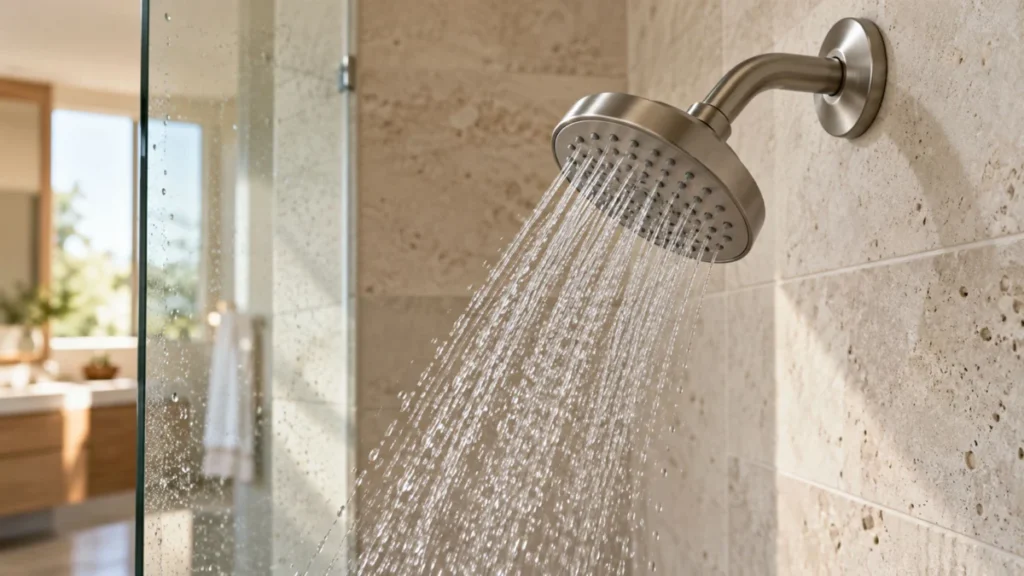
A sculptural, free-standing tub used on rare occasions scores near zero. Conversely, the reliability of hot water, consistent pressure, and optimal air quality score in the hundreds. Every shower, every load of laundry, and every hand-washed dish passes through these systems. By removing "quiet irritations"—the lukewarm shower, the vibrating pipes, or the humming furnace—a seller provides an experience of seamless living that is impossible to replicate with cosmetic staging.
Chronology of a Renovation: Avoiding the "Trend Trap"
The life cycle of a renovation project often determines its success or failure. Many sellers fall into the "Trend Trap," committing to lengthy, high-cost renovations based on design fads that possess a built-in expiration date.
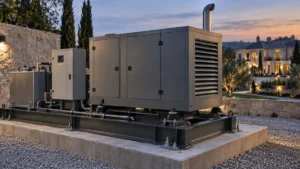
- Phase 1: The Concept (12–18 months pre-listing): This is the window for major mechanical overhauls. Upgrades like electrical panel upgrades, whole-home water filtration, and high-efficiency heating systems are best addressed early to allow for proper permitting and system integration.
- Phase 2: The Infrastructure (6–12 months pre-listing): Finalizing the "bones" of the home. Ensuring that the home’s capacity matches modern demands—such as EV charging readiness or fiber-optic wiring—should be completed now.
- Phase 3: The Presentation (3–6 months pre-listing): Only after the infrastructure is solidified should capital be deployed toward the "visible" aesthetics. Paint, lighting, and landscaping are the final polish, intended to highlight the performance of the home, not hide its deficiencies.
The danger of ignoring this chronology is twofold. First, trend-based designs often lose their relevance before the house even hits the market. Second, rush-jobs on mechanical systems often lead to improper installations that fail during the pre-closing inspection, providing the buyer with leverage to demand significant price concessions.
Supporting Data: The Economics of Efficiency
Sophisticated buyers do not compare a luxury property to a standard residential home; they compare it to their current residence. If a buyer is accustomed to a home that provides instant, endless hot water and a silent, high-efficiency climate system, they will immediately perceive a "down-grade" if your property fails to meet those benchmarks.
According to data from the U.S. Department of Energy, energy-efficient mechanical systems play a critical role in a home’s total cost of ownership. High-end buyers are increasingly data-literate. They analyze utility statements and look for ENERGY STAR® certifications or LEED status. They are well aware of the federal tax incentives available for heat pumps, tankless systems, and solar integration. When a seller can provide a portfolio of certified, high-performance upgrades, they move from a position of "negotiating a price" to "justifying a premium."
Official Perspectives and Regulatory Compliance
The shift toward performance-based home value is supported by evolving industry standards. Organizations like the National Association of Home Builders (NAHB) have increasingly highlighted that "Healthy Home" features—such as radon mitigation, air purification, and smart-water management—are becoming baseline expectations for the ultra-luxury segment.
Furthermore, compliance is a cornerstone of value retention. An upgrade is only as good as its documentation. A high-end tankless water heater is a valuable asset; a tankless water heater without a documented installation history, permit, and warranty card is a liability that an inspector will flag as a potential hazard.
Sellers are advised to maintain a "System Lifecycle Folder." This should include:
- Permit Records: Proof that the work was inspected by local authorities.
- Warranty Documentation: Transferable warranties that provide the buyer with a sense of long-term security.
- Trade Credentials: The names and contact information of the licensed professionals who performed the work.
The Two Sins of Luxury Renovations
As platforms like The Pinnacle List showcase the finest homes in the world, the aspirational quality of luxury real estate has never been higher. However, two common mistakes can sink even the most ambitious projects.
1. The "Invisible" Failure
The most common mistake is failing to document the work. If you install a high-end filtration system but cannot prove it was done to code, you have essentially wasted your capital. When the inspection report lands three weeks before closing, the buyer will view the lack of documentation as a risk, not an asset.
2. The "Sales Pitch" Burden
If a feature requires a paragraph of explanation to appreciate, it is likely a bad investment. If you have to tell a potential buyer, "This is a custom-engineered, multi-stage, smart-lighting array that mimics the sunlight in the Swiss Alps," you have already lost them. They are mentally calculating the cost to replace it with a standard system they understand. Features that require a "sales pitch" are essentially complex liabilities.
Implications for the Future of Real Estate
The luxury market is undergoing a fundamental realignment. We are moving away from the era of "conspicuous consumption" in architecture and into the era of "conspicuous performance."
For the homeowner preparing to list, the path forward is clear. Prioritize the systems that touch the residents every day. Before you consider replacing the kitchen cabinets with the latest exotic wood, ensure the water pressure in the primary suite is impeccable and the HVAC system operates in absolute silence.
If you have $100,000 to spend on a luxury listing, the wisest strategy is to allocate 70% to what is behind the walls—water capacity, electrical headroom, air quality, and insulation. The remaining 30% should be reserved for the aesthetic touches that make for stunning photography.
A home that performs flawlessly is a home that holds its value. When a buyer walks through your property, they should not be thinking about the maintenance they need to do; they should be imagining the life they will lead. By focusing on the invisible infrastructure, you remove the barriers to that imagination, ensuring that the only thing the buyer remembers after the tour ends is how perfect the house felt—and how quickly they want to move in.
In the final analysis, the most luxurious thing you can offer a buyer is the certainty that everything works exactly as it should, every single morning.