

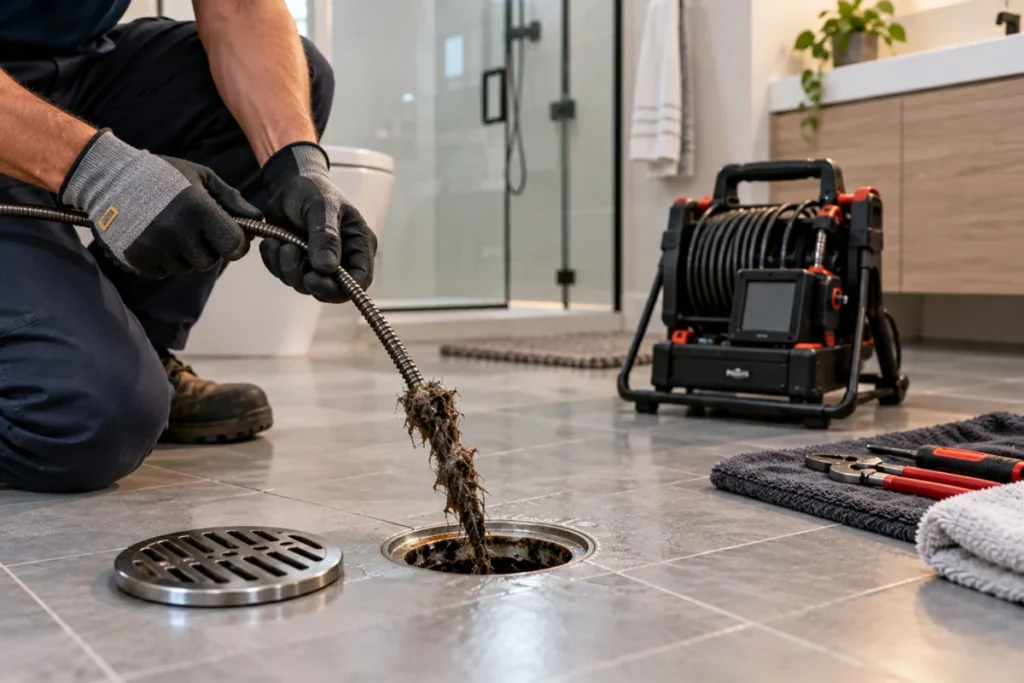
For the average homeowner, the plumbing system is a background utility—taken for granted until the moment it fails. A single slow-draining sink is often viewed as a minor nuisance, easily remedied with a plunger or a store-bought liquid cleaner. However, when the behavior of your home’s plumbing changes—when multiple drains begin to lag or strange sounds emanate from the pipes—the issue may have migrated from a localized annoyance to a critical structural failure.
Understanding the distinction between a routine fixture clog and a main sewer line obstruction is the difference between a ten-minute DIY task and a catastrophic, multi-thousand-dollar emergency. As infrastructure ages and environmental factors like tree growth evolve, homeowners must become vigilant stewards of their property’s subterranean plumbing.
The Anatomy of a Plumbing Crisis: Main Facts
At its core, a home’s plumbing system is a unified network. Every sink, shower, toilet, and laundry basin in your house eventually feeds into a single primary pipe: the main sewer line. This conduit is responsible for transporting all household wastewater to the municipal sewer system or an on-site septic field.
When a clog occurs in a bathroom sink, it is usually restricted to the "P-trap" or the drain pipe directly beneath that specific fixture. These are isolated incidents. A main sewer line clog, however, is a systemic failure. Because the main line acts as the exit point for the entire household, a blockage here creates a "bottleneck" effect. Pressure builds, air is displaced, and wastewater has nowhere to go. This manifests as sluggishness across every fixture in the home, or worse, the backup of sewage into lower-level showers, bathtubs, or floor drains.
Common Catalysts for Sewer Failure
- Tree Root Intrusion: Perhaps the most persistent threat to residential plumbing. Tree roots are naturally drawn to the moisture and nutrient-rich vapor escaping from pipe joints. Even a microscopic crack in an older pipe can act as an invitation for roots to enter, expand, and eventually crush the pipe from within.
- The "Flushable" Myth: Despite marketing claims, many "flushable" wipes do not break down in water like toilet paper. They create dense, fibrous masses that act as anchors for other debris, eventually forming "fatbergs" within the line.
- Grease and Fat Accumulation: Pouring cooking fats or oils down the kitchen drain is a recipe for disaster. As these substances cool, they solidify, coating the interior of pipes and significantly reducing their diameter over time.
- Structural Degradation: Older homes often feature clay, cast iron, or orangeburg piping. Over decades, these materials succumb to corrosion, shifting soil, or ground settling, leading to collapses that require total pipe replacement.
Chronology of a Sewer Failure
A main sewer line rarely clogs overnight. It is typically a progressive process that follows a predictable, yet often ignored, timeline.
- The Incubation Phase: Subtle changes begin. You might notice that the toilet water level fluctuates slightly, or that the shower drains just a second slower than it did last month. These are the "silent" symptoms of a partial obstruction.
- The Gurgling Stage: As the pipe becomes partially blocked, air cannot escape properly as water flows. This results in distinct, bubbling, or gurgling sounds heard in toilets or drains when other water sources are used.
- The Symptom Correlation Phase: The homeowner notices a pattern. You flush the toilet, and the water rises in the shower drain. This confirms that the pipes are physically connected at a point downstream, and the blockage is located after that connection.
- The Acute Failure: Wastewater begins to overflow into the home, usually at the lowest point of the plumbing system—the basement floor drain or a ground-floor shower. At this stage, the system is no longer functional, and professional intervention is mandatory.
Supporting Data: Understanding the Warning Signs
To assist homeowners in identifying the severity of their plumbing issues, the following diagnostic table summarizes the indicators of a failing main line:
| Warning Sign | Clinical Indication |
|---|---|
| Multiple Slow Drains | Universal blockage indicator; the main trunk line is compromised. |
| Gurgling Drains | Air displacement issues caused by a partial downstream blockage. |
| Sewage Odors | Indicates a breach in the pipe or a dry trap caused by vacuum pressure. |
| Backups in Unexpected Places | A classic symptom of a downstream obstruction blocking the flow path. |
| Lush Grass Patches | A high-moisture leak in the yard is acting as a natural fertilizer. |
| Recurring Clogs | Often points to an existing root mass that was cleared but not removed. |
Official Perspectives: The Role of Professional Inspection
Plumbing professionals emphasize that modern technology has transformed the way sewer lines are maintained. The days of "guess-and-check" pipe replacement are largely over.
The Power of the Sewer Camera
"A camera inspection is the most cost-effective investment a homeowner can make," says a veteran master plumber. Using high-definition, waterproof fiber-optic cameras, professionals can navigate the entire length of the sewer lateral. This allows for a real-time visual assessment of the pipe’s condition. If there is a root intrusion, the camera reveals exactly where it is, allowing for targeted cleaning rather than indiscriminate—and often ineffective—snaking.
The Dangers of DIY Over-Reliance
While the hardware store offers a variety of chemical drain cleaners, professionals warn against their use in main line scenarios. These chemicals are highly caustic and can damage aging pipes, potentially turning a simple clog into a full-scale pipe rupture. Furthermore, they are rarely effective against the dense, structural clogs (like roots or collapses) that typically affect main lines.
Implications: Cost and Long-Term Value
The financial implications of failing to address sewer maintenance are significant. A routine sewer cleaning or root-clearing service is a manageable expense. However, if a sewer line is left to collapse or to cause a basement flood, the costs escalate exponentially.
- Emergency Mitigation: If sewage backs up into the home, you are no longer dealing with a plumbing issue; you are dealing with a biohazard. This necessitates professional restoration services, sanitization, and potentially the removal of flooring and drywall.
- Property Value: A home with a documented, healthy sewer line is a much easier asset to sell. Conversely, inspection reports during a home sale that reveal a collapsed or root-invaded line can force a seller to drop their price by thousands of dollars or perform emergency, high-cost repairs before closing.
- Preventative Peace of Mind: For homeowners in areas with mature trees or homes over 30 years old, a proactive inspection every 2–3 years serves as an insurance policy against the unknown.
Expert Recommendations for Home Maintenance
To keep your sewer system functioning at peak efficiency, follow these expert-vetted protocols:
- Mind the Grease: Never pour grease or cooking oil down any drain. Keep a dedicated container for kitchen fats and dispose of them in the trash once solidified.
- The "Three P’s" Rule: Only Pee, Poo, and Paper (toilet paper) should ever be flushed. Wipes, feminine hygiene products, and dental floss must go in the wastebasket.
- Landscaping Awareness: Be mindful of where you plant trees. Large, water-loving trees like Willows or Maples should never be planted near the path of your sewer lateral.
- Listen to Your House: If your home starts "talking" to you—through gurgling pipes or slow drains—do not wait for the inevitable. Early detection is the only way to avoid the trauma of a full sewer backup.
Conclusion: The Proactive Approach
The integrity of your home’s sewer line is fundamental to your health and the longevity of your property. By learning to interpret the early warning signs—the subtle slowing of drains, the odd gurgling, and the correlated behavior of fixtures—homeowners can transition from a reactive state of "emergency repair" to a proactive state of "system maintenance."
A sewage backup is one of the most stressful experiences a homeowner can face. By engaging with professionals for periodic camera inspections and adhering to strict disposal habits, you can protect your home from the unseen, yet vital, infrastructure that keeps your household running. When it comes to your main sewer line, time is the most valuable currency; spend it on inspection and maintenance now, or pay for the consequences later.



