

Despite a legacy spanning 208 years—a timeline that predates the invention of the sewing machine as we know it—Brooks Brothers finds itself in the paradoxical position of being both a household name and an enigma to the modern digital consumer. As the fashion landscape pivots toward rapid-fire micro-trends, the heritage giant is embarking on a strategic mission to reclaim its narrative. Under the guidance of creative director Michael Bastian, the brand is not merely dusting off its archives; it is re-entering the global conversation with a bold, modernized vision for its Spring 2027 collection.
The Return to the New York Fashion Week Calendar
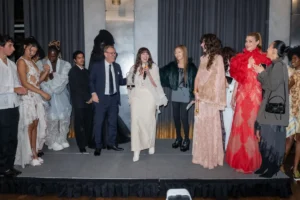
In a move that signals a renewed commitment to relevance, Brooks Brothers returned to the official New York Fashion Week (NYFW) calendar this season for the first time since 2018. The choice of venue was as deliberate as the clothes themselves. Eschewing the traditional, sterile runway halls of Midtown, the brand chose Radio Park at Rockefeller Center.
A "hidden gem" elevated high above the bustling streets of Manhattan, the park offered a lush, verdant backdrop of full-grown trees, manicured lawns, and vibrant floral arrangements—a stark, natural contrast to the industrial skyline. For a brand that has spent over two centuries defining the "American Look," the setting served as a metaphor: Brooks Brothers is a foundational part of the landscape, yet one that remains a well-kept secret to a new generation of urbanites.
A Chronology of Influence: From 1818 to the Present
To understand the weight of Bastian’s task, one must appreciate the magnitude of the archive. Founded in 1818, Brooks Brothers has been the silent architect of the American wardrobe.
- The Early Years (19th Century): Established by Henry Sands Brooks in Manhattan, the store became the go-to for the elite, eventually clothing nearly every U.S. president, including Abraham Lincoln, who was wearing a custom Brooks Brothers frock coat on the night of his assassination.
- The Innovation Era (1900s): The brand’s impact on menswear is seismic. In 1900, Brooks Brothers introduced the button-down collar shirt—inspired by the polo players of England—which became the cornerstone of the "Ivy League" aesthetic.
- The Mid-Century Shift: Throughout the 20th century, the brand solidified its reputation for the sack suit, seersucker, and madras, defining the uniform of the Wall Street professional and the collegiate scholar alike.
- The 21st Century Pivot: Following a period of ownership changes and the broader retail crisis of 2020, the appointment of Michael Bastian marked a turning point. Bastian, known for his eponymous, highly successful American sportswear line, was tasked with bridging the gap between the brand’s historic gravitas and the fluidity of modern style.
The Spring 2027 Collection: A Study in Modernized Heritage
The Spring 2027 collection presented at Radio Park was a masterclass in synthesis. Bastian focused on what he calls "wardrobe essentials," deconstructing the pieces that made Brooks Brothers famous and reassembling them through a contemporary lens.
The Riviera Influence
While the brand is the archetype of American tailoring, Bastian looked toward the European coast for the seasonal mood board. He drew inspiration from Monaco in the early 1980s—a time of effortless glamour and Riviera ease. This influence manifested in:
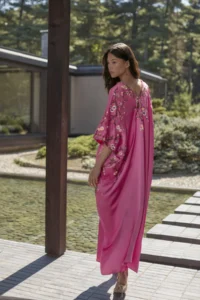
- Bold Color Blocking: Moving away from the muted, conservative palettes of the past, the collection utilized vibrant hues that played off against traditional navy and charcoal.
- Fabric Innovation: The iconic windbreaker, usually relegated to casual athletic wear, was reimagined using high-end dress shirt fabrics, creating a hybrid garment that sits comfortably between business and leisure.
- Texture Play: Raw silk blazers and V-neck sweaters with contrast striped sleeves signaled a departure from the rigid structure of the past, favoring a "relaxed elegance" that caters to a post-office-culture world.
The Desert Capsule
In a surprising shift, a secondary capsule drew aesthetic cues from the minimalist, earthy tones of the Amangiri resort in Utah. This segment of the show featured a palette of faded browns, desert sands, and ivories. The tailoring here was sharper, yet the construction remained inherently laid-back, proving that Brooks Brothers can occupy the space of "luxury leisure" just as effectively as it occupies the boardroom.
Supporting Data and Collaborative Ventures
A notable highlight of the presentation was the inclusion of a capsule collection by upcycling artist Jack Wooster. As the nephew of industry luminary Nick Wooster, Jack brought a disruptive, street-level energy to the runway. By replacing the iconic Golden Fleece logo—the brand’s famous sheep-in-a-ribbon emblem—with a whimsical barking dog illustration, the collaboration served as a bridge between high-fashion prestige and modern, irreverent street style.
This focus on customization and upcycling aligns with broader industry data, which suggests that Gen Z and Millennial consumers are increasingly prioritizing "individualized" heritage items over mass-produced luxury. By allowing for a touch of wit and artistic intervention, Brooks Brothers is positioning its classics as canvases for personal expression rather than rigid uniforms.
Official Responses: The Philosophy of Bastian
In his post-show remarks, Michael Bastian addressed the fundamental challenge of refreshing a brand with such a long shadow.
"To me, the real beauty of this collection is how simple, classic pieces can come together in unexpected ways," Bastian explained. "Of course, you can reference the strong color blocking, the layering, and the general ’80s vibe, but the real magic ingredient to any Brooks Brothers collection is always going to be how you use these perfect classic items to create your own personal style. This is what makes ‘classic’ feel modern and new again."
Bastian’s philosophy is clear: the brand should not be a museum of its own history, but rather a toolbox for the modern individual. By emphasizing styling over strict adherence to traditional dress codes, he is inviting the customer to participate in the evolution of the brand.
Implications for the Future of American Fashion
The return to the NYFW calendar is more than a PR move; it is a declaration of intent. For decades, American heritage brands have struggled to remain relevant in a market dominated by "fast fashion" and streetwear hype. Brooks Brothers’ strategy—to lean into its history while subverting it with modern color, texture, and cultural collaboration—offers a blueprint for other legacy brands.
The "Quiet Re-entry"
The implications of this shift are twofold. First, it validates the "Classic" aesthetic as a sustainable alternative to the rapid churn of seasonal trends. By proving that a 1900s button-down can be styled to look "new," the brand taps into the growing consumer demand for longevity and quality.
Second, the brand’s ability to successfully host a show in a space as nuanced as Radio Park suggests a shift in marketing strategy. Brooks Brothers is moving away from the mass-market retail approach and toward an experiential, boutique-focused narrative.
Challenges Ahead
Despite the success of the presentation, the brand faces the perennial challenge of price accessibility versus brand prestige. As it attempts to reach a younger, fashion-forward demographic, it must balance the heritage price point with the need to remain competitive in a saturated market. Furthermore, maintaining the delicate balance between "revered tradition" and "necessary disruption" will require constant vigilance from the design team.
Conclusion
As the sun set over the trees of Radio Park, the message was unmistakable: Brooks Brothers is not a relic of the past, but a living, breathing participant in the future of style. By revisiting the Oxford shirt, the sack suit, and the critter embroidery, and then pushing them through the filter of 1980s Monaco and the Utah desert, Michael Bastian has successfully recalibrated the brand’s trajectory.
The task of getting "back in the conversation" is long and complex, but with a firm footing in its own history and an open eye toward the modern aesthetic, Brooks Brothers is proving that true classics never really go out of style—they simply wait for the right moment to be rediscovered.