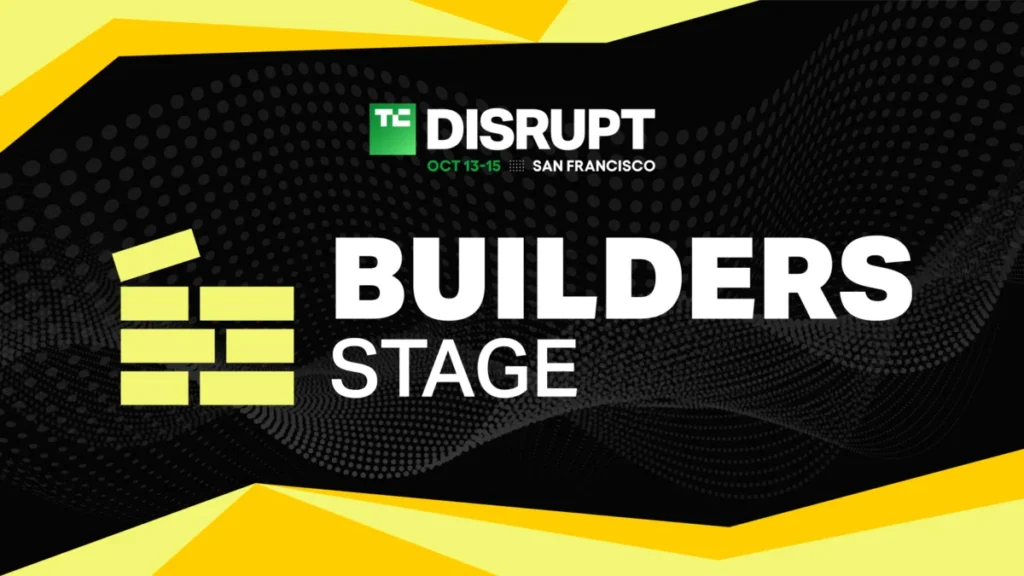
The startup ecosystem is at an inflection point. As the rapid evolution of artificial intelligence reshapes the competitive landscape, the fundamental requirements for building, scaling, and sustaining a high-growth company have undergone a seismic shift. In response to this new reality, TechCrunch Disrupt 2026 is bringing back the highly anticipated Builders Stage—a dedicated hub designed to cut through the noise of market hype and provide founders with the tactical, no-nonsense expertise required to thrive in a volatile economy.
Scheduled for October 13-15 at the iconic Moscone Center in San Francisco, this year’s Builders Stage will serve as a lighthouse for more than 10,000 attendees, including early-stage founders, veteran venture capitalists, and seasoned operators. With a curriculum spanning from pre-seed fundraising to the complexities of multi-product growth, the stage is set to be the intellectual centerpiece of the conference.
The Main Facts: Why the Builders Stage Matters
The core mission of the Builders Stage is to bridge the gap between "the garage phase" and "the enterprise era." While many conferences focus on broad industry trends, the Builders Stage is ruthlessly focused on the granular mechanics of execution.
Key themes for the 2026 edition include:
- AI Pragmatism: Moving beyond the "AI-first" buzzword to discuss actual business sustainability.
- Capital Efficiency: Redefining "fundability" in a 2027-forward funding environment.
- Operational Resilience: Managing the mental and structural toll of high-growth leadership.
- Product Evolution: Navigating the "Second Act" dilemma where one hit product must evolve into a multi-product engine.
This year’s lineup features industry heavyweights such as Grant Lee (Gamma), Leah Solivan (Precedent.vc), and Robby Stein (Google), all of whom are committed to sharing the "how-to" rather than the "what-if."
Chronology: A Roadmap for the Modern Founder
The agenda is intentionally curated to follow the life cycle of a startup, ensuring that whether a founder is at the "zero-to-one" stage or the "scaling-to-billions" phase, there is a clear path forward.
Phase 1: The Foundation (Pre-Seed & Early Traction)
The event kicks off with a focus on the most difficult hurdles: building without a product and acquiring the first 1,000 customers. In the session “Winning Pre-Seed Without a Product,” managing partners from True Ventures, Slauson and Co, and Axiom Partners will demystify how founders can secure capital based on conviction and founder-market fit alone.

This is followed by the “Zero-to-1K Playbook,” where leaders from Gamma and Precedent.vc will break down the mechanics of founder-led distribution. In an era where traditional marketing budgets are often nonexistent for early-stage teams, this session serves as a masterclass in community building and guerrilla growth strategies.
Phase 2: The AI Pivot and Defensive Strategy
As the agenda progresses, the conversation turns toward the "elephant in the room": the encroaching influence of AI giants. In a high-stakes panel titled “What Happens When OpenAI Ships Your Roadmap,” CEOs from Airbyte and Webflow will address the existential dread many founders feel regarding platform risk. The panel aims to provide actionable strategies on how to maintain defensibility when the giants of the industry enter your vertical.
Complementing this is “The Real Tokenmaxxing,” a deep dive into the multi-model world. Rather than betting on a single LLM, leading operators will discuss how to architect products that remain agile as the underlying technology shifts beneath them.
Phase 3: Scaling, Culture, and the "Second Act"
The final stage of the event focuses on long-term sustainability. The session “So You’ve Got a Hit Product. How Does Your Company Do It Again?” explores the transition from a single-product company to a multi-product engine. This is arguably the most critical juncture for any unicorn-in-waiting, and speakers from Verkada and NEA will detail the capital allocation strategies necessary to sustain growth before the core product reaches market saturation.
Supporting Data: The New Baseline for Success
The 2026 data landscape suggests a radical shift in investor expectations. According to insights provided by the session “The 90-Day GTM: Why $0–$10M ARR Is the New Baseline,” the timelines for reaching scale have compressed significantly. Where companies once had years to iterate, the new standard demands aggressive revenue milestones in a fraction of the time.
Furthermore, the "AI Talent War" remains a primary driver of operational costs. Data points from sessions involving Redpoint Ventures and Wylder.co indicate that founders are being forced to rethink their entire human infrastructure. The competition for AI talent has not only inflated compensation packages but has also forced a re-evaluation of what work should be delegated to AI agents versus human teams.
Official Responses: The Philosophy of the Builders Stage
"The goal of this stage is simple: to stop the glorification of failure and replace it with the architecture of success," says a spokesperson for TechCrunch. "Founders are facing a unique set of challenges today. They are being asked to build more, faster, and with less capital than their predecessors. Our speakers aren’t here to give keynote speeches; they are here to hold workshops on reality."

The inclusion of mental health and founder well-being, specifically in the session “Yes, It’s Hard to Be a Founder,” signals a shift in the tech industry’s response to burnout. By bringing in experts from Harvard Medical School and high-growth veterans, the organizers are acknowledging that the "hustle culture" of the past is being replaced by a model that prioritizes longevity and psychological durability.
Implications for the Future of Tech
The implications of the 2026 Builders Stage agenda are clear: the next generation of breakout companies will be defined by their ability to execute with precision rather than just innovation.
- M&A as a Strategy: The shift in the M&A landscape means that "building to sell" is no longer a dirty word. Founders are learning to integrate acquisition strategy into their product roadmap from Day One.
- The Rise of the Hybrid Team: The definition of an "early-stage team" is being rewritten. As AI takes over engineering and operational roles, founders who master the art of the "hybrid team"—human strategy combined with AI-agent execution—will gain a distinct competitive advantage.
- Fundability in 2027: The insights shared regarding the "Series A in 2027" will likely set the bar for the next two years of venture capital deployment. Founders who align their metrics with these upcoming expectations will be the ones who successfully navigate the "Series A Crunch."
Conclusion: Securing Your Future at Disrupt
TechCrunch Disrupt 2026 is not merely a conference; it is a collaborative laboratory for the next wave of industry leaders. With the Builders Stage agenda fully unveiled, the path for founders is clearer than ever: focus on revenue quality, maintain mental agility, and treat your operational strategy with as much importance as your product code.
As ticket prices are set to increase, early registration is encouraged for those who intend to participate in the live Q&A sessions. By engaging directly with the investors and operators on the Builders Stage, attendees will move beyond the superficial trends of the day and gain the tactical foundation needed to build something that lasts.
Secure your pass to TechCrunch Disrupt 2026 today and join the thousands of builders who are defining the next decade of technology.
Disclaimer: This article contains affiliate links. When you purchase through links in our articles, we may earn a small commission. This does not affect our editorial independence.