As the global art calendar enters its high-octane autumn season, the eyes of the international art world are once again fixed on London’s Regent’s Park. Despite a decade defined by the seismic shifts of Brexit, a paralyzing global pandemic, and a revolving door of political leadership, the United Kingdom has maintained its formidable position as the world’s second-largest art market by value. According to the 2026 Art Basel and UBS Global Art Market Report, the UK trails only the United States, proving that London’s cultural infrastructure remains an immovable pillar of the trade.
The return of Frieze London and Frieze Masters marks a pivotal moment for the industry. This year, the fairs boast an expanded footprint, hosting 176 galleries from 43 countries—a notable increase from the 160 galleries representing 44 nations in 2025. In an era where "fair fatigue" is a common industry complaint and competition from the burgeoning Art Basel Paris is fiercer than ever, Frieze continues to evolve.
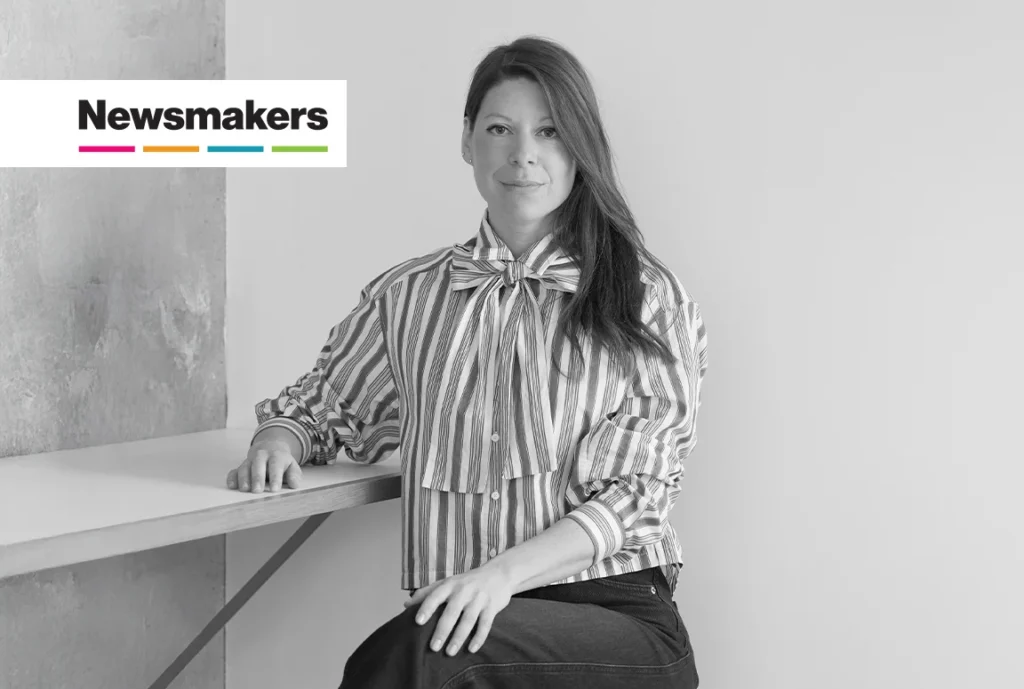
At the center of this evolution is Kristell Chadé, Frieze’s Executive Director of Fairs. A veteran of the organization for 15 years, Chadé now oversees a portfolio of eight fairs spanning from Seoul to Los Angeles. In a recent interview for ARTnews’ "Newsmakers" series, Chadé discussed the fair’s strategic expansion, the health of the mid-market gallery, and the complexities of launching a major fair in Abu Dhabi amidst regional instability.

Chronology: From a London Tent to a Global Empire
The trajectory of Frieze is a testament to the professionalization and globalization of the art market over the last two decades. Founded in 2003 by Amanda Sharp and Matthew Slotover, Frieze London began as a contemporary-focused alternative to the more traditional fairs of the time. Its white-tented home in Regent’s Park quickly became a symbol of "Cool Britannia" and a catalyst for London’s rise as a contemporary art hub.
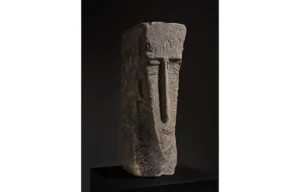
In 2012, the organization expanded its remit with the launch of Frieze Masters, a fair dedicated to historical art—ranging from ancient artifacts to 20th-century masterpieces—presented through a contemporary lens. That same year, Frieze New York was established, marking the brand’s first international foray.
The last five years have seen an even more aggressive expansion. The launch of Frieze Los Angeles in 2019 tapped into the burgeoning West Coast collector base, while Frieze Seoul (launched in 2022) signaled a major commitment to the Asian market. The recent acquisition of The Armory Show in New York and Expo Chicago, followed by the upcoming rebranding of the Abu Dhabi Art Fair as Frieze Abu Dhabi, underscores the organization’s ambition to be the dominant global platform for the trade.
Supporting Data: Market Strength and Geographical Shifts
The data surrounding this year’s London edition suggests a market that is consolidating rather than retreating. The increase to 176 galleries reflects a sustained demand for high-visibility platforms. While some collectors and dealers have expressed concerns about the "Paris effect"—whereby Art Basel’s presence in the French capital has drawn focus away from London—Chadé views the two cities as "different and complementary offers."

One of the most significant data points in this year’s fair is the surge in South Asian representation. For the first time, Frieze London welcomes a Sri Lankan participant, Saskia Fernando Gallery. This follows a five-year strategic push by Frieze to deepen its roots in the region, including the Breeze Curator Travel Grant, which has facilitated travel for curators from Brazil and South Asia.
Furthermore, the fair is seeing a diversification of its collector base. Attendance forecasts indicate an uptick in visitors from India, Pakistan, Singapore, Indonesia, Turkey, and Canada. Despite the economic cooling in some sectors, the fair continues to attract a strong contingent of American collectors, who remain the primary drivers of the top-tier market.
Official Responses: Navigating Economic and Political Headwinds
In her dialogue with ARTnews, Kristell Chadé addressed the "wrinkle" in the schedule: the looming shadow of Art Basel Paris. "The autumn season clearly revolves around two well-established centers of gravity, London and Paris," Chadé noted. She emphasized that London’s richness—its art schools, world-class museums, and thriving nonprofit scene—provides a "diversity of ecosystem" that Paris is still working to match.
However, the prestige of the fair does not insulate it from the economic pressures facing smaller dealers. Chadé acknowledged that the rising cost of participation is a significant hurdle. In response, Frieze has implemented a sliding-scale pricing model. "In 2024, we introduced a sliding-scale pricing model to help galleries make the move from Focus (the section for younger galleries) into the main section of the fair," Chadé explained. This initiative is designed to prevent "mid-market squeeze," where galleries are priced out of the very platforms they need to grow.

Perhaps the most sensitive topic is the upcoming Frieze Abu Dhabi. Launching a fair in the Middle East during a period of intense political turmoil requires a delicate touch. Chadé insists that the project is rooted in long-term cultural investment rather than opportunistic expansion. "Abu Dhabi has built a very ambitious ecosystem on Saadiyat Island… it includes world-class museums such as Louvre Abu Dhabi, the Zayed National Museum, and the Guggenheim Abu Dhabi opening in December," she said. She confirmed that while communication with galleries has been "transparent" regarding the political context, the fair remains full, with no major dropouts reported.
The "Queering Modernism" Initiative and Curatorial Ambition
Frieze has long attempted to balance its commercial imperatives with curatorial rigor. This year, the fair is leaning into social discourse with its "Queering Modernism" thread. In a political climate where LGBTQ+ rights are often a flashpoint, the decision to center this theme is a bold one.
Chadé views this not as a political statement, but as a reflection of the fair’s role as a platform for global discourse. "History is being told, reexamined, expanded, and rewritten," she said. By putting emerging artists in conversation with established practices, Frieze seeks to move beyond the "linear story" of art history, offering a more fragmented and inclusive narrative.
This curatorial focus extends to Frieze Masters, where Marika Sardar is curating a section exploring cultural exchanges across the Indian Ocean. These initiatives are designed to give the fair a "scholarly legitimacy" that distinguishes it from purely transactional trade shows.

Implications: The Future of the Art Fair Model
The evolution of Frieze London and Masters offers several implications for the broader art world:
- The End of the "Uniform" Fair: Chadé’s strategy suggests that the era of the "cookie-cutter" global fair is over. By tailoring each fair to its host city—New York as the commercial epicenter, LA for civic engagement, Seoul for tradition-meets-tech—Frieze is attempting to avoid brand dilution.
- Support for the Next Generation: The introduction of sliding-scale pricing and acquisition funds (like the Tate Fund and the Dasha Shenkman Focus Fund) indicates a growing realization that fairs must actively support the "feeder" system of younger galleries and museums to ensure long-term market health.
- The Pivot to the "Global South": The increased presence of South Asian and Brazilian galleries reflects a permanent shift in the art market’s geography. As Western markets saturate, the growth of collectors in India, Southeast Asia, and the Gulf will become the primary focus for global fair organizers.
- Resilience Through Ecosystem: London’s ability to hold its number two spot despite Brexit suggests that a city’s art market strength is tied more to its "creative talent and infrastructure" (schools, studios, and nonprofits) than to simple trade agreements.
As Kristell Chadé enters her 16th year with the organization, her role has shifted from gallery relations to steward of a global brand. Her challenge remains the same: ensuring that the white tents in Regent’s Park—and the many other tents Frieze now pitches around the world—remain spaces of genuine discovery in an increasingly commodified world.
"Global does not by any means mean uniform," Chadé concluded. As Frieze London opens its doors this Wednesday, the fair will once again test whether its unique blend of trailblazing energy and commercial might can navigate the complex, often "unsettling" currents of the 2026 landscape. For now, with a full roster of galleries and a high-spirited mindset, the "Frieze effect" shows no signs of waning.