

Beyond the captivating colours, transparency, and dazzling brilliance of faceted gemstones lies a world of meticulous craftsmanship. It is the art of cutting and faceting that transforms rough crystals into the mesmerizing jewels we admire. Gem-A Gemmology Tutor Pat Daly sheds light on this intricate process, offering an insightful exploration into diamond cut and shape, delving into faceting techniques, the crucial role of symmetry, quality factors, and the universally recognized 4Cs. The "fashioning" of a gemstone, encompassing its cut style, shape, and the precision of its execution, profoundly influences its visual appeal.
The Genesis of Gemstone Fashioning: From Carvings to Brilliance
The journey of a gemstone from its raw form to a polished gem involves a diverse array of techniques. While carvings and beads represent ancient forms of gemstone alteration, it is faceting that unlocks the full potential of a stone’s optical properties. Broadly, faceting styles can be categorized into three main approaches:
-
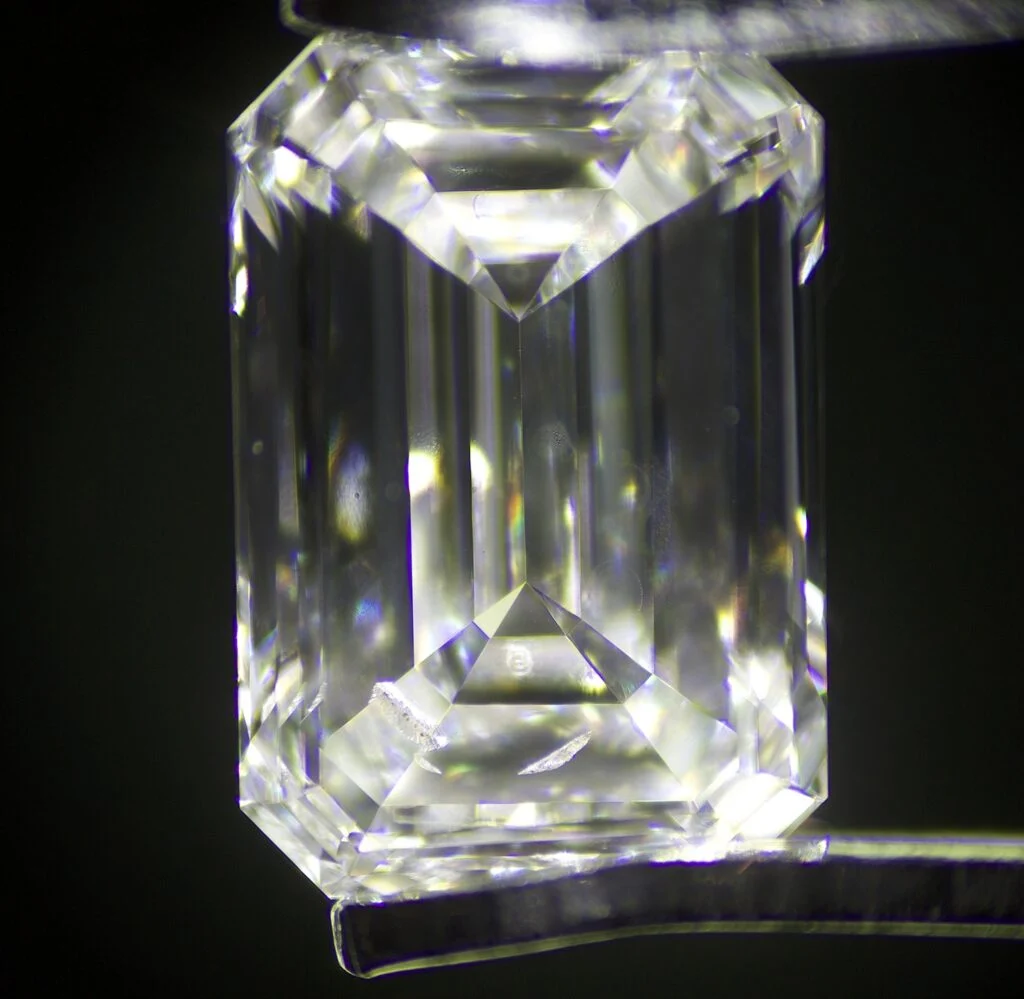
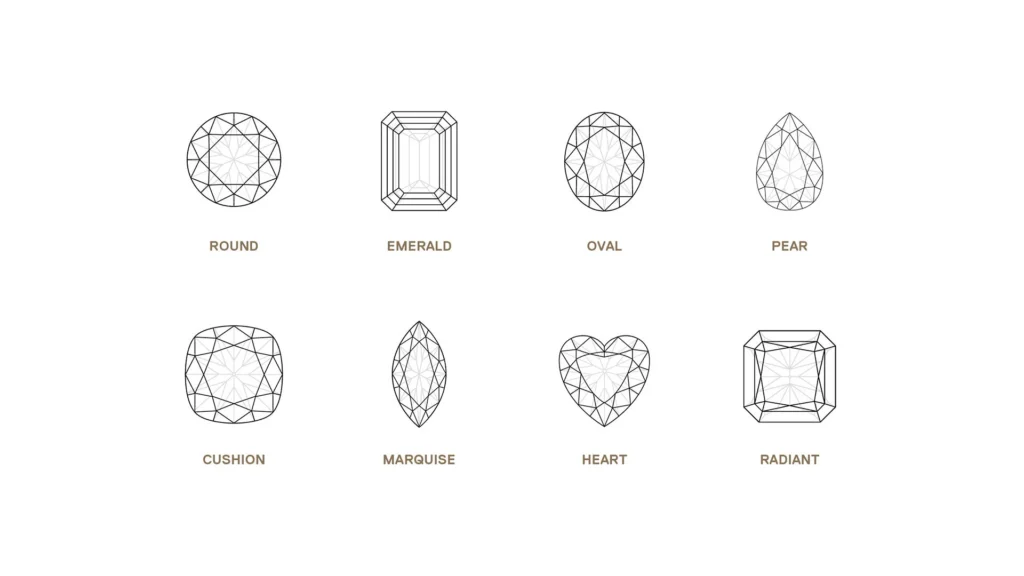
Step Cuts: Characterized by long, parallel facets, step cuts, like the iconic emerald cut, create clean lines and geometric planes. These cuts are particularly adept at showcasing a gemstone’s clarity and color, allowing light to travel through the stone in a more controlled manner. The rectangular facets of an emerald cut, for instance, offer a sophisticated and elegant display, often favored for diamonds and colored stones alike.
-
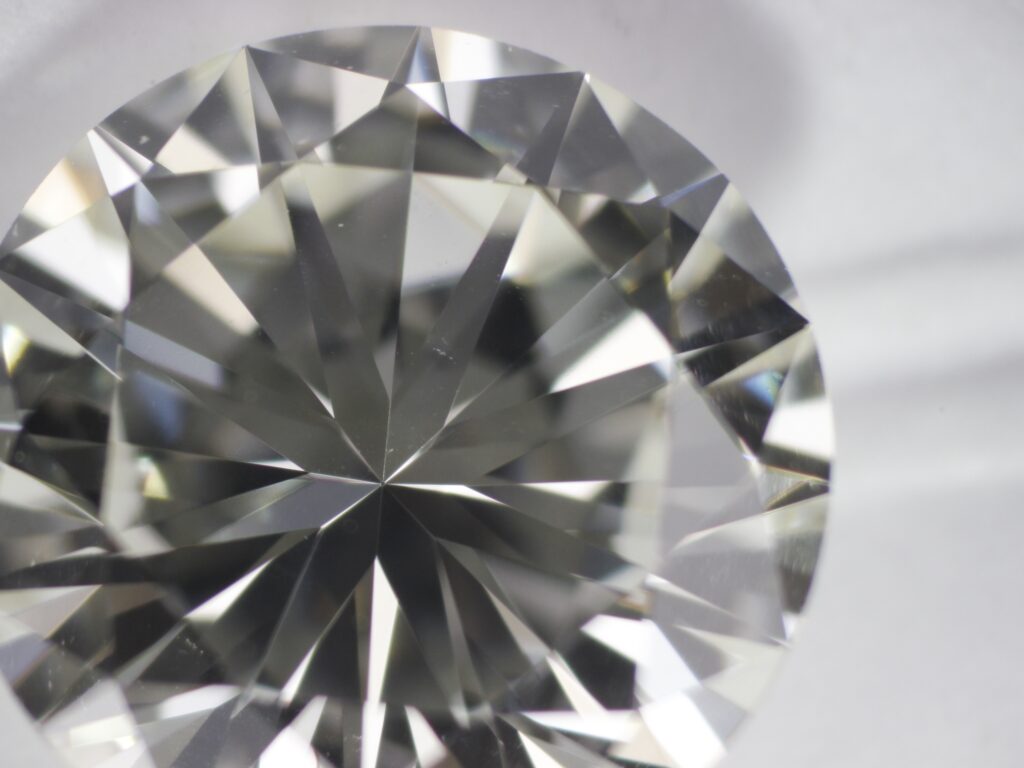
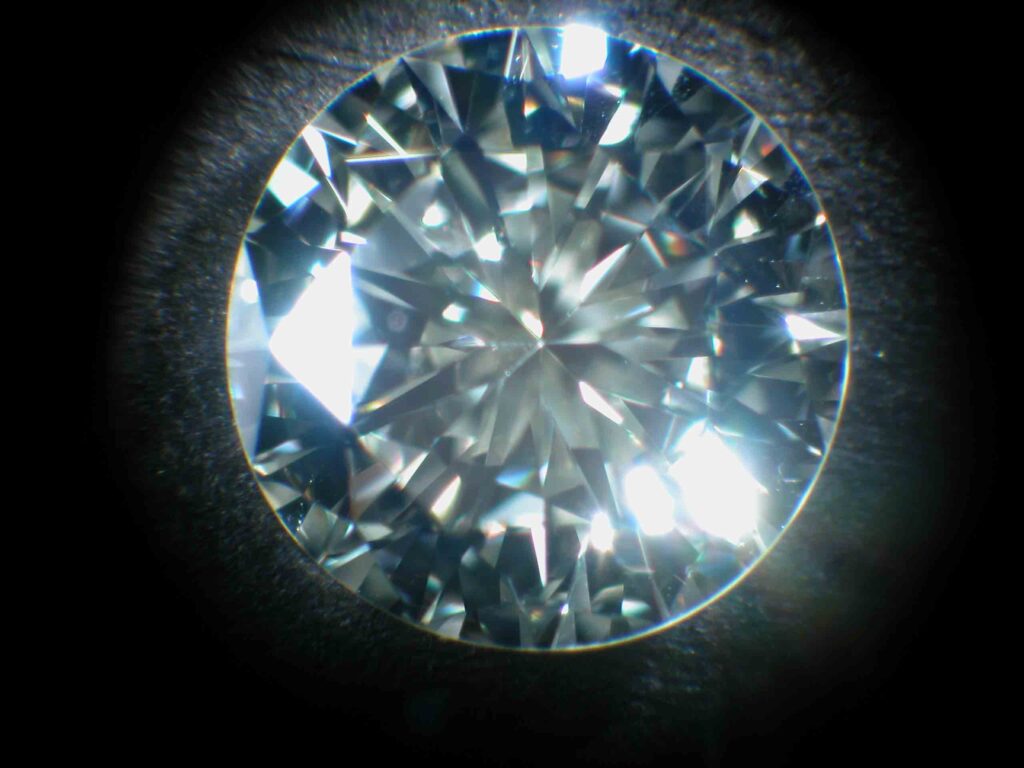
Brilliant Cuts: The hallmark of a brilliant cut lies in its abundance of triangular and kite-shaped facets. This complex arrangement is meticulously designed to maximize the stone’s brilliance, fire, and scintillation – the play of light that creates its characteristic sparkle. The round brilliant cut, the most prevalent diamond cut, is a testament to the power of this style, designed to reflect and refract light with unparalleled efficiency.
-
Mixed Cuts: As the name suggests, mixed cuts ingeniously combine elements of both step and brilliant cuts. This approach allows cutters to leverage the strengths of different faceting styles, often to enhance specific qualities of a particular gemstone. For example, a mixed cut might incorporate the geometric precision of step facets on the crown with the light-dispersing properties of brilliant facets on the pavilion.
While these faceting styles are applicable to a wide spectrum of colored gemstones, diamonds predominantly showcase step-cut and brilliant-cut forms, or sophisticated variations thereof. The inherent hardness and optical properties of diamond lend themselves exceptionally well to these cutting approaches, allowing for the creation of stones that radiate with unmatched fire and brilliance.
The Spectrum of Shapes: More Than Just Roundness
Beyond the fundamental cutting styles, the shape of a gemstone is another crucial aspect of its fashioning, significantly impacting its aesthetic appeal and how light interacts with its surfaces.
-
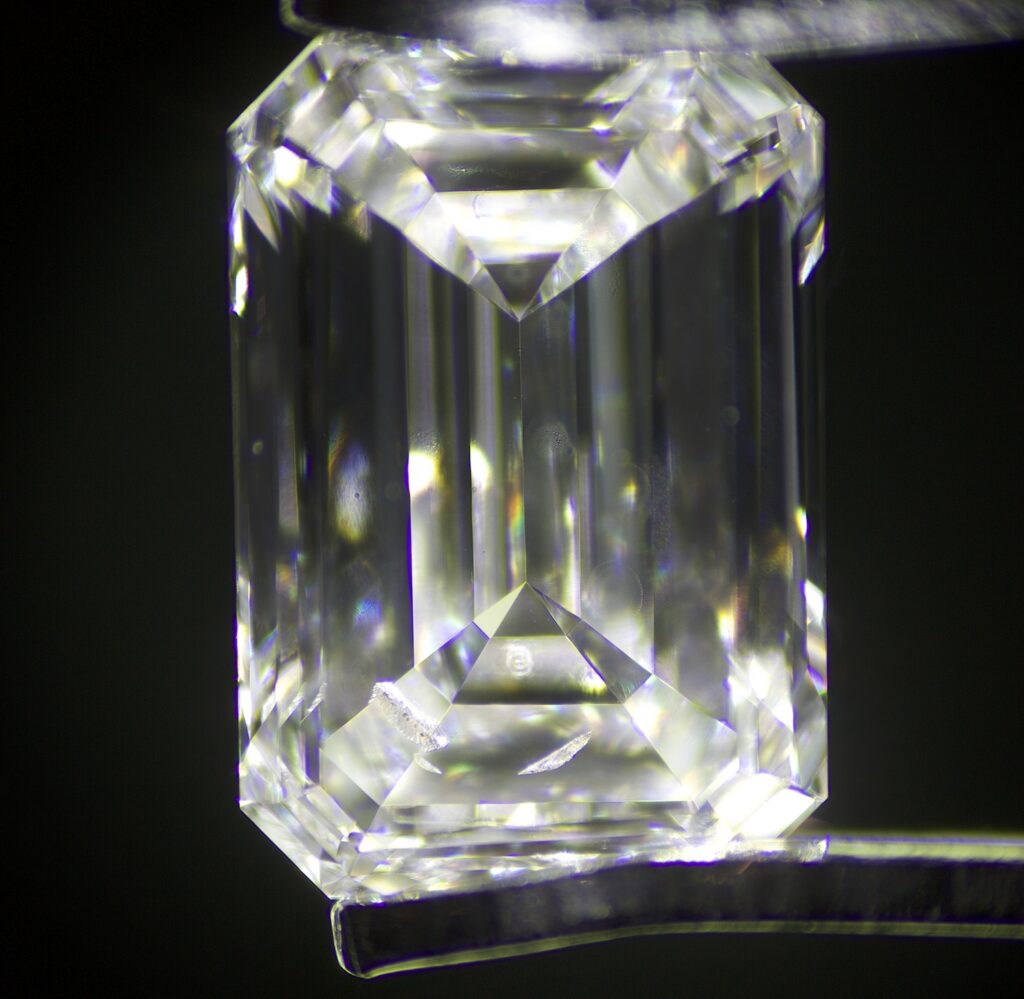
Step Cuts and Their Angular Elegance: Step-cut stones often feature angular outlines, manifesting in shapes such as squares, oblongs, or kites. These can be further refined with truncated corners, creating variations like the emerald cut or the aforementioned princess cut. While these angular shapes are frequently employed for diamonds, step-cut colored stones can also be found in round, oval, or other more organic forms, demonstrating the versatility of this cutting style. The emerald cut, with its clean lines and broad planes, offers a unique way to appreciate the internal beauty and subtle color nuances of a gemstone.
-
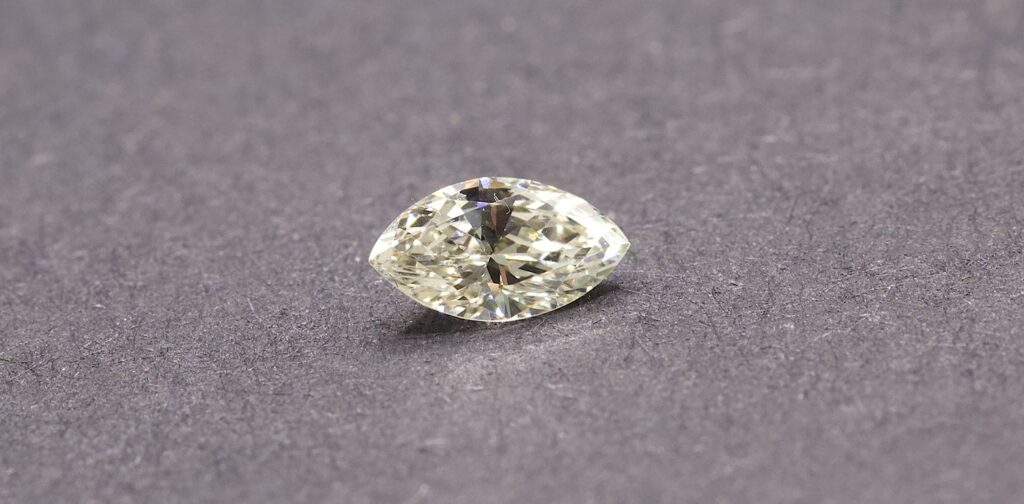
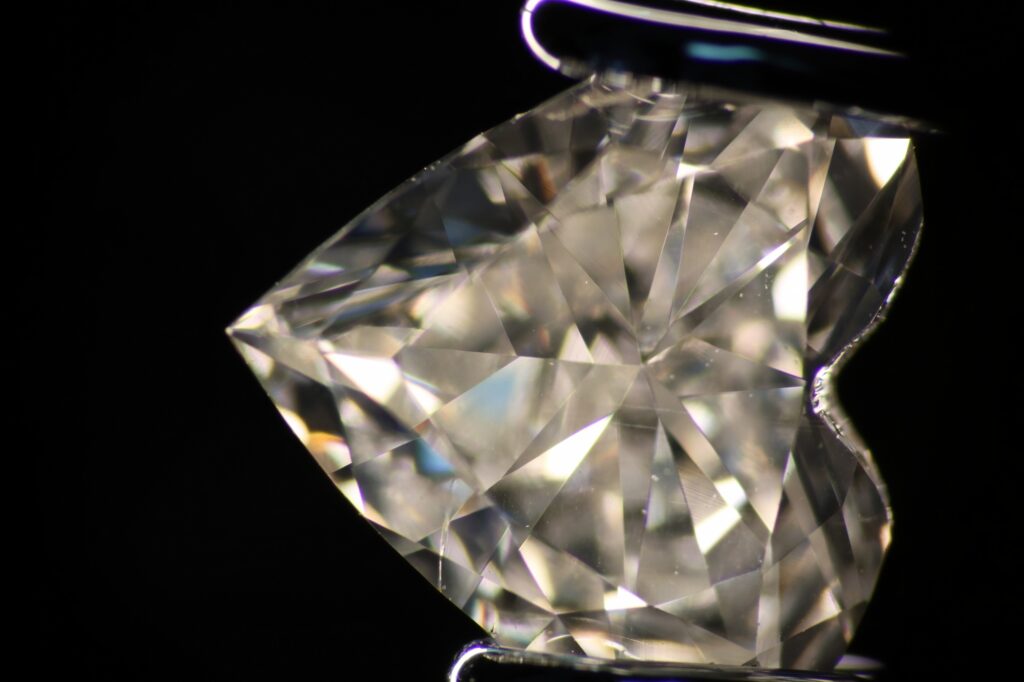
The Allure of the Brilliant Cut: Typically associated with a round girdle, the brilliant cut can be ingeniously modified to accommodate a diverse range of outlines. Oval, pear-shaped, cushion-shaped, marquise (pointed at both ends), and heart-shaped diamonds are all popular variations of the brilliant cut. While the fundamental facet arrangement remains consistent with the round brilliant, the shapes of these facets are artfully distorted to conform to the stone’s unique outline. These modified brilliant cuts are often referred to by their shape, such as an "oval cut" or simply an "oval diamond," highlighting the interplay between cutting style and form.
The pointed ends of pear and marquise-shaped diamonds, for instance, are often strategically modified. A kite facet might be replaced by two triangular facets to enhance durability, making these delicate points less vulnerable to damage during wear. This thoughtful design consideration underscores the practical as well as aesthetic considerations that go into diamond cutting.
The Mechanics of Brilliance: A Deeper Dive into Faceting
The term "brilliant cut" itself implies a dedication to maximizing the stone’s sparkle. The standard round brilliant cut, a marvel of gemological engineering, typically boasts 58 facets if a culet (a small facet at the pavilion’s apex) is present, and 57 if absent. While this number remains a benchmark, individual cutting firms often introduce proprietary modifications, some of which gain widespread recognition.
A relatively recent yet highly popular innovation is the princess cut. Emerging in the 1960s, this square-cut diamond has captivated consumers with its dazzling brilliance, often rivaling that of the round brilliant. Characterized by an eight-sided table facet and a captivating interplay of triangular, kite, and strip-like facets, the princess cut is specifically engineered to enhance the sparkle of square to oblong stones. It is sometimes referred to as a "square brilliant" due to its faceted brilliance.
A Historical Perspective: The Evolution of Diamond Faceting
The art of diamond faceting boasts a rich and fascinating history, with its origins tracing back to ancient times. It is believed that the earliest forms of diamond faceting involved simply polishing existing crystal faces, perhaps by replacing a corner of an octahedral crystal with a flat table facet. As diamond manufacturing techniques evolved, so too did the understanding of how to manipulate light.
The addition of more facets was a natural progression, aimed at increasing both the brilliance (the return of white light) and the sparkle (the dynamic flashes of light as the stone is moved) of diamonds. Early cutters began to round the corners of crystals, leading to the development of the cushion shape, a precursor to many modern cuts. The late 19th century marked a significant technological advancement with the development of machinery capable of creating perfectly round diamond girdles, a critical step in the evolution of the modern round brilliant cut.
The early 20th century witnessed a scientific breakthrough with the work of Marcel Tolkowsky. A member of a renowned family of diamond cutters and an engineer by training, Tolkowsky applied mathematical principles to calculate the ideal angles and proportions for a diamond to achieve maximum fire and brilliance. His seminal work laid the foundation for the design of the modern round brilliant cut, and while refinements have been made over the years, his calculations remain the cornerstone of this beloved diamond style. The round brilliant cut’s enduring popularity is a testament to the perfect equilibrium it achieves between brilliance, fire, and scintillation.
The Pillars of Cutting Quality: Beyond the Sparkle
The true quality of a faceted gemstone, particularly a diamond, transcends mere visual appeal. It is determined by a complex interplay of factors that dictate how light interacts with the stone, ultimately defining its beauty and value.
-
Proportions: The Key to Light Performance: The proportions of a diamond are paramount in determining how much light enters the stone and how effectively it is reflected back to the observer. Ideally, a well-proportioned diamond will return the maximum amount of light through its crown facets, creating a dazzling display of brilliance. This involves a delicate balance of the crown height, pavilion depth, and table size.
-
Fire and Brilliance: A Balancing Act: The captivating play of color, known as fire, is achieved when white light is split into its spectral components as it passes through the non-parallel facets of a diamond. While a high crown and a smaller table facet can enhance fire by increasing the likelihood of light dispersion, maximizing brilliance requires the efficient reflection of white light. It is impossible to achieve the absolute maximum of both fire and brilliance simultaneously; therefore, a skilled cutter must strike a harmonious balance, optimizing both qualities to create a stone of exceptional beauty.
-
Symmetry: The Foundation of Aesthetics: Symmetry refers to the geometric perfection of a gemstone’s outline and the precise alignment of its facets. A symmetrical stone not only possesses a pleasing visual appeal but also contributes to its light performance. The outline of the girdle, whether round, square, or another shape, should approach geometric ideal, with facets meeting at precise points. Weight conservation is a critical consideration in diamond cutting; cutters often make slight adjustments to achieve optimal symmetry and proportions, even if these subtle deviations are not readily apparent to the naked eye. The correct distribution and relative sizing of facets are crucial for achieving this balance.
-
Polish: The Finishing Touch: The polish of a gemstone refers to the smoothness and clarity of its facet surfaces. A well-polished stone reflects light cleanly, contributing to its overall brilliance and sparkle. Imperfections in polish, such as facet doubling or burn marks, can detract from the stone’s beauty by scattering light and reducing its luster.
The 4Cs: Cut as a Cornerstone of Diamond Quality
In the realm of diamonds, the cut is recognized as one of the four fundamental "Cs" that determine a diamond’s quality, alongside color, clarity, and carat weight. For brilliant-cut stones, laboratories often provide cut grades, categorizing diamonds based on objective measurements of their proportions, symmetry, and polish. These grades are crucial because they directly influence how light interacts with the diamond, impacting its brilliance, fire, and scintillation.
The gemological industry is continually striving to refine the assessment of cut quality. Beyond purely technical measurements, there is a growing effort to incorporate the subjective perceptions of observers into the evaluation process. By combining experimental data with theoretical understanding and human perception, gemologists aim to achieve a more comprehensive and accurate assessment of a fashioned diamond’s true merit. As cutting technology advances, so too does the art and science of diamond cutting, promising even more dazzling and beautifully crafted gemstones in the future.
The Enduring Legacy of Diamond Craftsmanship
The journey from a rough diamond crystal to a breathtaking jewel is a testament to human ingenuity, artistic vision, and scientific precision. The intricate dance of facets, angles, and proportions, meticulously crafted by skilled hands, transforms a humble mineral into an object of enduring beauty and fascination. As technology and our understanding of light’s behavior continue to evolve, the art of diamond cutting will undoubtedly continue to push the boundaries of what is possible, ensuring that the sparkle and allure of these precious stones remain a source of wonder for generations to come.
Main Image: A round brilliant-cut diamond, photographed by Henry Mesa.
If you are interested in delving deeper into the fascinating world of Gemmology, consider exploring Gem-A’s introductory online course, GemIntro, or discover our comprehensive range of accredited educational programmes at gem-a.com/education/.



