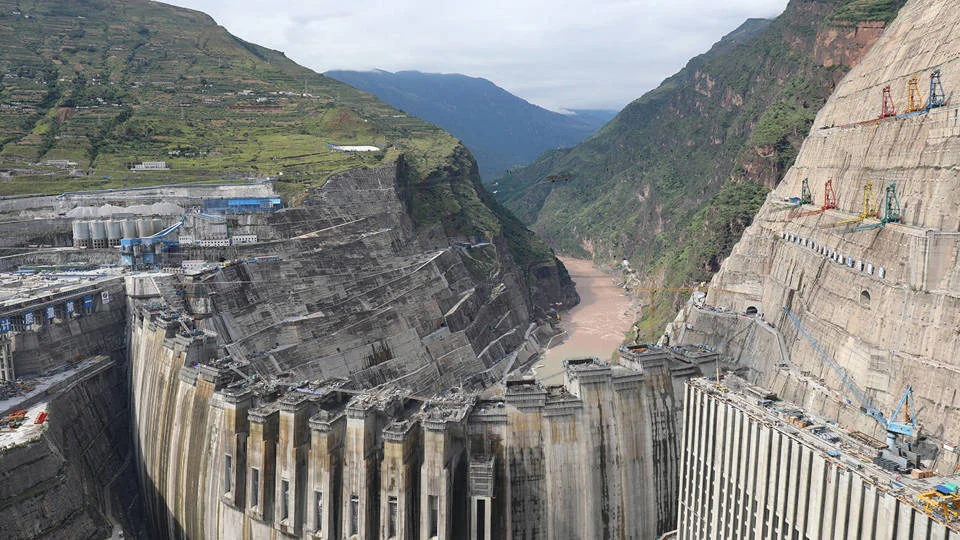
In the remote, high-altitude reaches of Tibet, China is currently undertaking what Beijing calls the "project of the century." At the Great Bend of the Yarlung Tsangpo—known downstream as the Brahmaputra—construction is underway on a hydroelectric super-dam that will dwarf the Three Gorges project, currently the world’s largest. While the Chinese state portrays this as a triumph of engineering and a critical pillar of its green energy transition, a growing chorus of internal scientific warnings suggests a far more perilous reality: the dam is being built atop a ticking geological time bomb.
The stakes could not be higher. The Brahmaputra serves as the lifeblood for nearly two billion people across the Tibetan Plateau, northeastern India, and the deltaic plains of Bangladesh. As the dam rises, the international community is beginning to realize that this project is not merely an infrastructure endeavor; it is an ecological and geopolitical gamble that threatens the stability of the entire region.
The Geopolitical and Geological Landscape
The construction site is situated in one of the world’s most seismically volatile zones. The Himalayas were birthed by the slow-motion collision of the Indian and Eurasian tectonic plates, a process that continues to trigger massive tremors. By anchoring the world’s largest dam in this specific "Great Bend" region, China is placing its faith in structural engineering to withstand the immense, unpredictable forces of a shifting crust.
This region is already a zone of intense friction. The dam sits just kilometers from the heavily militarized border between China and India, turning a environmental issue into a strategic flashpoint. For India, the dam represents a dual threat: the potential for catastrophic, sudden flooding of its northeastern states and the strategic vulnerability of having its water supply controlled by a rival power.
Chronology: From Ambition to Alarm
The trajectory of the Yarlung Tsangpo project reflects a shift from quiet planning to global scrutiny:
- 2020–2021: China formally includes the "downstream development of the Yarlung Tsangpo" in its 14th Five-Year Plan. Reports of a massive, multi-tiered dam project surface, drawing immediate ire from New Delhi and Dhaka.
- 2023: Evidence of accelerated infrastructure development, including roads and tunnels, becomes visible in satellite imagery, suggesting that the "project of the century" is entering a high-intensity construction phase.
- 2025: A significant shift occurs as scientific dissent begins to emerge from within China’s own borders. A research paper published in the state-linked journal Sedimentary Geology and Tethyan Geology publicly identifies "serious geological hazards" at the site.
- Late 2025–Present: Following the devastating 2025 Myanmar earthquake, which sent shockwaves through the region and triggered structural failures as far away as Bangkok, regional anxiety regarding the Himalayan seismic belt reaches an all-time high.
Supporting Data: The Science of Seismicity
The most damning evidence against the project comes from Chinese geologists themselves. In their recent academic analysis, experts noted that the terrain at the dam site suffers from "loose structure and weak cohesion." This assessment is not merely a theoretical critique; it is a warning that the slopes surrounding the reservoir are prone to large-scale instability.
The Phenomenon of Reservoir-Induced Seismicity (RIS)
The danger is not limited to natural tectonic activity. The construction of a gargantuan reservoir creates its own seismic risks. Known as Reservoir-Induced Seismicity (RIS), this phenomenon occurs when the immense weight of stored water increases pore pressure within the underlying rock, effectively "lubricating" faults and potentially triggering earthquakes that might have otherwise remained dormant.
The 2008 Wenchuan earthquake in China’s Sichuan province remains a haunting precedent. While the causal link is still debated, many international researchers and some Chinese scientists have pointed to the nearby Zipingpu Dam as a potential catalyst that advanced the quake’s timeline. To build a significantly larger dam in a more tectonically active region like the Himalayas suggests that the lessons of 2008 have been disregarded in favor of geopolitical and energy-sector imperatives.
The Downstream Humanitarian and Ecological Stakes
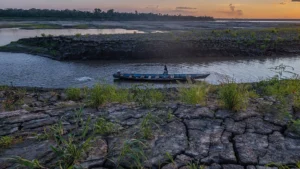
The Brahmaputra is not just a river; it is a vital economic and ecological corridor. In India, it sustains fisheries and agriculture that feed millions. In Bangladesh, it is the primary source of freshwater.
The Risk of Catastrophic Failure
A structural failure—whether triggered by a massive earthquake or a design flaw—would result in a "water bomb" scenario. The volume of water released would be unprecedented, surging down the canyon and flooding the densely populated plains of Assam and Bangladesh with little to no warning.
Ecological Disruption
Even under "normal" operating conditions, the dam will fundamentally alter the river’s character. By trapping nutrient-rich sediment behind the dam wall, the project threatens to starve downstream ecosystems. This loss of sediment will erode the delta in Bangladesh, increasing the country’s vulnerability to rising sea levels and saltwater intrusion.
Official Responses and the Culture of Secrecy
The Chinese government’s response to these risks has been characterized by opacity. Despite the project’s transboundary implications, Beijing has provided minimal technical data to its neighbors. There has been no independent international oversight, no transparent environmental impact assessment shared with downstream stakeholders, and no formal water-sharing treaty.
China’s current stance is that the project is an internal domestic matter. However, international law—specifically the principles surrounding transboundary water management—asserts that states have a responsibility to ensure that their actions do not cause "significant harm" to neighbors. By refusing to engage in transparent communication, China is effectively weaponizing its position at the "headwaters" of Asia.
Implications for the Future
The implications of this mega-dam are profound, touching on regional security, climate change, and human rights.
Coercive Statecraft
Water is increasingly being used as a tool of geopolitical leverage. By controlling the flow of the Brahmaputra, China gains a silent instrument of influence over India and Bangladesh. During periods of diplomatic tension, the ability to withhold or release hydrological data—or to physically regulate water flow—could be used to pressure downstream neighbors into compliance on unrelated issues.
The Need for Regional Transparency
If the "project of the century" is to proceed without inviting disaster, the following steps are non-negotiable:
- Independent International Audit: China should invite a neutral, third-party panel of seismologists and engineers to verify the site’s structural integrity.
- Real-Time Data Sharing: Institutionalized, 24/7 hydrological data sharing is essential to allow downstream nations to prepare for floods or seasonal fluctuations.
- Transboundary Consultation: A formal framework for managing the river must be established, treating the Brahmaputra as a shared resource rather than a national asset.
Conclusion: A Turning Point
The irony of the current situation is striking: the most sophisticated warnings about the dam’s safety are originating from within the Chinese scientific community, yet these voices appear muffled by the state’s political ambitions.
The Himalayan watershed is often referred to as "Asia’s Water Tower," a fragile ecosystem that sustains a significant portion of humanity. The decision to build a massive dam in this region is a test of whether global powers will prioritize short-term domestic objectives or long-term regional stability. If Beijing continues to prioritize secrecy over safety, the resulting humanitarian catastrophe would not be contained by national borders. It is time for the international community to demand the transparency that the people of the Brahmaputra basin deserve. Before the concrete sets and the reservoir fills, there is still a narrow window to prevent a tragedy that the world cannot afford.