

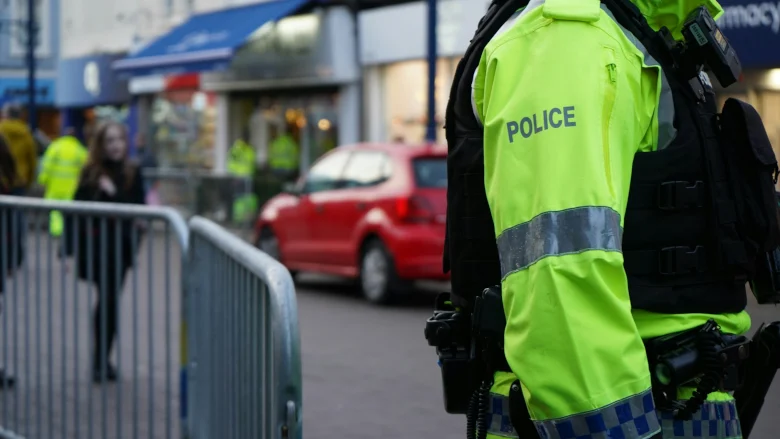
The digital landscape for law enforcement agencies is increasingly fraught with peril as adversaries shift their focus from corporate entities to public sector infrastructure. Recently, Dyfed-Powys Police, a primary law enforcement agency serving the vast expanse of mid and west Wales, confirmed that it had fallen victim to a targeted cyberattack. While the force successfully maintained its mission-critical emergency operations, the incident has triggered an urgent forensic investigation into whether sensitive internal personnel data was accessed or compromised by unauthorized actors.
Main Facts: A Breach of Internal Systems
The cyberattack, which necessitated immediate incident response protocols, primarily impacted the non-emergency digital infrastructure of the Dyfed-Powys Police force. In an era where "always-on" connectivity is a requirement for modern policing, the disruption of administrative and auxiliary systems serves as a stark reminder of the vulnerability of even the most secured institutions.
As of the latest reports, the force has provided a narrow, yet significant, assurance to the public: there is currently no evidence to suggest that data belonging to members of the public has been compromised. This distinction is vital for maintaining public trust, as citizens entrust law enforcement with highly sensitive records ranging from criminal intelligence to personal identification.
However, the concern has shifted inward. The force is now working alongside cybersecurity experts to determine the extent of a potential breach involving staff records. Unlike a standard data breach involving customer emails or credit card numbers, the theft of police staff information carries systemic risks that extend far beyond the individual affected.
Chronology of the Incident
While the specific timeline of the intrusion remains under investigation, the incident followed a familiar pattern observed in high-profile public sector breaches:
- Detection Phase: IT and security personnel within Dyfed-Powys Police identified irregularities within their non-emergency digital environment. These anomalies triggered automated security alerts, leading to the initiation of the force’s cyber incident response plan.
- Containment Phase: Recognizing the potential for lateral movement within the network, technical teams moved quickly to isolate the affected systems. This action was critical in ensuring that the breach remained confined to administrative tiers rather than encroaching on frontline law enforcement databases.
- Operational Continuity: By prioritizing the integrity of 999 and 101 emergency communication systems, the force ensured that the public’s ability to report crimes and request assistance remained uninterrupted. This success highlights the effectiveness of network segmentation—a security strategy that divides a network into smaller, isolated sub-networks to prevent the spread of malware or unauthorized access.
- Investigation Phase: Currently, the force is in a deep-dive forensic audit. Specialists are analyzing logs and access points to ascertain exactly what data, if any, was exfiltrated during the window of vulnerability.
The Unique Risk Profile of Law Enforcement Data
The potential compromise of police staff data has drawn significant analysis from industry experts. John Bruggeman, a vCISO at CBTS, notes that when law enforcement personnel are targeted, the calculus of risk changes fundamentally.
"If staff information was accessed here, the real exposure isn’t the same as a typical corporate breach," Bruggeman explains. "Police officers are in positions of trust with access to sensitive systems and investigations. Even basic details—like a name, a role, or an organizational chart—can provide an attacker with exactly what they need to orchestrate a sophisticated impersonation or social engineering attempt later."
The risk is not merely about the theft of data; it is about the weaponization of that data. In the hands of a malicious actor, a directory of police staff and their reporting structures becomes a blueprint for "spear-phishing" campaigns. An attacker, armed with knowledge of who reports to whom, could send a highly convincing, spoofed email from a superior to a subordinate, tricking them into granting unauthorized access to even more sensitive systems.
Supporting Data: Why Forensic Detail Matters
The ongoing investigation is focused on the "specific fields" of data that were accessed. In cybersecurity forensics, not all data breaches are created equal. The severity of the Dyfed-Powys incident hinges on whether the attackers reached static data (like names and work emails) or dynamic, high-security data (such as home addresses, private contact information, or specific assignments in active criminal investigations).
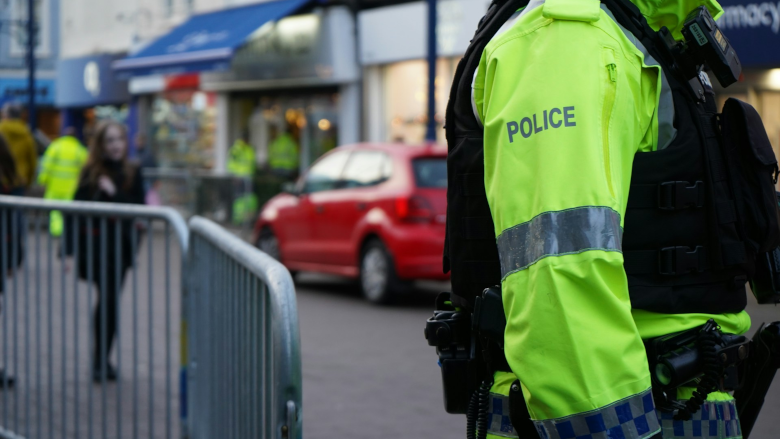
The consensus among security professionals is that the "open question" is not merely whether data was accessed, but the granularity of that access. A breach that reveals a department’s organizational hierarchy allows for long-term strategic targeting, whereas a breach that exposes private home addresses could lead to physical safety concerns for officers and their families.
Official Responses and Strategic Security
The Dyfed-Powys Police have maintained transparency throughout the incident, though they have been careful not to jeopardize the ongoing investigation by releasing premature findings. The force’s ability to maintain emergency services is a testament to the importance of "proper network segmentation." By isolating the systems that handle 999 calls from the administrative systems where the breach occurred, the force demonstrated a mature security posture.
However, as Bruggeman points out, "Operational continuity during the incident isn’t the same as the incident being over." The force is now faced with the long-term challenge of managing the aftermath. If staff data is confirmed to be compromised, the police must treat that information as an "ongoing threat." This means implementing heightened monitoring, educating staff on the increased risk of social engineering, and potentially revamping internal communication protocols to ensure that staff can verify the identity of those contacting them via digital channels.
Implications for the Future of Public Sector Security
This incident serves as a bellwether for the public sector. As digital transformation continues to integrate every aspect of government work, the attack surface for police forces and other critical agencies will only continue to expand.
1. The Necessity of Zero Trust
The incident highlights the growing necessity of a "Zero Trust" architecture. In a Zero Trust environment, no user or system is trusted by default, regardless of whether they are inside the network perimeter. Every access request is verified, and lateral movement is strictly controlled.
2. The Human Element
Police forces, which rely heavily on teamwork and communication, are inherently vulnerable to social engineering. The fact that an attacker could theoretically use internal structure data to impersonate a colleague means that cybersecurity training must evolve to include "human-centric" defense strategies, such as secondary verification for any request involving sensitive information or system access.
3. Long-term Threat Mitigation
For Dyfed-Powys Police, the work begins in earnest once the initial recovery is complete. This includes:
- Post-Mortem Analysis: Conducting a comprehensive review of how the threat actor gained initial entry, whether through a compromised credential, an unpatched vulnerability, or a third-party service provider.
- Personnel Support: Providing affected staff with the necessary resources, such as identity theft protection or additional security training, to mitigate the risk of individual targeting.
- Ongoing Vigilance: Recognizing that data stolen today can be sold on the dark web and used months or years later. The force must remain vigilant against delayed-action attacks that rely on the stolen credentials or internal knowledge.
Conclusion
The cyberattack on Dyfed-Powys Police is a sobering reminder that the front lines of policing have moved into the digital realm. While the agency’s ability to protect the public’s emergency access is commendable, the potential compromise of internal staff data presents a persistent and evolving challenge.
As the investigation continues, the focus must remain on the long-term implications of this breach. The incident should serve as a catalyst for other public sector agencies to rigorously audit their internal data handling practices and adopt more robust, proactive security measures. In the modern era, the security of a police force is not just measured by its physical response times, but by the resilience of its data and the vigilance of its personnel against the unseen, digital threats that seek to undermine public trust. The headlines may fade, but the imperative to protect the integrity of those who serve the public remains a permanent, critical mandate.



