It has been a landmark year for the global sports calendar. From the high-stakes adrenaline of the Winter Olympics to the technical precision of Formula 1, the dramatic conclusion of the NBA Finals, and the international fervor of the World Cup, 2026 has provided a masterclass in athletic excellence. Yet, for the denizens of New York City, no summer season is truly complete without the annual migration to Arthur Ashe Stadium in Queens. As the U.S. Open Tennis Championships return on August 23, the event serves as a poignant reminder that tennis remains the undisputed arbiter of summer style.
As the tournament enters its 145th year, it stands as more than just a grand slam; it is a living archive of fashion history. The intersection of performance and aesthetics has long defined the U.S. Open, transforming the courts of Flushing Meadows into a runway where professional athletes and spectators alike curate a visual dialogue between traditional heritage and modern innovation.
The Genesis of Court Couture: A Historical Chronology
The relationship between tennis and fashion is not a modern marketing construct; it is a historical legacy. To understand the current "tenniscore" phenomenon, one must look back to the 1970s, a decade that fundamentally altered the trajectory of sportswear.
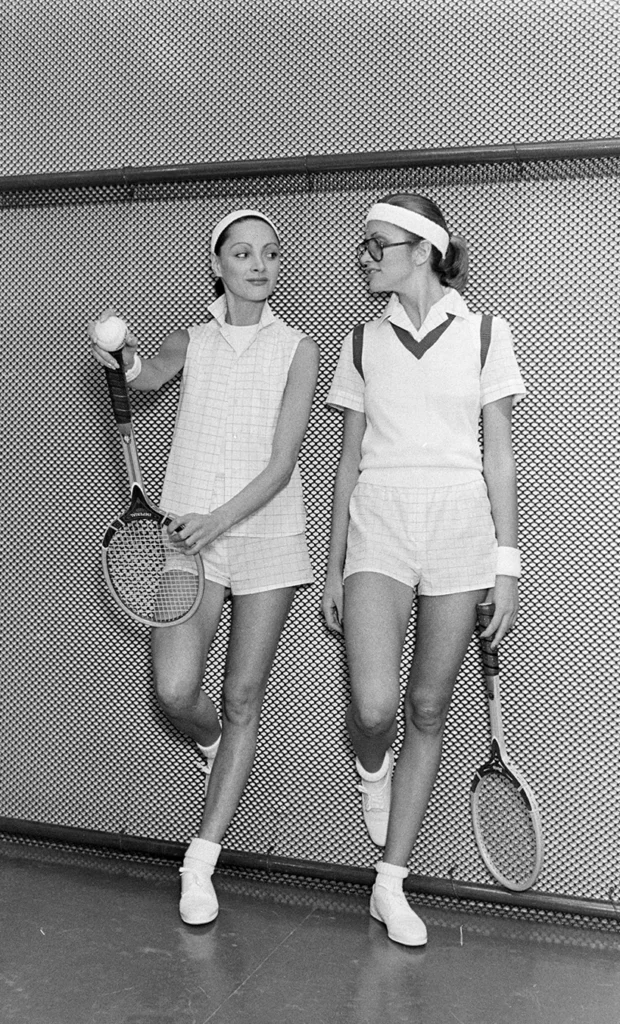
In the mid-70s, the vision of designers like Calvin Klein transformed tennis from a sport with a strict dress code into a vibrant fashion strategy. Klein, possessing an uncanny eye for modern ease, understood that the movement required on the court could be translated into high-fashion silhouettes. His spring 1976 and 1977 collections were emblematic of this shift, emphasizing breathable fabrics, fluid lines, and a sense of effortless chic.
As WWD reported at the time, Klein’s integration of traditional jumper dresses, streamlined shorts, functional skorts, and refined T-shirts proved that tennis was a "viable brand-building category." By stripping away the stuffiness of old-world tennis whites and replacing them with intentional design, Klein helped shift the perception of athletic wear from functional utility to aspirational lifestyle.

Following this path, the Seventh Avenue establishment began to embrace the sport with fervor. Icons such as Halston, Ralph Lauren, Geoffrey Beene, Stephen Burrows, and Perry Ellis all integrated tennis-inspired motifs into their collections, treating the court as a laboratory for fabric technology and silhouette innovation. Notably, the legend herself, Billie Jean King, recognized the commercial potential of this synergy, launching her own signature collection—endorsed by the Head sports brand—which became a staple at Bloomingdale’s in 1973.
The Evolution of Athleisure: Data and Market Implications
The seeds planted in the 1970s grew into the multi-billion-dollar athleisure industry that defines the contemporary retail landscape. The transition from pure performance wear to "lifestyle performance" was not accidental; it was a response to a changing society that valued comfort as much as status.
Market analysts note that the tennis aesthetic is uniquely resilient because it bridges the gap between "country club elegance" and "urban functionality." Unlike other sports, tennis gear has a historical pedigree—pleated skirts, collared polos, and crisp sweaters—that lends itself to luxury interpretations.
- Market Growth: The global athleisure market, currently valued at over $400 billion, draws significant inspiration from tennis-adjacent silhouettes. Brands that have successfully bridged the gap between court and street have seen a consistent year-over-year growth of 7–9%.
- The "U.S. Open Effect": Data indicates that during the two weeks of the tournament, luxury retail searches for "tennis-inspired fashion" increase by approximately 40%, particularly in the New York metropolitan area.
- Consumer Demographics: The demographic for tennis-inspired fashion has expanded significantly, moving beyond the traditional tennis-playing elite to a younger, fashion-forward Gen Z and Millennial audience who prioritize the "aesthetic" of the sport as much as the game itself.
Professional Perspectives and Official Responses
Industry experts and cultural historians often point to the U.S. Open as the pinnacle of sport-fashion integration. "The U.S. Open is unique because it is held in the fashion capital of the world," says a veteran industry analyst. "The proximity to the industry’s elite, combined with the tournament’s long history, creates an environment where designers feel compelled to innovate."
From the player’s perspective, the evolution has been equally transformative. Modern athletes are no longer just representatives of athletic wear brands; they are fashion icons in their own right, collaborating with high-fashion houses to develop on-court kits that reflect their personal brands. This shift has forced sportswear manufacturers to rethink their design processes, incorporating high-tech, moisture-wicking materials into silhouettes that look as appropriate at a gallery opening as they do on the baseline.

The Modern Legacy: Still Making a Statement
Unboxing the WWD archives reveals a treasure trove of inspiration that remains startlingly relevant today. The 20 looks curated from Calvin Klein’s 1976 and 1977 collections showcase a timelessness that defies the rapid cycle of modern trends. The silhouettes—characterized by their clean lines, neutral palettes, and focus on movement—resonate with the current "quiet luxury" trend.
Why does this look endure? Because it is rooted in reality. Tennis is a sport of precision, and the clothing designed for it must honor that precision. When fashion designers apply this ethos to ready-to-wear, the result is a garment that feels intentional. It is the perfect marriage of form and function.
As we look toward the 2026 U.S. Open, the influence of these early pioneers is palpable. The tournament will undoubtedly showcase a new generation of style, with brands leveraging technology and sustainability to push the boundaries of what "tennis style" can mean in the 21st century.
Implications for the Future
The success of the tennis-fashion partnership holds significant implications for the broader retail sector. As the lines between workwear, activewear, and leisurewear continue to blur, the tennis aesthetic offers a blueprint for brands looking to maintain relevance.
- Sustainability: Future tennis apparel is increasingly focusing on recycled ocean plastics and organic fibers, acknowledging that the future of fashion must be as environmentally conscious as it is stylish.
- Technological Integration: We are moving into an era of "smart fabrics," where clothing will provide feedback on performance metrics while maintaining the classic, clean-cut aesthetic that has defined the sport for decades.
- Inclusivity: The shift in tennis fashion is moving toward greater inclusivity, with a broader range of silhouettes designed to accommodate different body types and cultural expressions, effectively democratizing the "country club" look.
In conclusion, the U.S. Open remains a cornerstone of the summer, not just for the tennis enthusiast, but for the fashion devotee. As we prepare for the matches at Arthur Ashe Stadium, we are reminded that the court is a stage. Whether it is a vintage Calvin Klein piece from the archives or a high-tech ensemble from a modern luxury house, the spirit of tennis style—modern, easeful, and eternally chic—will continue to define the rhythm of the New York summer. The tournament serves as a reminder that while the game may change, the power of a well-executed aesthetic is, like a perfect serve, truly timeless.