London, UK – While the captivating colors, transparency, and inherent sparkle of faceted gemstones mesmerize us, the intricate craft of their fashioning often remains a subtle, yet crucial, element of their allure. Beyond the raw beauty of the stone lies the meticulous artistry of the cut, a process that transforms rough crystals into dazzling jewels. Gem-A Gemmology Tutor, Pat Daly, offers a comprehensive exploration into the world of diamond cutting and shaping, delving into the techniques, quality factors, and the iconic 4Cs that define a gemstone’s visual splendor. The way a gemstone is fashioned – its style of cut, its resulting shape, and the precision of its execution – profoundly impacts its final appearance, turning a simple mineral into a treasure.
The Genesis of Gemstone Fashioning: From Rough to Radiant
The journey of a gemstone from its natural state to a polished jewel encompasses a diverse range of techniques. Beyond the coveted faceted stones, this spectrum includes carvings, beads, and cabochons. However, for gemstones like diamonds, faceting is paramount in unlocking their inherent brilliance and fire. Daly outlines three primary faceting styles that form the bedrock of gemstone artistry:
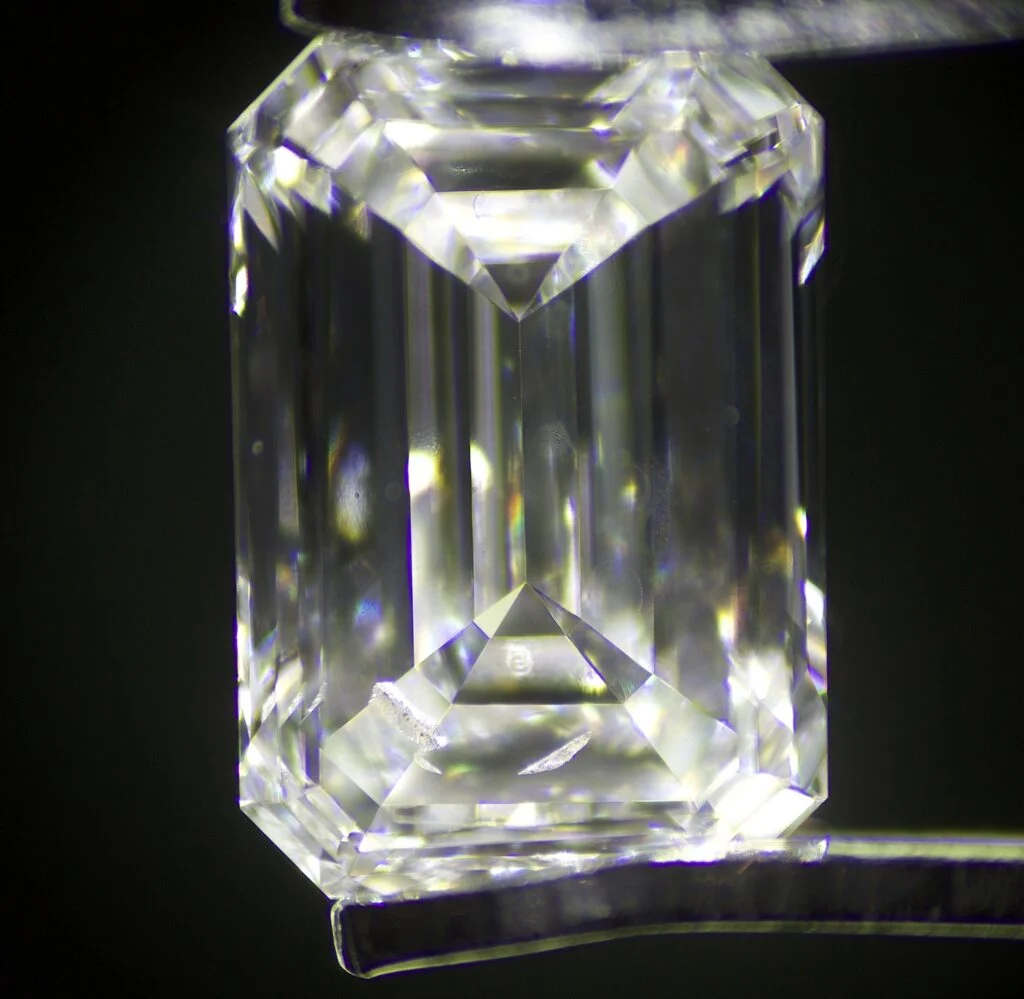
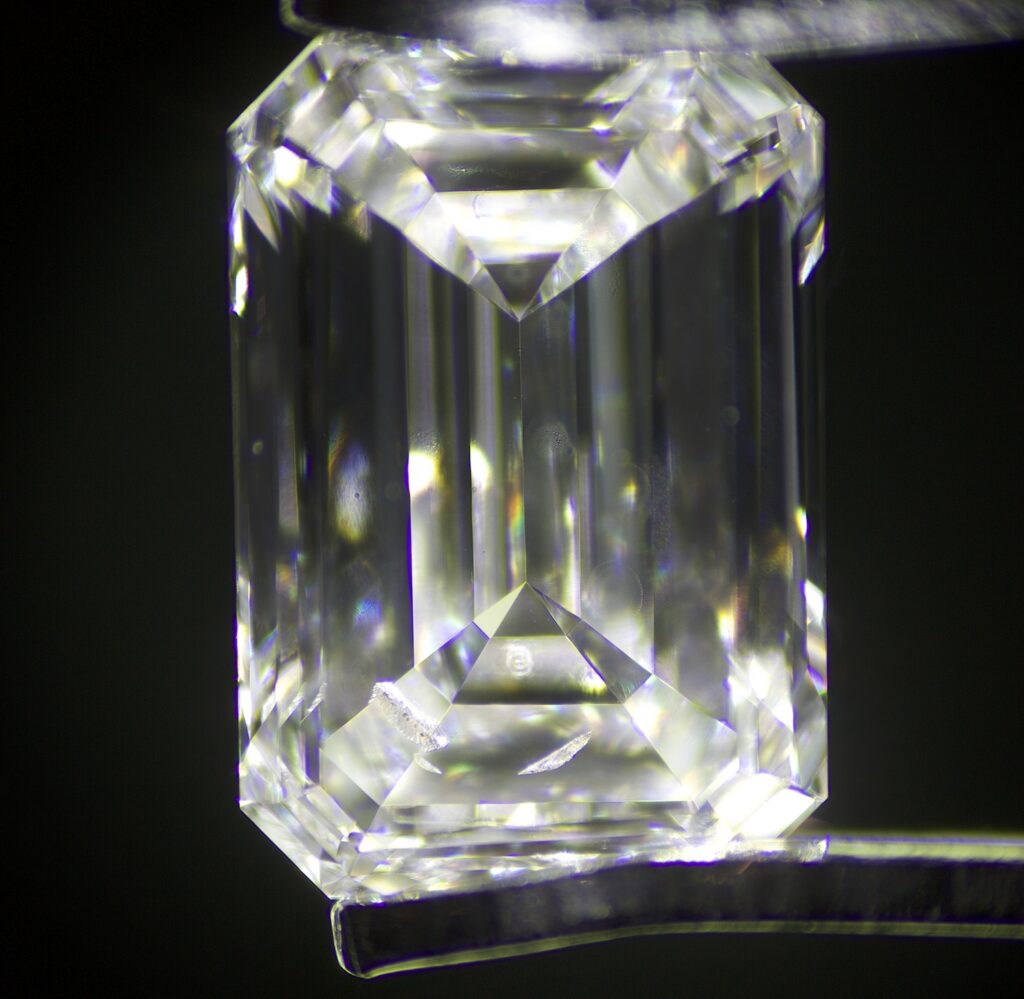
- Step Cuts: Characterized by long, parallel-sided facets, step cuts create a more orderly, geometric appearance. Think of the classic emerald or baguette cuts, where a series of rectangular facets step down towards the pavilion. These cuts are particularly effective at showcasing a gemstone’s clarity and color, allowing light to travel through the stone with less internal reflection.
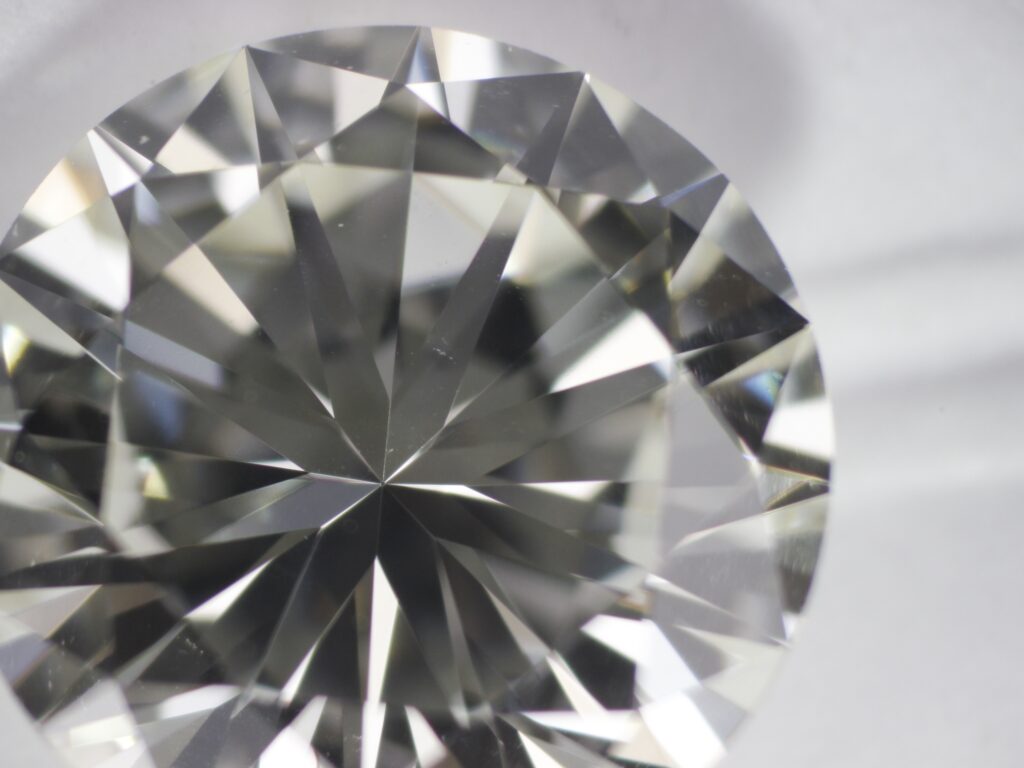
- Brilliant Cuts: This style, perhaps the most recognized, features predominantly triangular or kite-shaped facets. The goal of a brilliant cut is to maximize the reflection and dispersion of light, creating an intense sparkle and a dazzling play of colors. The round brilliant cut, with its 58 facets, is the epitome of this style, meticulously designed to capture and return light with maximum efficiency.
- Mixed Cuts: As the name suggests, mixed cuts ingeniously combine elements from both step and brilliant cuts. This allows cutters to leverage the strengths of each style, creating unique visual effects and optimizing the appearance of specific gemstones. For instance, a mixed cut might feature a step-cut crown and a brilliant-cut pavilion, or vice versa.
While all these styles are employed for a variety of colored gemstones, diamonds are overwhelmingly fashioned using step-cut and brilliant-cut techniques, or sophisticated modifications thereof. These approaches are not merely aesthetic choices; they are scientific endeavors to harness the optical properties of the diamond.
The Diverse World of Diamond Shapes: Beyond the Round
The chosen cutting style directly influences the potential shapes a gemstone can take. Step cuts, with their angular outlines, lend themselves to shapes like squares, oblongs, and kites. These can be further refined with truncated corners, a common feature in cuts like the emerald cut. While these shapes are frequently seen in diamonds, step-cut colored stones can also be found in round, oval, or other more organic forms, showcasing a broader range of stylistic possibilities.
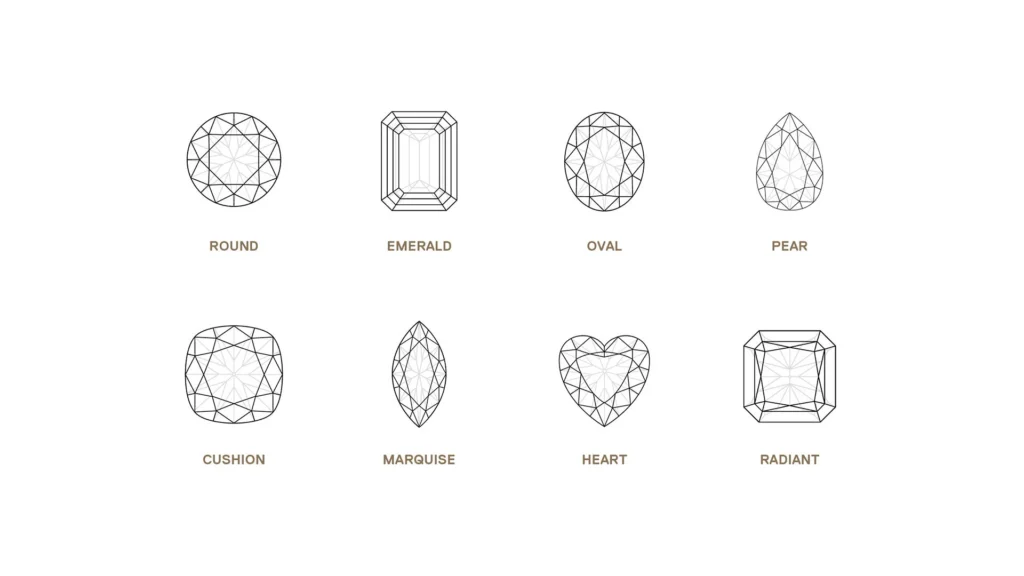
The brilliant cut, while often associated with a round outline, offers a remarkable degree of versatility. This fundamental cutting style can be ingeniously modified to produce a spectrum of shapes, including:
- Oval Cut: A modification of the round brilliant, the oval cut retains the brilliance of its round counterpart while offering a flattering, elongated appearance.
- Pear Shape: This distinctive cut, resembling a teardrop, combines the brilliance of a round cut with a pointed end, offering a unique visual appeal.
- Cushion Shape: Often referred to as the "antique cushion" cut, this shape features rounded corners and larger facets, evoking a vintage charm and a soft, romantic glow.
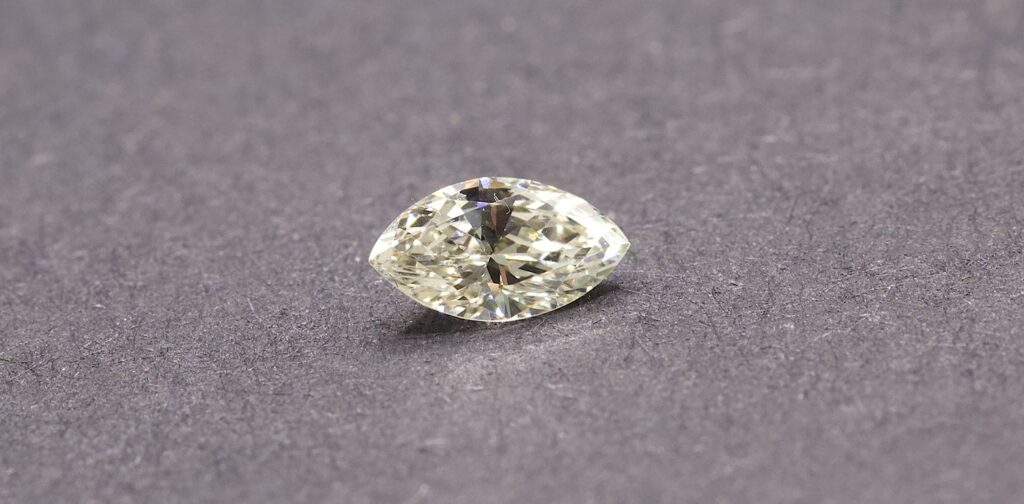
- Marquise Shape: Characterized by its pointed ends, the marquise cut is designed to maximize carat weight and create an illusion of larger size. Its elongated form can flatter the finger, making it a popular choice.
- Heart Shape: A romantic and symbolic cut, the heart shape is a brilliant cut modification that requires exceptional skill to execute flawlessly.
Even within these common shapes, subtle adjustments are made by skilled cutters to enhance their appeal and durability. For instance, the pointed ends of pear and marquise diamonds might have kite facets replaced with two triangular ones. This seemingly minor alteration significantly reduces the vulnerability of these delicate points to chipping and damage, a crucial consideration for wearable jewelry.
The Iconography of the Brilliant Cut: Facets and Sparkle
The standard round brilliant cut is a marvel of geometric precision, typically featuring 58 facets if a culet (a small facet at the apex of the pavilion) is present, or 57 without. This established number is a testament to the scientific calculations that optimize light interaction. While individual cutting firms may offer modified versions, the core principles of the round brilliant remain the benchmark for brilliance.
A more recent, yet highly popular, innovation is the princess cut. Developed in the 1960s, this square or rectangular cut, often referred to as a "square brilliant," boasts a mixture of facets, including an eight-sided table facet, triangular facets, and strip-like facets. Its design is specifically engineered to enhance the brilliance and fire of square to oblong stones, making it a modern favorite among consumers.
A Historical Perspective: The Evolution of Diamond Faceting
The art of diamond faceting is a testament to human ingenuity and the relentless pursuit of beauty. It is believed that the earliest forms of diamond faceting involved simply replacing a corner of an octahedral crystal with a table facet. As techniques evolved, cutters began adding more facets to enhance the stone’s brilliance and sparkle – the captivating play of light that dances across its surface as it is moved.
The transformation from rough crystals to the polished gems we know today was a gradual process. Early cutters learned to round the corners of diamonds, leading to the development of cushion shapes. The pursuit of maximum brilliance eventually led to the standardization of the brilliant cut. A significant milestone in this evolution was the development of machinery in the late 19th century that allowed for the precise rounding of diamond girdles, a critical step in achieving optimal symmetry and light performance.
The early 20th century marked a pivotal moment with the work of Marcel Tolkowsky. A descendant of a family of diamond cutters and trained as an engineer, Tolkowsky applied mathematical principles to calculate the ideal angles and proportions for a diamond to achieve maximum fire and brilliance. His groundbreaking research laid the foundation for the modern round brilliant cut, and while some adjustments have been made over time, his work remains the cornerstone of this iconic style, making it the most popular choice for diamonds worldwide.
Decoding Diamond Cutting Quality: The Pillars of Brilliance and Fire
The quality of a diamond’s cut is arguably the most critical factor in determining its visual appeal, especially for diamonds that rely heavily on the reflection and dispersion of light for their beauty, rather than just inherent color. Several key factors contribute to the overall quality of a cut:
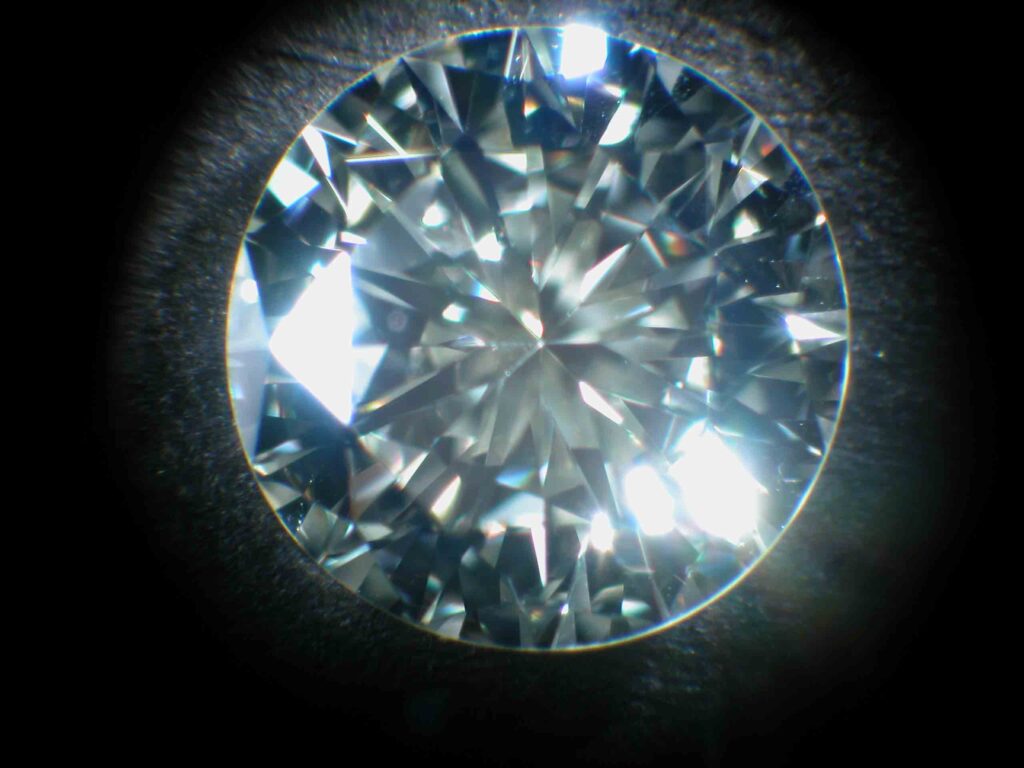
- Proportions: The angles and dimensions of a diamond’s facets are meticulously calculated to ensure that light entering the stone is reflected internally and emerges through the crown facets as brilliance. An optimally proportioned diamond will exhibit a dazzling display of white light.
- Symmetry: This refers to the geometric perfection of the diamond’s outline and the precise alignment of its facets. A symmetrical diamond ensures that light is reflected evenly, contributing to its overall beauty and light handling capabilities.
- Polish: The surface of a diamond must be flawlessly polished to allow light to pass through without obstruction or distortion. Any imperfections in the polish can significantly detract from the stone’s brilliance and sparkle.
The interplay between brilliance and fire is a delicate balancing act. Brilliance is the dazzling white light reflected from a diamond, while fire is the spectral dispersion of light into rainbow colors. A high crown and a small table facet can increase the likelihood of splitting white light into its constituent colors, thus enhancing fire. However, maximizing brilliance requires efficient reflection of white light. Therefore, cutters must strike a compromise, optimizing both brilliance and fire to create a stone with exceptional visual appeal.
Symmetry and the 4Cs: A Holistic Approach to Diamond Quality
Symmetry plays a crucial role not only in the aesthetic appeal of a diamond but also in its ability to interact with light. The term "symmetry" encompasses the perfection of the girdle’s outline and how closely the overall shape adheres to geometric ideals. While weight conservation is an important consideration in diamond cutting, leading to slight distortions that may not be immediately apparent to the naked eye, precise facet placement and appropriate relative sizes are paramount.
In the realm of diamond grading, cut is one of the celebrated "4Cs" (Carat, Color, Clarity, and Cut), which collectively determine a diamond’s quality. Reputable gemological laboratories offer cut grades for brilliant-cut stones, categorizing them based on precise measurements of their proportions, symmetry, and polish. This grading system is vital, as it directly correlates to how effectively light enters, reflects within, and ultimately exits the diamond, influencing its overall beauty.
The assessment of cut quality is not solely reliant on objective measurements. Increasingly, efforts are being made to incorporate the subjective perceptions of observers into the evaluation process. By combining experimental data with theoretical calculations and human observation, gemologists can gain a more nuanced understanding of a diamond’s aesthetic merits. As technology advances, so too does the sophisticated art and science of diamond cutting, promising ever more brilliant and captivating gemstones for generations to come.
Main Image: Round brilliant-cut diamond, photographed by Henry Mesa.