

For centuries, certain gemstones have held a unique and enduring place in human fascination, transcending mere adornment to embody power, status, and even mystical significance. Among these, a select group, historically referred to as the "Cardinal Gems," stands out. While the term may be less prevalent in contemporary discourse, its roots run deep into the annals of antiquity, highlighting stones that were revered for their exceptional preciousness and value in ancient civilizations. This article delves into the rich history and enduring allure of these "Cardinal Gems" – diamond, ruby, sapphire, emerald, and amethyst – exploring their cultural significance, the reasons behind their esteemed status, and their continued relevance in the world of gemmology and jewellery.
The Pillars of Ancient Adornment: Defining the Cardinal Gems
The concept of "Cardinal Gems" is not a modern invention. It speaks to a historical recognition of specific gemstones that held paramount importance across diverse ancient cultures, including the classical Roman, Greek, Egyptian, and Mesopotamian societies. These five stones – diamond, ruby, sapphire, emerald, and amethyst – were distinguished not only by their inherent beauty but also by their rarity, perceived virtues, and the symbolic weight they carried.
Diamond: Renowned for its unparalleled hardness, brilliance, and clarity, the diamond has long been a symbol of invincibility, purity, and eternal love. Ancient Greeks believed diamonds were tears of the gods or fragments of fallen stars, endowing them with celestial power. Their exceptional durability made them ideal for protection, and they were often associated with courage and strength.
Ruby: The fiery red of the ruby has always evoked passion, power, and vitality. In ancient Sanskrit texts, the ruby was referred to as "ratnaraj," meaning "king of precious stones," signifying its supreme status. It was believed to bestow good health, wealth, and wisdom upon its wearer, and its deep red hue was associated with lifeblood and courage.
Sapphire: The captivating blue of the sapphire has historically been linked to royalty, divinity, and wisdom. In ancient Persia, it was believed that the earth rested on a giant sapphire, and its reflection coloured the sky. Sapphires were thought to bring divine favor, protect against evil, and promote clear thinking and spiritual enlightenment.
Emerald: The verdant green of the emerald has long symbolized nature, fertility, and rebirth. Ancient Egyptians revered emeralds, associating them with the goddess Isis, and they were often used in funerary rites to ensure a prosperous afterlife. The Romans believed emeralds enhanced love and beauty, and they were dedicated to Venus, the goddess of love.
Amethyst: While perhaps not always commanding the same market value as the other four in modern times, amethyst holds a significant place within the "Cardinal Gems" due to its historical importance. Its exquisite purple hues, ranging from delicate lilac to deep violet, were historically associated with royalty and spiritualism. The Romans believed amethyst could prevent intoxication, a belief that contributed to its popularity. Its inclusion in this esteemed group underscores the historical context of rarity and perceived value, rather than solely contemporary market price.
A Journey Through Time: The Historical Significance of Cardinal Gems
The prominence of these five gemstones is deeply intertwined with the development of human civilization. Their discovery, trade, and symbolic interpretation evolved alongside the rise and fall of empires.
Antiquity: The Dawn of Gemstone Reverence
In ancient Mesopotamia, evidence suggests that gemstones were valued for both their aesthetic appeal and their perceived mystical properties. Early civilizations used precious stones in jewelry, religious artifacts, and as symbols of status and power. The Egyptians, with their sophisticated understanding of metallurgy and lapidary arts, crafted intricate amulets and adornments from gems like emerald and lapis lazuli (though not a cardinal gem, it illustrates their appreciation).
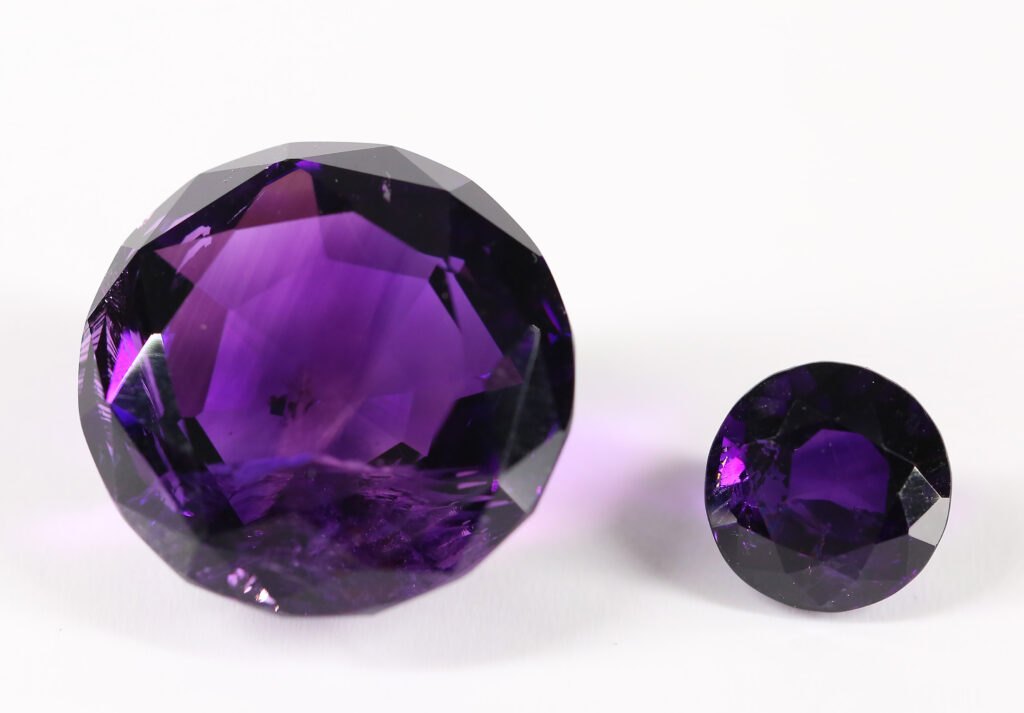
The Greeks and Romans further elevated the status of these stones. Diamonds, though difficult to work with given the technology of the time, were admired for their hardness and brilliance. Rubies were highly prized, and their trade routes stretched across vast distances. Sapphires were associated with the heavens and divine protection, while emeralds were lauded for their connection to nature and beauty. Amethyst, with its rich purple, was particularly favored by royalty and high-ranking officials, symbolizing authority and sophistication.
The Middle Ages: Faith, Power, and Protection
During the Middle Ages, the "Cardinal Gems" continued to hold immense significance, often intertwined with religious beliefs and the power structures of the era.
- Diamond: Its hardness and perceived incorruptibility made it a symbol of unwavering faith and purity. It was also believed to possess protective qualities, warding off evil and bestowing strength upon warriors.
- Ruby: The "blood of the earth" was believed to offer protection against plague and other diseases. It was also a symbol of Christ’s sacrifice and was often incorporated into religious vestments and artifacts.
- Sapphire: Its regal blue hue cemented its association with the Virgin Mary and the clergy. It was believed to bring spiritual insight, promote chastity, and offer protection against enemies. The image of a bishop’s ring, often featuring a sapphire, exemplifies this ecclesiastical connection.
- Emerald: Its green luster was linked to hope and renewal, and it was believed to protect the wearer from sorcery and ill fortune. It was also associated with fertility and was often gifted to ensure a prosperous marriage.
- Amethyst: The Christian Church embraced amethyst, associating its purple color with piety, humility, and celibacy. It was frequently set in the rings of Catholic bishops, signifying their spiritual authority and devotion. Beyond religious contexts, amethyst retained its reputation as a stone that could sharpen the mind and ward off intoxication, making it valuable for those engaged in commerce and intellectual pursuits.
The Renaissance and Beyond: Evolving Perceptions and Trade
The Age of Exploration and the Renaissance saw an expansion of trade routes, bringing a greater abundance of gemstones to Europe. This period witnessed a continued appreciation for the "Cardinal Gems," with a growing emphasis on their aesthetic qualities and the craftsmanship involved in their setting. The development of new cutting techniques allowed for greater brilliance and sparkle, further enhancing their appeal.
The concept of birthstones also began to emerge, though not in its modern, standardized form. Specific stones were associated with months and astrological signs, adding another layer of personal significance to these precious materials. The "Cardinal Gems" often featured prominently in these early birthstone traditions.
The Enduring Allure: Why These Gems Remain Precious
The enduring appeal of the "Cardinal Gems" can be attributed to a confluence of factors, extending beyond their historical significance.
Rarity and Value: A Constant in a Changing World
The fundamental reason for the esteemed status of these gemstones, both historically and in the present day, is their inherent rarity. Fine quality specimens of diamond, ruby, sapphire, and emerald are exceptionally scarce. This scarcity, coupled with the difficulty and cost of extraction and the intricate processes of cutting and polishing, naturally drives up their value.
As the article notes, "Fine quality gemstones are rare and were rarer still 1,500 years and more ago." This historical context is crucial. In ancient times, the ability to acquire and possess such rare materials was a direct indicator of immense wealth and power. Even today, while synthetic alternatives exist, natural, high-quality cardinal gems command premium prices, solidifying their position as symbols of ultimate luxury.
Symbolism and Cultural Resonance: Echoes of the Past
The rich symbolism associated with each of the "Cardinal Gems" continues to resonate with people today. The diamond’s representation of eternal love makes it the cornerstone of engagement rings. The ruby’s association with passion and vitality appeals to those seeking boldness and energy. The sapphire’s connection to wisdom and royalty continues to attract those who value intellect and status. The emerald’s symbolism of growth and renewal speaks to a desire for harmony with nature, while amethyst’s historical link to clarity and spiritualism continues to hold appeal.
These symbolic meanings are not merely abstract notions; they are woven into the cultural fabric of societies worldwide. They are reinforced through art, literature, film, and of course, the enduring traditions of gift-giving and personal adornment.

The Science and Art of Gemmology: Unraveling Their Secrets
The field of gemmology, the scientific study of gemstones, plays a vital role in understanding and appreciating the "Cardinal Gems." Gemmologists meticulously analyze these stones, identifying their origins, assessing their quality, and uncovering their unique characteristics. This scientific rigor not only confirms their authenticity and value but also deepens our understanding of the geological processes that create them.
Furthermore, the art of lapidary – the cutting and polishing of gemstones – transforms rough stones into dazzling treasures. The skill of a gem cutter can unlock a stone’s hidden brilliance, revealing its full potential. The interplay between the natural properties of a gemstone and the artistry of its human manipulation is a continuous source of fascination.
Challenges and Nuances: Navigating Historical Descriptions
While the allure of "Cardinal Gems" is undeniable, it’s important to acknowledge the complexities and potential pitfalls when interpreting historical accounts. As the article rightly points out, "Gemmologists are reluctant to try to identify a stone unless they are able to test it thoroughly."
The Ambiguity of Ancient Terminology
Ancient texts often used descriptive terms for gemstones that may not directly correlate with our modern classifications. A word that historically referred to a particular type of stone might have encompassed a broader range of materials or even entirely different gem varieties as we understand them today. This ambiguity means that historical references to "diamonds," "rubies," or "emeralds" might not always refer to the exact same chemical composition or physical properties as their modern counterparts.
The Evolving Nature of Gemstone Value
The inclusion of amethyst among the "Cardinal Gems" highlights how historical perceptions of value differ from contemporary market trends. While amethyst is a beautiful and historically significant stone, its current market value is generally lower than that of diamond, ruby, sapphire, or fine emeralds. This disparity underscores the importance of understanding the historical context when discussing these terms. Rarity and perceived virtues played a more significant role in historical valuation than they might today, where factors like color saturation, clarity, and cut precision often dominate market prices for certain stones.
The Importance of Modern Gemmological Analysis
Modern gemmology provides the tools and expertise to differentiate between historical descriptions and contemporary gemological realities. Through advanced testing methods, gemmologists can determine a stone’s identity, origin, and quality with a high degree of accuracy. This scientific approach ensures that the appreciation of gemstones is grounded in objective analysis, even when exploring their rich historical narratives.
Conclusion: A Legacy That Continues to Shine
The "Cardinal Gems" – diamond, ruby, sapphire, emerald, and amethyst – represent more than just precious materials; they are threads woven into the tapestry of human history and culture. From their revered status in ancient civilizations to their enduring presence in modern adornment and symbolic language, these stones have consistently captured our imagination and symbolized the highest aspirations of wealth, power, beauty, and spiritual connection.
While the term "Cardinal Gems" may be less commonly used today, the principles it embodies – the recognition of exceptional rarity, profound beauty, and deep historical significance – remain as relevant as ever. The ongoing study and appreciation of these timeless treasures, facilitated by the advancements in gemmology, ensure that their legacy will continue to shine brightly for generations to come.
For those eager to delve deeper into the fascinating world of gemstones and their historical significance, educational initiatives like Gem-A’s GemIntro course offer a pathway to understanding these remarkable materials. By exploring the history, properties, and cultural impact of gemstones, we gain a richer appreciation for the enduring allure of the "Cardinal Gems" and their place in the story of human civilization.