By Daphne Howland | Published September 1, 2026
Kohl’s, the perennial department store mainstay, has officially tapped retail veteran Ryan Waymire to serve as its new Chief Merchandising Officer. The appointment, announced Tuesday, marks a pivotal moment in the retailer’s multi-year effort to stabilize its brand identity and reverse a sustained period of market share erosion. Waymire, who assumes the role from outgoing executive Nick Jones, arrives at a critical juncture where Kohl’s is increasingly relying on private-label growth to insulate itself from broader macroeconomic volatility.
Waymire brings a high-caliber resume to the table, with previous senior merchandising tenures at retail powerhouses including Wayfair, FabFitFun, Amazon, and Target. His mandate is clear: he is tasked with overseeing the company’s entire merchandising apparatus, including omnichannel buying, product design, sourcing, and the integration of social media-driven product storytelling—a skill set Kohl’s leadership hopes will breathe new life into its aging store fleet and digital presence.
The Strategic Landscape: Why Now?
For years, Kohl’s has navigated a difficult transition. Once a destination for the American middle-class shopper, the retailer has struggled to define its niche between the low-cost appeal of off-price giants like TJ Maxx and the convenience of e-commerce behemoths.
The strategy under current leadership has shifted toward an aggressive expansion of "proprietary brands"—private labels that offer higher margins and exclusive value. In the second quarter of 2026, this strategy bore fruit, with private label comparable sales rising by 3%. While the company’s overall performance continues to face headwinds, the success of these owned brands serves as a rare, tangible bright spot in an otherwise challenging quarterly earnings report.
Chronology of a Turnaround
Kohl’s current trajectory can be traced through several distinct phases of its "reimagination" strategy:
- 2023–2024: The Foundation Phase. Kohl’s initiated a wholesale audit of its brand portfolio, phasing out underperforming third-party labels and doubling down on "power brands" such as Lauren Conrad, Simply Vera Vera Wang, and FLX.
- Early 2025: The Demographic Pivot. Recognizing the need to court younger consumers, the retailer introduced specialized apparel lines tailored to the tween and teen demographics, most notably the Sea and Skye collection.
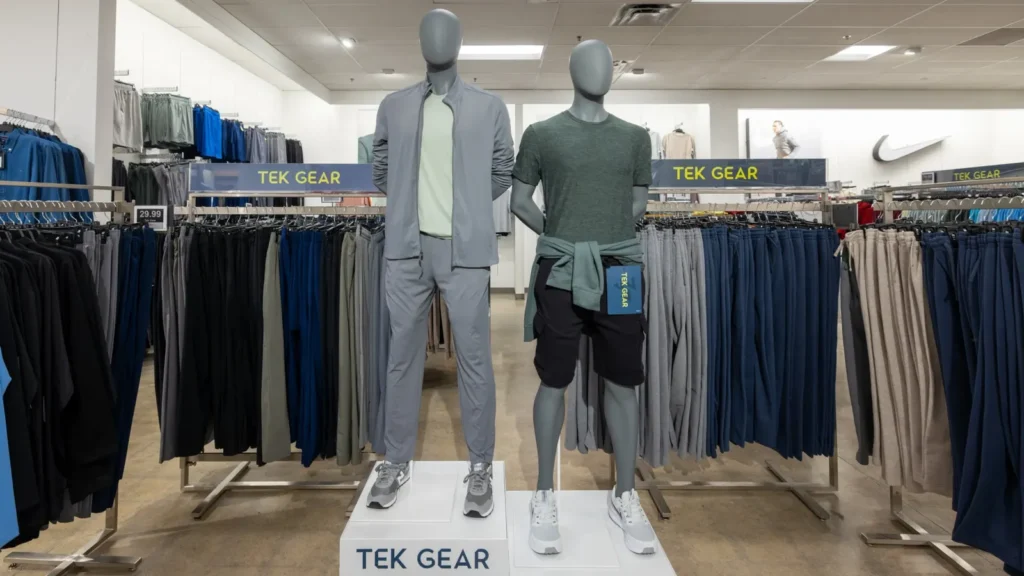
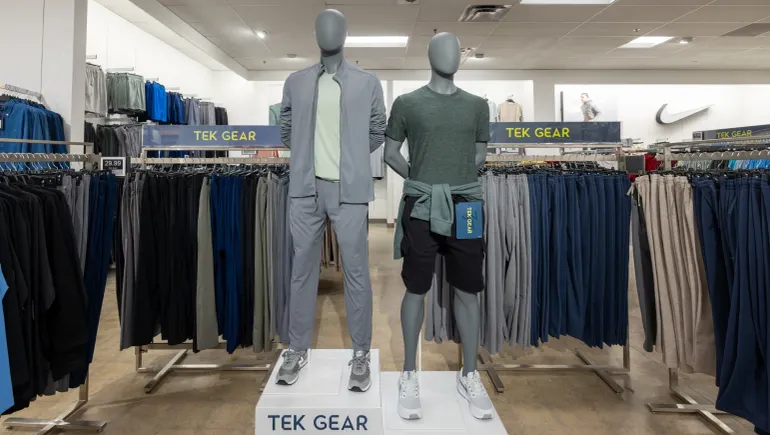
- Late 2025: Marketing Overhaul. To signal a departure from its traditional advertising methods, Kohl’s tapped soccer icon Carli Lloyd to spearhead a national campaign for its decade-old Tek Gear activewear line, signaling an intent to compete more directly in the athleisure space.
- Q2 2026: The Data Validation. Kohl’s reported a 3% increase in proprietary brand comps, confirming that its strategy of "exclusive product" is attracting price-sensitive shoppers amidst inflationary pressures.
- September 2026: Executive Succession. The appointment of Ryan Waymire signals a shift toward operational modernization, moving from mere brand-building to a more data-driven, social-media-integrated merchandising model.
Supporting Data: The Margin-Traffic Tug-of-War
The financial analysts on Wall Street are divided on whether the "private label play" is enough to save the retailer from long-term decline.
Evercore ISI analysts, led by Michael Binetti, have expressed guarded optimism. In a recent research note, Binetti highlighted that the "ongoing mix shift into proprietary brands should be a long-term tailwind to gross margin and support traffic with a low/mid-income consumer increasingly looking for value." Essentially, as Kohl’s customers feel the pinch of the economy, they are gravitating toward the store-branded products that Kohl’s can price competitively without sacrificing profitability.
However, the trend is not without its warning signs. UBS analysts, led by Jay Sole, point to a notable deceleration in growth. While private label comps rose 3% in Q2, that figure represents a 50% drop from the 6% growth reported in the previous quarter.
"Management attributed the slowdown to inventory constraints in Women’s, but the moderation is notable given proprietary brands remain the core driver of customer re-engagement, value perception, and margin recovery," Sole noted in an August analysis. If Kohl’s cannot keep these shelves stocked, it risks alienating the very customers it has worked so hard to lure back into the fold.

Official Responses and Executive Outlook
The appointment of Ryan Waymire is being framed by Kohl’s leadership as a necessary modernization. In a formal statement accompanying the announcement, the company highlighted Waymire’s unique ability to blend traditional retail metrics with modern influencer marketing.
"Ryan has deep experience in understanding how to refresh and drive a merchandise strategy for a broad U.S. customer base," the statement read. "He brings an innovative way of integrating meaningful collaborations and social media influencers into product stories, which is the next step in our merchandising evolution."
Waymire himself is stepping into an environment that demands both agility and discipline. According to the company, he will have total oversight of the "product portfolio strategy," a role that effectively puts him in the driver’s seat for every major design decision made at the company. By putting the customer at the center of all decisions, Kohl’s hopes to move away from its historic reliance on broad, one-size-fits-all sales events and toward a more targeted, brand-loyal model.
Implications: The Long Road Ahead
The hiring of Waymire does not negate the significant hurdles Kohl’s faces. The retail sector is currently experiencing a "middle-class squeeze," where shoppers are increasingly bifurcating between ultra-cheap, fast-fashion discounters and high-end luxury experiences. Kohl’s, positioned firmly in the middle, remains vulnerable.
1. Competitive Pressure from Off-Price
UBS analysts have consistently warned that Kohl’s is losing market share to off-price retailers at a rate that is currently "under-appreciated" by the broader market. The convenience of finding designer names at a fraction of the price at competitors like Ross or TJ Maxx remains the primary threat to Kohl’s own private-label growth.

2. Operational Execution
Waymire’s challenge will be to ensure that the "modernization" of products translates into tangible sales in the aisles. Inventory management has been a historical pain point for the retailer; the "inventory constraints" cited in Q2 suggest that even if the brand strategy is correct, the supply chain execution is still prone to friction.
3. The Digital-Social Integration
Kohl’s has long been viewed as a traditional "brick-and-mortar" entity. Waymire’s background at Amazon and FabFitFun implies that Kohl’s is looking to move beyond the traditional department store experience. If he can successfully leverage social media influencers to drive traffic—not just for activewear, but across all categories—it could provide the digital halo effect that the company has lacked for years.
Conclusion
Ryan Waymire’s arrival is more than just a C-suite shuffle; it is a declaration of intent. Kohl’s has spent the better part of three years experimenting with its identity, and it has now reached a point where it must execute on its vision or risk further irrelevance.
With private labels providing a glimmer of hope and margins stabilizing, the foundation is laid. Whether Waymire can scale this momentum, solve the lingering inventory issues, and successfully pivot the brand toward a younger, digitally native audience remains the million-dollar question. As the holiday season approaches, the retail industry will be watching closely to see if this new leadership can turn the tide on a decade of decline.