
Published on September 1, 2026
For New Yorkers and tennis aficionados worldwide, the arrival of late August signals a shift in the city’s atmosphere. The sweltering heat of the concrete jungle is tempered by the electric tension radiating from the USTA Billie Jean King National Tennis Center in Flushing Meadows-Corona Park. While the holiday season may lay claim to the city’s festive spirit, the U.S. Open holds the title for the most high-octane, glamorous, and socially significant two weeks on the global sporting calendar.
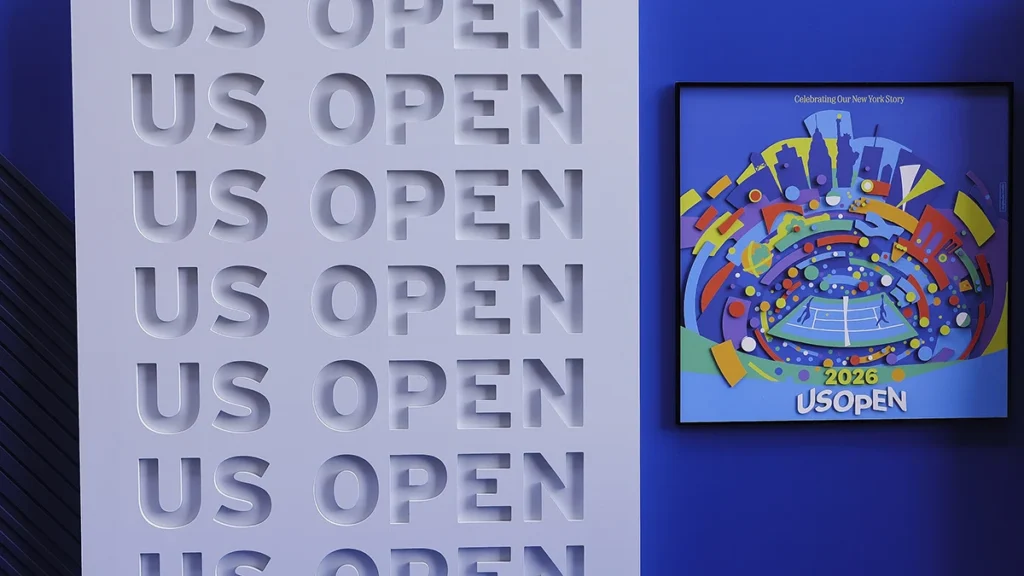
As the 2026 U.S. Open commences its fortnight of competition, the air is thick with the promise of history in the making. Yet, for the discerning spectator, the event is more than just a battle of backhands and baseline rallies; it is a summit of luxury, fine dining, and elite hospitality.
The Shockwaves of Opening Weekend
The 2026 tournament has wasted no time in establishing a narrative of volatility and surprise. The most seismic event of the opening weekend occurred under the bright lights of Arthur Ashe Stadium, where fourth-seeded Novak Djokovic—a perennial titan of the sport—suffered a stunning upset.
In a grueling, late-night, five-set marathon that stretched into the early hours of the morning, Djokovic was dispatched by Argentine rising star Mariano Navone. The match served as a stark reminder that the U.S. Open is the most physically demanding of the four Grand Slams, where the combination of New York humidity, boisterous crowds, and relentless competition can unseat even the most decorated veterans.

This early exit has effectively blown the top half of the men’s draw wide open, creating a vacuum of opportunity for the next generation of talent and ensuring that the coming two weeks will be characterized by unpredictable, high-stakes tennis.
A Chronology of the 2026 Slam
The journey toward the championship trophy is a carefully orchestrated event, moving from the frenetic energy of the first round to the focused intensity of the final Sunday.
- The Opening Phase (August 31 – September 4): The initial days are defined by the "cull of the field." With hundreds of players descending upon Queens, the first round is a chaotic display of athleticism where top seeds must navigate the hazards of hungry qualifiers.
- The Middle Rounds (September 5 – September 8): As the field narrows, the atmosphere shifts from a carnival to a crucible. This is where the true title contenders begin to distinguish themselves, often playing through fatigue and minor ailments.
- The Quarterfinals and Semifinals (September 9 – September 11): The business end of the tournament. The focus sharpens on Arthur Ashe Stadium, and the social prestige of being seen in the VIP suites reaches its zenith.
- The Finals (September 12 – September 13): The culmination of the event. The women’s final on Saturday and the men’s final on Sunday are the ultimate stages for fashion, celebrity sightings, and athletic immortality.
The Architecture of Elite Hospitality
While the U.S. Open is famously democratic, allowing thousands of fans to walk the grounds and soak in the atmosphere, the tournament has evolved into a premier destination for corporate hospitality and ultra-luxe experiences. For those looking to eschew the traditional bleacher seats in favor of something more bespoke, the USTA has curated an ecosystem of luxury.
The Luxury Suite Experience
The pinnacle of the Flushing Meadows experience remains the private luxury suite. These glass-enclosed, climate-controlled retreats offer more than just a vantage point; they offer a sanctuary. Guests are provided with concierge-level service, private catering featuring curated menus from New York’s top culinary minds, and prime sightlines that place them directly above the fray.
Courtside Dining: Beyond the Honey Deuce
While the "Honey Deuce" cocktail remains the iconic drink of the tournament, the culinary landscape at the 2026 Open has shifted toward high-end gastronomic experiences. Partnering with Michelin-starred chefs and renowned local restaurateurs, the VIP dining pavilions offer a departure from standard stadium fare. We are seeing a move toward farm-to-table small plates, expansive raw bars, and vintage champagne pairings that elevate the tennis-watching experience to that of a high-end gala.

Private Access and Behind-the-Scenes Tours
For the ultra-high-net-worth attendee, the value of the U.S. Open lies in access. Exclusive packages now include private guided tours of the media center, access to the players’ practice courts, and entry into the exclusive Player Lounge and credential-only areas. These experiences offer a rare glimpse into the mechanics of a Grand Slam, providing context to the drama unfolding on the court.
Supporting Data: The Economic and Cultural Engine
The U.S. Open is not merely a sporting event; it is a financial powerhouse. The economic impact on New York City exceeds $700 million annually, with luxury hospitality contributing a significant portion of that total.
- Attendance Projections: The USTA expects record-breaking attendance for 2026, with daily capacity crowds exceeding 70,000 across the grounds.
- Premium Seating Growth: Demand for premium seating options—including the "Lodge" and "Courtside Box" tiers—has increased by 15% compared to the 2025 tournament, signaling a robust appetite for high-end sports tourism.
- Sponsorship Integration: Luxury brands from the automotive, watchmaking, and high-fashion sectors have expanded their footprint at the site, hosting branded lounges that serve as the primary social hubs for the city’s elite.
Official Responses and Strategic Vision
The United States Tennis Association (USTA) has been clear about its long-term strategy: to ensure the U.S. Open remains the most modern, comfortable, and technologically advanced Grand Slam.
"Our goal is to balance the raw, gritty energy that makes New York tennis special with the seamless, refined service that our global audience expects," says a USTA spokesperson. "Whether you are a lifelong fan in the upper deck or a guest in a luxury suite, we are investing in infrastructure that enhances the fluidity of the experience. From the enhanced cooling systems in the arenas to the expansion of private lounge spaces, every detail is engineered to ensure the fan experience is world-class."
The organization has also emphasized its commitment to sustainability, noting that the 2026 tournament features a carbon-offset initiative for all VIP transportation services—a direct response to the increasing demand for eco-conscious luxury.

The Implications: What the 2026 Open Means for the Future
The early exit of a titan like Novak Djokovic, coupled with the burgeoning market for elite hospitality, suggests a pivot point for the U.S. Open. The tournament is no longer just about the sport; it is an integrated lifestyle event.
The implications for the future are twofold:
- The Democratization of Luxury: As the tournament continues to expand its premium offerings, the gap between the "general public" experience and the "VIP" experience is becoming more distinct. This necessitates a delicate balance to ensure the tournament does not lose the populist, "New York" spirit that has historically defined it.
- The "Eventization" of Tennis: The U.S. Open is leading a trend where tennis is increasingly presented as a social anchor for other industries. The cross-pollination of film, fashion, and tech within the grounds indicates that the tournament is becoming a mandatory stop for the global cultural elite, further cementing its status as the most important event on the American sporting calendar.
As the second week of the tournament approaches, the narrative remains fluid. While the favorites may have been rattled, the standard of excellence—both on the court and in the hospitality suites—remains at an all-time high. For those fortunate enough to be in attendance, the 2026 U.S. Open serves as a reminder that when the highest levels of human performance meet the highest standards of luxury, the result is nothing short of extraordinary.
Whether you are witnessing a five-set upset or enjoying a glass of vintage champagne while overlooking the skyline of Queens, the experience is, as ever, the most wonderful time of the year.