The art world is currently gripped by a demographic anxiety that borders on the existential. As the Baby Boomer generation—the cohort that fueled the meteoric rise of the contemporary art market over the last four decades—begins to age, an unprecedented volume of cultural capital is poised to change hands. At the center of this looming shift is a staggering figure: $1 trillion. This is the estimated value of art and collectibles that, according to recent projections from Deloitte and ArtTactic, could pass to heirs over the next decade.
For the gatekeepers of the art trade, this "Great Wealth Transfer" represents a double-edged sword. On one hand, it promises a liquidity event of historic proportions. On the other, it raises the terrifying prospect of a market flooded with Picassos, Warhols, and Basquiats that younger generations may have little interest in keeping, potentially triggering a catastrophic collapse in blue-chip prices.
The Gagosian Perspective: A Market Titan Remains Unfazed
Last week, at the Parrish Art Museum in the Hamptons, the man perhaps most responsible for shaping the modern art market, Larry Gagosian, addressed these concerns head-on. At 81, the mega-dealer has seen decades of booms, busts, and shifting cultural tides. When asked if the impending exodus of Boomer-era collections would saturate the market and drive prices into a tailspin, Gagosian offered a characteristically cool response.
"I guess the worry is that it will push prices down," Gagosian admitted, as reported by Puck’s Wall Power newsletter. Yet, rather than viewing this potential influx as a harbinger of doom, the titan of the trade framed it as a tactical opportunity. For the seasoned collector, he suggested, a market correction caused by a surge in supply is merely a "buying opportunity."
"I’m not worried about it," he concluded, signaling a belief that the intrinsic value of top-tier art will remain resilient regardless of the volume of estates hitting the auction block.
Chronology of a Demographic Shift
The conversation surrounding the Great Wealth Transfer did not emerge overnight; it is the culmination of long-term economic forecasting regarding the largest intergenerational transfer of assets in human history.
- The Early 2020s: As the pandemic-era art boom propelled prices to record heights, analysts began to look beyond the immediate market fervor, focusing on the average age of top-tier collectors, which has hovered in the 60s and 70s for years.
- 2024–2025: Leading financial institutions, including UBS and major wealth management firms, began publishing reports quantifying the "hidden" wealth held in private collections. The figure of $1 trillion in art and collectibles emerged as a consensus estimate for the assets held by the ultra-wealthy that are likely to transition to the next generation by the mid-2030s.
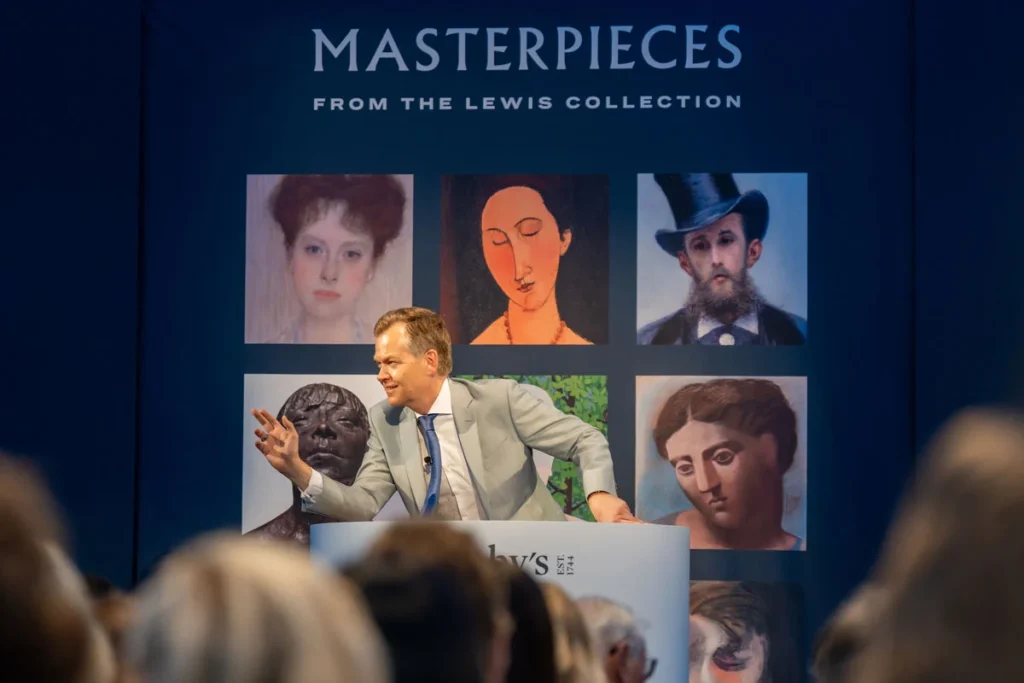
- The Mid-2026 Tipping Point: As the transfer cycle accelerates, the industry has transitioned from theoretical planning to active risk management. Auction houses like Sotheby’s and Christie’s have begun aggressively courting the heirs of major collections, attempting to secure consignment contracts years in advance of the potential liquidation.
Deconstructing the Trillion-Dollar Estimate
While the $1 trillion figure has become the industry’s favorite shorthand for the impending market shift, critical scrutiny reveals that the number may be more of a statistical construct than a literal inventory of canvases waiting for the gavel.
Marion Maneker, writing in Wall Power, has pointed out that the $992 billion estimate is derived from a top-down approach rather than a bottom-up audit. The methodology relies on the assumption that roughly 5 percent of the total wealth held by ultra-high-net-worth individuals is allocated to "art and collectibles."
This creates a significant margin of error. "Art and collectible" is a broad category that includes everything from fine art masterpieces to classic cars, rare wine, and memorabilia. Furthermore, the quality of these holdings is non-uniform. The fear that the market will be "flooded" assumes that all of these assets are of a caliber that the secondary market wants, and that all heirs will choose to sell simultaneously.
In reality, the global art market typically handles roughly $60 billion in sales annually, according to the Art Basel and UBS Art Market Report. If a substantial portion of the trillion-dollar "hoard" were to hit the market over the next decade, it would represent an enormous expansion of annual volume. For prices to remain stable, the market would need to absorb significantly more inventory than it has historically. If supply outstrips demand, the result could be a "buyer’s market"—a dream for those with capital, but a nightmare for heirs looking for a quick, high-value exit.
The Myth of the New Collector
A common refrain among art dealers is the hope that the wealth transfer will create a new, youthful collecting class—a generation of heirs who will take their inheritance and immediately reinvest it in the art market. However, data suggests this expectation may be optimistic at best.
Recent research from Visa, analyzed by columnist Tim Schneider in his Gray Market newsletter, provides a sobering reality check. While roughly $93 trillion in American assets is expected to pass down over the next two decades, the vast majority of this capital is already concentrated in the hands of the top 10 percent of households.
Crucially, the "liquid" portion of this inheritance is often smaller than anticipated. Once debts are settled, retirement accounts are funded, and philanthropic commitments are met, the discretionary "walking-around money" for heirs is significantly reduced. Visa estimates that only about $8 trillion of that $93 trillion total will be truly available for discretionary spending over a 20-year period.
This indicates that the "new collector" may not be as robust a force as the trade hopes. Instead of buying new works, many heirs will likely focus on the management, conservation, and potential divestment of the collections they have inherited.
Implications for the Industry: From Selling to Consulting
If the Great Wealth Transfer does not necessarily produce a wave of new buyers, where will the business opportunity lie? The answer, according to market experts, is in services.
The immediate future of the art market lies in the secondary-market ecosystem: lawyers, tax advisers, estate planners, and private consultants who can help wealthy families navigate the complexities of their inherited holdings. For auction houses, the strategy has shifted from purely selling to providing comprehensive advisory services. Helping an heir decide whether to donate a collection to a museum, hold it for long-term appreciation, or liquidate it through private treaty sales is becoming as lucrative as the auction process itself.
Furthermore, the "Great Wealth Transfer" may ultimately force the art market to become more professionalized and transparent. As heirs inherit vast portfolios, they are less likely to rely on the "handshake" deals that defined the Gagosian era and more likely to demand the rigorous documentation, valuation, and financial transparency associated with traditional asset management.
Conclusion: A Market in Transition
The narrative of the $1 trillion "sell-off" is, in many ways, a reflection of the industry’s own insecurities. While the sheer volume of assets transitioning is unprecedented, the art market has historically proven to be remarkably adept at absorbing supply, provided the quality of the work is high.
As Larry Gagosian noted, those who view the situation as a threat are likely the ones who lack the capital or the vision to see the potential for long-term growth. The market is not necessarily heading toward a crash; rather, it is undergoing a structural evolution. The focus is shifting from the exuberant, speculative buying of the 20th century to a more measured, analytical approach to art as a multi-generational asset class.
Whether the trillions of dollars in art translate into a new golden age of collecting or a period of intense, asset-heavy consolidation remains to be seen. What is certain is that the gatekeepers, advisors, and heirs of the next generation are now the ones holding the keys to the future of the market. The trillion-dollar question is not whether the art will be sold, but who will be left to curate the next century of culture.