By [Your Name/Journalistic Staff]
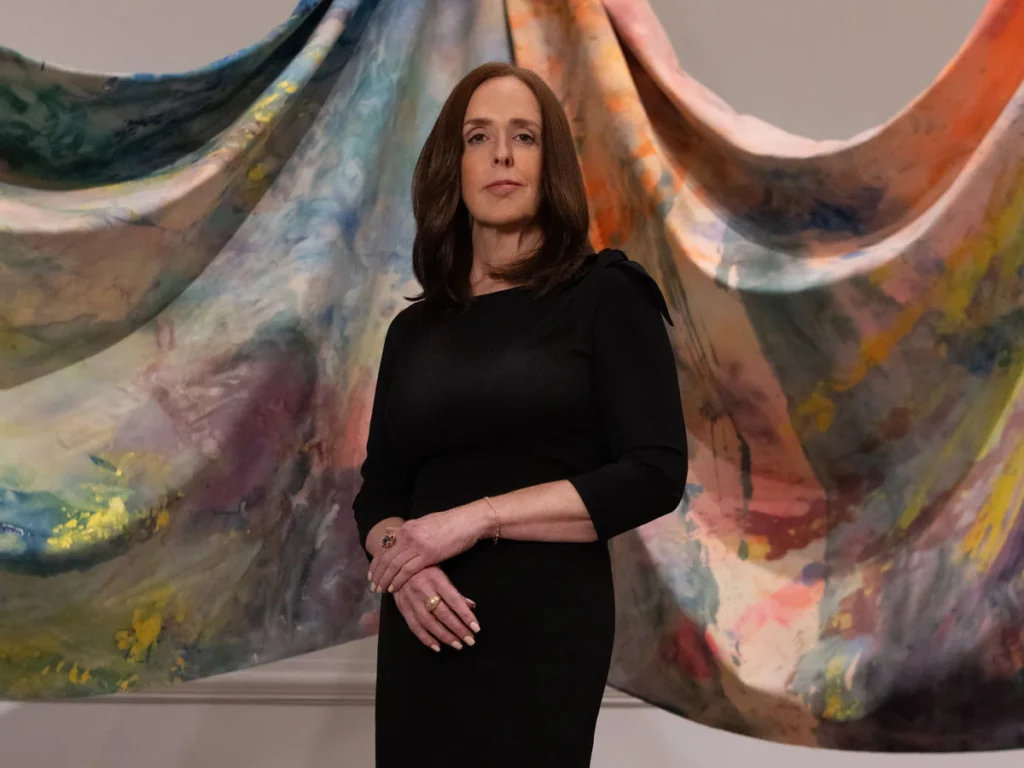
The Speed Art Museum, Kentucky’s oldest and largest institution dedicated to the visual arts, has officially entered a new era. On Tuesday, the museum board announced the appointment of Dr. Kathleen V. Jameson as its next director, marking a significant leadership transition for the Louisville-based institution. Jameson steps into the role following the departure of Raphaela Platow, who concluded her four-year tenure last year.
For the Speed, the timing of this appointment is critical. As the museum prepares to celebrate its 100th anniversary in 2025, Jameson’s arrival represents not merely a change in administrative guard, but a strategic pivot toward a future defined by community engagement, digital innovation, and institutional legacy.
A Proven Leader in the Museum Landscape
Dr. Kathleen V. Jameson arrives at the Speed with an extensive resume that spans over two decades of high-level institutional management. A recognized scholar in the field of late 19th- and early 20th-century American art—with a specialized focus on photography and works on paper—Jameson has cultivated a reputation for balancing rigorous academic inquiry with the pragmatic demands of museum governance.
Most recently, Jameson served as the executive director of the James A. Michener Art Museum in Pennsylvania, where she navigated the complexities of regional museum management from 2018 to 2019. Prior to that, her seven-year tenure as president and chief executive of the Mint Museum in Charlotte, North Carolina (2010–2017), cemented her reputation as a transformative leader. At the Mint, she spearheaded a comprehensive strategic overhaul, overseeing the successful implementation of a robust digital media program and a pioneering Latino and Latin American art initiative, both of which broadened the museum’s demographic reach and strengthened its educational programming.
Her administrative foundation was laid during a six-year stint at the Museum of Fine Arts, Houston (2004–2010), where she climbed the institutional ladder, eventually serving as assistant director. Her career trajectory demonstrates a consistent ability to manage large-scale collections while simultaneously fostering the donor and community relationships necessary to sustain a modern cultural institution.
Chronology: A Career Built on Art and Administration
To understand the scope of Dr. Jameson’s influence, one must look at the arc of her professional history:
- 1993–1995: During her formative graduate years, Jameson lived in Louisville while pursuing her master’s degree in American art and architecture at the University of Louisville. Crucially, this period included a tenure at the Speed Art Museum itself, where she worked under the tutelage of Peter Morrin, the museum’s long-standing executive director (1986–2005).
- 2004–2010: Jameson serves at the Museum of Fine Arts, Houston, rising through various roles to become assistant director. This period provides her with the foundational experience of working within a major, world-class institution.
- 2010–2017: As president and CEO of the Mint Museum in Charlotte, she initiates a strategic plan that integrates digital media and diversity-focused art initiatives, setting a blueprint for modern museum expansion.
- 2018–2019: Jameson takes the helm at the James A. Michener Art Museum in Pennsylvania, further refining her approach to institutional stability and curatorial focus.
- 2024: Jameson is named the new director of the Speed Art Museum, returning to the site of her early professional development just as the institution gears up for its centennial celebrations.
Supporting Data: The Institutional Context
The Speed Art Museum is a pillar of Kentucky’s cultural infrastructure. Established in 1927, it houses a vast collection of approximately 15,000 objects, ranging from ancient artifacts to contemporary multimedia installations.
The transition from Raphaela Platow to Kathleen V. Jameson comes at a moment of both stability and high expectation. Following the conclusion of a four-year contract, the board sought a leader who could honor the museum’s historical weight while pivoting toward 21st-century audience needs. The "Speed" is unique in its geographic position, serving not only the local Louisville population but acting as a cultural hub for the broader Ohio Valley region.
Jameson’s background in "digital media programming"—a hallmark of her time at the Mint—is particularly relevant to the current museum sector, where institutions are increasingly tasked with balancing physical visitation with virtual accessibility. With 15,000 objects in its care, the Speed’s challenge lies in digitizing its archives to make them as accessible to the digital-native student as they are to the traditional art historian.
Official Responses and Board Vision
The Board of Trustees has been vocal about their confidence in Jameson’s appointment. John Crockett, board chair of the Speed Art Museum, issued a statement highlighting the multi-dimensional nature of her qualifications:
"Dr. Jameson brings exactly the combination of experience, vision and leadership we believe the Speed needs at this important moment. She understands museums from every angle—from scholarship and collections to fundraising, governance, and community engagement."
Crockett’s emphasis on "every angle" suggests that the Board is prioritizing a holistic leader—someone who can secure financial health as effectively as they can curate a gallery show.
Jameson herself has expressed a sense of profound professional homecoming. In her official statement, she noted:
"Returning to Louisville and to the Speed is deeply meaningful to me. My time here as a graduate student helped shape both my scholarship and my career in museums, and I have always valued the Speed’s commitment to artistic excellence and connection."
Implications: A Centennial Strategy
As the Speed Art Museum prepares to celebrate its 100th anniversary next year, the implications of Jameson’s appointment are clear: the institution is entering a period of introspection and forward-looking growth.
The Centennial Vision
Jameson has framed the upcoming centennial as more than just an anniversary; it is a catalyst for institutional evolution. "The Centennial is an extraordinary opportunity not only to celebrate the Speed’s history, but also to think ambitiously about its future," she remarked. Her stated goal is to ensure the museum continues to be a place where "people can learn, discover and feel a sense of belonging."
Strengthening Community Ties
Jameson’s career history suggests she will prioritize community engagement. In an era where museums are being pressured to move away from "ivory tower" models toward more inclusive, socially conscious programming, Jameson’s experience with Latino and Latin American art initiatives suggests she will seek to mirror the changing demographics of Louisville within the museum’s own walls.
Operational Stability
The Speed has undergone significant structural and administrative changes in the last decade, including a major renovation and expansion project. With the physical footprint of the museum now established, the next phase of the Speed’s life under Jameson will likely focus on "deepening connections"—increasing membership, diversifying the collection, and ensuring the fiscal longevity of the institution for its second century.
Challenges Ahead
While the homecoming narrative is powerful, Jameson faces significant challenges. The post-pandemic landscape for museums remains difficult; competition for philanthropic dollars is fierce, and the pressure to prove "relevance" to younger, tech-savvy audiences is higher than ever. Her success will depend on her ability to translate her past successes at the Mint and the Museum of Fine Arts, Houston, into the specific socio-economic context of Louisville.
Conclusion: Looking Toward the Future
Kathleen V. Jameson’s appointment is a calculated and strategic choice. By hiring a leader who has deep ties to the museum’s past—having walked its halls as a graduate student—the board has ensured that the Speed’s institutional culture will be respected. By choosing a leader with a track record of digital innovation and community-driven initiatives, they have ensured that the museum is ready to adapt to a changing world.
As the Speed Art Museum moves toward its centennial, all eyes will be on how Jameson navigates the intersection of 19th-century art history and 21st-century institutional demands. For the Louisville art community, the return of one of their own to lead the city’s most significant cultural asset is a moment of optimistic reflection. The "Speed" is not just a repository for 15,000 objects; it is, as Jameson put it, a place that brings "art, ideas and people together." Under her leadership, the museum is poised to solidify that mission for another century.