

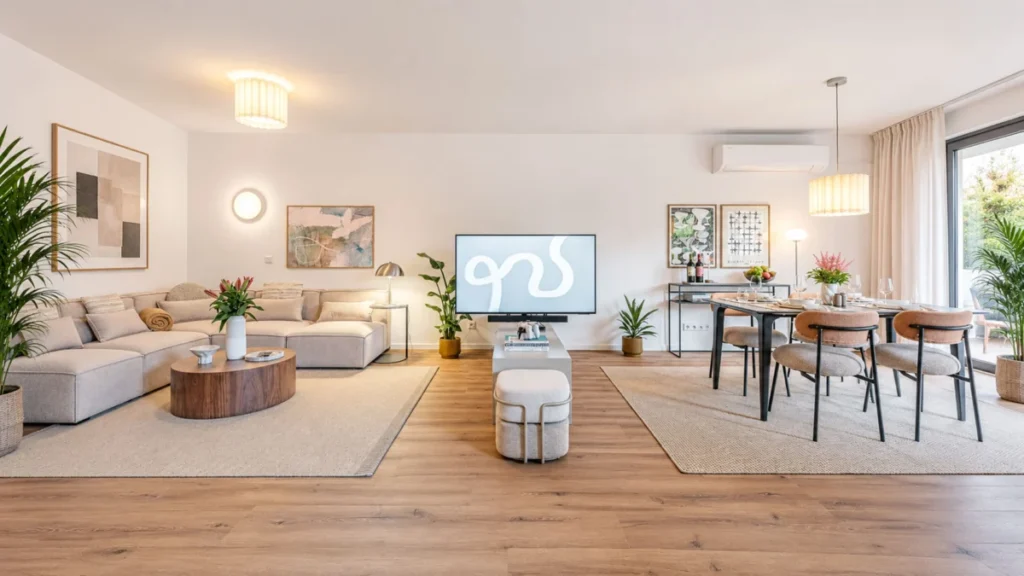
For decades, the hospitality industry has been defined by the "hotel experience"—a cycle of crisp linens, daily housekeeping, and the transient luxury of a lobby bar. However, as global mobility increases, a new segment of travelers has emerged. Whether they are consultants on long-term project deployments, digital nomads, or families relocating for professional assignments, these individuals are not "guests" in the traditional sense; they are temporary residents.
When the duration of a stay shifts from a weekend getaway to a multi-week or multi-month commitment, the psychological and practical requirements of the accommodation undergo a radical transformation. A room that feels like an oasis for 48 hours can quickly become a claustrophobic cage when it serves as the backdrop for one’s entire daily routine.
Main Facts: The Shift in Hospitality Needs
The fundamental truth of modern extended-stay lodging is that functionality has overtaken vanity. For short-term guests, "first impressions" are driven by aesthetics—the thread count, the art on the wall, and the view. For the long-term professional, success is measured by the absence of friction in daily tasks.
Key pillars for a successful extended-stay environment include:
- Autonomy: The ability to cook, clean, and manage one’s schedule without reliance on hotel staff.
- Ergonomics: Furniture designed for prolonged use rather than visual impact.
- Connectivity: Enterprise-grade internet and dedicated, distraction-free workspaces.
- Proximity: Strategic location relative to the guest’s daily "anchor points," such as offices, grocery stores, and transit hubs.
Chronology of an Extended Stay
The psychological arc of a long-term traveler often follows a distinct pattern. Understanding this trajectory is crucial for property managers and developers aiming to provide a true "home away from home."
Phase 1: The Arrival (Days 1–3)
The traveler arrives, likely fatigued from travel or a demanding work schedule. The priority here is "frictionless entry." If the guest has to spend their first evening hunting for basic kitchen supplies or struggling with complex room controls, the psychological toll is immediate.
Phase 2: The Settling Period (Days 4–14)
This is the "stress-test" phase. The guest begins to test the infrastructure. Does the Wi-Fi drop during Zoom calls? Is the sofa comfortable enough for an hour of reading? Is the kitchen counter sufficient for preparing a simple meal? If the accommodation is merely a "pretty" space without practical utility, frustration levels spike during this window.
Phase 3: The Integration (Days 15+)
By the third week, the accommodation is no longer a hotel room—it is a home. The guest has integrated into the local rhythm. They have identified their preferred coffee shop, their grocery store, and their commute. At this stage, the property must function as a stable platform for their professional and personal life.
Supporting Data: Why "Function Over Form" Wins
Market research within the corporate housing sector reveals a consistent trend: occupants of extended-stay properties value "utility-led design" over "luxury-led design."
A study of professional travelers indicates that 72% of respondents cited "adequate workspace" as their top priority for stays exceeding two weeks, outranking "access to dining" or "on-site fitness facilities." Furthermore, 65% of those polled noted that they prefer a quiet, residential setting over a high-traffic urban center.
The data suggests that for the extended-stay demographic, the "premium" aspect of a property is found in the reliability of its systems. A high-end marble bathroom is appreciated, but a consistently high-speed, secure internet connection is essential.
The Role of Strategic Design
Design for extended stays requires a departure from traditional hospitality aesthetics.
Furniture as Infrastructure
In a transient room, a chair is a decorative accent. In an extended-stay unit, that same chair is a workstation. If the design does not account for lumbar support, height-appropriate desks, and strategically placed power outlets, the guest experience fails. Developers must prioritize "ergonomic intelligence"—ensuring that surfaces are durable, comfortable, and versatile enough to transition from a breakfast nook to a boardroom.
Storage and Organization
Clutter is the enemy of the long-term guest. A hotel room lacks storage because it assumes the guest will live out of a suitcase. An extended-stay apartment requires closet space, drawer systems, and surfaces that allow a guest to "unpack" their life. A sense of order directly impacts the mental well-being of someone living in a foreign city.
Implications: The Case of the Ramstein Region
The region surrounding the Ramstein Air Base in Germany serves as a microcosm for the global demand for high-quality, professional-grade lodging. With a constant influx of military personnel, defense contractors, and specialized project teams, the demand for housing is not for "tourism" but for "living."
In this context, companies like Stay Eden have emerged as leaders by synthesizing the convenience of a hotel with the privacy of an apartment. Their approach emphasizes the "move-in-ready" experience, providing furnished units that remove the administrative burden from the guest. For a professional arriving to start a high-stakes project, the ability to walk into a space with stocked essentials and functional work infrastructure is a competitive advantage for the employer and a necessity for the traveler.
Official Perspectives: The Future of Service
The industry is moving toward a model of "High-Touch, Low-Interference" service. Guests want to be left alone to live their lives, but they want a digital safety net.
- Communication: Digital concierge services, such as messaging via WhatsApp or dedicated apps, allow guests to report maintenance issues or request information without the performative interaction of a front desk.
- Maintenance: Proactive, non-intrusive cleaning schedules are essential. Long-term guests often prefer a cleaning service that works around their schedule, emphasizing respect for their personal boundaries.
- Local Curation: While the guest wants independence, they also value "insider knowledge." A curated guide to the local area—covering everything from the best fitness centers to the most reliable dry cleaners—transforms a stranger into a resident.
Conclusion: Redefining Hospitality
The evolution of the hospitality sector is clear: the era of the one-size-fits-all hotel room is waning. For the modern professional, the quality of a stay is not defined by the opulence of the lobby or the number of stars awarded by a travel board. It is defined by how seamlessly the accommodation supports their daily life.
True luxury in the modern age is not about indulgence; it is about the absence of unnecessary obstacles. It is the ability to wake up in a new city and immediately transition into a productive workday, followed by a comfortable evening in a space that feels like one’s own. As the lines between work, travel, and home continue to blur, the properties that succeed will be those that view their guests not as transient visitors, but as people who need a functional, beautiful, and stable place to call home—even if only for a season.



