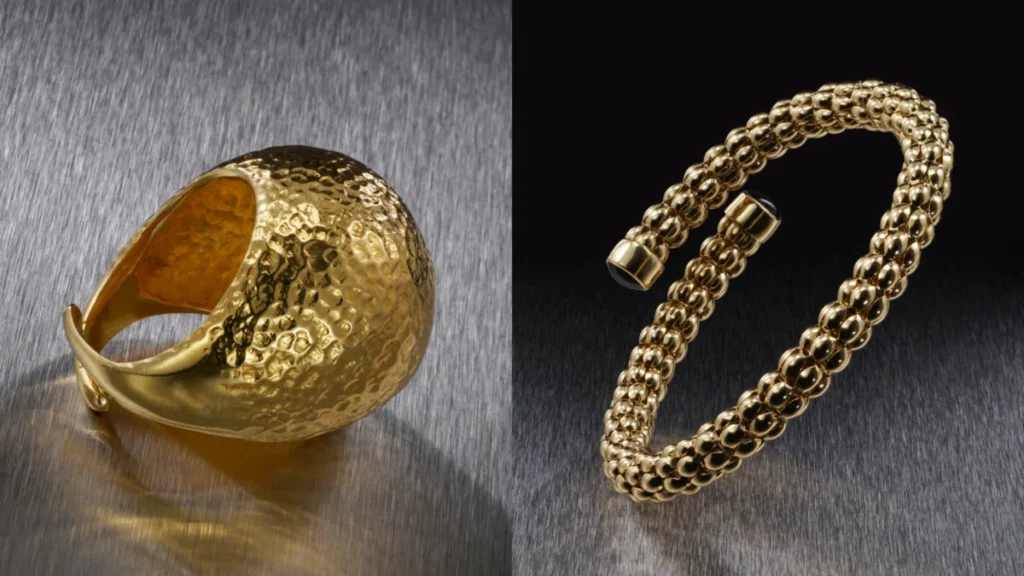
In the high-stakes world of luxury jewellery and watchmaking, the most critical breakthroughs often occur away from the spotlight. While consumers are captivated by the sparkle of a finished diamond or the intricate movement of a timepiece, a silent revolution in metallurgy and chemical engineering is unfolding behind the scenes. At the heart of this transformation sits Pino Aliprandini SA, a Geneva-based institution that has spent nearly half a century perfecting the science of surface treatment.
As we look toward 2026, the industry is recalibrating its focus toward the "Facets of the Future"—the passionate individuals and family legacies that ensure the craft remains both relevant and responsible. By joining the Responsible Jewellery Council (RJC), Pino Aliprandini SA is not merely adopting a certification; it is championing a paradigm shift where technological innovation serves as the primary engine for sustainability.
The Genesis of an Industry Benchmark: A Chronology of Innovation
To understand the current trajectory of Pino Aliprandini SA, one must look back to its inception. Founded in Geneva in 1977, the company emerged during an era when the Swiss watch and jewellery industry was navigating significant technological shifts.
- 1977: Pino Aliprandini establishes his namesake company in Geneva, focusing on specialized surface treatments for the luxury sector.
- 1980s–1990s: The company earns a reputation for "behind-the-scenes" excellence, filing multiple patents that redefine how precious metals interact with base materials.
- 2000s: Christian Aliprandini begins his 25-year apprenticeship under his father, ensuring the transfer of proprietary knowledge and the preservation of the family’s exacting standards.
- 2010s: The firm shifts focus toward radical sustainability, spearheading the elimination of hazardous chemicals like cadmium and cyanide from industrial electroplating baths.
- 2020s: Pino Aliprandini SA secures its position as a reference in global reports, such as the Cyanide-free Gold Plating Solutions: Market Trends and Opportunities, 2025–2030.
- 2025/2026: The company formally integrates with the RJC, formalizing its long-standing commitment to transparency, ethical sourcing, and international compliance.
The Philosophy of "Behind-the-Scenes" Innovation
Innovation in jewellery is often equated with design, but for Pino Aliprandini SA, true innovation is molecular. The company posits that surface treatments and chemical processes are the silent guardians of quality and durability.
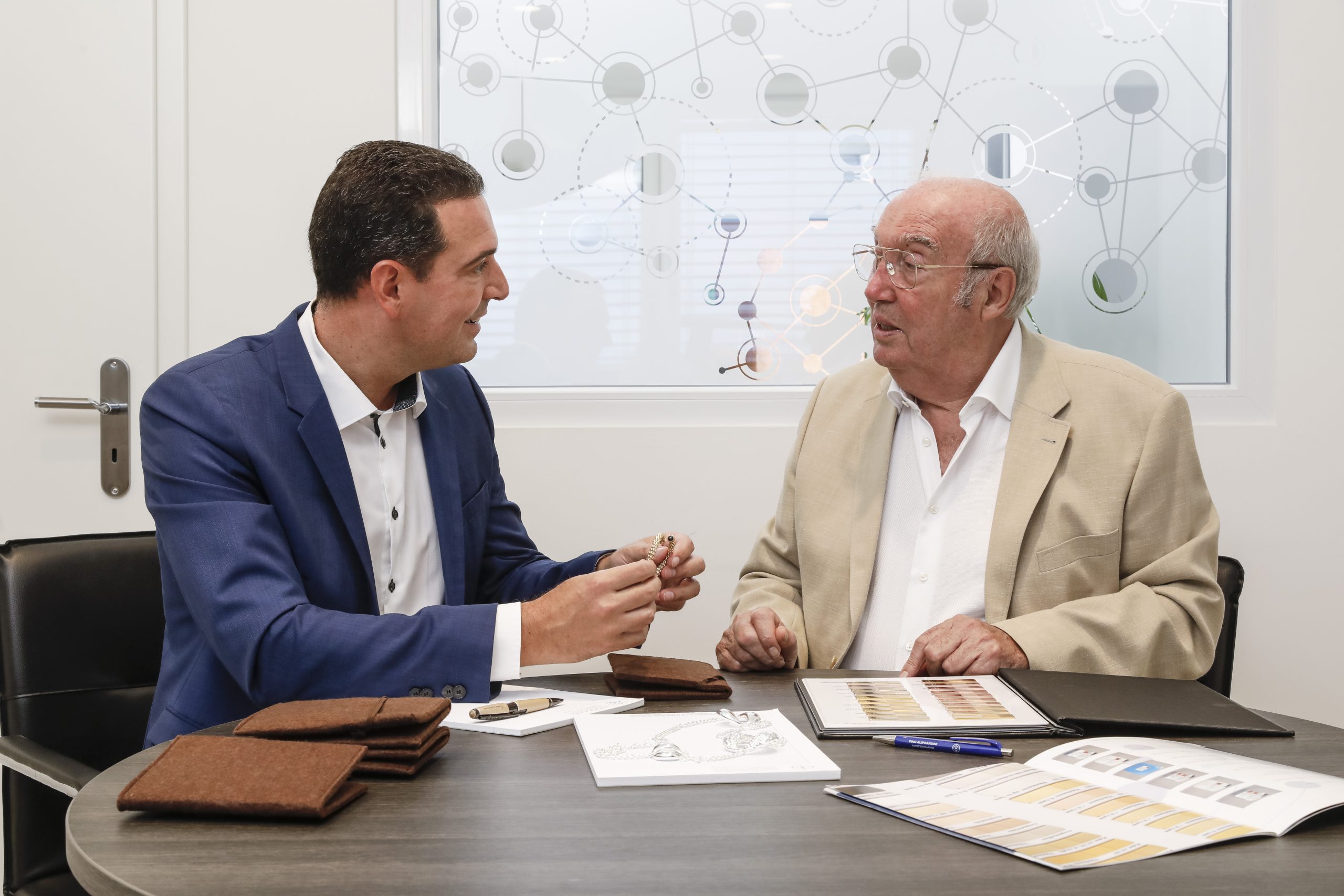
"Technological innovation is a frequently overlooked yet essential stage in the jewellery production process," the firm notes. By mastering stable and reproducible processes, the company has proven that sustainability is not a marketing buzzword, but a technical requirement. Their commitment to the RJC provides a standardized framework that elevates these technical achievements, offering international clients and partners a guarantee of both quality and ethical integrity.
The Shift Toward Chemical Safety
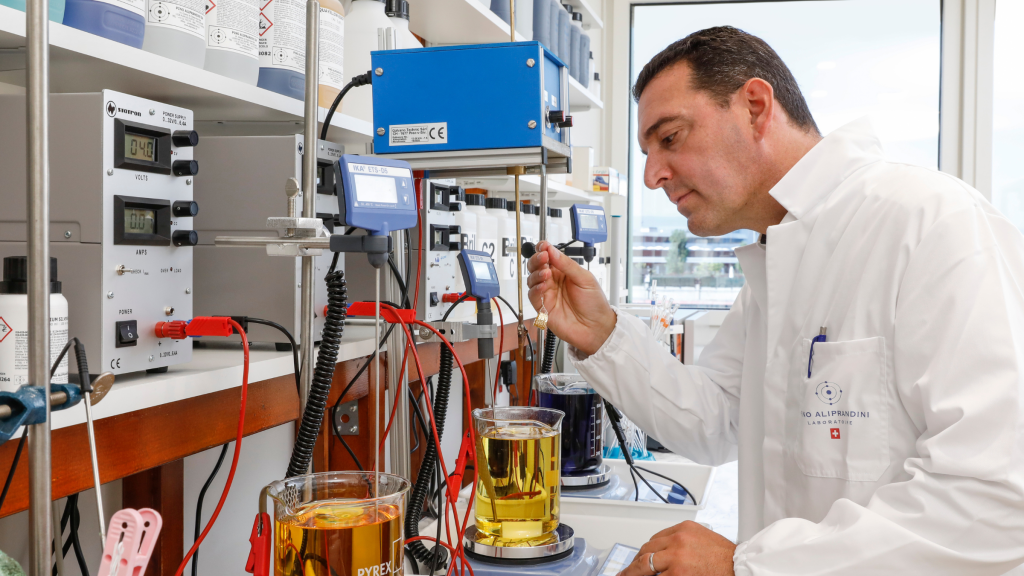
For decades, the jewellery industry relied on toxic substances to achieve high-performance plating. Pino Aliprandini SA disrupted this status quo by pioneering the Acqua-Series. This innovative range of electroplating baths allows for the deposition of 2N, 5N, and white gold without the use of cyanide. These solutions are fully compliant with REACH and RoHS regulations, marking a monumental victory for worker safety and environmental protection without compromising the aesthetic brilliance required by high-end luxury brands.
Supporting Data: Efficiency as Sustainability
Sustainability in the modern age is inextricably linked to the management of resources. In a climate of extreme price volatility, Pino Aliprandini SA has transformed the concept of "waste" into a strategic asset.
- Recycling as a Supply Chain: The company treats precious metal recycling as a distinct logistics branch, applying rigorous quality control to ensure that repurposed metals meet the same high-performance standards as virgin materials.
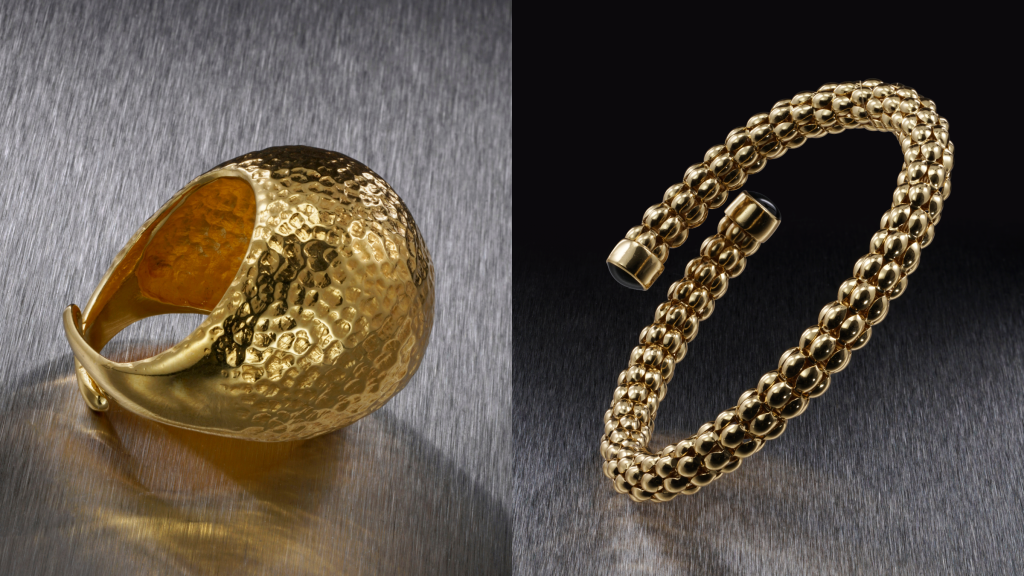
- Advanced Electroforming: By utilizing sophisticated electroforming techniques, the company can produce intricate, lightweight, hollow jewellery. This minimizes the volume of precious metal required, effectively decoupling "aesthetic value" from "material weight."
- Thin-Film Mastery: Their latest R&D milestone involves platinum electroforming at thicknesses previously considered impossible, maintaining mechanical resistance while significantly reducing raw material consumption.
Official Perspectives: The Family-Centric Model
In an industry increasingly dominated by large conglomerates, Pino Aliprandini SA remains a bastion of the Swiss SME model. Approximately 75% of Switzerland’s economic wealth is generated by family-owned businesses, and this company serves as a prime example of the resilience such a structure provides.
"Pino Aliprandini has become a legend in the jewellery world," the company reflects. "Although he has always preferred to remain behind the scenes, his innovations have helped redefine industry standards."
Christian Aliprandini, representing the second generation of leadership, emphasizes that the family structure is not merely a historical footnote—it is a functional advantage. It allows for long-term strategic planning that transcends quarterly financial reports. In an era of global uncertainty, the human element—the ability to provide attentive, personalized support—becomes the ultimate differentiator for clients seeking stability.
Implications: The Role of the RJC and the Future of the Craft
The integration into the Responsible Jewellery Council marks a new chapter for the firm. As the industry faces a talent gap, the role of established players like Pino Aliprandini SA becomes critical in attracting the next generation of artisans and technicians.
Humanizing the Scientific
The company highlights a crucial irony: while jewellery is a highly artistic field, its production is increasingly scientific. To bridge this gap, they advocate for a holistic view of the product. "Technical know-how forms the foundation of the future," they argue. By mentoring young professionals and emphasizing the importance of each layer of surface treatment, the firm is working to ensure that the "human touch" remains at the center of the process, even as the chemistry becomes more precise.
Raising the Bar
As an RJC member, the firm intends to do more than follow guidelines; they intend to set them. Their engagement with the Council is focused on three key pillars:
- Transparency: Providing absolute clarity in the supply chain to reinforce consumer confidence.
- Resilience: Aligning operational strategies with global risk mitigation to ensure that, regardless of market volatility, the flow of quality craftsmanship remains uninterrupted.
- Performance: Proving that environmental stewardship does not hinder luxury; rather, it elevates it.
Conclusion: A Legacy of Integrity
The story of Pino Aliprandini SA is a reminder that the most significant progress in the jewellery industry is often measured in microns and chemical stability. By marrying fifty years of technical expertise with a forward-looking commitment to the Responsible Jewellery Council, the company is proving that legacy is not just about the past—it is about the integrity of the processes we build for the future.
As the industry faces the challenges of 2026 and beyond, the "Facets of the Future" will not be defined by volume or scale, but by the precision of the innovation and the depth of the commitment behind every piece. In the laboratory of Pino Aliprandini SA, that future is being plated, polished, and perfected, one layer at a time.