By Retail Intelligence Desk
Published: September 3, 2026
In a significant move to reshape the boundaries between big-box retail and the quick-service restaurant (QSR) industry, Walmart announced Thursday that it is launching a comprehensive delivery partnership with Dunkin’. This strategic pivot marks a major milestone in Walmart’s ambition to become a dominant player in the hyper-competitive restaurant delivery ecosystem, leveraging its massive physical footprint and sophisticated logistics network to challenge traditional delivery platforms.
The Core Announcement: Coffee and Donuts on Demand
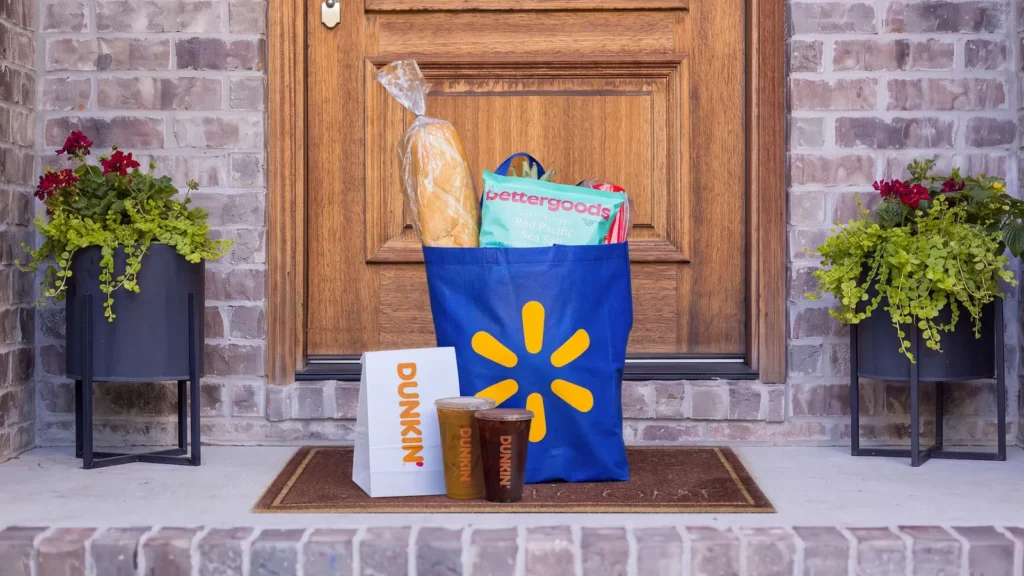
Starting immediately, Walmart customers can order a wide array of Dunkin’ food and beverage items directly through the Walmart website and mobile application. This service integration is not limited to a niche pilot program; instead, it is a broad rollout designed to capture the "convenience economy."
The service will debut across the 150 Dunkin’ locations currently operating inside Walmart stores. However, the company has confirmed plans for an aggressive expansion phase that will eventually encompass the majority of Dunkin’s 10,000 standalone locations nationwide. By embedding restaurant delivery into its native app, Walmart is attempting to turn its digital storefront into a "one-stop-shop" that services not just household staples, but immediate cravings.
A Chronology of Integration: From Subway to Dunkin’
Walmart’s entry into the restaurant delivery space has been calculated and methodical. The timeline of this expansion reveals a clear strategy to test, iterate, and scale:
- 2022: Competitors like Target set the stage by successfully integrating Starbucks orders into their "Drive Up" curbside pickup service. This success provided a proof-of-concept that retail customers value the convenience of bundled services.
- June 2026: Walmart officially entered the restaurant delivery arena by partnering with Subway. As the retailer’s largest in-store tenant, Subway served as the perfect testing ground for logistics, express delivery timelines, and consumer adoption rates.
- August 2026: During the company’s second-quarter earnings call, executives signaled that the role of brick-and-mortar stores was undergoing a fundamental shift, pivoting toward an "omnichannel-first" model.
- September 3, 2026: The official launch of the Dunkin’ delivery partnership, marking the transition from a single-tenant test to a broader restaurant aggregation model.
Supporting Data: The Power of the Store-Fulfilled Model
The shift toward restaurant delivery is backed by compelling internal data. Walmart’s Q2 fiscal year 2027 earnings report revealed that store-fulfilled delivery—the bedrock of this new restaurant initiative—grew by approximately 43%.
More importantly, the efficiency of these operations has reached a critical tipping point. During the second quarter, Walmart reported that roughly 37% of all store-fulfilled orders were delivered in under three hours. By utilizing its existing fleet of delivery drivers and in-store fulfillment teams, Walmart is essentially subsidizing the "last mile" cost that often plagues standalone food delivery apps like DoorDash or Uber Eats.
The retailer’s ability to offer competitive delivery speeds on a vast assortment of goods—now including fresh coffee and breakfast sandwiches—positions it to capture a larger share of the "share of stomach" currently dominated by traditional delivery platforms.
Official Responses: The Strategic Vision
Company leadership has been vocal about the underlying philosophy driving these partnerships. Greg Cathey, Senior Vice President of E-commerce Fulfillment Transformation at Walmart, framed the move as a necessity for the modern consumer.
"The future of retail is about meeting customers wherever they are and simplifying their lives," Cathey stated. "By expanding restaurant delivery beyond our stores, we are offering a value and convenience proposition that is unmatched. We are not just delivering groceries; we are delivering time back to our customers."

CFO John David Rainey echoed this sentiment during the recent earnings call, emphasizing that the physical store remains the crown jewel of the company’s strategy. "The role of our stores has evolved as our model has changed," Rainey noted. "The more omni we become, the more important our stores become—not less important, more important."
The partnership with Inspire Brands—the parent company of Dunkin’—is seen as a masterstroke in collaborative retail. By tapping into an established QSR network, Walmart gains immediate access to a loyal customer base, while Dunkin’ benefits from the massive traffic Walmart drives through its digital channels.
Implications: Changing the Retail Landscape
The implications of this move are far-reaching for several sectors of the economy:
1. The Death of the "Siloed" Delivery Experience
For years, consumers have been forced to toggle between apps: one for groceries (Walmart/Instacart), one for prepared meals (DoorDash/Grubhub), and one for specialty items (Amazon). Walmart’s integration effectively breaks down these silos. By consolidating these services into a single app, Walmart reduces "app fatigue" and increases the frequency with which users open the Walmart interface.
2. The Pressure on Third-Party Delivery Platforms
Companies like DoorDash and Uber Eats now face a formidable competitor. Walmart’s delivery infrastructure is already integrated into its retail operations, allowing it to potentially undercut the delivery fees and service charges that have long been a pain point for restaurant delivery consumers. Furthermore, because Walmart already possesses a massive logistics network for retail goods, they are not reliant on restaurant delivery as their sole source of profit, allowing them to play a long game of price undercutting.

3. The Future of the "Third Place"
Retailers have long searched for ways to keep customers in their ecosystem for longer periods. By offering food and beverage delivery, Walmart is attempting to replicate the success of the "coffee shop" atmosphere within a digital context. If a customer is ordering their weekly groceries, the addition of a Dunkin’ coffee and bagel makes the checkout process feel more rewarding, increasing the likelihood of order completion.
4. The Rise of the "Omni-Store"
The trend toward "omnichannel" retail is no longer just a buzzword; it is the fundamental reality of 2026 commerce. Stores are no longer just warehouses for inventory; they are micro-fulfillment centers, community hubs, and now, restaurant kitchens. As this model matures, we can expect to see more partnerships involving retail giants and major food service chains, as the lines between "shopping" and "dining" continue to blur.
Conclusion: A New Era of Convenience
Walmart’s move to bring Dunkin’ into its delivery ecosystem is a clear signal that the retailer is not content with being a passive participant in the digital economy. By leveraging its store-fulfilled delivery capabilities, the company is positioning itself to be the primary destination for all types of consumer needs.
As the program expands from the initial 150 locations to the broader 10,000-store network, the true test will be consistency and speed. If Walmart can maintain the quality of the restaurant experience while upholding the delivery standards of its retail business, it may well define the next decade of American commerce. For now, the message to competitors is clear: Walmart is no longer just selling what is on the shelf—they are selling a complete lifestyle of on-demand convenience.