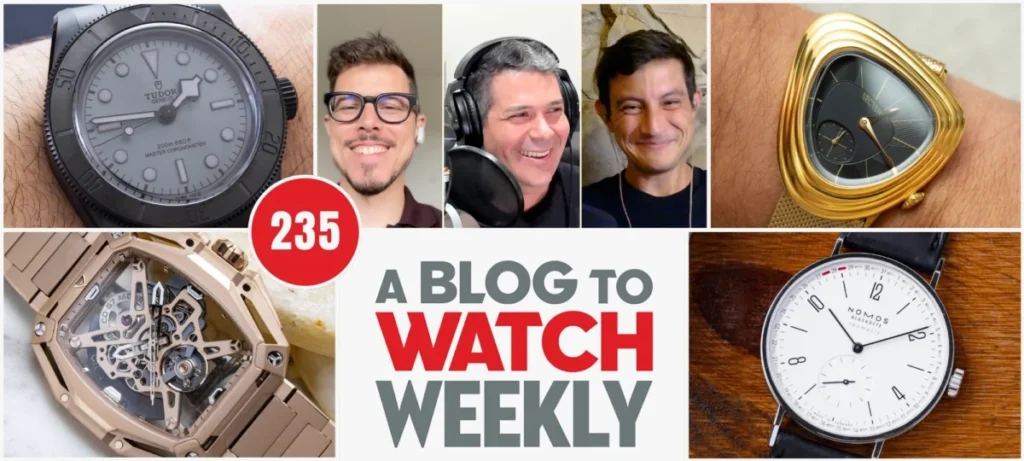
In the ever-evolving world of horology, the conversation surrounding watch design, market trends, and manufacturing shifts has never been more vibrant. This week on aBlogtoWatch Weekly, hosts Ariel Adams, David Bredan, and Ripley Sellers gathered for a candid, wide-ranging discussion that touched upon everything from the philosophical implications of case sizing to the disruptive potential of Chinese watchmaking. As the trio navigated a live broadcast—sans their usual producer, Rick—they unpacked the industry’s most pressing debates, offering a masterclass in how to analyze the intersection of craftsmanship, utility, and market perception.
The Great Size Debate: Beyond the Millimeter
The conversation opened with a perennial favorite among enthusiasts: the debate over watch dimensions. For decades, the industry was caught in a "bigger is better" arms race, leading to an era of gargantuan timepieces that eventually hit a ceiling.
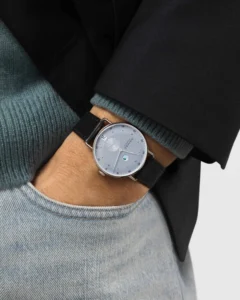
The hosts argued that focusing solely on case diameter—often cited as the primary metric for a watch’s wearability—is a reductive way to view horology. A 40mm watch with long, flat lugs can wear significantly larger than a 42mm piece with a curved, ergonomic case profile. The discussion highlighted that the "natural habitat" of these oversized status symbols has effectively vanished, as consumers shift their preference toward proportional, balanced aesthetics. The consensus among the hosts was clear: case dimensions are merely one chapter in a much larger story of geometry, lug-to-lug distance, and wrist presence.
Avant-Garde Design and Technical Ingenuity
As the broadcast progressed, the tone shifted from traditional watchmaking to the experimental frontier. The hosts turned their attention to the Nectere Eclipse, a timepiece defined by its unconventional architecture. When a watch challenges the traditional circular or rectangular form, it forces the wearer to reconsider the very nature of time-telling.
This segment also touched upon the emergence of "lifestyle-adjacent" watch accessories, including a pair of watch-inspired sunglasses. While such products often blur the line between luxury horology and fashion merchandising, they underscore a broader trend: watch brands are increasingly looking to dominate the entire "personal aesthetic" space.
Furthermore, the hosts lauded NOMOS Glashütte for its innovative approach to the date complication. While many brands treat the date window as an afterthought—often disrupting the symmetry of a dial—NOMOS has managed to integrate it with a level of functional elegance that prioritizes visual harmony. This serves as a reminder that true technical mastery is not always about adding parts, but about solving classic problems with creative clarity.
The Rise of Chinese Horology and Market Value
Perhaps the most provocative segment of the show revolved around a $600 offering from CIGA Design. The watch, which punches well above its weight class in terms of finish and visual complexity, served as a catalyst for a deeper investigation into the state of Chinese watchmaking.
For years, the industry hierarchy was rigid: Switzerland commanded the luxury tier, Japan dominated the reliable mid-market, and everything else was relegated to the "affordable" or "homage" categories. That paradigm is rapidly eroding. The hosts raised a critical question: Should Swiss luxury houses be concerned?
When a brand can produce a watch that offers the visual drama and intricate skeletonization typically associated with five-figure Swiss pieces at a fraction of the cost, the traditional definition of "perceived value" is challenged. The discussion centered on whether Swiss manufacturers rely too heavily on the "Swiss Made" label to justify price hikes, or if the intangible heritage of Geneva-based brands remains an impenetrable moat against global competition.

Tudor and the Ceramic Revolution
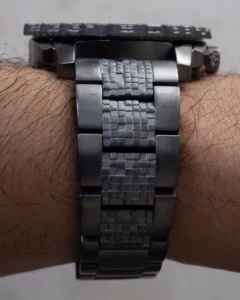
The conversation moved to the heavy hitters, specifically focusing on the Tudor Black Bay Ceramic. This piece has become a lightning rod for debate within the community, primarily due to its all-black aesthetic and full-ceramic bracelet.
The hosts dissected the engineering challenges inherent in working with ceramic. Unlike steel, ceramic is brittle and difficult to machine, requiring significant investment in specialized tooling. This leads to the central question: Is the premium price tag justified?
Beyond the materials, the discussion touched on the butterfly clasp—an engineering feat that, while elegant, often invites debate regarding comfort and security. The group pondered whether Tudor has reached "peak Black Bay." With the collection now spanning every possible variation of metal, size, and complication, the question remains: Can Tudor continue to iterate on this platform, or is it time for the brand to pivot toward a new design language?
Chronology of Industry Shifts
To understand why these specific topics resonate, one must look at the timeline of the last five years in horology:
- 2020-2021: The pandemic-era "hype" phase, where demand for luxury steel sports watches reached an all-time high, forcing manufacturers to rethink supply chains and digital engagement.
- 2022-2023: The market correction, where secondary market prices softened, leading collectors to become more selective and value-conscious.
- 2024-Present: The current "era of quality," where buyers are looking for genuine innovation, proprietary movements, and high-performance materials (like ceramic and titanium) rather than just brand prestige.
This evolution explains why a $600 watch from CIGA Design now receives as much airtime as a flagship Tudor. The modern collector is less concerned with the "prestige" of a name and more concerned with the "substance" of the object.
Implications for the Collector and the Brand
What do these trends mean for the future of the industry?
- The Death of "Vintage" Prestige: The hosts noted that the term "vintage" has, in many circles, lost its automatic cachet. With the market flooded with "neo-vintage" reissues, the original pieces are being scrutinized more heavily for their actual condition and historical importance, rather than just their age.
- The "Wheel of Death" Retirement: In the context of the broadcast, the "Wheel of Death"—a metaphor for the relentless cycle of product releases and influencer hype—is showing signs of fatigue. Brands that lean too heavily on constant novelty rather than core identity are finding it harder to maintain long-term loyalty.
- Rolex’s Shadow: Despite the focus on independent and mid-tier brands, the "Rolex way"—the company’s unmatched ability to maintain value, quality, and demand—remains the baseline for all industry comparisons. Whether discussing Tudor’s ceramic bracelet or NOMOS’s date wheel, the industry constantly measures its successes against the standard set by the Crown.
Conclusion: The Path Forward
The latest episode of aBlogtoWatch Weekly is more than just a summary of new releases; it is a diagnostic report on the health of the watch world. As the industry grapples with the transition from the hyper-inflated markets of the early 2020s to a more grounded, meritocratic landscape, the conversation is shifting toward technical substance and value-for-money.
Whether it is the bold, architectural risks taken by smaller brands or the refined, material-focused updates from industry titans like Tudor, the message is clear: the modern watch consumer is more educated, more demanding, and more willing to look beyond the dial. As Ariel, David, and Ripley demonstrated, the best way to navigate this landscape is to stay curious, challenge the status quo, and never take for granted the engineering that goes into the tools we wear on our wrists.
As the watch industry continues to evolve, the "authentic conversations" hosted by aBlogtoWatch remain an essential resource for anyone looking to navigate the complexities of modern horology. With the industry at a crossroads of tradition and innovation, one thing is certain: the conversation is only just beginning.