By Dani James
Published September 3, 2026
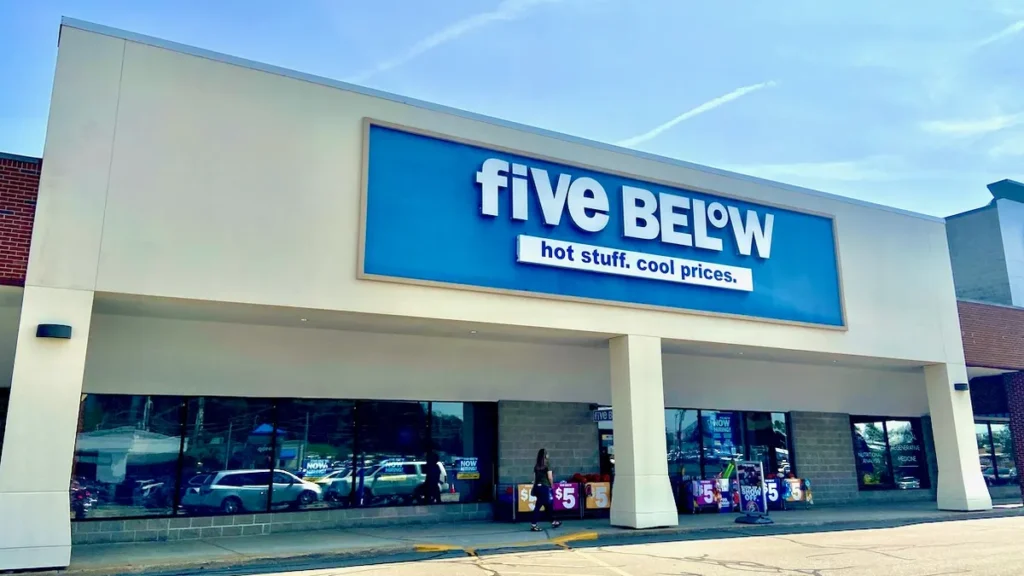
In the rapidly evolving landscape of value-based retail, Five Below has emerged as a resilient outlier. Defying broader macroeconomic headwinds that have stifled growth for many of its peers, the company reported strong second-quarter results that analysts are increasingly attributing to a radical, multi-pronged strategic overhaul initiated throughout 2025.
At the heart of this transformation is a decisive departure from traditional media spending, replaced by a hyper-focused social media strategy that aligns the brand’s identity with the fast-moving trends favored by Gen Alpha, Gen Z, and their millennial parents. As CEO Winnie Park articulated during the company’s recent earnings call, the results are not merely a stroke of luck, but the culmination of a “maniacal focus” on customer intimacy and narrative-driven merchandising.
Main Facts: A Quarter of Strategic Momentum
Five Below’s Q2 performance has silenced critics who questioned whether the retailer could maintain its growth trajectory in a cooling consumer economy. The company’s success in the current quarter is defined by three primary pillars: a pivot in marketing allocation, a fundamental change in how products are curated, and a sustained increase in foot traffic.
Unlike previous years, where the company relied on broader commercial reach, the 2026 strategy has been defined by agility. By shifting capital away from traditional media channels—such as legacy television or print—the retailer has funneled its resources into social platforms where its core demographics live. This has allowed Five Below to capitalize on micro-trends with unprecedented speed, transforming the shopping experience from a static browse into a dynamic, social-media-responsive event.
Chronology: The Road to Transformation
The narrative of Five Below’s current success traces back to the internal shifts that began in early 2025.
- Q1 2025: The company began its “maniacal focus” phase, conducting deep-dive research into the buying habits of its target demographics. Leadership moved to identify the specific needs of Gen Alpha and the millennial parents who control household spending.
- Q2–Q4 2025: A massive internal restructuring of the merchandising department took place. The company stepped back from the "chasing one-off ideas" model, opting instead to build "curated product stories." This period saw the integration of social media listening tools into the product development cycle, ensuring that shelves reflected viral trends in near real-time.
- Early 2026: The full impact of the shift in media spend became apparent. Reduced reliance on traditional channels allowed for a leaner, more effective marketing budget that prioritized engagement over reach.
- Q2 2026: The current reporting period serves as the proof-of-concept for these changes. With positive comps driven by sustained traffic rather than just one-off viral item sales, the retailer has solidified its position as a durable powerhouse.
Supporting Data and Market Analysis
The market’s reception to Five Below’s recent performance has been overwhelmingly positive, with analysts drawing parallels to industry titans. In an emailed note to investors, analysts from Jefferies described the company’s trajectory as the “TJX playbook compounding in real time.” By this, they refer to the high-inventory-turnover model that allows for constant product discovery, a hallmark of success in the discount sector.
"The market still is not paying for the durability," the Jefferies note added, suggesting that investors may be underestimating the long-term potential of the company’s new strategy.
Supporting this view, analysts at William Blair highlighted the sustainability of the growth. Despite “increasingly tough comparisons” against previous successful quarters, Five Below has managed to drive growth through genuine traffic gains. The data suggests that the company is still in the "early days" of its efforts to revamp its merchandising, marketing, and omnichannel initiatives, indicating that there is significant runway left for both customer retention and new customer acquisition.
Official Responses: CEO Winnie Park on the "New Five Below"
CEO Winnie Park, who has been the primary architect of this cultural shift, addressed the company’s transformation with a focus on humanizing the data.

"What we did last year was first put that maniacal focus on the customer," Park said during the Wednesday earnings call. "We got really intimate with what it means to be Gen Alpha, Gen Z, and a millennial parent. We remerchandised and really took a step back to think about not just merchandising items, but how do we do our job telling really great, curated product stories that are grounded in what’s happening out there, especially in social media."
Park’s vision for the company extends beyond the current quarter. Looking toward the horizon, she announced that Five Below plans to expand its physical footprint into Puerto Rico during the latter half of 2027. This expansion is designed to be measured; the company intends to open a handful of initial locations to test the market, treating the entry as a data-gathering exercise before committing to a broader regional rollout.
Implications: A Model for the Modern Retailer
The implications of Five Below’s pivot are profound for the retail industry at large. In an era where many brick-and-mortar retailers are struggling to remain relevant, Five Below has demonstrated that the secret to survival is not just maintaining low prices, but maintaining cultural relevance.
1. The Death of Traditional Media in Value Retail
The move away from traditional media is a significant signal to the retail sector. As advertising costs on legacy platforms rise and engagement rates among younger generations drop, Five Below’s success validates the "social-first" marketing budget. By aligning marketing spend with the platforms where the products are being discussed, the company has effectively shortened the distance between an online trend and a physical sale.
2. The Power of "Curated Stories"
The transition from a "chasing" model—where retailers scramble to stock items as they appear—to a "curated story" model represents a shift toward more sophisticated supply chain management. By building product lines that tell a story rather than just filling a bin, Five Below has successfully increased the "durable" nature of its store traffic. Customers now visit not just for one specific, viral toy, but for the experience of the curated collection.

3. Resilience in a Volatile Economy
Perhaps most importantly, Five Below is proving to be "recession-resistant" in a way that many of its competitors are not. While other retailers face sharp declines as consumers pull back on non-essential spending, Five Below’s ability to cater to Gen Alpha and Gen Z—who are often the beneficiaries of parental spending even in lean times—creates a buffer.
As William Blair analysts noted, the "momentum is sustainable." With the company only in the early stages of its omnichannel rollout and its merchandising overhaul, the coming years are likely to see Five Below not just surviving the macroeconomic climate, but actively defining it.
The retailer is no longer just a store where items are sold for five dollars; it is a laboratory for modern retail, testing how physical spaces can integrate with digital behavior to create a shopping experience that feels as fresh as a TikTok feed, but as reliable as a neighborhood storefront. As they look toward the 2027 expansion into Puerto Rico and beyond, all eyes will be on whether this "maniacal focus" on the customer can continue to produce the high-growth, high-traffic results that defined their stellar 2026.