London, UK – [Date] – The seemingly solid, polished surfaces of gemstones conceal a universe of intricate detail, a testament to their tumultuous geological journeys. For gemmologists, these internal features, known as inclusions, are far more than mere imperfections; they are microscopic time capsules, offering invaluable insights into the formation, origin, and geological history of the very stones they inhabit. While common inclusions are well-understood, certain rare and elusive formations represent "once-in-a-lifetime" discoveries, providing a unique window into processes that unfolded millions, even billions, of years ago.
Pat Daly, a distinguished Gem-A Tutor, has dedicated his career to unraveling these subterranean narratives. In an exclusive discussion, he shares his profound appreciation for these extraordinary inclusions, highlighting their significance not only for identifying gemstones but also for understanding the dynamic Earth processes that shaped them. These rare occurrences, often unseen by even seasoned professionals throughout their careers, offer a compelling glimpse into the planet’s ancient past and the complex environments in which gemstones are born.
The Silent Witnesses: Why Inclusions Matter
Inclusions are an inherent characteristic of most gemstones, a natural consequence of their formation processes. They can be broadly categorized into primary inclusions, which form concurrently with the host gem, and secondary inclusions, which enter the gem after its formation. These can range from microscopic crystals of other minerals, pockets of trapped fluids or gases, to intricate fractures.
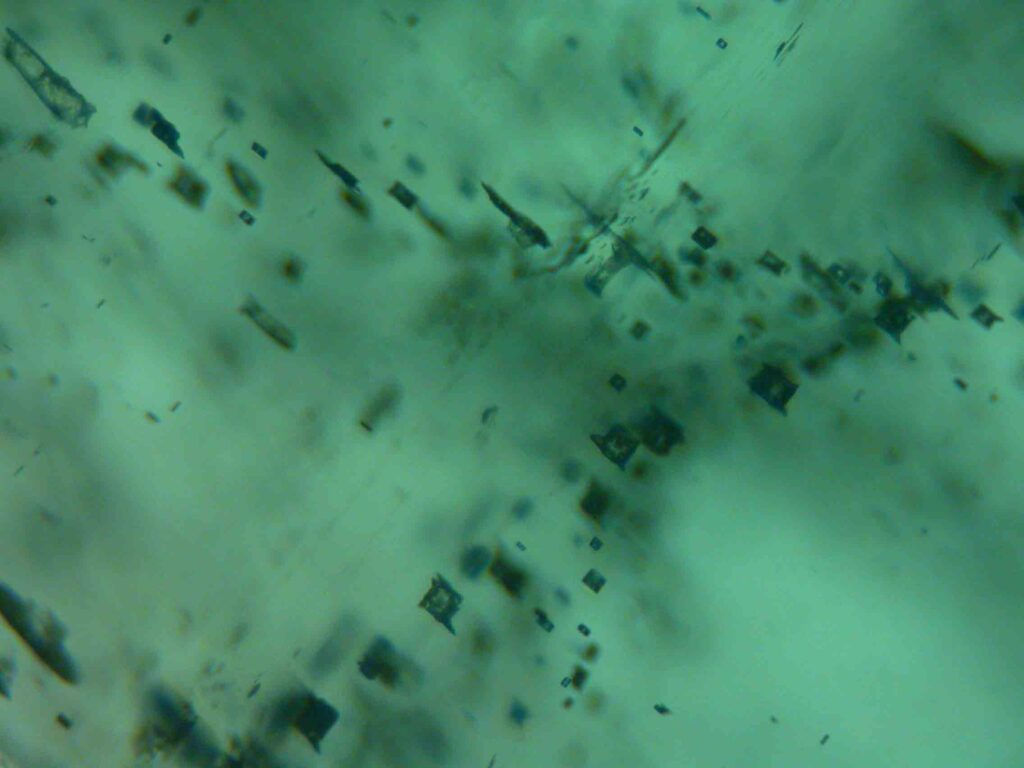
The presence and nature of inclusions significantly influence a gemstone’s value and identification. In diamonds, particularly near-colourless varieties, visible inclusions can drastically reduce clarity and, consequently, market value. However, their impact on coloured gemstones is often less pronounced, as their aesthetic appeal is primarily driven by colour. Paradoxically, some inclusions, rather than detracting from a gem’s worth, can enhance it. These "desirable" inclusions serve as crucial forensic evidence, confirming a stone’s natural origin, revealing whether it has undergone any treatments, and even pinpointing its geographical source.
"It’s a common misconception that inclusions are always negative," explains Daly. "While excessive or unsightly inclusions can indeed diminish a gem’s beauty and value, many are incredibly informative. They are the fingerprint of the gem’s birth, the story etched within its crystalline structure. Some inclusions are so telling that they can definitively link a stone to a specific mine or geological environment, which is invaluable for both trade and scientific research."
While common inclusions like horsetails, ‘rain’ drops, or ‘tiger stripes’ are readily identifiable by experienced gemmologists, others are so exceedingly rare that encountering them is a momentous occasion. These "once-in-a-lifetime" inclusions, as Daly terms them, offer unparalleled insights into the extreme conditions and unique geological events that have shaped our planet.
Unearthing Geological Marvels: A Compendium of Rare Inclusions
The study of gemstones is intrinsically linked to the study of geology. The environments in which gems form are often extreme, involving immense pressures, high temperatures, and specific chemical compositions. The inclusions found within these gems are direct products of these conditions, acting as frozen snapshots of ancient Earth.
Ruby Crystals in Diamond: Echoes from the Deep Earth
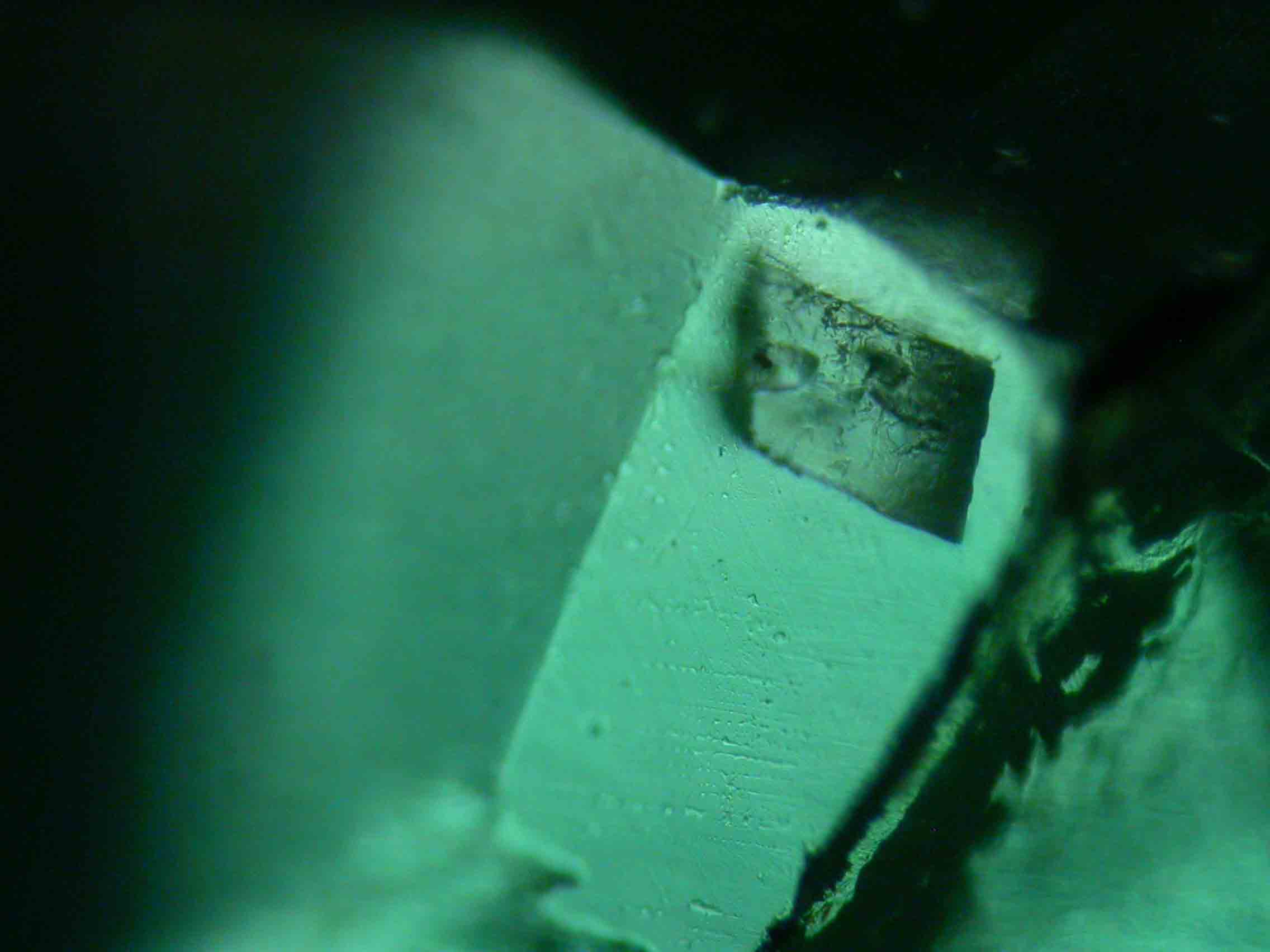
The lithosphere and mantle beneath continents, at depths ranging from approximately 200 to 800 kilometers, are the theorized birthplace of gem-quality diamonds. These environments are rich in minerals like peridotites and eclogites. While chrome-bearing pyrope garnets are commonly observed as red inclusions in diamonds, the presence of actual ruby crystals is exceptionally rare.
The occurrence of ruby within diamonds is intrinsically linked to eclogites, a specific type of metamorphic rock. This association suggests that these rare rubies formed under similar high-pressure, high-temperature conditions as the diamonds themselves. Alongside ruby, other equally rare inclusions like rutile, coesite (a high-pressure polymorph of silica), and blue kyanite can also be found. The identification of any of these inclusions within a diamond would undoubtedly bring immense satisfaction to any gemmologist, representing a direct connection to the deep Earth’s ancient geological processes.
Parisite in Emerald: A Tale of Rare Earth Elements
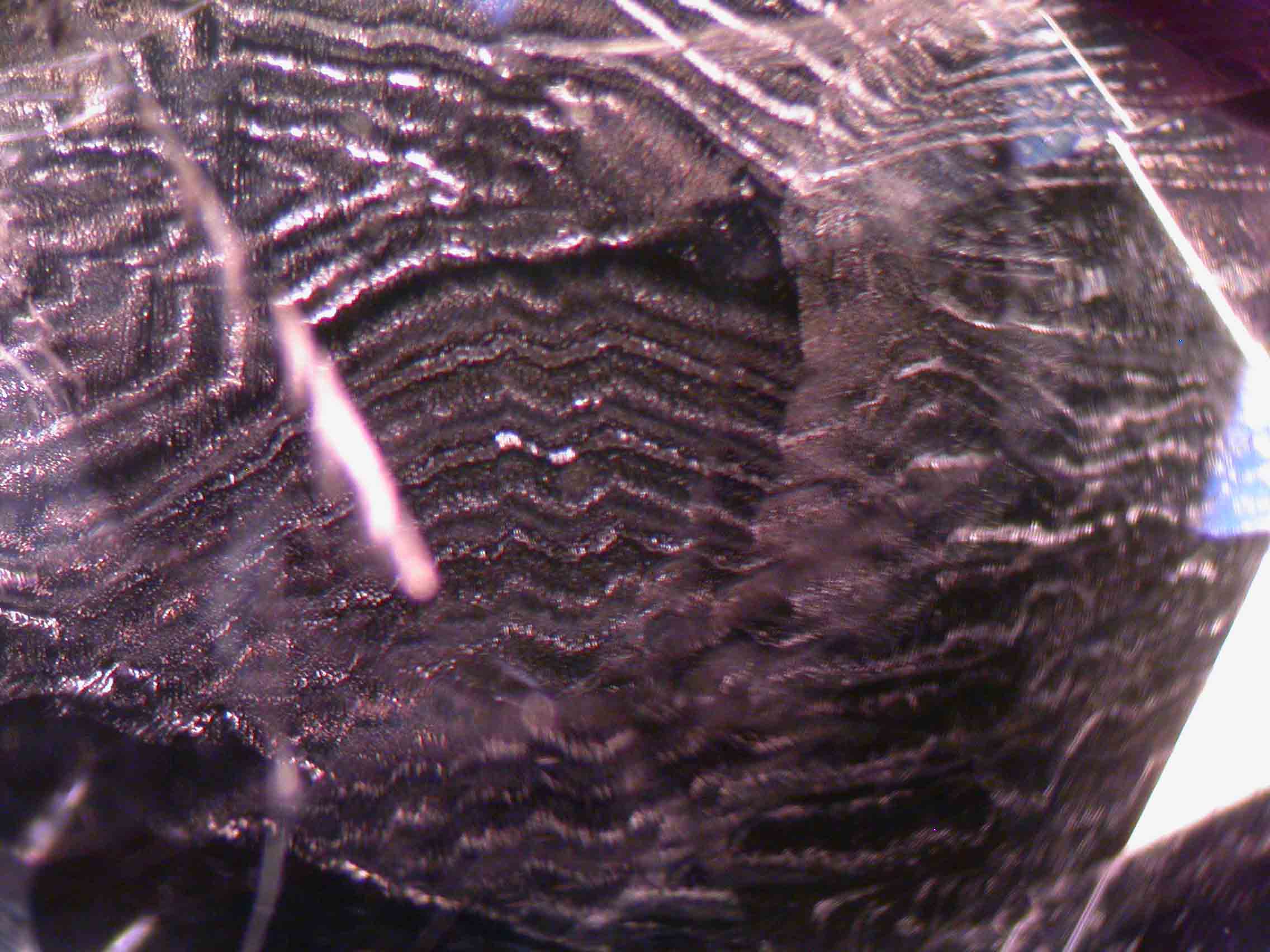
Emeralds, prized for their vibrant green hue, are a variety of the mineral beryl. Their formation is typically associated with hydrothermal veins or pegmatites. However, certain emeralds, particularly those originating from the renowned Muzo mines in Colombia, can contain a unique and rare inclusion: parisite.
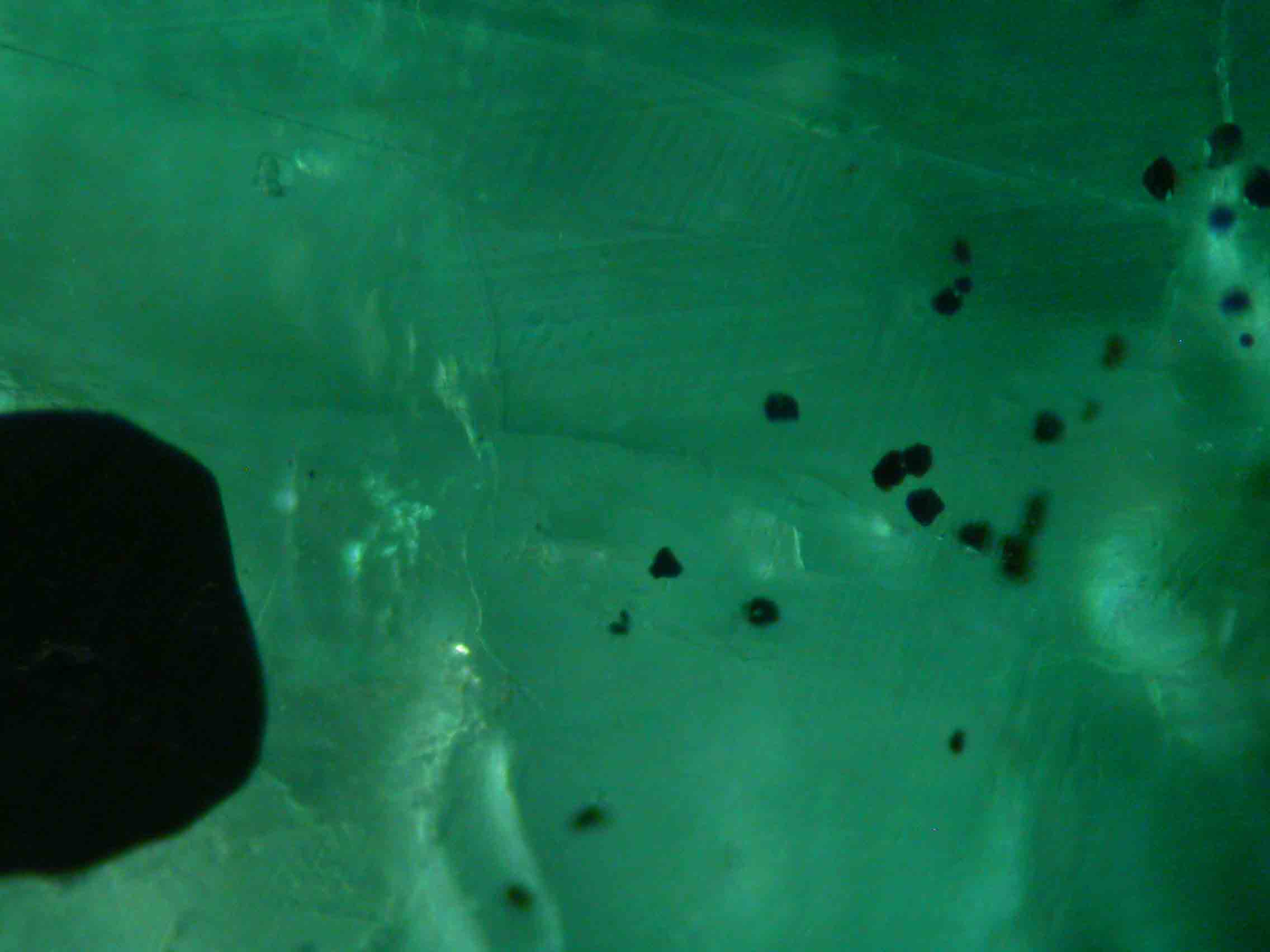
Parisite is a complex carbonate mineral composed of cerium and other rare earth elements. The term "rare earths" refers to a group of 17 chemical elements with similar properties, often found together in trace amounts within various minerals. While rare earth elements are known to gemmologists primarily through the distinctive spectral signatures they impart to gemstones like apatite, minerals where they are essential components are uncommon. The presence of parisite crystals, often appearing as brown inclusions within Colombian emeralds, is a significant indicator of the gem’s natural and geographical origin. Furthermore, some emeralds containing parisite exhibit a rare earth spectrum, offering a compelling piece of evidence for their provenance and the unique geological conditions under which they formed.
Tourmaline in Kashmir Sapphire: A Signature of Origin
Kashmir, a region historically celebrated for producing some of the world’s most exquisite sapphires, is a prime example of how specific inclusions can act as irrefutable markers of geographical origin. While high-quality Kashmir sapphires are infrequent, the discovery of tourmaline crystals as inclusions within them is even rarer.
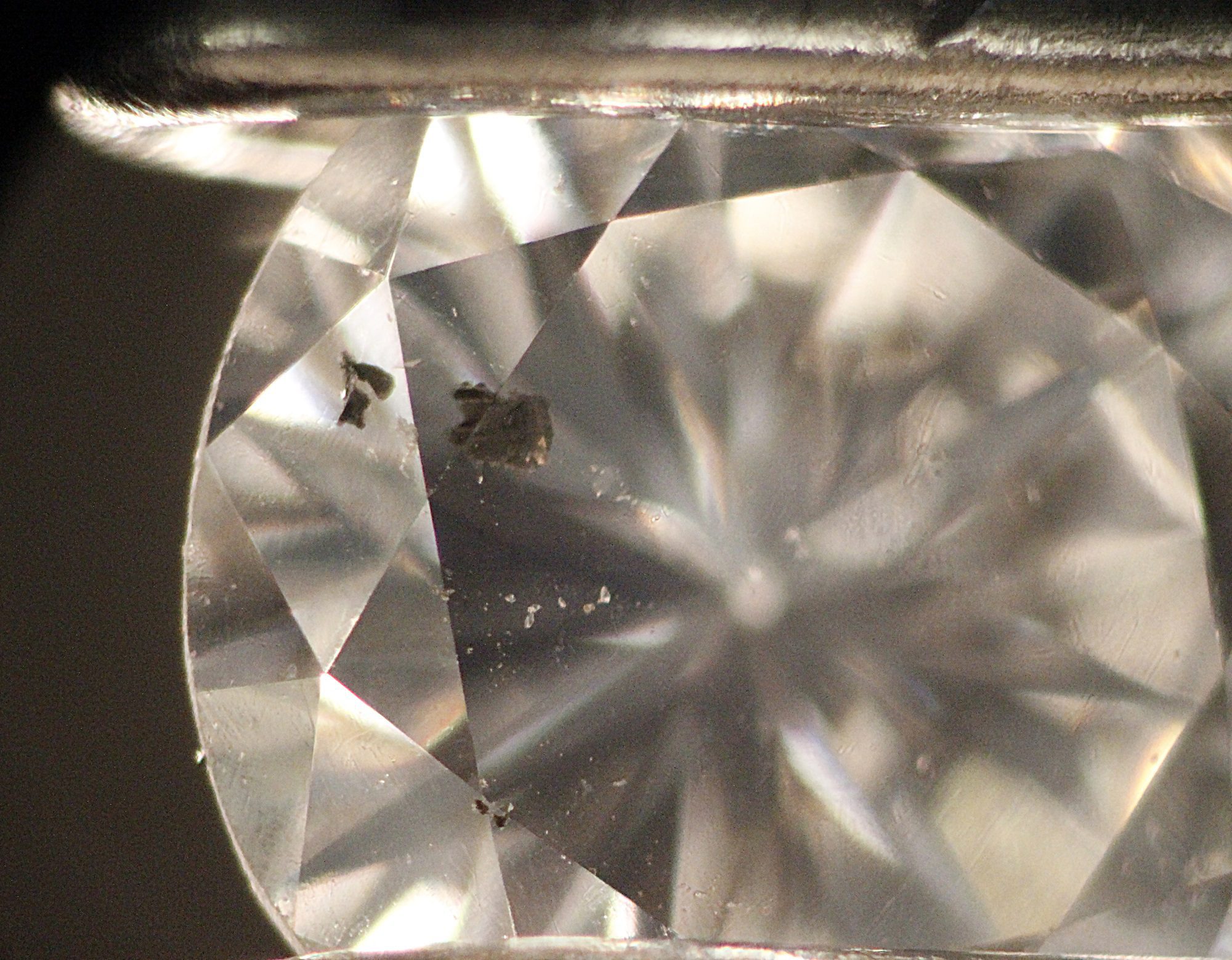
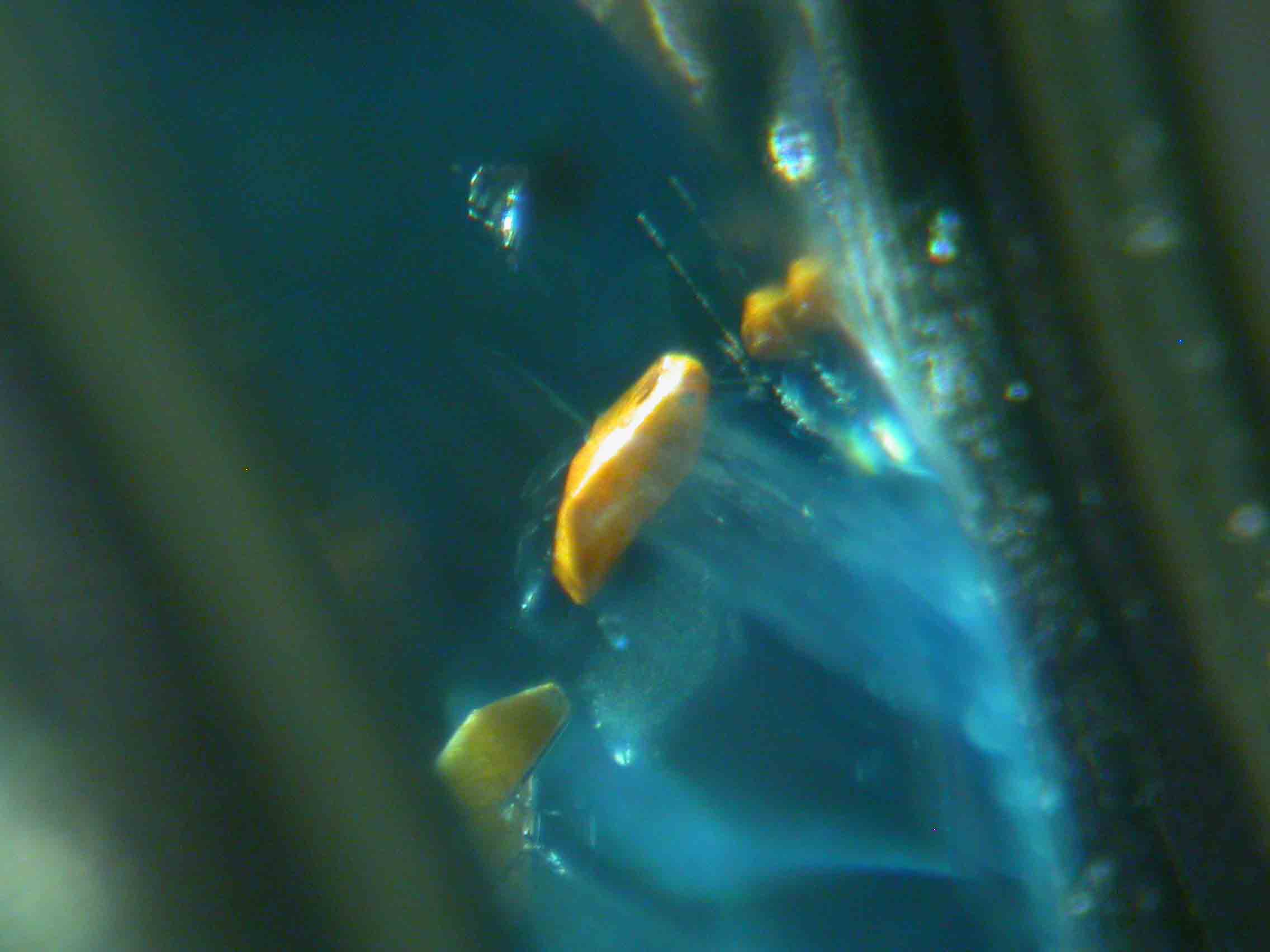
These transparent green tourmaline crystals, sometimes observed in sapphires from the Kashmir region, are believed to originate from deposits located in proximity to the sapphire extraction sites. Although these tourmaline crystals themselves may be brittle and of lesser gem quality, their presence within a sapphire is considered definitive proof of its Kashmiri origin. For gemmologists and collectors, confirming the presence of these tourmaline inclusions can significantly enhance the value and desirability of a sapphire, provided they do not detract from the stone’s overall appearance. This exemplifies how even seemingly minor inclusions can hold immense significance in the world of gem identification and valuation.
Animal Fossils in Precious Opal: A Prehistoric Menagerie
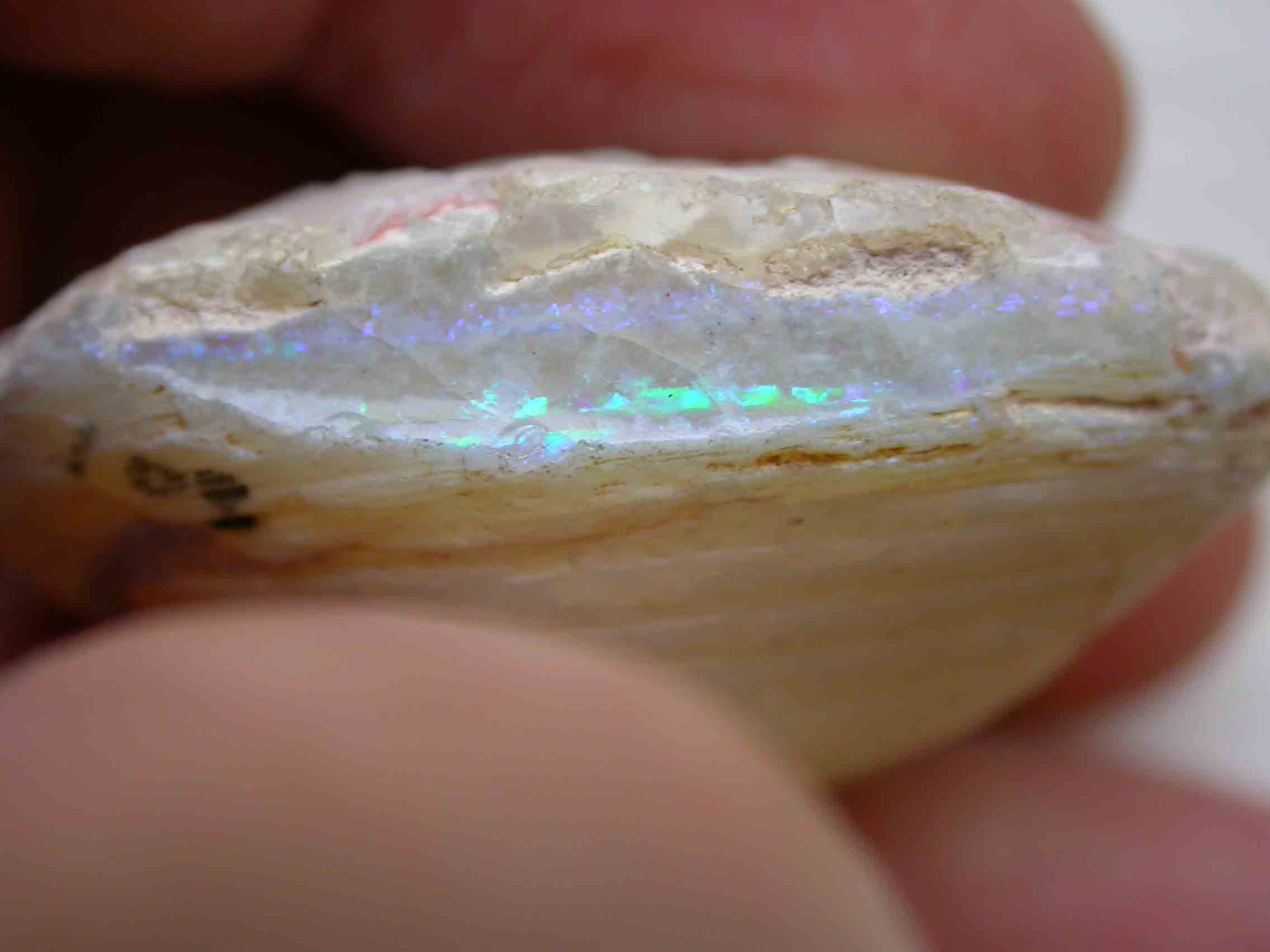
While amber is widely recognized for preserving ancient insects, precious opal also holds the remarkable ability to encapsulate fossilized life. In Australia, opalized fossil shells, bones, and even the skeletal remains of marine animals have been unearthed, offering extraordinary insights into prehistoric ecosystems. More remarkably, at Lightning Ridge in New South Wales, opal has preserved the remains of terrestrial creatures, including dinosaurs, mammals, and the flying reptiles known as pterosaurs.
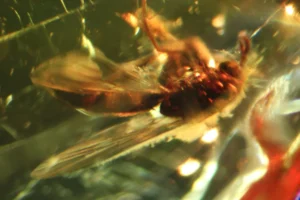
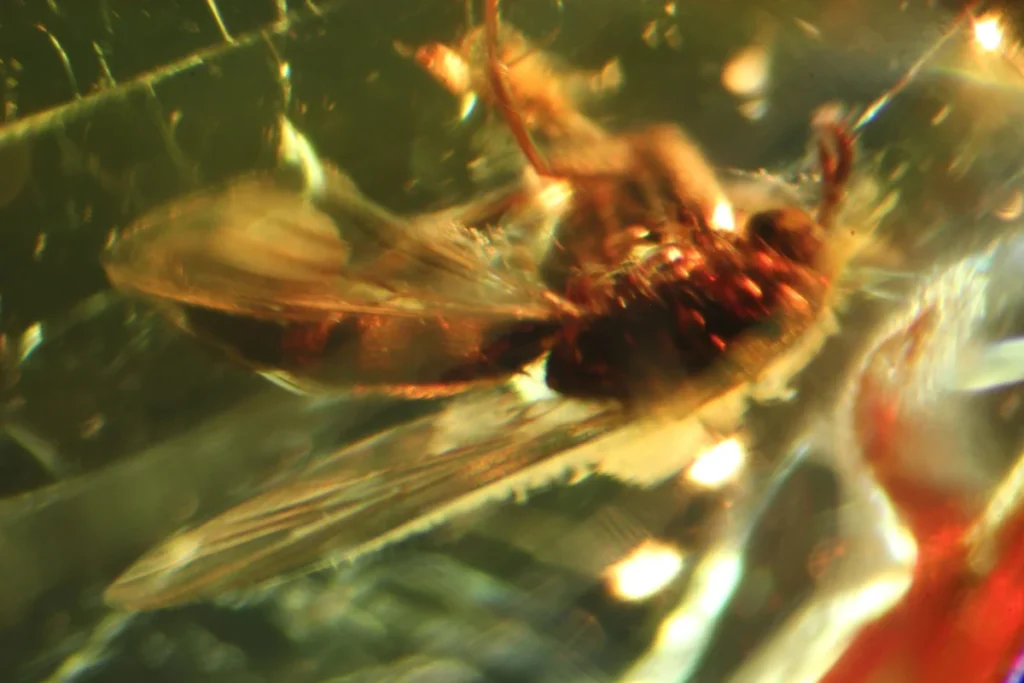
However, the rarest of these fossilized treasures are often the most delicate. A few years ago, a significant discovery was made in Indonesia: a piece of precious opal containing a remarkably well-preserved insect. Identified as an immature cicada, the specimen displayed intricate details of its body, including external features like hairs and mouthparts, a testament to the exceptional preservation capabilities of opal. Estimated to be between 5 and 10 million years old, this ancient insect was preserved by silica dissolved from the weathering of volcanic glass. While insects are commonly found in amber and copal resin, encountering one encased in precious opal is an exceedingly rare event, offering gemmologists a unique opportunity to study prehistoric life.
Rare Vertebrate Fossils in Amber: Giants of the Past
The notion of finding large vertebrate fossils in amber is often met with skepticism, as it is theorized that animals exceeding approximately 20mm in size would typically be able to extricate themselves from sticky tree resin. Nevertheless, such extraordinary discoveries have been documented. Partial and, in exceptionally rare instances, complete lizard fossils have been unearthed in amber from regions such as the Baltic, Dominica, and Mexico. Reports also include the preservation of fur, feathers, and snakeskin.
Myanmar amber, dating back nearly 100 million years to the Cretaceous Period, has yielded similarly rare vertebrate remains. Among the most captivating finds in recent years was the reported discovery of a small dinosaur skull embedded in Myanmar amber. Measuring approximately 14mm in length and featuring a toothed jaw, it was initially believed to be that of an insectivorous dinosaur. However, subsequent research on this and another specimen has led to a reclassification, suggesting it is likely a lizard-like creature rather than a dinosaur or avian dinosaur.
Another remarkable recent find is a feathered tail, approximately 37mm long, embedded in amber. The structure of this tail definitively excludes it from belonging to a bird, suggesting it may be a non-avian dinosaur remnant. This discovery represents perhaps one of the rarest inclusions found in gem materials to date. The excitement generated by such finds fuels further exploration, potentially leading to more extraordinary discoveries. The opportunity to study such incredibly rare inclusions is a privilege that few gemmologists will ever experience.
The Broader Implications: Inclusions as Geological Archives
These extraordinary inclusions serve as invaluable archives of Earth’s history. They provide tangible evidence of ancient ecosystems, past climates, and the dynamic geological processes that have shaped our planet over millennia. The study of these microscopic witnesses allows scientists to:
- Reconstruct ancient environments: The mineralogical composition and geological context of inclusions can reveal details about the temperature, pressure, and chemical conditions present during gemstone formation.
- Trace geological events: Inclusions can act as markers of specific geological events, such as volcanic eruptions, meteorite impacts, or tectonic shifts.
- Understand evolutionary pathways: The preservation of ancient organisms, like insects and vertebrates in amber and opal, offers direct insights into the evolution of life on Earth.
- Verify authenticity and provenance: For the gem trade, unique inclusions are crucial for authenticating gemstones and determining their origin, combating fraud and ensuring fair market value.
As technology advances, gemmologists are equipped with increasingly sophisticated tools, such as advanced microscopy, spectroscopy, and chemical analysis, to study these minuscule inclusions in greater detail. This ongoing research promises to unlock even more secrets held within the Earth’s most beautiful treasures. The allure of gemstones extends far beyond their aesthetic appeal; they are intricate geological records, waiting to be deciphered by those with the knowledge and passion to look within.
For those new to the captivating world of gemstones and eager to deepen their understanding, Gem-A offers a foundational online course, GemIntro. This comprehensive program is an ideal starting point for aspiring gemmologists.
[Link to GemIntro course]