By Editorial Staff
August 17, 2026
As the late-summer rush for school supplies reaches its peak, a stark transformation in consumer behavior has emerged across the American retail landscape. While record-breaking spending figures dominate the headlines, beneath the surface, a more complex narrative is unfolding: one defined by sharp income divides, a retreat from discretionary spending, and a growing reliance on alternative financing models.
New data from industry analyst Circana reveals that the current retail engine is no longer driven by broad-based consumer enthusiasm. Instead, growth is increasingly concentrated among high-income households, while the average shopper is navigating a climate of profound fiscal constraint. As retailers brace for the remainder of the third quarter, the message from the consumer is clear: the era of impulsive shopping is yielding to an era of strategic, purpose-driven acquisition.
The Core Conflict: Record Spending vs. Financial Fragility
The paradox of the 2026 back-to-school season lies in the tension between rising aggregate spending and declining individual purchasing power. According to recent reports from the National Retail Federation (NRF) and Prosper Insights & Analytics, total spending for K-12 students is projected to reach an all-time high of $43.3 billion, a notable increase from the $39.4 billion recorded in 2025.
However, this headline figure masks a deeper vulnerability within the household. While the total volume of money moving through retail channels is expanding, the distribution of that spending is heavily skewed. For the majority of American families, the current inflationary environment and lingering cost-of-living concerns have created a state of "prioritization fatigue."
Retailers are finding that the traditional levers of demand—namely broad, store-wide promotions—are losing their efficacy. Where consumers once responded to general sales, they are now engaging in rigorous cost-benefit analyses, opting for "needs-based" purchases over the "wants-based" spending that previously fueled the retail sector’s growth.
A Chronological Shift in Consumer Strategy
To understand the current retail climate, one must look at the progression of shopping behaviors over the last eighteen months.
Early 2026: The Anticipation Phase
As the year began, there was cautious optimism that easing supply chain constraints would stabilize prices. However, persistent macroeconomic pressures—including high interest rates and the gradual erosion of pandemic-era savings—began to weigh on household budgets by late spring.
July 2026: The Pivot to Essentials
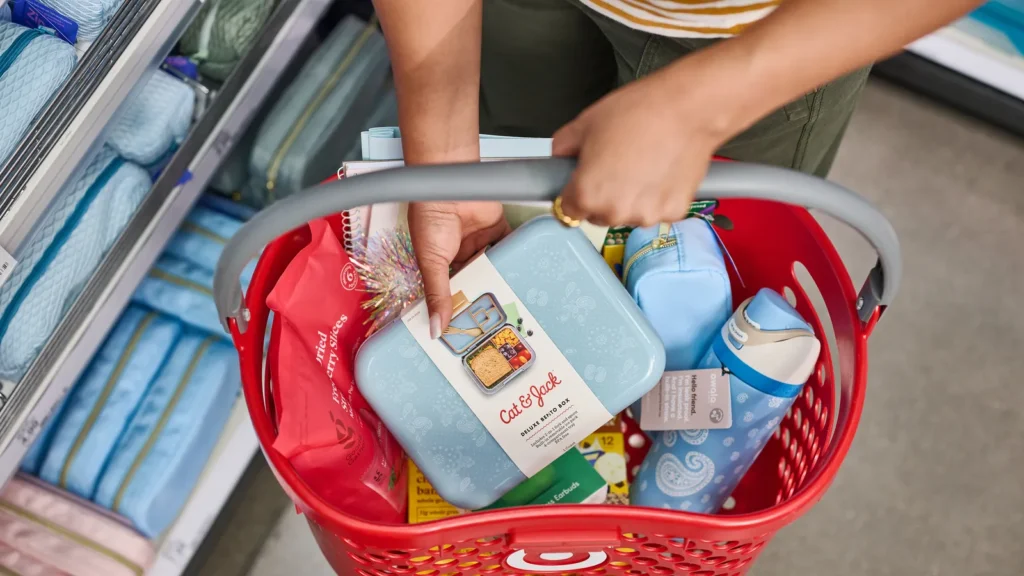
By July, data from Circana confirmed a shift in focus. Shoppers began signaling their intent to prioritize high-utility items. Technology, essential school supplies, and classroom staples took center stage in household budgets. Conversely, sectors like apparel began to see a softening in demand.
August 2026: The Realization
As the first day of school approaches, that shift has solidified. Data now suggests that the expected decline in children’s apparel sales—projected at 1% to 2% for Q3—is not merely a result of lower demand for clothing, but a strategic decision by parents to delay these purchases. Many families are opting to stretch their apparel budget across the entire academic year, purchasing items as needed rather than engaging in a single, large-scale "back-to-school haul."
Supporting Data: The Financial Stress Index
The financial strain on the American consumer is no longer a matter of speculation; it is quantified by the rapid rise of alternative payment structures.
According to a report from Omnisend released last month, approximately 40% of parents anticipate feeling significantly more financial stress this season compared to 2025. This anxiety is translating into a behavioral shift toward "Buy Now, Pay Later" (BNPL) services. Participation in BNPL programs for school-related shopping has surged to 45% of U.S. households, a significant increase from 39% just one year ago.

This reliance on deferred payment indicates that for a growing segment of the population, the cost of school essentials is exceeding current cash flow. Retailers who have integrated seamless BNPL options at checkout are finding themselves better positioned to capture this demand, whereas those reliant on traditional credit or debit transactions may be seeing a higher rate of abandoned carts.
Official Responses and Industry Perspectives
Kiara Barrett, Global Head of Thought Leadership at Circana, provided a sobering assessment of the current environment.
"Consumers are still spending, but they are increasingly doing so through prioritization rather than expansion; driven by purpose rather than promotions," Barrett stated. "Promotional activity remains important, but broad discounts alone are generating less incremental demand. The consumer is looking for value, but they are defining value by how well a product meets an immediate, essential need."
This perspective is echoed by analysts across the retail spectrum who note that the "spray and pray" marketing model—where retailers hope that wide-reaching discounts will trigger store traffic—is largely obsolete. Instead, successful retail strategies in 2026 are those that leverage data to identify precisely what a household needs and when, rather than relying on the hope that a discount will trigger an impulse purchase.
Macroeconomic Implications for the Retail Sector
The implications of this shift are profound for the remainder of the fiscal year. As we look toward the fourth quarter and the critical holiday shopping season, several trends are likely to intensify:
1. The Death of Incremental Demand
Retailers can no longer assume that a discount will result in a consumer buying more than they originally planned. If a parent is shopping for a laptop for their student, a discount on accessories or apparel is less likely to tempt them into an additional purchase if the household budget is already tight. Retailers must shift toward a model that focuses on maximizing the "share of wallet" for essential categories.

2. The K-Shaped Retail Recovery
There is a widening divide between retailers that cater to high-income consumers and those that cater to the mass market. Higher-income households remain relatively insulated from the current economic pressures, allowing them to continue discretionary spending. Retailers that serve this segment will likely see continued growth, while those positioned toward the value-conscious consumer will continue to grapple with the "prioritization" trend identified by Circana.
3. The Long-Term Impact of BNPL
The normalization of Buy Now, Pay Later as a standard tool for seasonal shopping suggests a fundamental change in consumer finance. As more households integrate these services into their standard budgeting, the risk profile for retailers and lenders alike shifts. Retailers must now manage the complexities of these payment structures while ensuring that their inventory strategy remains lean to avoid the need for deep, margin-eroding markdowns later in the season.
Conclusion: Adapting to the New Reality
The back-to-school season of 2026 serves as a bellwether for the broader retail economy. The days of indiscriminate spending are currently paused, replaced by a climate of disciplined, necessity-focused consumption.
For retailers, the challenge is clear: the ability to compete in this environment requires a departure from traditional promotional strategies. It demands a granular understanding of the consumer’s financial reality and an agility that allows for the adjustment of inventory and marketing to match the shift toward essential-only purchasing.
As the calendar turns toward the end of the third quarter, the retail sector stands at a crossroads. The companies that thrive will be those that stop treating the consumer as a monolith and start treating them as a navigator of a complex and increasingly restricted financial landscape. The record-high spending figures are a testament to the importance of the school season, but the behavior behind those numbers is a cautionary tale for any brand that ignores the modern consumer’s need for purpose and fiscal prudence.