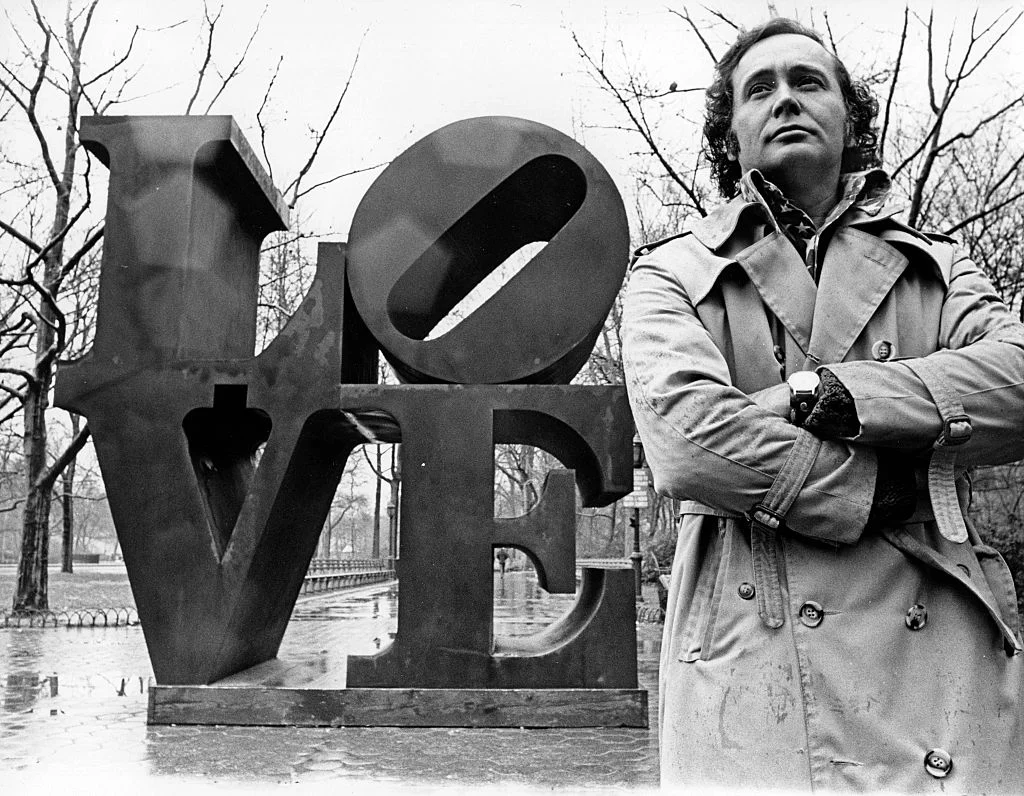
The art world is currently reeling from a decision by the Star of Hope Foundation to list the former residence and studio of Pop Art icon Robert Indiana for sale. The property, a historic 19th-century Odd Fellows lodge located on the island of Vinalhaven, Maine, was intended by the artist—best known for his ubiquitous "LOVE" series—to serve as a public museum and educational center. Instead, the foundation has opted to divest from the real estate, signaling a sharp pivot in its strategy that has ignited a fierce debate between the necessity of fiscal pragmatism and the sanctity of an artist’s final wishes.
The Heart of the Matter: Properties for Sale
The Star of Hope, a prominent landmark overlooking Vinalhaven’s harbor, has been listed for $1.4 million. A second, smaller property once owned by Indiana, located just a few doors away, has also been placed on the market with an asking price of $210,000.
For the foundation, these sales represent a move to shed the burden of property management, which they argue has become an insurmountable obstacle. However, for those who championed Indiana’s vision, the move is seen as a betrayal of the clear, written instructions left behind in the artist’s will. The discord highlights a common yet painful friction in the art world: how should estates balance the preservation of a physical legacy against the practical demands of modern philanthropy?
Chronology: From Creative Sanctuary to Contentious Asset
Robert Indiana’s connection to Vinalhaven was long and profound. Moving to the island in 1978, he spent four decades living and working in the Star of Hope lodge. It was here that he continued his exploration of American identity, spirituality, and graphic design, surrounded by the rugged, quiet beauty of the Maine coast.
- 1978: Robert Indiana moves to the Star of Hope lodge on Vinalhaven.
- 2018: Indiana passes away at age 89. His will stipulates that the home be restored and transformed into a museum-quality space for public exhibitions and education.
- 2018–2024: The Star of Hope Foundation, tasked with managing the estate, begins the arduous process of stabilizing the decaying structure. Efforts include repairing the Mansard roof and restoring windows and doors.
- August 2026: The foundation announces it is listing both the Star of Hope and the nearby secondary property for sale, citing the excessive cost and difficulty of property management.
The Vision vs. The Reality
In his final directives, Indiana was explicit: he wanted his home to serve as a beacon for art lovers and a resource for the local community. The will specifically called for the building to be opened to the public for classes, lectures, and the exhibition of his personal collection.
For years, the Star of Hope Foundation seemed committed to this path. They invested significant capital into stabilizing the building, which had fallen into a state of severe disrepair by the time of Indiana’s death. Reports from the time indicated that the building suffered from rotting clapboards, peeling paint, and a leaking roof that required urgent intervention.
However, the reality of maintaining a 19th-century structure on a remote island proved to be a "quagmire." As the foundation dug deeper into the building’s structural and regulatory challenges, the goal of creating a museum-quality institution began to seem less like a sustainable dream and more like a financial black hole.
Official Responses and Internal Justifications
The foundation’s leadership has been transparent about its shift in philosophy. Carole Martin, the managing director of the Star of Hope Foundation, has defended the sale as a move toward greater efficacy.
"These properties are not our purpose—supporting artists is," Martin told the New York Times. She emphasized that the foundation’s core mission is to act as a benefactor for the Maine arts community. By liquidating the real estate, the foundation intends to convert stagnant, high-maintenance assets into "philanthropic capital" that can be deployed directly into grants, scholarships, and organizational support for living artists.
"We are one of many organizations trying to solve a hard problem—how to bring new life to a building that has sat empty for years," Martin added. "Selling the property while investing directly in local artists and organizations is the most honest path forward."
A Chorus of Critics
The decision has not been met with universal approval. Many who knew Indiana or worked on his estate represent a vocal opposition, arguing that the foundation is failing its primary duty: to respect the donor’s intent.
Kevin Lipson, a partner at the law firm Venable, which represented Indiana’s estate during previous litigation, did not mince words. In a recent interview, he characterized the move as "a remarkable repudiation of Robert Indiana’s testamentary intent." According to Lipson, Indiana’s expectation was clear: he envisioned a space that would keep his work alive in the very place he called home. To abandon that vision is to ignore the primary reason the foundation was established in the first place.
This sentiment is echoed by local figures like Marjorie Stratton, the town manager of Vinalhaven. Speaking in a personal capacity, Stratton recalled the conversations she had with the artist about the building’s future. She noted that Indiana had specific, altruistic dreams for the lodge, including using it as a hub for youth education and research. "It just makes me sad that this foundation doesn’t seem to be following through with what he told me he wanted that to be," she lamented.
The Local Perspective: Pragmatism or Opportunity?
Not every resident of Vinalhaven views the sale with hostility. Some, including local business owners who have watched the property sit dormant, see the potential for a fresh start. Elaine Crossman, who operates a gallery and motel on Main Street, noted that the foundation’s renovation efforts were beginning to feel like a never-ending ordeal.
Crossman expressed optimism that a new owner, perhaps a private entity or a developer, might be able to inject life back into the building—potentially even opening the storefronts that have been dark for years. "I’m optimistic that this is actually a really positive move," she said. "My hope would be that this is a big step in the right direction for that group to be able to do some positive work in the community."
Implications: The Burden of Legacy
The controversy surrounding the Star of Hope raises broader questions about the ethics of estate management. When an artist leaves behind a specific, public-facing directive, at what point does that directive become a liability?
The case of Robert Indiana serves as a cautionary tale for those who seek to preserve their legacy through foundations. It highlights the gap between the visionary idealism of the creator and the administrative realities faced by their successors.
Key Implications:
- Fiscal Sustainability: The foundation argues that it is better to fund current artists than to "worship at the altar of a building." This shift reflects a broader trend in philanthropy, where impact-oriented spending is prioritized over historic preservation.
- Regulatory Hurdles: The "rough shape" of the Star of Hope serves as a reminder that historic preservation is not merely a matter of desire; it is a matter of building codes, environmental regulations, and the immense cost of maintaining archaic infrastructure.
- The "Testamentary Intent" Debate: Can a foundation ever truly deviate from a will without losing its moral authority? The tension between the foundation’s desire for flexibility and the critics’ demand for fidelity will likely continue to spark legal and ethical discourse.
Conclusion: What Comes Next?
As the "For Sale" sign stands before the Star of Hope, the fate of Robert Indiana’s legacy in Vinalhaven remains in flux. While the foundation moves forward with its new, more liquid-asset-heavy strategy, the community is left to wonder if the loss of the physical museum is a necessary sacrifice for the sake of broader support for the arts.
Whether the building becomes a new cultural hub under different ownership or remains a private residence, the episode underscores the inherent difficulty of memorializing an artist whose work was as bold and declarative as "LOVE," but whose final home proved far more complex to manage. For now, the Star of Hope remains a symbol of the friction between the past we wish to preserve and the future we are forced to fund.