For two decades, the watchmaking world has been embroiled in a passionate, often heated, debate over a single, deceptively simple metric: the diameter of a wristwatch case. To the uninitiated, it seems like a straightforward matter of anatomy—does the watch fit the wrist? However, as any veteran collector knows, the discourse surrounding watch dimensions is arguably the most emotionally charged topic in the horological community. It is a complex intersection of aesthetic philosophy, shifting cultural tides, and the relentless march of fashion.
The truth is that while there are popular case sizes, there is no "perfect" dimension. A design that sings at 38mm might appear diminished at 44mm, and vice versa. Despite the internet forums’ obsession with strict rules, the reality is far more fluid.
Main Facts: The Psychology of the Wrist
The contention over watch sizes is rarely about utility; it is a manifestation of personal identity and aesthetic preference. While a shoe must fit a foot to be functional, a watch is a flexible accessory. A collector can comfortably wear a wide range of sizes, provided the design is well-proportioned and ergonomic.

The core rule of thumb often cited by experts is simple: if the lugs of the watch overhang the width of your wrist, you have likely crossed into territory that leans more toward "clunky" than "bold." Yet, even this is subjective. Ultimately, the industry produces a vast array of sizes because human anatomy is diverse, and consumer taste is even more so. The "correct" size is, quite simply, whatever brings the wearer the most joy while remaining aesthetically harmonious.
A Chronological Journey: From Miniaturization to Excess
The history of the wristwatch is a testament to how external factors—technology, the ubiquity of mobile phones, and global economic shifts—dictate fashion.
The Era of Miniaturization (1920s–1960s)
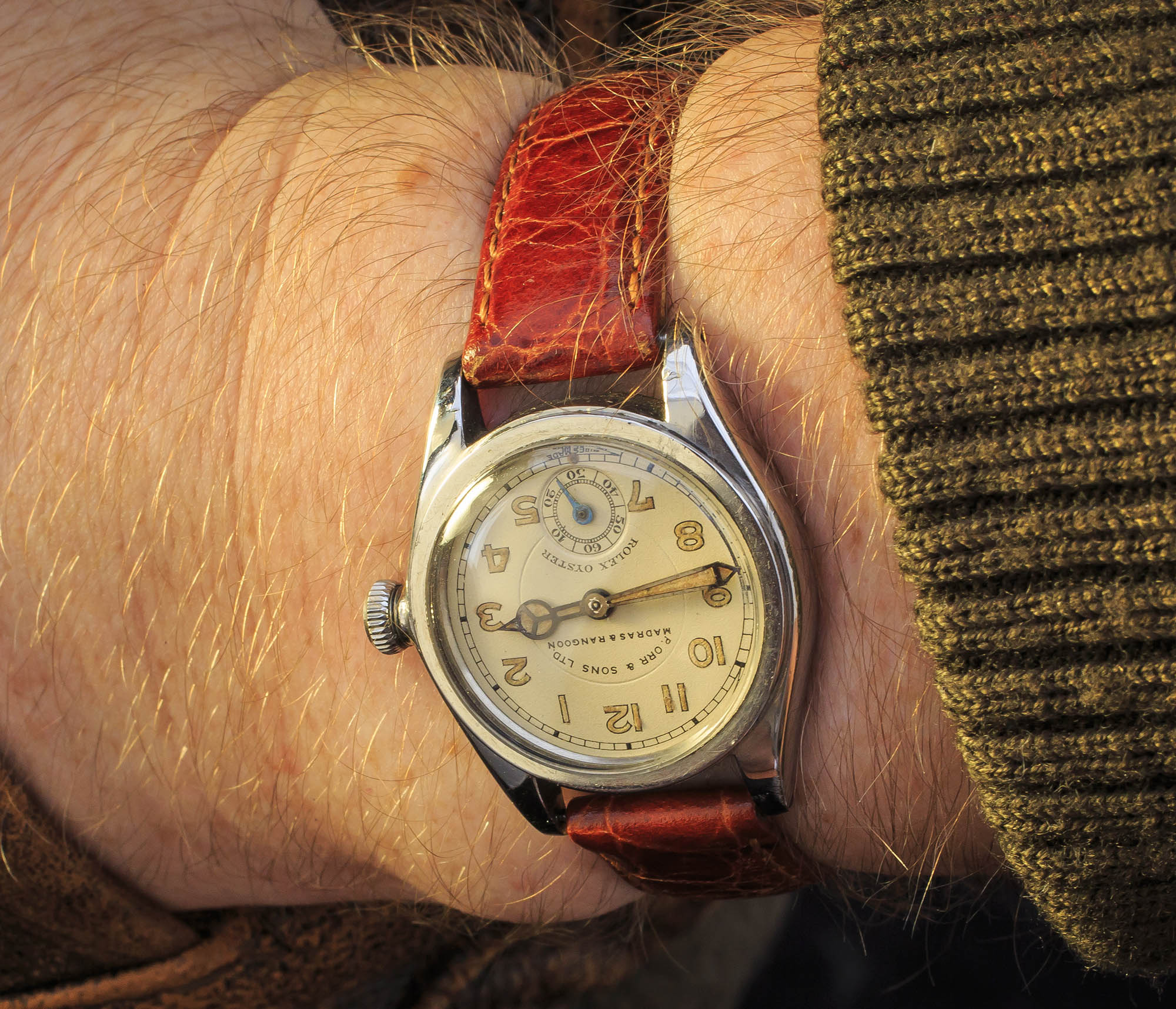
In the early 20th century, the wristwatch was a novelty fighting for legitimacy against the entrenched pocket watch. To prove that a wrist-worn device was superior, manufacturers focused on miniaturization. By creating delicate, precise, and fundamentally small movements, brands proved that timekeeping could be elegant and discreet. Until the 1960s, the ideal watch was thin, unobtrusive, and modest.
The Quartz Revolution and the 1970s Shift
The introduction of quartz technology in the 1970s allowed for unprecedented precision and even smaller components. However, this decade also saw the first real experiments with "fashionably large" sport watches. Despite this, for the remainder of the 20th century, the standard men’s watch remained comfortably under 40mm.
The "Big Watch" Boom (2000–2015)
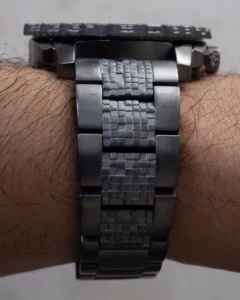
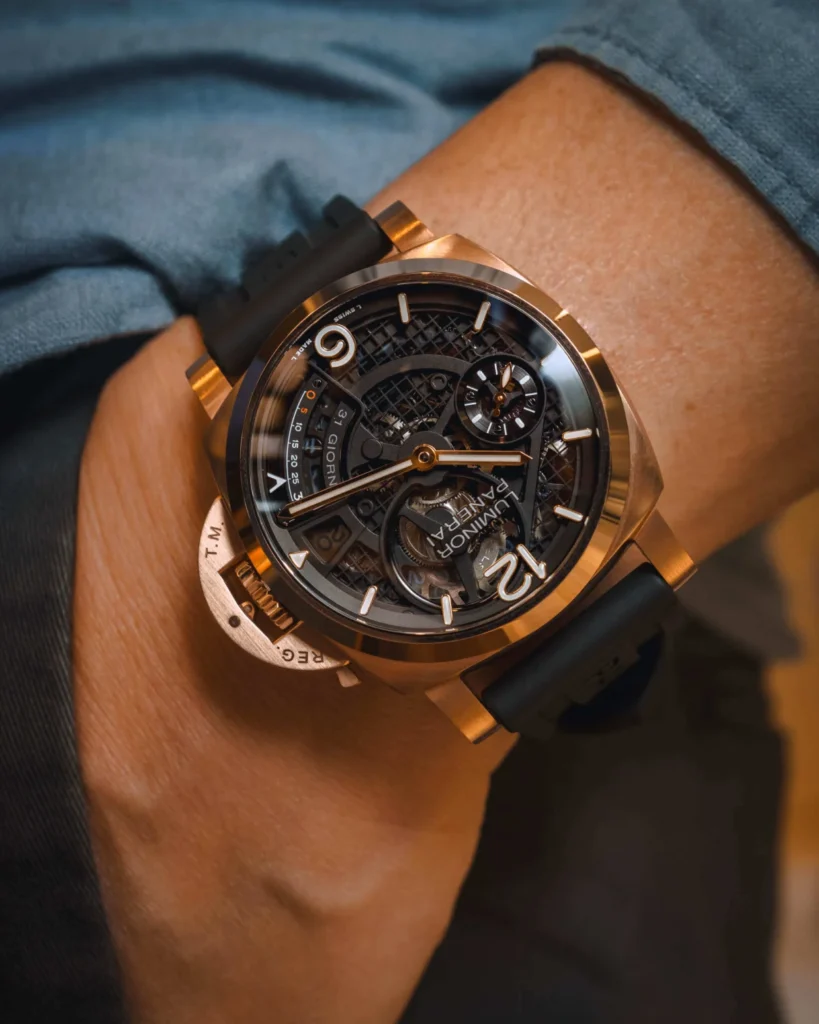
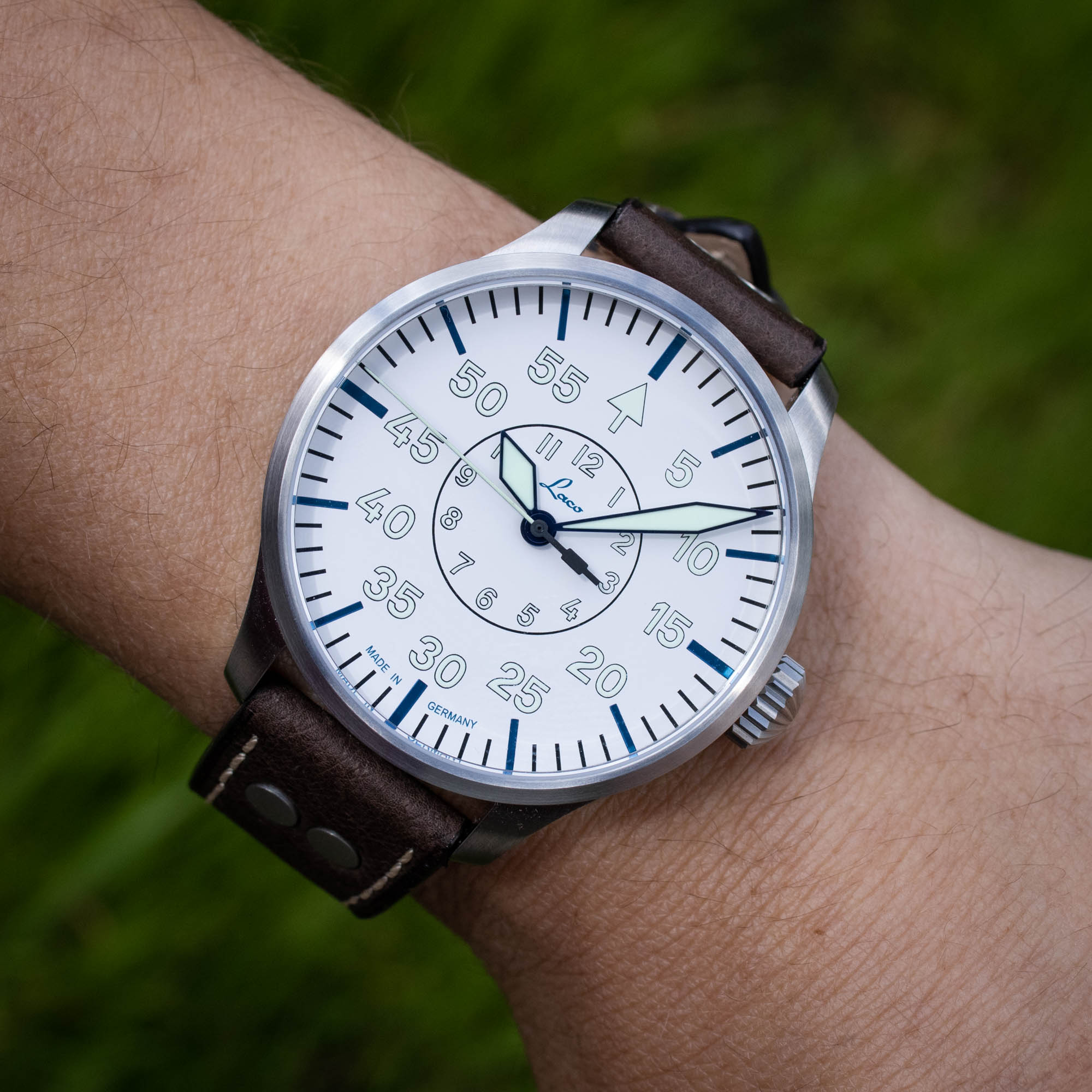
The most significant shift occurred in the early 2000s, coinciding with the rise of the mobile phone. As the watch ceased to be a strictly necessary tool for timekeeping and became a luxury accessory, its purpose shifted toward communication. A larger watch was, quite literally, more visible—a status symbol that signaled success and taste from across the room. During this era, 44mm to 48mm became the new normal, and anything under 40mm was often dismissed as "petite" or "feminine."
The Vintage-Style Resurgence (2016–Present)
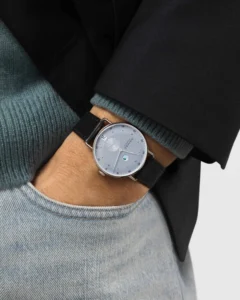
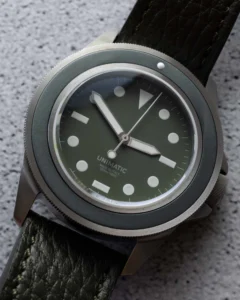
By 2026, the pendulum had swung back with a vengeance. After nearly two decades of oversized cases, the market embraced a return to 36mm–39mm dimensions. This was driven by a desire for understated elegance, comfort, and a rejection of the "conspicuous consumption" aesthetic. Modern collectors began looking to the past, leading to a boom in vintage-inspired pieces that mimic the proportions of mid-century classics.

Supporting Data: Why Sizes Evolve
The shift in watch dimensions is not random; it is supported by several key economic and social factors:
- Social Visibility: In the early 2000s, the "high visibility" factor was paramount. A large watch was a projection of wealth. As social attitudes toward wealth display have softened, the preference for smaller, more humble timepieces has risen.
- The Comfort Factor: Collectors eventually hit a saturation point with large, fragile, and heavy watches. The desire for daily-wear convenience—a watch that slides easily under a dress shirt cuff—has driven many back toward the 38mm–42mm "sweet spot."
- The Rise of Vintage Collecting: As vintage watches became highly sought after, their smaller sizes became the new standard of "cool." When brands saw the success of these smaller, older models, they began producing modern replicas, effectively retraining the consumer’s eye to appreciate smaller proportions.
Official Industry Perspective
Leading watch manufacturers and independent designers are increasingly moving away from the idea that "bigger is better." Designers are now prioritizing the "visual weight" of a watch over its millimeter count.
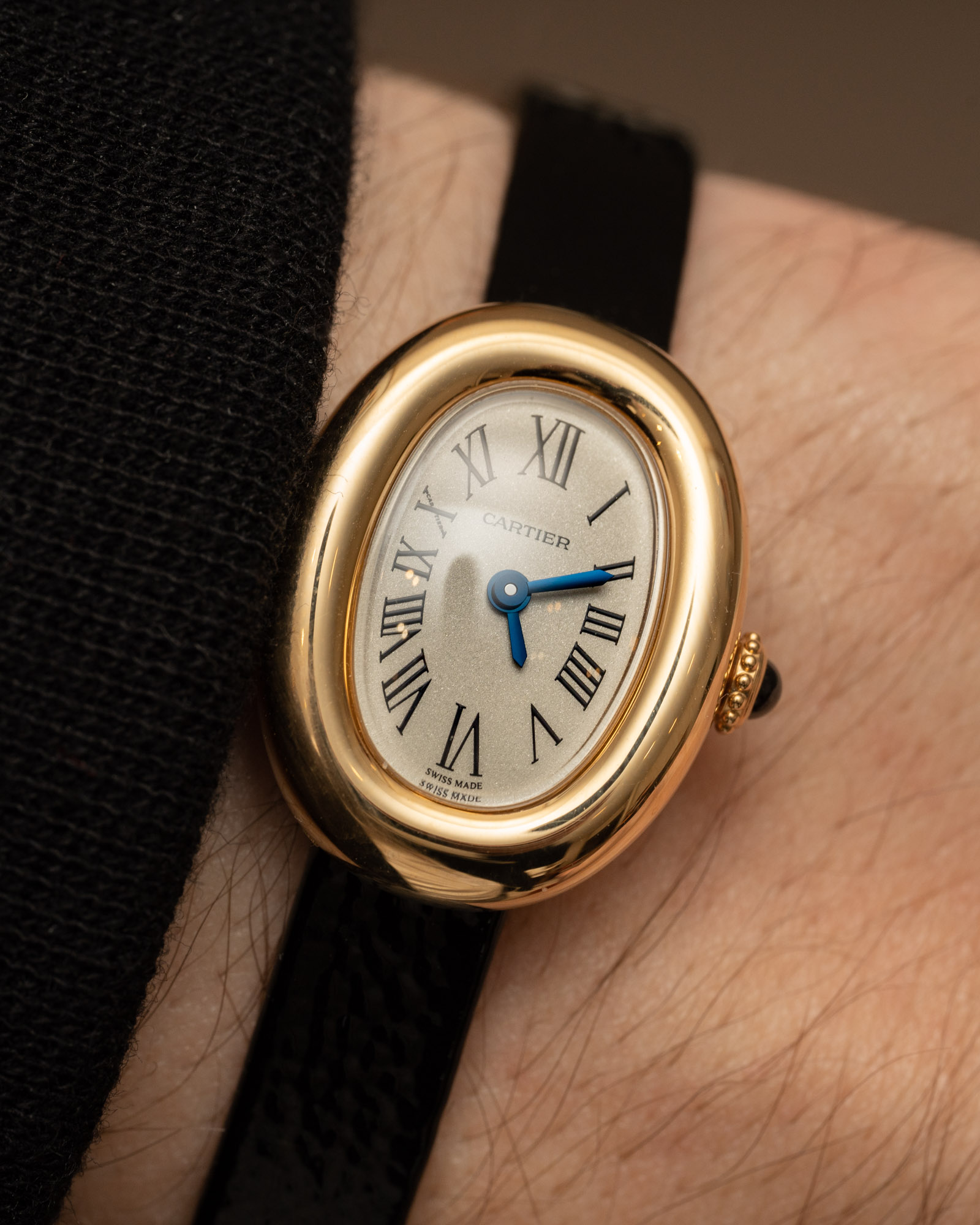
Many high-end horological houses have begun to reintroduce complicated movements into smaller cases. While this is technically difficult—requiring immense skill to compress complexity—it is being hailed as the new hallmark of high-level craftsmanship. The consensus among top-tier brands today is that a watch should be designed for its proportions first and sized second. If a design requires a 40mm case to look balanced, that is what it receives; to scale it up or down simply to meet a market trend is to risk compromising the integrity of the design.
Implications for the Future: Normalization or Cycle?
Looking toward the next decade, the industry is likely to move away from the current extreme of "small is everything" toward a more balanced state of "normalization."
The End of the "One-Size-Fits-All" Mentality
The most important takeaway for the modern enthusiast is that a well-rounded collection should be diverse. A collector who silos themselves into a single case size is missing out on the unique character of different watch designs. Whether you prefer a 36mm dress watch or a 44mm diver, both have a place in a balanced rotation.
The Role of Technology in Design
As computer-aided design (CAD) becomes more sophisticated, we can expect to see cases that are more ergonomic regardless of their diameter. A 42mm watch with short, downward-curving lugs will often wear better than a 39mm watch with long, straight lugs. This shift in focus from diameter to "lug-to-lug" measurement is a positive development that will likely lead to more comfortable timepieces in the future.
Cultural Predictions
The cycle of fashion is relentless. While we are currently in a period of smaller, refined watches, it is almost certain that the industry will eventually cycle back to larger, more experimental designs. When that happens, the watches that will hold their value and appeal are not the ones that blindly followed a trend, but those that were designed with perfect proportions, regardless of the size printed on the spec sheet.
Conclusion: Stop Measuring, Start Wearing
The debate over watch case size is, at its heart, a distraction. It is a metric used to categorize products, but it should never be the primary filter through which you view a watch. When searching for your next timepiece, do not start with a ruler. Start with the design, the dial, and the heritage. Test it on your wrist. Does it evoke an emotional response? Does it feel like a natural extension of your own style?
If the answer is yes, then the millimeter count is irrelevant. The future of watch collecting is not about finding the "perfect" size, because that size does not exist. The future is about appreciating the diversity of horology and embracing the fact that, in the world of watches, the only thing that matters is how the piece makes you feel when you look down at your wrist. The "wrong" size is a myth—the only wrong choice is one that prevents you from enjoying the art of timekeeping.