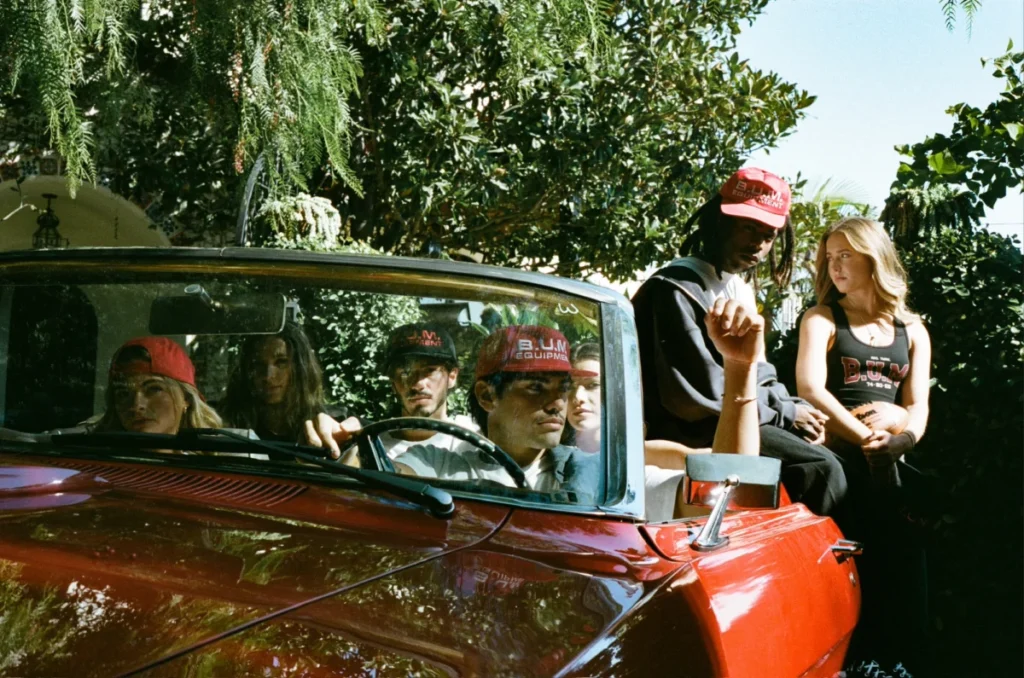
Forty years ago, the landscape of casual American fashion was irrevocably altered by a brand that captured the quintessential spirit of California. B.U.M. Equipment, with its distinctively relaxed aesthetic and iconic, bold logo, became a cultural touchstone during the 1980s and 1990s. Today, as the fashion industry grapples with a persistent hunger for nostalgia and the enduring appeal of heritage labels, the brand is officially embarking on a high-stakes relaunch, hoping to bridge the gap between its glory days and the digital-first era of modern streetwear.
The Main Facts: A Strategic Rebirth
This Friday at noon ET, B.U.M. Equipment will officially re-enter the retail market with a curated, limited-edition capsule collection. The launch is spearheaded by industry veteran Stephen Wayne—who has held the brand’s trademark since 1997—and his son, Jack Wayne, a digital strategist known for scaling celebrity and musician-led e-commerce platforms.
The initial drop is intentionally exclusive, designed to generate buzz rather than mass-market volume. The collection features two men’s tops, two women’s tops, four bottom styles, two hats, and a special-edition anniversary hoodie. In a nod to the brand’s 40th anniversary, the majority of the items are priced at $40, while the limited-run hoodie—produced in a strictly capped quantity of just 40 individually numbered pieces—will retail for $140.
The launch will be hosted exclusively on the brand’s website, with the Waynes signaling a shift toward a quarterly drop model intended to sustain momentum and keep the brand’s aesthetic current with evolving trends.
A Chronological Journey: From Peak to Pause and Back
To understand the significance of this relaunch, one must look at the meteoric rise of B.U.M. Equipment during its formative decades. Born in the vibrant, sun-drenched culture of 1980s California, the brand quickly transcended its regional roots to become a national phenomenon.
- The 1980s and 90s Zenith: At its absolute peak, B.U.M. Equipment was a retail juggernaut. The brand commanded massive market share, boasting annual sales exceeding $2 billion and moving over 100 million units of apparel. It was a staple of the "mall culture" that defined the era, recognized for its accessible, logo-driven streetwear.
- The 1997 Acquisition: As the landscape of retail shifted toward the late 90s, the brand faced the inevitable cooling period that often follows massive commercial saturation. In 1997, Stephen Wayne acquired the B.U.M. Equipment trademark, recognizing the latent equity held within the name.
- The Intervening Years: Between the late 90s and the present, the brand maintained a presence primarily through various licensing agreements—ranging from hosiery and underwear to international market ventures—rather than through a direct-to-consumer flagship operation.
- The Relaunch Era: While there have been sporadic, less-publicized attempts to revitalize the brand over the past two decades, the current initiative represents the most concerted effort to date. By integrating digital-native strategies and focusing on a "heritage-meets-modernity" design language, the Waynes are aiming to convert 90s nostalgia into 2020s market share.
Supporting Data: The Anatomy of a Heritage Brand
The decision to relaunch is not merely a sentimental project; it is grounded in a sophisticated understanding of current market dynamics. The "Resale and Heritage" economy has become a primary driver of growth in the apparel sector. According to market analysis, Gen Z and younger Millennials are increasingly looking to heritage brands to define their personal style, viewing them as "authentic" alternatives to fast fashion.
The Waynes’ strategy relies on a "scarcity-based" launch, a stark contrast to the brand’s mass-market history. By limiting the production of the anniversary hoodie to 40 pieces, they are utilizing the "drop" culture made famous by streetwear giants like Supreme. This creates a psychological sense of urgency, which is essential for capturing the attention of a digital-first audience.
Furthermore, the price-point strategy—anchoring the collection at $40—serves a dual purpose: it honors the 40-year history of the brand while remaining highly accessible, a key factor in democratizing the brand for a new generation of shoppers who may have only encountered the label through vintage thrift stores.
Official Responses: The Vision of the Waynes
The transition from a licensed entity to a consumer-facing brand is being driven by the synergy between Stephen Wayne’s industry experience and Jack Wayne’s contemporary digital expertise.

"Heritage brands have been a big deal for the last couple of years, and they’re getting a lot of traction," Stephen Wayne stated during an interview regarding the relaunch. "The younger kids today want to emulate the look of brands that have survived, that can still be cool. That’s the concept."
For his part, Jack Wayne emphasized the importance of evolving the brand’s aesthetic to remain relevant. "We want to bring back that vintage feel with some inspiration from today’s style," he explained. His involvement is particularly telling; having spent his career helping celebrities monetize their platforms through e-commerce, Jack brings a nuanced understanding of how to build a brand voice in an age where social media algorithms dictate consumer discovery.
The team has expressed a cautious but optimistic outlook, viewing this launch as the first step in a long-term plan. Beyond the immediate apparel drop, the company intends to maintain its existing licensing portfolio, which continues to provide a stable foundation of revenue and international exposure.
Implications for the Streetwear Market
The return of B.U.M. Equipment signals a broader trend in the fashion industry: the "corporate revival" of 90s labels. As brands like Champion, Fila, and others have successfully navigated the transition from budget-friendly staples to high-fashion collaborators, the path for B.U.M. is clear.
However, the challenge remains: can a brand that was defined by massive, ubiquitous retail distribution successfully pivot to a "cool", exclusive, and limited-run model?
The implications of this relaunch are twofold:
- Cultural Validation: If B.U.M. succeeds, it will prove that brand equity is not easily destroyed by periods of inactivity. It validates the idea that if a brand has a strong enough visual identity—the "California" aesthetic—it can be "re-programmed" for a new generation.
- The Quarterly Drop Model: By committing to a quarterly release schedule, the brand is moving away from the traditional seasonal fashion calendar. This aligns with the "always-on" mentality of modern consumers who expect fresh content and products at a rapid pace.
As the retail world watches the launch this Friday, the focus will be on whether the market responds to the nostalgia with the same fervor that the Waynes expect. If the anniversary hoodies sell out as quickly as projected, it will confirm that the 40-year-old titan is not just a relic of the past, but a viable, future-facing player in the global streetwear arena.
The brand has survived forty years of industry shifts, ownership changes, and the rise of the digital age. Whether it can now claim a permanent seat at the table of modern, trend-driven fashion remains the ultimate test of its enduring legacy. For now, the "B.U.M." look is poised to make its return to the streets, proving that in fashion, what is old is often, eventually, new again.