Japan has long been a sanctuary for those seeking the intersection of ancient tradition and avant-garde modernity. However, a new wave of hospitality is moving beyond the standard "sightseeing" model. By curating hyper-exclusive experiences—ranging from high-fashion pilgrimages in Tokyo to centuries-old fermentation rituals in Hokkaido—Japan’s elite properties are transforming travel into a medium for personal transformation and deep cultural synthesis.
I. Main Facts: The New Frontier of Experiential Hospitality
In the summer of 2026, three distinct properties have launched bespoke packages that represent the evolution of luxury tourism. These are not mere accommodations; they are "lifestyle laboratories."
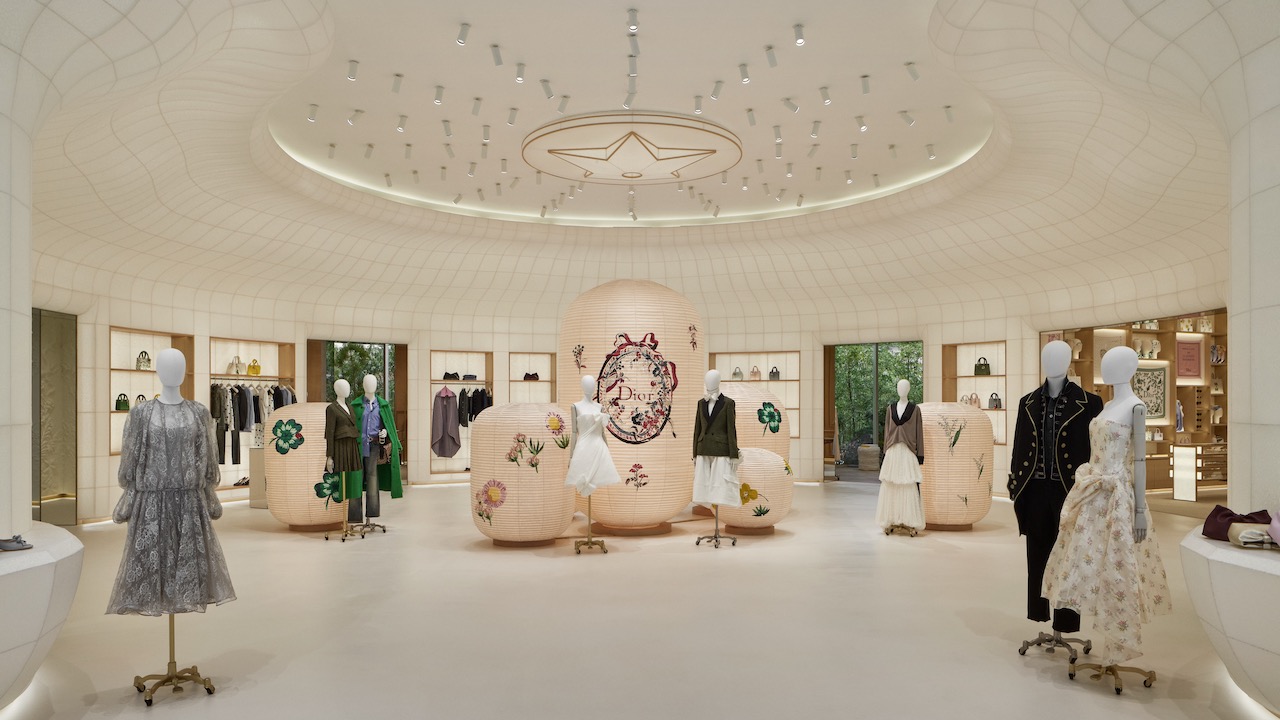
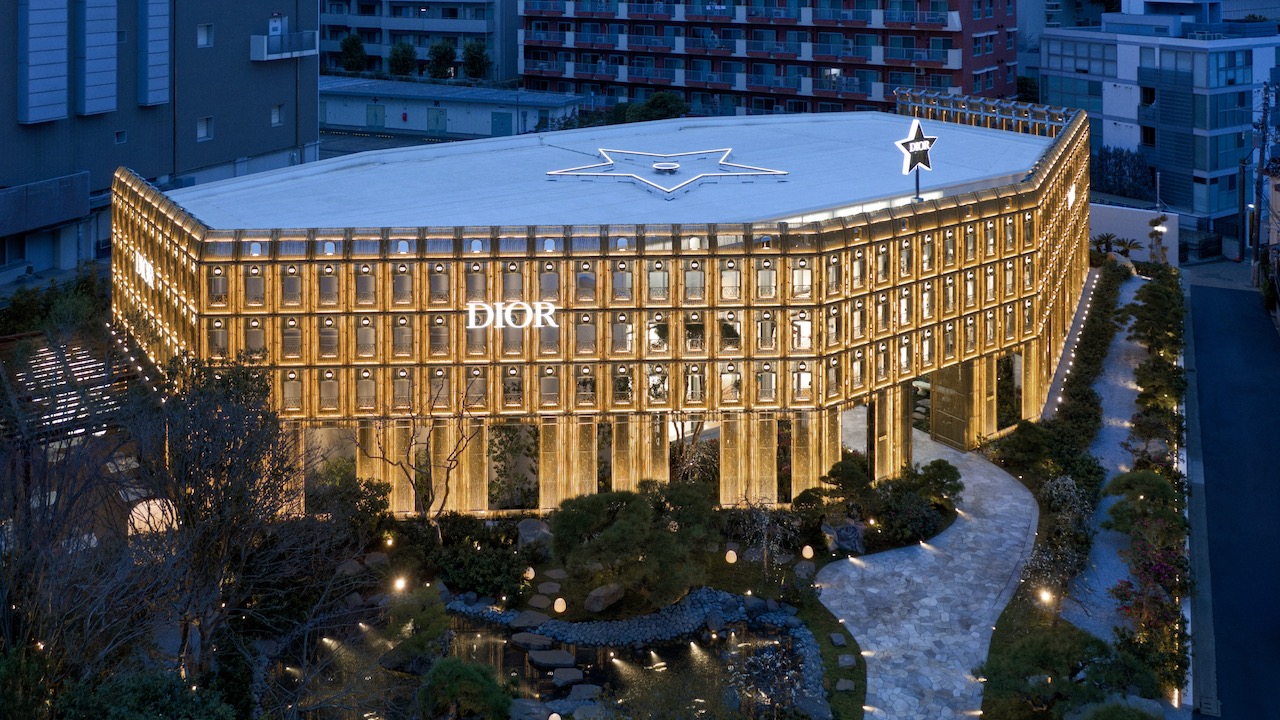
- Palace Hotel Tokyo: In a landmark collaboration with Dior, the hotel has launched "A Touch of Dior," an exclusive package tied to the opening of the Dior Bamboo Pavilion in Daikanyama. This experience bridges the gap between Parisian couture and Japanese craftsmanship.
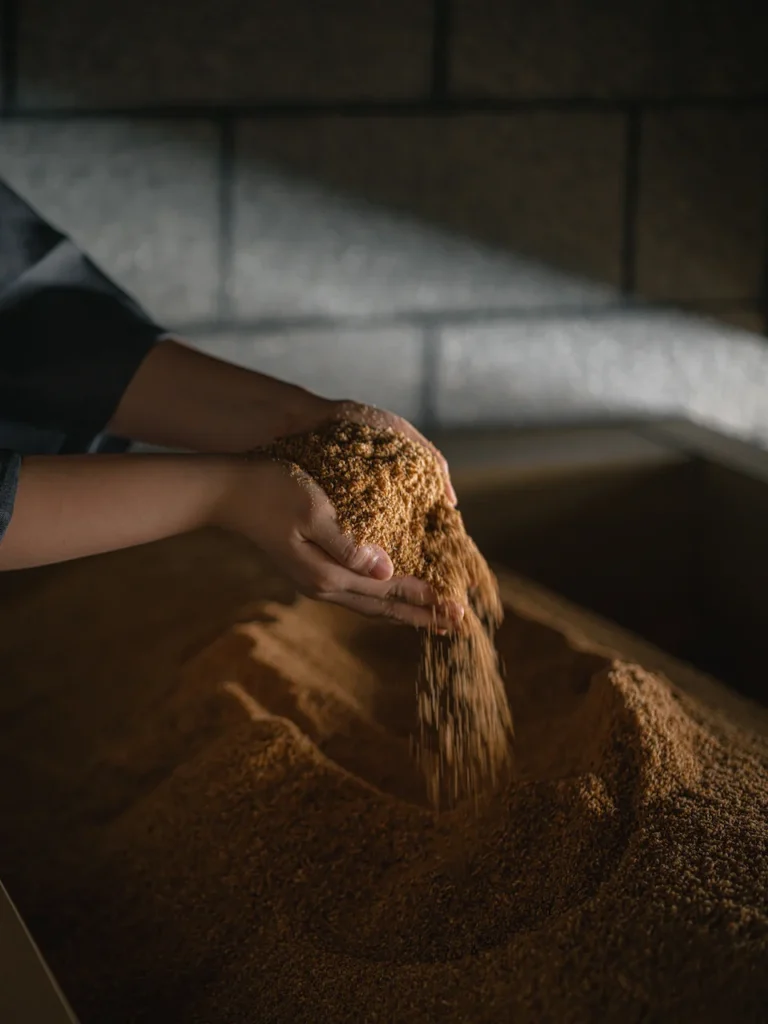
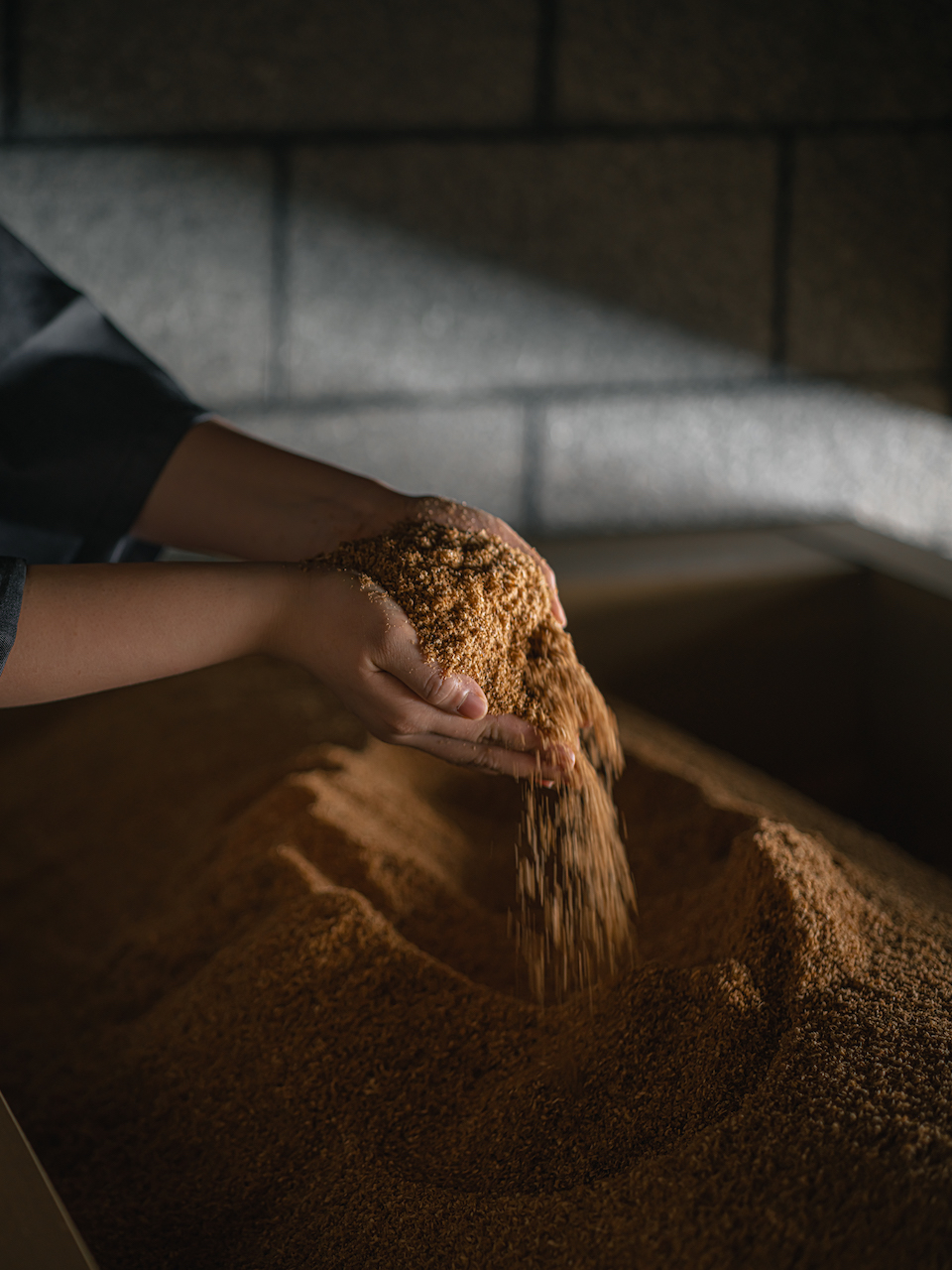
- Otaru Retreat by Onko Chishin (Hokkaido): Following its February 2026 renovation, this 19-room boutique retreat is championing the philosophy of kamosu—the art of fermentation—through Japan’s first on-property enzyme bath and nature-integrated sauna rituals.
- Zentis Osaka: The hotel’s third "Art-in-Residence" programme invites guests to step into the world of shodō (calligraphy). Through a partnership with masters Baikei and Taiga Uehira, the hotel is positioning itself as a modern-day school for traditional arts.
II. Chronology: A Season of Innovation
The recent launch of these initiatives marks a pivotal moment in the Japanese tourism calendar:
- February 2026: Otaru Retreat by Onko Chishin officially reopens, introducing the kamosu concept and pioneering the use of Hokkaido conifer sawdust for wellness.
- June 2026: Zentis Osaka kicks off its "Art-in-Residence" exhibition and the "Essence of Shodō" stay package, bringing the father-son duo of Baikei and Taiga Uehira into the hotel’s public spaces.
- June 2026 – March 2027: The designated window for the Zentis Osaka calligraphy experience.
- March 2027: The final date for the "A Touch of Dior" package at the Palace Hotel Tokyo, reflecting the temporary, highly anticipated nature of the Dior Bamboo Pavilion collaboration.
III. Supporting Data: The Anatomy of the Experiences
The Dior Bamboo Pavilion (Palace Hotel Tokyo)
The Dior Bamboo Pavilion is more than a retail space; it is an architectural manifesto. Designed with a golden aluminum façade that mimics the verticality of a Japanese bamboo forest, the structure features a conceptual garden by landscape designer Seijun Nishihata.
The "A Touch of Dior" package is limited to one booking per day, ensuring extreme exclusivity. It includes:
- Private, one-way transfers to the Pavilion.
- A guided tour of the exhibition.
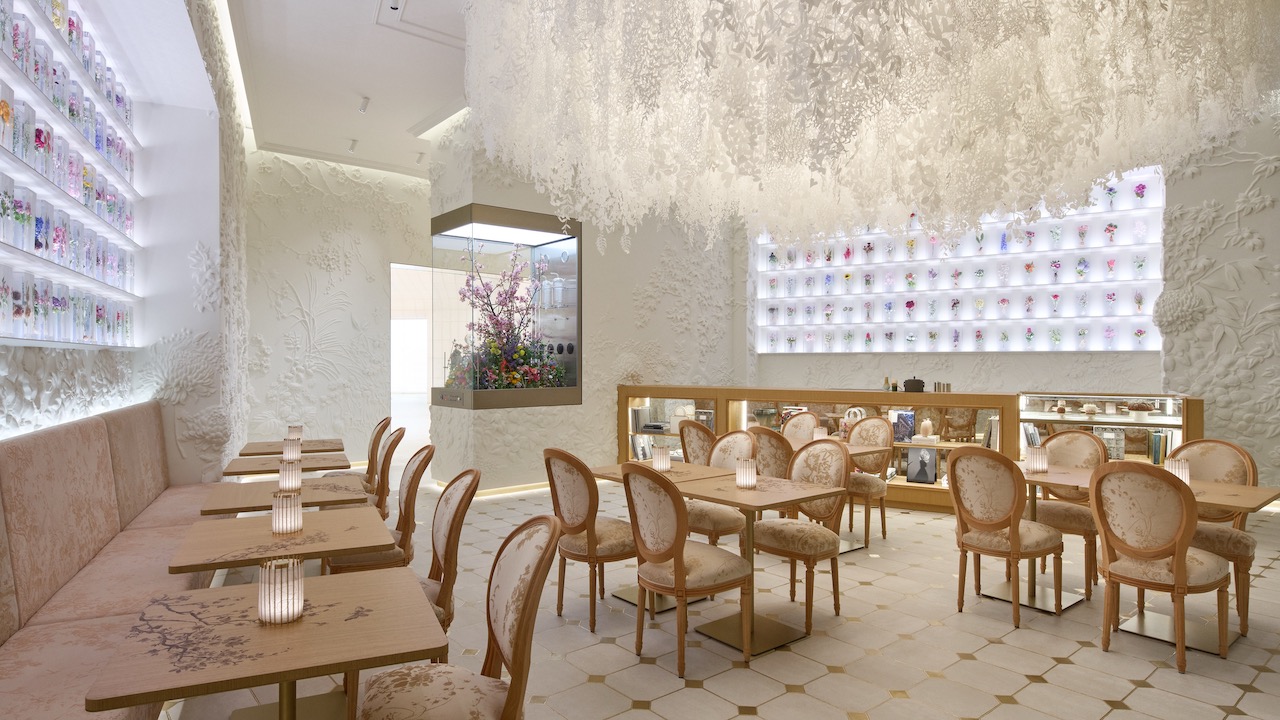
- Culinary excellence: A light meal curated by renowned French chef Anne-Sophie Pic at the in-Pavilion Café Dior.
- Signature libations: A Miss Dior cocktail served at the hotel’s Lounge Bar Privé.
- In-room amenities: A box of Les Bonbons Bouton de Christian Dior chocolates and a celebratory bottle of champagne.
The Fermentation Philosophy (Otaru Retreat)
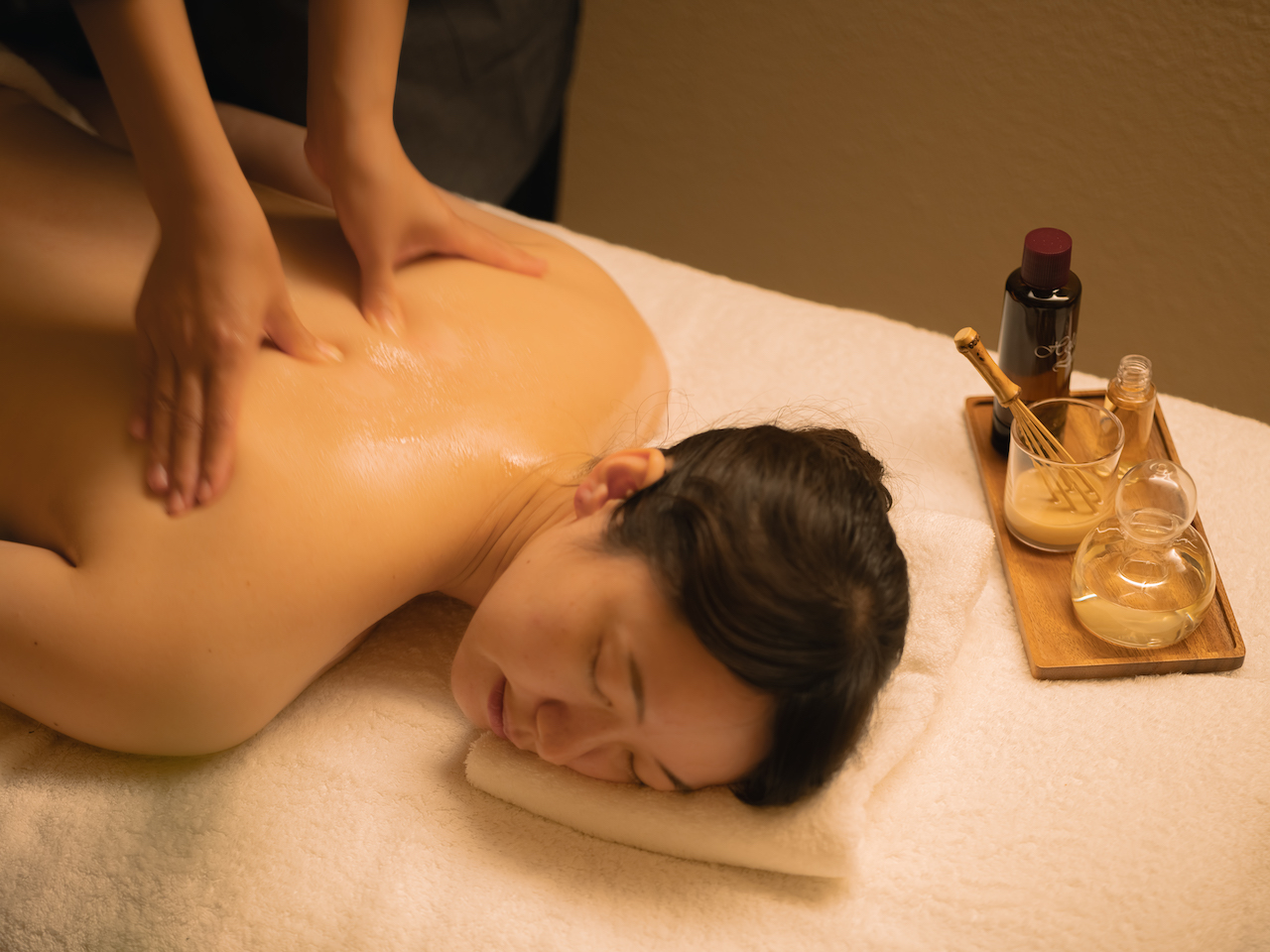
The Otaru Retreat’s wellness approach is rooted in the literal and metaphorical science of fermentation. The enzyme bath—developed with Ohtaka Enzyme—utilizes 100-year-old techniques. By immersing guests in fermented botanical extracts and sawdust, the retreat claims to improve circulation and skin health. The private onsen package further emphasizes the satoyama landscape, featuring bear bamboo (kumazasa) steam rituals that connect the guest to the surrounding Hokkaido wilderness.
The Calligraphy Immersion (Zentis Osaka)
The Zentis Osaka initiative features 11 original works displayed throughout the property. The "Essence of Shodō" package provides:
- A 60-minute private lesson with the Uehira masters.
- A water-calligraphy set for continued practice.
- A customized traditional Japanese fan.
- Sensory support: Bath salts scented with Parfum Satori to facilitate a meditative environment.
IV. Official Responses and Industry Perspectives
Hospitality leaders in Japan emphasize that these moves are a response to a more sophisticated global traveler.
"Our guests are no longer satisfied with visiting a museum," says a spokesperson for the Palace Hotel Tokyo. "They want to understand the lineage of the design, the soul of the craftsman, and the context of the location. By partnering with Dior, we are not just selling a room; we are curating a narrative of global aesthetic dialogue."
In Hokkaido, the management at Otaru Retreat notes that the kamosu concept is a direct reflection of Japan’s heritage. "Fermentation is slow. It requires patience and a surrender to natural processes. In an era of instant gratification, our guests are seeking the ‘slow restoration’ that only the ancient art of fermentation can provide," they stated in a recent press release.
Baikei Uehira, the calligraphy master, adds, "Calligraphy is the reflection of the human spirit on paper. By bringing this art into a hotel space, we are stripping away the intimidation factor, allowing guests to see that the brush is an extension of their own intention."
V. Implications: The Future of Cultural Tourism
The rise of these hyper-niche, highly curated hotel experiences has several implications for the future of luxury travel in Japan and beyond.
1. The Death of the "Standardized" Stay
These packages represent the death of the "cookie-cutter" luxury experience. When a hotel limits a package to one booking per day, as the Palace Hotel Tokyo has done, they are effectively shifting their business model from mass-market volume to high-value, high-engagement interactions. This creates a scarcity value that appeals to the ultra-high-net-worth segment of the market.
2. Deep Integration with Local Ecosystems
Each of these experiences is rooted in its local geography. The Otaru Retreat is intrinsically linked to Hokkaido’s botanical biodiversity; the Palace Hotel’s Dior collaboration acknowledges Tokyo’s role as a global fashion capital; and Zentis Osaka leverages the historic artistic legacy of the Kansai region. This strategy minimizes the "placelessness" of luxury hotels, grounding them firmly in their specific regional identities.
3. Wellness as Intellectual Pursuit
Traditionally, wellness in the hospitality sector meant massages and saunas. The current trend, as evidenced by the enzyme baths and calligraphy lessons, suggests a shift toward "intellectual wellness." Guests are looking for experiences that engage the mind, teach a skill, or impart a philosophy. The transition from passive spa-goer to active practitioner is a key trend that will likely dictate the success of high-end hotels over the next decade.
4. Sustainability and Craftsmanship
There is a profound focus on the preservation of traditional crafts. Whether it is the shodō of the Uehira family or the century-old fermentation expertise of Ohtaka Enzyme, these hotels are acting as patrons of the arts. By incorporating these crafts into their commercial offerings, they ensure that the next generation of travelers understands the value of Japanese heritage, potentially providing the necessary funding to keep these traditions alive in a modern, fast-paced world.
Conclusion
Japan’s hotel sector is currently serving as a masterclass in how to elevate the travel experience through intentionality. By marrying the global prestige of brands like Dior with the local, tactile, and spiritual heritage of Japan, these properties are creating a new category of "immersion travel."
As travelers continue to demand more from their trips, the success of these initiatives suggests that the future of luxury is not found in thread counts or gold-plated fixtures, but in the rarity of the experience and the depth of the connection forged between the visitor and the host culture. Whether through the stroke of a brush in Osaka, the warmth of a fermented bath in Hokkaido, or the elegance of a pavilion in Tokyo, Japan is proving that the most luxurious commodity today is a profound, transformative moment of understanding.