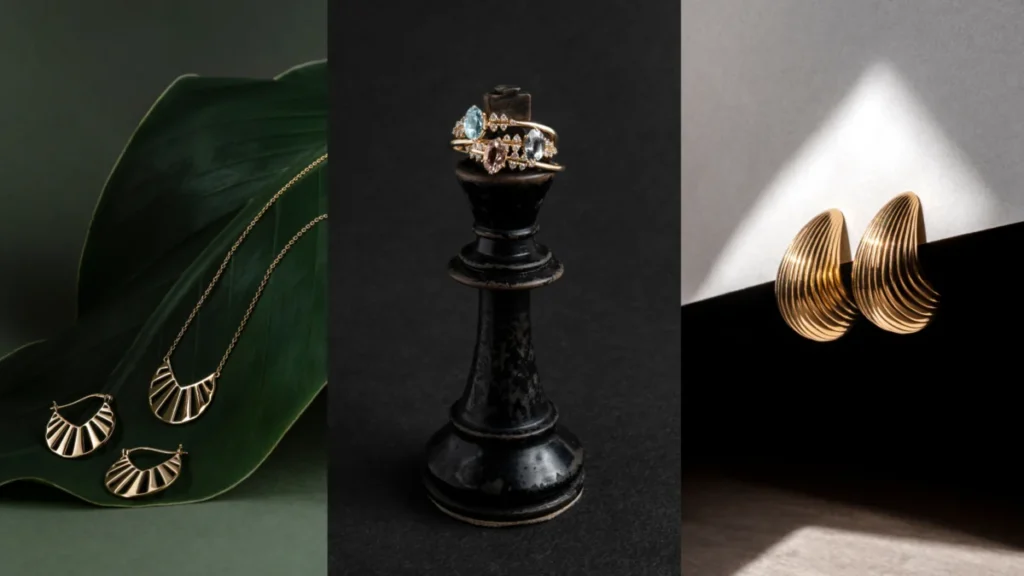
In an era where the fashion industry is increasingly scrutinized for its environmental and ethical footprint, a new vanguard of brands is emerging, proving that elegance does not have to come at the cost of conscience. At the forefront of this movement is fejn jewelry, a German-based label that has transformed from a founder’s childhood dream into a benchmark for modern, responsible craftsmanship.
By securing membership with the Responsible Jewellery Council (RJC), fejn has cemented its commitment to transparency, signaling a paradigm shift in how boutique jewelry brands navigate the complexities of global supply chains.
The Genesis of a Vision: From Fashion to Fine Jewellery
The story of fejn begins with a persistent childhood fascination. Long before the brand’s inception, founder Dagmar Kraemer nurtured an ambition to master the art of the goldsmith. While the trajectory of her professional life initially steered her toward the fast-paced, high-stakes world of the fashion industry, the allure of precious metals and timeless design never waned.
For years, Kraemer navigated the intricate layers of the fashion and jewelry sectors, gaining a comprehensive understanding of production cycles, consumer behavior, and the systemic challenges inherent in manufacturing. This foundational experience provided the scaffolding for her eventual entrepreneurial leap. In 2019, she channeled her accumulated expertise into the creation of fejn jewelry, an enterprise built on the core tenet that "responsibility is not a trend, but an identity."
Chronology: Building a Brand of Consequence
The development of fejn follows a deliberate, step-by-step evolution that prioritizes long-term viability over short-term expansion.
- 2019: The Foundation. Dagmar Kraemer launches fejn, establishing a design philosophy rooted in minimalism and a business model predicated on conscious sourcing.
- The Formative Years: The brand focuses on building a direct-to-consumer model, allowing for tighter control over the supply chain and a more intimate connection with the customer base.
- The Commitment to Standards: Recognizing that internal promises are insufficient in a global market, fejn initiates the rigorous process of seeking alignment with international standards.
- The RJC Milestone: fejn officially joins the Responsible Jewellery Council (RJC). This move serves as a watershed moment, transitioning the brand from self-regulation to third-party, audited accountability.
- Present Day: The brand continues to expand its collections while serving as a case study for how smaller, agile brands can successfully integrate ESG (Environmental, Social, and Governance) principles into their DNA.
Data and Transparency: Why Standards Matter
In the jewelry industry, "responsibility" is often used as a vague marketing term. fejn’s decision to join the RJC is an explicit rejection of this ambiguity. The RJC acts as the world’s leading standard-setting organization for the jewelry and watch industry, covering everything from gold and diamond supply chains to human rights and labor practices.
For a brand like fejn, the benefits of this membership are twofold:
- Verification of Claims: By subjecting their processes to independent audits, fejn provides empirical proof that their ethical claims are more than just narrative—they are measurable.
- Structural Integrity: The RJC framework serves as a roadmap for operational excellence. For smaller companies, this guidance is invaluable in navigating the "detail-by-detail" requirements of sustainable sourcing.
Data-driven transparency is the currency of the modern jewelry market. As consumers become more sophisticated, their inquiries into the origin of materials—such as the provenance of gold and the labor conditions under which pieces are cast—have intensified. fejn’s strategy is to meet this curiosity with proactive disclosure, transforming potential skepticism into brand loyalty.
Official Perspective: An Interview with Dagmar Kraemer
Q: What motivated the decision to align with the RJC?
"At fejn, responsibility has never been a trend—it has always been part of who we are. Joining the Responsible Jewellery Council was a natural next step because we wanted an independent way to demonstrate that our actions truly reflect our values. For us, the certification is not just about meeting standards; it’s about continuously reviewing our processes, strengthening transparency across our supply chain, and holding ourselves accountable. We believe our customers deserve to know that when we talk about responsible jewelry, those words are backed by internationally recognized standards. Trust is built through transparency, not promises."
Q: How does this membership shape the future of the brand?
"Sustainability is one of the foundations of fejn. The jewelry industry is constantly evolving, and we believe responsible business must evolve with it. We see our RJC membership as a commitment to keep learning, improving, and challenging ourselves every day. Most importantly, we hope it gives our customers even greater confidence when choosing fejn."

Q: Can you shed light on your current creative projects?
"We’re continuously evolving our collections to reflect how people want to wear jewelry today while staying true to our minimalist design philosophy. Following collaborations like our recent capsule collection with a well-known German designer, we’re currently working on several exciting projects that we can’t reveal just yet. For us, every new collection starts with the same question: Will this still feel relevant years from now? Our goal is to create jewelry that feels modern today—and just as meaningful many years from now."
The Emotional Landscape of Jewelry
Beyond the metrics and audits lies the heartbeat of the industry: emotion. Kraemer emphasizes that jewelry is not merely a commodity; it is an artifact of personal history.
"Jewelry is incredibly emotional," she notes. "People wear it to celebrate milestones, remember loved ones, or simply express who they are. Knowing that a piece we designed may become part of someone’s personal story is something very special."
This emotional weight is precisely why the brand treats its raw materials with such reverence. The use of durable, precious metals is seen as a pact between the designer and the wearer—a promise that the piece is built to last a lifetime, reducing the need for "fast jewelry" consumption and minimizing waste.
Implications: The Future of the Industry
The trajectory of fejn jewelry provides a blueprint for the future of the luxury market. Several key implications arise from their success:
1. The Death of "Greenwashing"
As regulatory bodies and consumer groups demand greater transparency, brands that rely on superficial sustainability claims will find themselves increasingly obsolete. The future belongs to firms that invite independent auditing, such as those facilitated by the RJC.
2. Scalability of Responsibility
There is a common misconception that responsible business is only for massive conglomerates with large sustainability departments. fejn proves that for smaller, independent brands, integrating responsibility into the company structure from day one is not only possible but provides a competitive advantage. It builds trust, attracts talent, and fosters a loyal, values-driven customer base.
3. The Shift toward "Beautiful Responsibility"
Kraemer hits on a vital point: the future of jewelry is not just about aesthetics. The "look" of a piece is now inseparable from the "story" behind it. In the coming decade, we can expect a shift where consumers treat traceability as a core feature of luxury. A piece of jewelry will be considered "beautiful" only if it is also ethically sound.
Conclusion: A Legacy in the Making
As fejn jewelry looks toward the future, the brand remains tethered to its initial mission: to create pieces that are modern today and meaningful tomorrow. By fostering a culture of continuous improvement, leveraging the frameworks provided by organizations like the RJC, and maintaining a steadfast commitment to design-led sustainability, the brand is carving out a significant space in the global market.
For Dagmar Kraemer, the journey from a child’s dream of being a goldsmith to the founder of a globally-recognized responsible brand is a testament to the power of intentionality. In an industry defined by precious materials, fejn is proving that the most valuable asset a brand can possess is integrity. As the industry moves toward a more transparent future, fejn stands as a clear signal that the next generation of jewelry will be defined by its commitment to "beautiful responsibility."