
Beyond the captivating hues, alluring transparency, and mesmerizing sparkle of faceted gemstones lies a world of intricate craftsmanship and scientific precision. The ability to transform rough minerals into dazzling treasures is a testament to human ingenuity, a delicate dance between artistry and technical mastery. Gem-A Gemmology Tutor Pat Daly offers a profound insight into this often-overlooked aspect of gemology, exploring the fundamental principles of diamond cutting and shaping, the techniques that unlock a gemstone’s visual potential, and the critical factors that define its ultimate quality.
At its core, gemstone fashioning encompasses the diverse styles of cuts, the specific shapes stones are sculpted into, and the meticulous quality of the cutting process itself. Each of these elements plays a pivotal role in dictating how a finished gemstone interacts with light, ultimately influencing its perceived beauty and value. While we marvel at the colors of a sapphire or the fire of a diamond, it is the skillful application of facets that orchestrates this visual symphony.
The Diverse World of Gemstone Cutting Styles
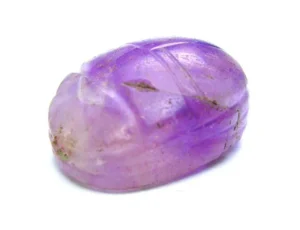
The realm of gemstone cutting is far more expansive than the iconic faceted forms we commonly encounter. It encompasses a spectrum of techniques, each tailored to enhance the unique characteristics of different stones. Beyond the brilliant and step cuts that dominate the diamond market, other methods like carving, bead making, and the smooth, dome-like cabochon cut are employed to showcase a gemstone’s inherent beauty.
Step Cuts: Elegance in Architecture
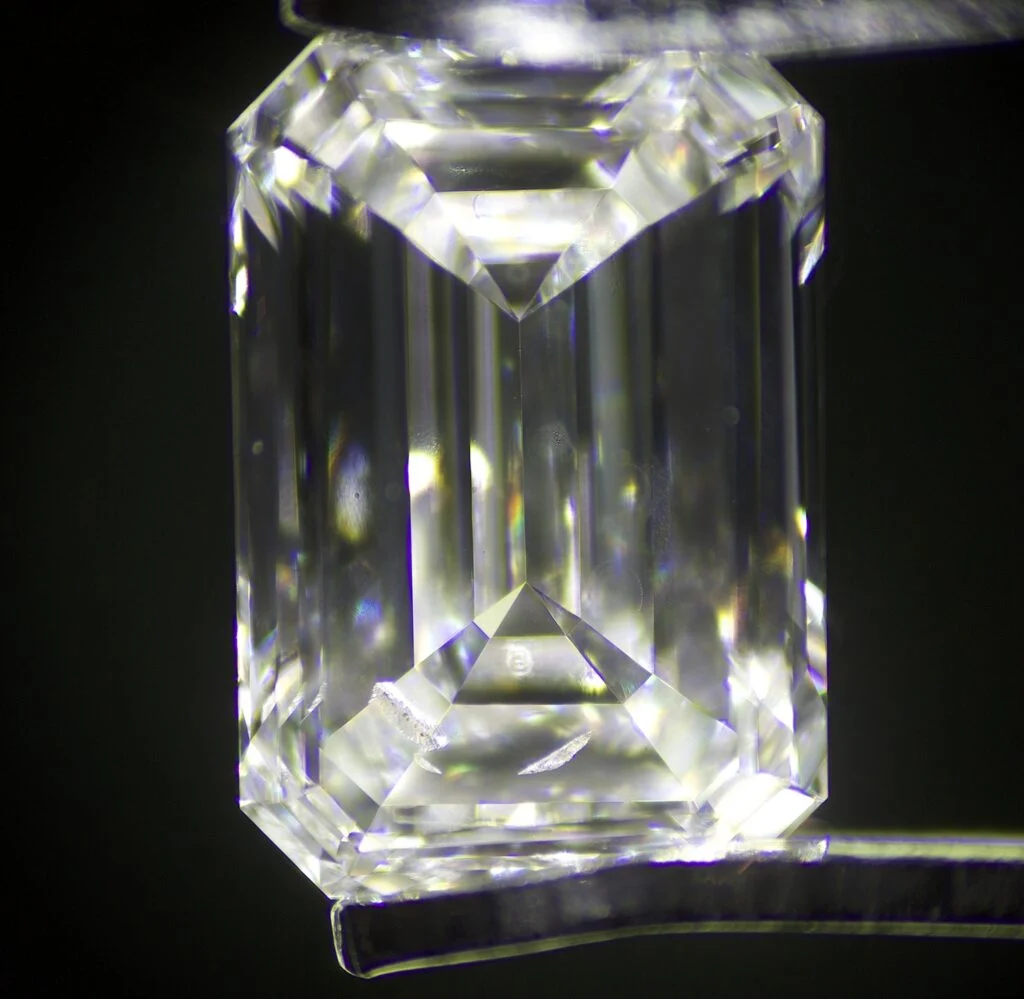
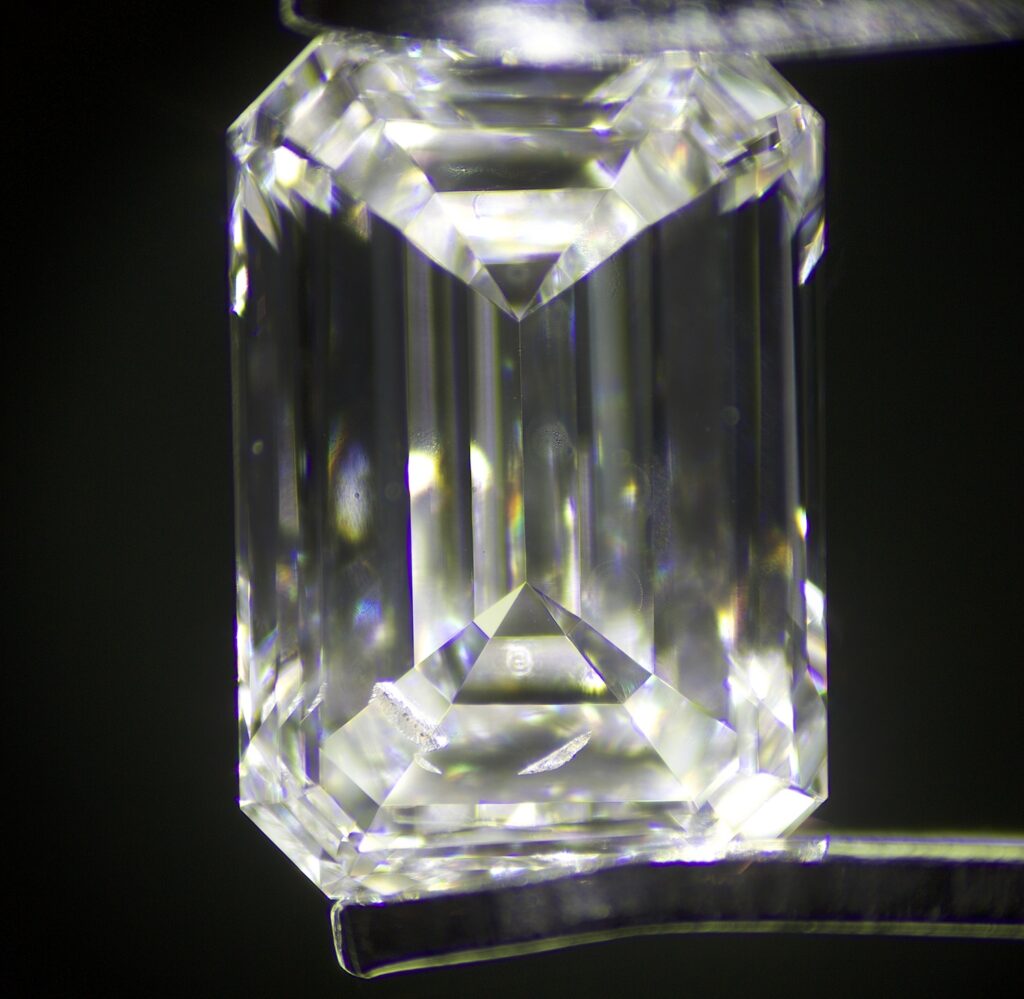
The step cut is characterized by its long, parallel-sided facets, reminiscent of architectural tiers. This style is particularly adept at highlighting a gemstone’s clarity and color. While often associated with diamonds, step cuts are also frequently used for colored stones, offering a sophisticated and understated elegance. Emerald cuts and Asscher cuts are prime examples of the step cut’s enduring appeal.
Brilliant Cuts: Unleashing the Light
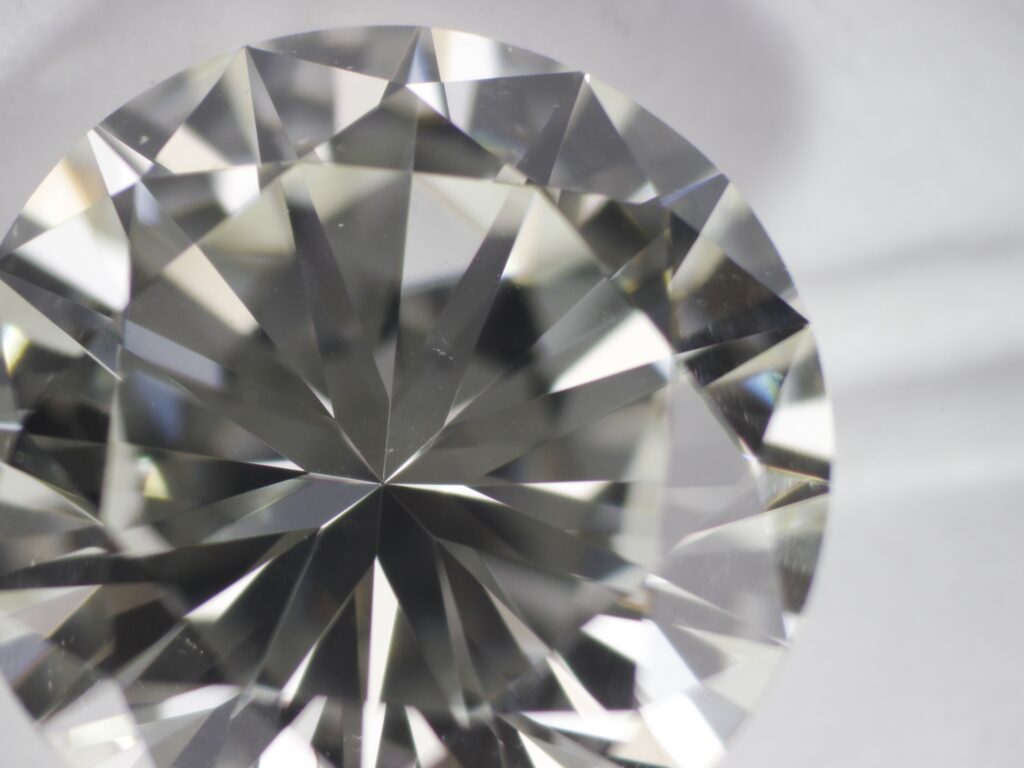
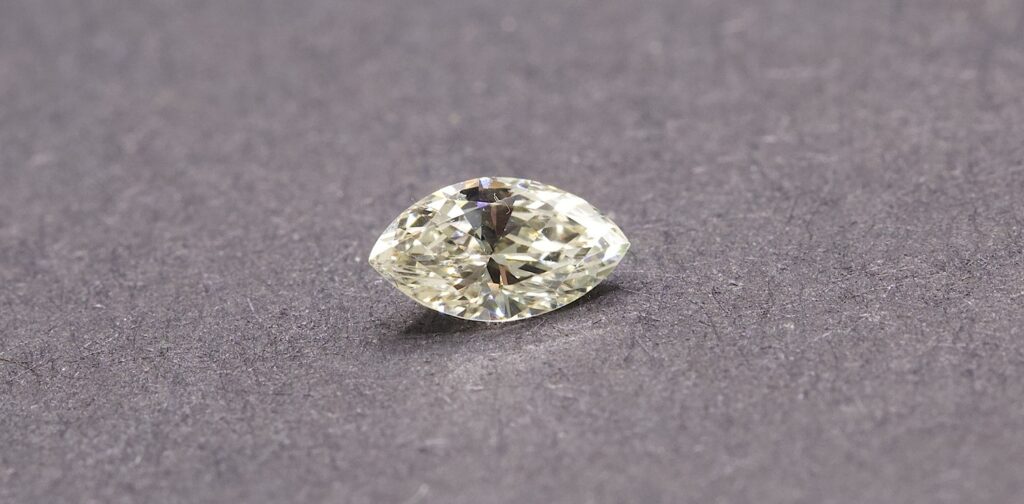
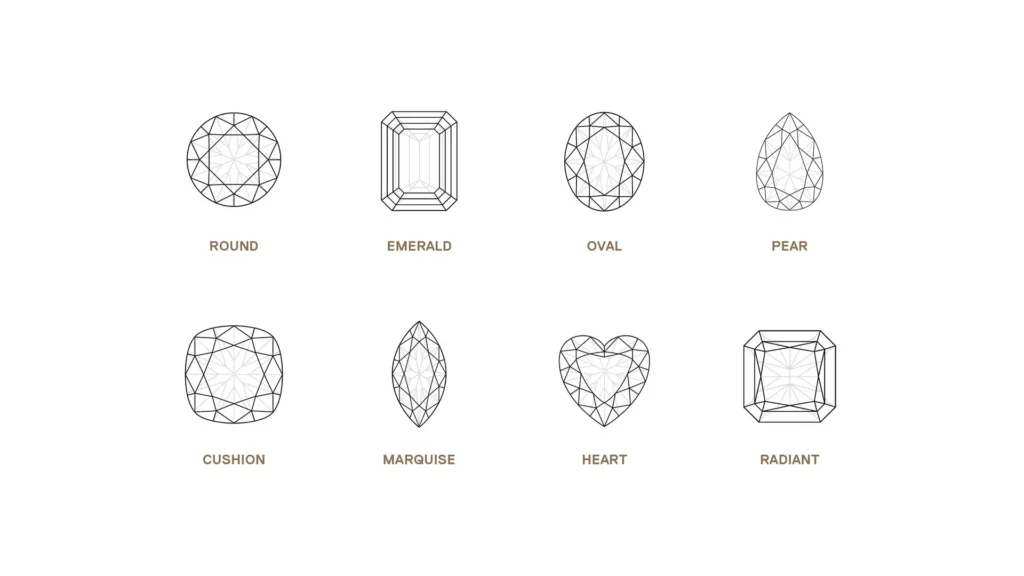
The brilliant cut, conversely, is designed to maximize a gemstone’s sparkle and fire. It achieves this through a carefully orchestrated arrangement of mostly triangular and kite-shaped facets. The classic round brilliant cut, with its 58 facets (or 57 if the culet is absent), is the pinnacle of this approach, meticulously engineered to reflect and refract light with unparalleled efficiency. However, the brilliant cut principle extends beyond the round shape, being adapted to create ovals, pears, cushions, marquises, and hearts, each retaining the core brilliance-enhancing facet arrangement while conforming to a different outline.
Mixed Cuts: The Best of Both Worlds
Recognizing the distinct advantages of both step and brilliant cuts, gem cutters developed mixed cuts. These ingenious styles ingeniously combine elements from different cutting techniques, allowing for a tailored approach that leverages the strengths of each. For instance, a mixed cut might feature a step-cut crown and a brilliant-cut pavilion, or vice versa, creating a unique interplay of light and shadow that can enhance a gemstone’s specific attributes.
The Evolution of Diamond Faceting: A Historical Perspective
The journey of diamond faceting is a fascinating narrative of innovation, driven by a desire to unlock the inherent brilliance of this most coveted of gems. It is believed that the earliest forms of diamond shaping involved simply polishing a natural crystal face or replacing a crystal corner with a flat table facet. This rudimentary approach, while simple, was the genesis of what would evolve into a highly sophisticated art form.
Early Innovations and the Rise of Brilliance
As gem manufacturing techniques advanced, so too did the understanding of how to manipulate light. Facets were progressively added, not merely for aesthetic appeal, but to strategically reflect and refract light, amplifying the diamond’s sparkle – the captivating dance of light that emanates from its surfaces as it’s gently turned. Early cutters began to round the sharp corners of crystals, leading to the development of cushion-shaped stones, a precursor to the more refined cuts that would follow.
The Dawn of the Modern Brilliant Cut
The late 19th century marked a significant turning point with the development of machinery capable of creating perfectly round diamond girdles. This technological leap paved the way for the standardization of cuts. However, it was in the early 20th century that the true science of diamond cutting took flight. Marcel Tolkowsky, a member of a prominent diamond-cutting family and a trained engineer, applied mathematical principles to calculate the precise angles and proportions necessary to achieve maximum brilliance and fire in a diamond. His groundbreaking work, though subject to minor refinements over time, remains the foundational blueprint for the modern round brilliant cut, solidifying its position as the most popular diamond shape worldwide.
The Princess Cut: A Modern Classic
Emerging in the 1960s, the princess cut represents a more recent, yet highly successful, innovation in diamond faceting. Derived from earlier square diamond cuts, it boasts a unique blend of triangular, kite, and strip-like facets, designed to maximize the brilliance of square to oblong stones. Often referred to as a "square brilliant," its popularity among consumers is a testament to its striking visual appeal and modern aesthetic.
Understanding the Quality of Diamond Cutting: The Crucial Four Cs
While color, clarity, and carat weight are widely recognized as key determinants of a diamond’s value, the quality of its cut is arguably the most critical factor influencing its overall beauty. For diamonds, which rely heavily on the interplay of light reflection and dispersion, a well-executed cut is paramount. This meticulous craftsmanship is assessed through several crucial factors, often encapsulated within the renowned "Four Cs."
Proportions: The Architecture of Light
The proportions of a diamond are fundamental to its ability to interact with light. A well-cut diamond is designed to capture as much light as possible and reflect it back through the crown facets, either directly or after internal reflection. This intricate balance dictates how brilliantly the stone will shine.
Symmetry: The Harmony of Facets
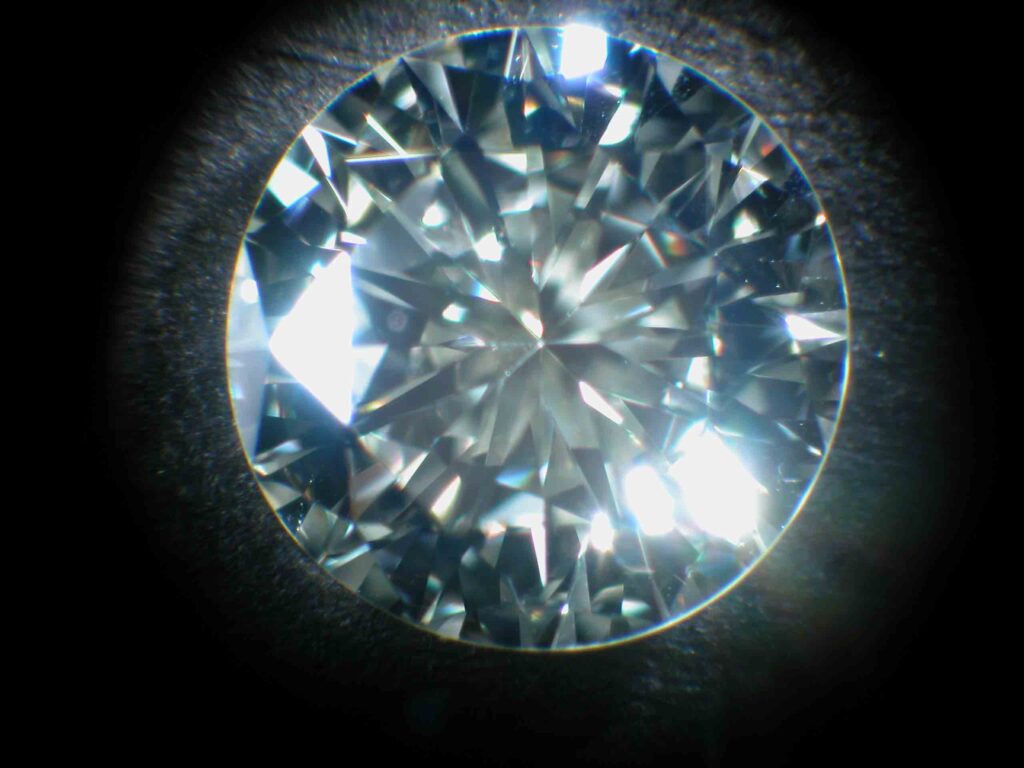
Symmetry refers to the precision with which the facets are aligned and the overall geometric perfection of the stone’s outline. A diamond with excellent symmetry will present a pleasing visual harmony and an enhanced ability to handle light effectively. This includes the evenness of the girdle’s shape and the accurate placement and proportion of each facet.
Polish: The Gleam of Perfection
The polish of a diamond’s surface is the final touch that ensures its brilliance. A smoothly polished surface allows light to enter and exit the stone with minimal obstruction, contributing to its overall sparkle and fire. Even the slightest imperfections in polish can detract from the diamond’s luminosity.
The Interplay of Brilliance and Fire
The pursuit of maximum brilliance and fire in a diamond involves a delicate balancing act. Brilliance, the reflection of white light, is enhanced by specific proportions that encourage light return. Fire, the dispersion of white light into spectral colors, is often amplified by a higher crown and a smaller table facet, which increases the likelihood of light splitting into its constituent colors as it passes through non-parallel facets. It is impossible to maximize both brilliance and fire simultaneously; therefore, a skilled cutter must achieve a harmonious compromise that optimizes both qualities for a captivating display of light.
The Role of the 4Cs and Evolving Assessment Methods
In the gemological world, the quality of a diamond’s cut is one of the pivotal "Four Cs" that determine its value and desirability. Reputable laboratories meticulously grade the cut of brilliant-cut diamonds, categorizing them based on precise measurements of their proportions, symmetry, and polish. This grading system is indispensable, as it directly correlates with how effectively light can enter, reflect within, and ultimately exit the stone, thereby dictating its visual splendor.
However, the field of gemology is not static. As technology advances, so too does the art and science of diamond cutting. There is a growing movement to incorporate the subjective perceptions of observers into the assessment of cut quality. By combining experimental data, theoretical calculations, and human visual perception, gemologists are striving to achieve a more comprehensive and nuanced understanding of what constitutes a truly exceptional diamond cut. This ongoing evolution ensures that the craft of diamond cutting continues to push boundaries, yielding ever more brilliant and captivating treasures for generations to come.
The meticulous attention to detail, the deep understanding of optical physics, and the artistic flair required to transform a rough diamond into a masterpiece of light and sparkle are what elevate gem cutting from a mere craft to a true art form. It is this dedication to perfection that allows us to truly appreciate the full spectrum of a gemstone’s beauty, revealing its hidden potential and enchanting us with its enduring allure.