By [Your Name/Publication Name]
In the glittering world of gemstones, where rarity and natural beauty command premium prices, a subtle yet pervasive form of enhancement often lurks beneath the surface: dyeing. This common and cost-effective treatment, while democratizing access to visually appealing stones, raises critical questions about authenticity and value. Gemmology Tutor Pat Daly from the Gemmological Association of Great Britain (Gem-A) delves into the intricate processes of gemstone dyeing, shedding light on the methods employed and the tell-tale signs that experienced gemmologists use to identify these altered materials.
Dyeing, at its core, involves the introduction of colored substances into porous, pale-colored gemstones. These stones, often translucent or opaque due to inherent pore spaces, readily absorb the introduced dyes. However, the practice extends even to transparent stones, which may be deliberately fractured or naturally possess fractures that allow the dye to penetrate deep within their crystalline structure. This technique serves a dual purpose: to elevate the perceived quality of inferior stones and to masquerade inexpensive materials as costly natural counterparts.
The Alchemy of Colour: How Gemstones Are Dyed
The process of dyeing gemstones is a carefully controlled chemical and physical transformation. Typically, stones are first subjected to treatments designed to open up their internal structures. This can involve heating, which expands existing fractures and pore spaces, or chemical treatments that etch the surface, creating pathways for the dye. Once these channels are prepared, the gemstones are immersed in solutions containing vibrant dyes or pigments.
The fixation of this artificial color is achieved through various methods. Chemical reactions within the stone can permanently bind the dye molecules. Alternatively, heat can be applied to set the color, or the pores and fractures can be sealed with wax or resin, locking the dye in place and preventing it from leaching out. This latter method, while effective in the short term, can sometimes be detected by gemmologists.
The dyes themselves can be water-soluble or carried by other fluid mediums. As the liquid evaporates, the pigment is left behind within the stone’s structure. While this method is economical, it carries the inherent risk of the color fading over time, particularly when exposed to sunlight, or washing out when the stone becomes wet. This impermanence is a significant consideration for both consumers and the jewelry trade.
Crafting Permanence: Advanced Dyeing Techniques
Beyond temporary color enhancements, more permanent dyeing methods have been developed, particularly in regions renowned for their gemological expertise. Idar-Oberstein, Germany, a historic center for agate processing, has perfected inorganic chemical treatments that can imbue agates with a breathtaking spectrum of colors, making them highly sought after in the jewelry market.
A notable example of a chemical dyeing process is the "sugar treatment." This technique is particularly effective for turning porous opal black or enhancing the color of agates. In this method, stones are soaked in a hot sugar solution. Sugar, being a carbohydrate, contains carbon, oxygen, and hydrogen. Following the sugar bath, the stones are treated with hot sulfuric acid. The acid reacts with the sugar, absorbing the oxygen and hydrogen elements and leaving behind pure carbon within the stone’s pore spaces. This results in a deep black color, which dramatically enhances the play-of-color in opals, or creates an unusual, deep black appearance in agates, a color rarely found in nature.
Beyond Imitation: Dyeing for Aesthetic Enhancement
Historically, the practice of dyeing extended beyond gemstones to decorative arts, with marble statuary being frequently colored for aesthetic appeal. While this tradition persists in some cultures, gemologists are primarily concerned with the use of dyeing to enhance or imitate gemstones for commercial purposes.
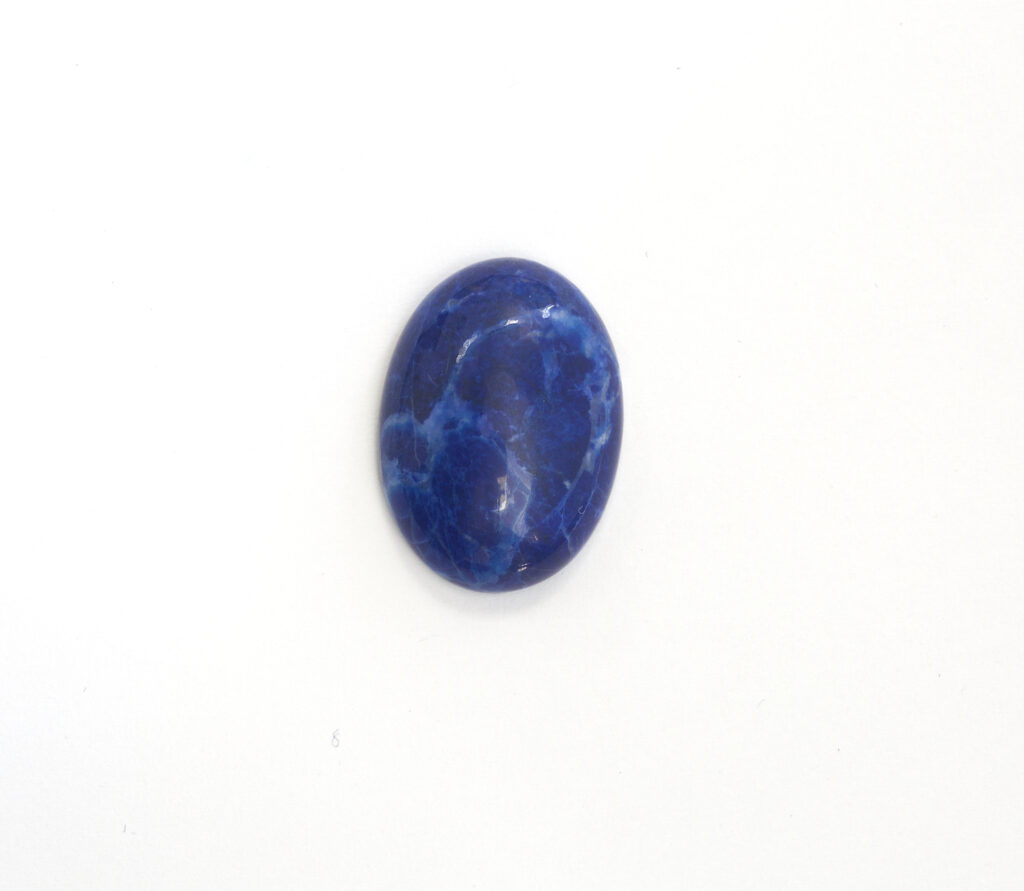
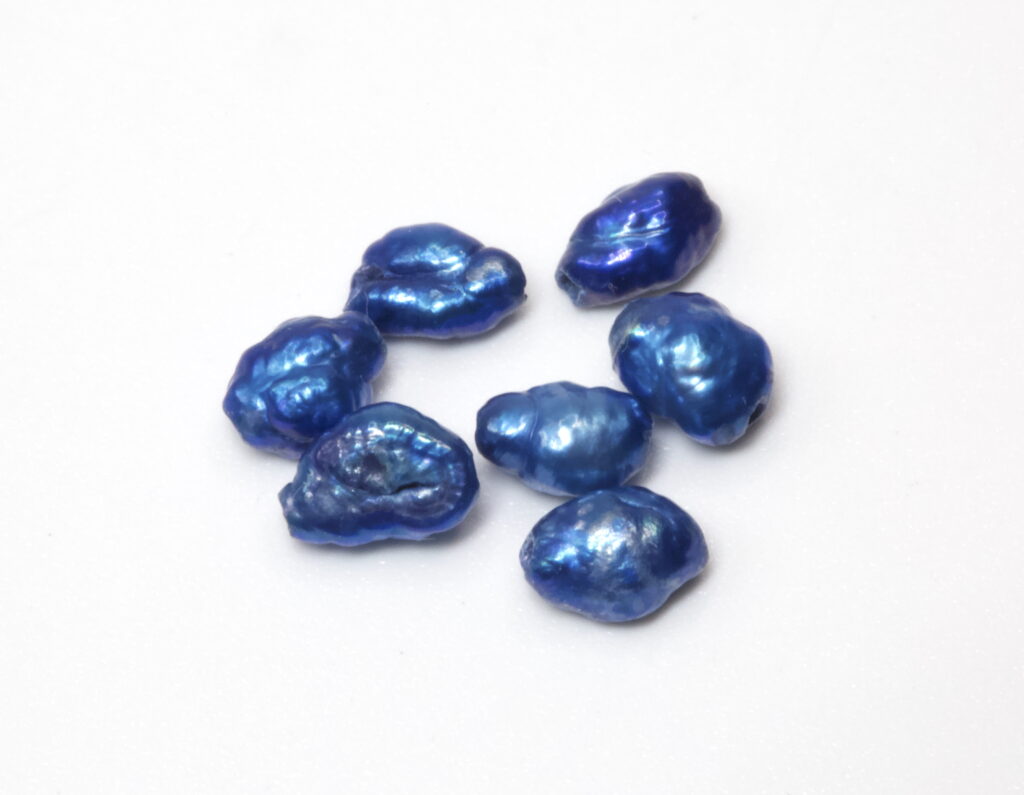
The technique is particularly effective on sub-transparent stones, such as jadeite, opal, lapis lazuli, and pearls, where the dye can permeate the material and impart a uniform or enhanced color. Furthermore, dyeing can transform less valuable materials into convincing simulants of precious gemstones. Quartzite, magnesite, and marble can be dyed to resemble more expensive stones. Even transparent materials like corundum (sapphire and ruby) and quartz can be treated to achieve vibrant red or blue hues, or any imaginable color, respectively.
Dyed stones, whether they are intended to imitate a rare gem or simply to improve the appearance of a lower-quality specimen, possess significantly lower intrinsic value than the materials they aim to replicate. This economic disparity underscores the critical importance for gemologists to accurately identify these treatments. While certain visual cues are common across most dyed stones, others are specific to particular materials and require specialized knowledge to recognize.
The Tell-Tale Signs: Visual Clues of Dyed Gemstones
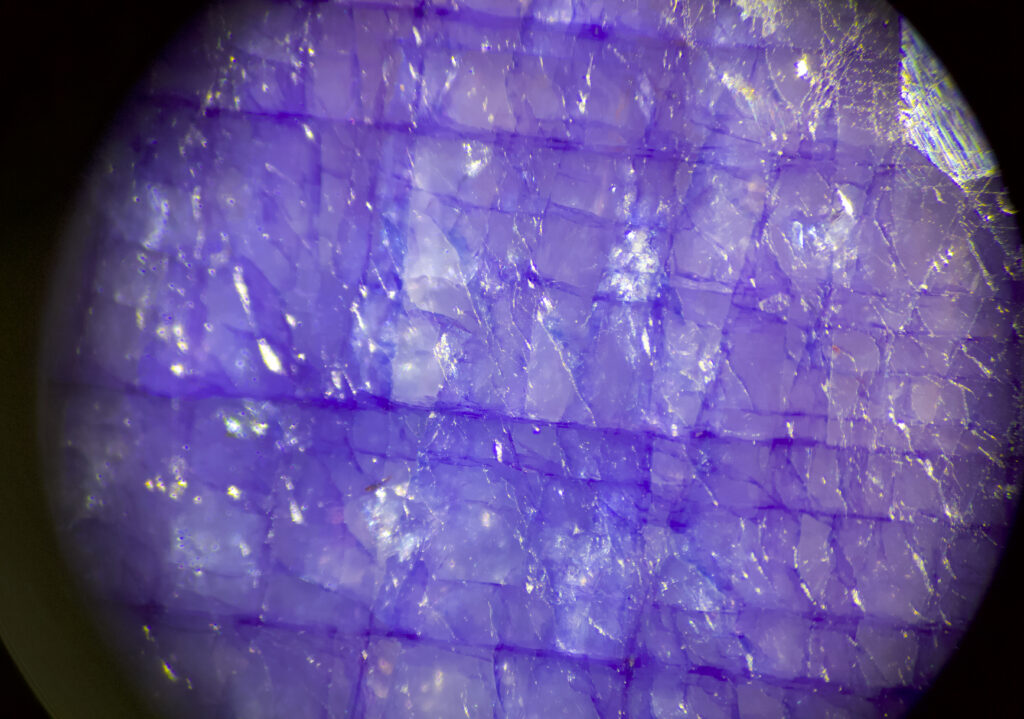
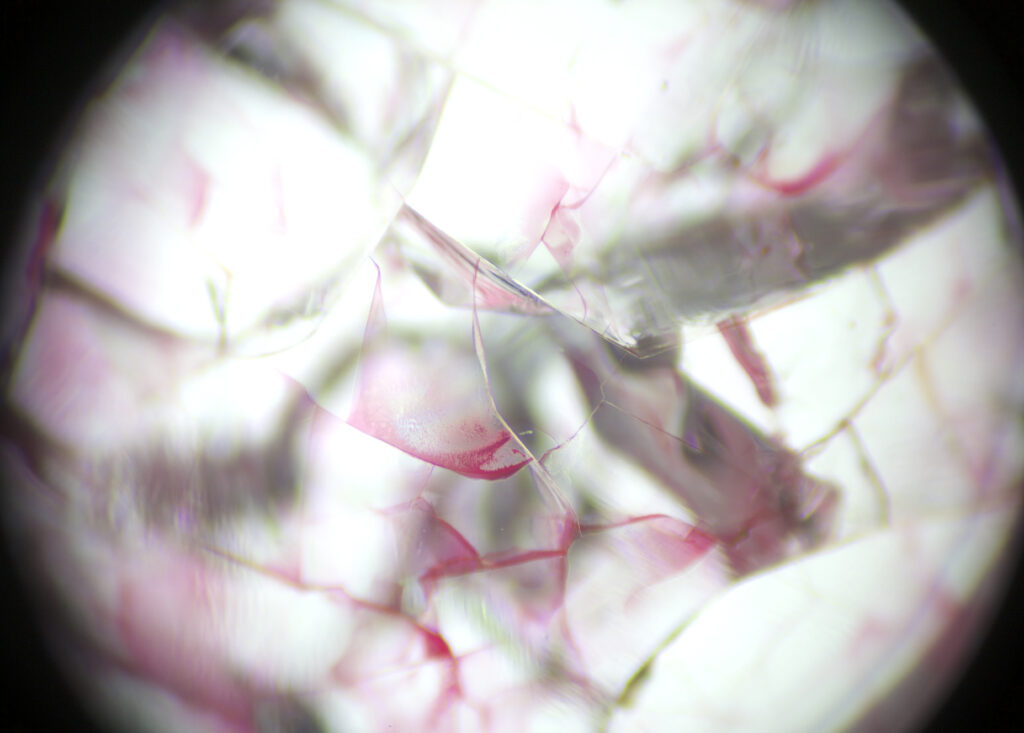
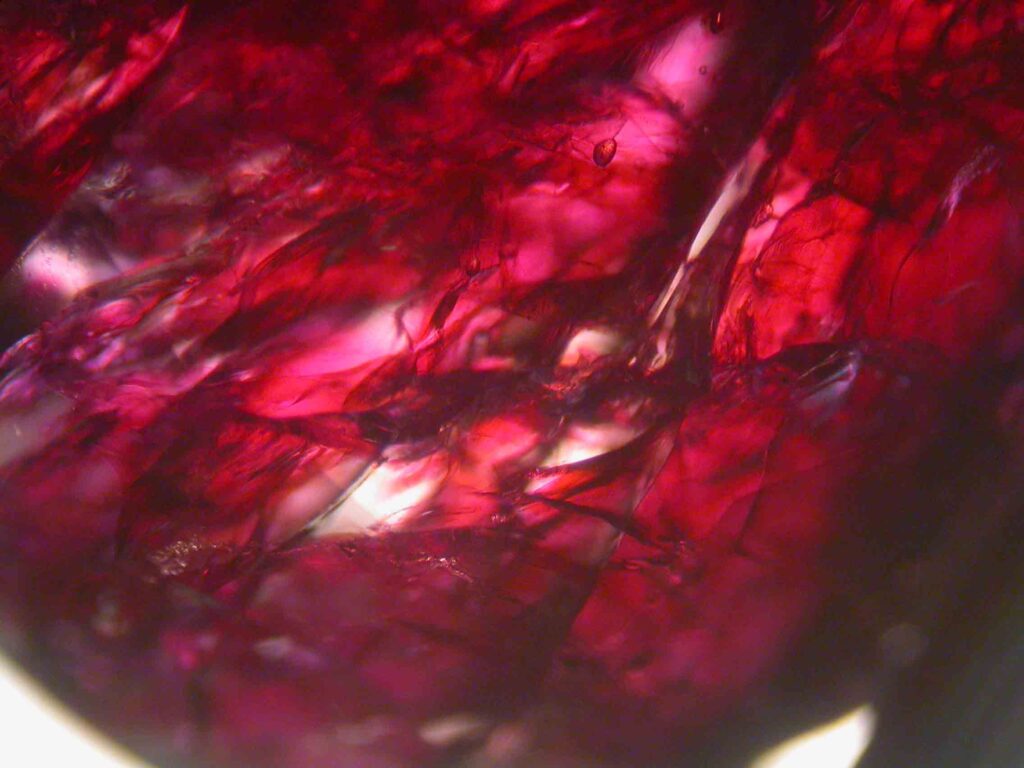
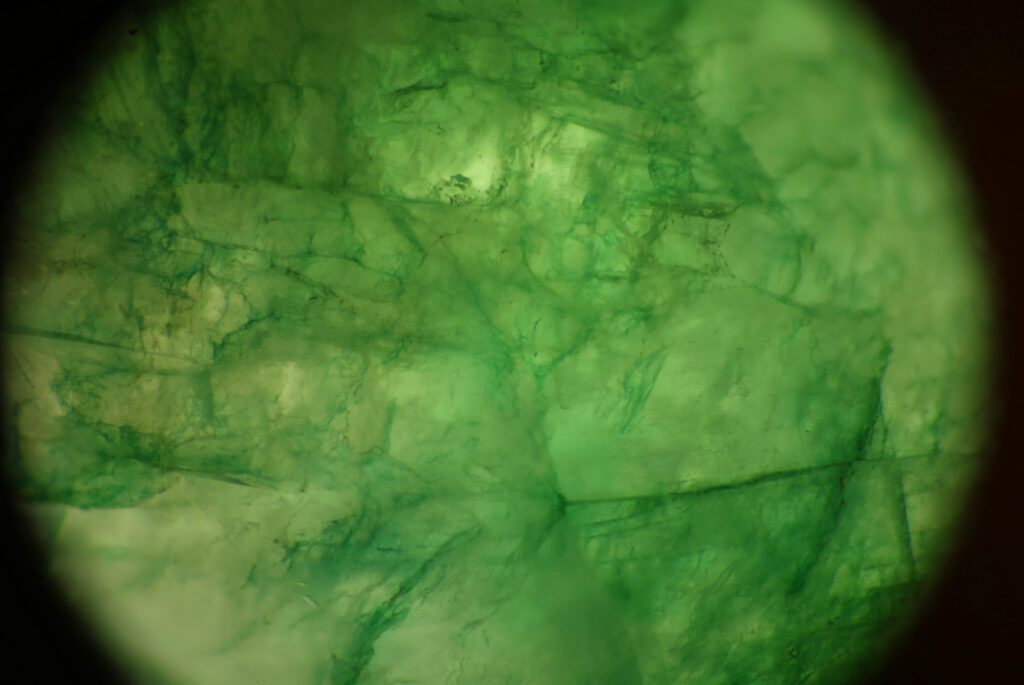
The most prevalent indicator of dyeing is the characteristic concentration of color within the stone’s pore spaces and fractures. When examined closely under a loupe or microscope, this uneven distribution of pigment often provides irrefutable evidence of treatment. However, gemologists must exercise caution, as natural iron compounds within fractures can sometimes mimic this effect, appearing as yellowish-brown to reddish-brown stains. Differentiating between natural and artificial coloration requires a keen eye and a deep understanding of geological processes.
Another common diagnostic test involves the use of solvents. Dyes are often soluble in acetone or similar organic solvents. A small swab dipped in such a liquid, when rubbed against the surface of a suspect stone, may transfer the dye’s color onto the swab. While this test is often effective, it is not foolproof. Some dyes are formulated to be insoluble, and others may be protected by a resin or wax coating, rendering this test inconclusive in those instances.
Unveiling the Spectrum: Absorption Spectra and Dyed Gems
The examination of absorption spectra offers a more sophisticated method for identifying dyed gemstones. Naturally colored gemstones exhibit distinct spectral patterns, characterized by the absorption of specific wavelengths of light, which are responsible for their color. Dyed stones, however, may either lack these characteristic spectra entirely or display spectra that deviate significantly from those of their naturally colored counterparts.
For instance, a pale corundum treated to resemble a ruby might not exhibit the characteristic chromium spectrum of a natural ruby, or if it does, the spectral lines may be too faint to account for the stone’s intense color. Similarly, green jadeite typically displays a chrome spectrum with fine lines in the red region. Dyed green jadeite, on the other hand, may present broader absorption bands in the red or red-to-orange spectrum, but crucially, it will lack those fine, diagnostic red lines.
Beyond the Visible: Other Diagnostic Tools
The Chelsea Color Filter, a dichromatic filter used in gemology, can also reveal differences between dyed and undyed stones. For example, chrysoprase, a naturally green variety of chalcedony, appears distinctly green under the filter. In contrast, dyed green agate often exhibits a greyish to pinkish hue when viewed through the same filter.
Luminescence, the emission of light by a substance when exposed to ultraviolet (UV) radiation, can also be a valuable indicator. Certain dyed gemstones exhibit luminescence patterns that differ from their untreated counterparts. For instance, some dyed lavender jadeite glows a vibrant orange under long-wave UV light, a phenomenon not observed in naturally colored lavender jade or some other dyed varieties.
The Double-Edged Sword: Advantages and Disadvantages of Dyed Gems
The practice of dyeing gemstones, despite its potential for deception, offers certain advantages to the jewelry industry and consumers. It significantly broadens the range and availability of visually appealing gemstones, making colored stones more accessible to a wider audience. Lower-quality materials can be enhanced to substitute for more expensive gem varieties, leading to more affordable and attractive jewelry pieces. This also allows jewelers to experiment with more adventurous designs and offer a greater variety of colorful creations at competitive price points.
However, the inherent risk of dyed gemstones lies in the potential for misrepresentation and fraud. When the treatment is not disclosed, consumers may unknowingly purchase stones of diminished value, believing them to be naturally colored and therefore more precious. This places a significant responsibility on gemologists. They are tasked with identifying these treatments, ensuring that gemstones are accurately described, and upholding the integrity of the jewelry market. Their expertise is crucial in preventing both unintentional errors and deliberate deception, allowing consumers to make informed decisions and appreciate the true value of their purchases.
The Path Forward: Education and Transparency
The Gemmological Association of Great Britain (Gem-A) emphasizes the importance of continuous education and transparency in the gemstone trade. Understanding the intricate world of gemstone treatments, including dyeing, is paramount for anyone involved in the buying, selling, or appreciation of gems. For those seeking to deepen their knowledge, Gem-A offers introductory online courses like "GemIntro" and accredited programs that provide comprehensive training in gem identification and treatment detection. By fostering a greater understanding of these practices, the industry can move towards a future where authenticity and transparency are paramount, ensuring that the beauty of gemstones is appreciated for its true, natural splendor.
Main Image: Dyed sapphire beads by Gabriel Kleinberg.