By: Luo Jingmei
Shanghai is a city defined by perpetual motion. As one of the world’s most dynamic urban landscapes, it exists at the intersection of history and the future, where the 19th-century colonial architecture of the Bund stands in stark, dramatic contrast to the neon-drenched skyscrapers of Lujiazui. For the weary traveler or the stressed executive, the city’s cacophonous streets and relentless energy can be overwhelming. Yet, tucked away behind discreet doors and within the quiet courtyards of heritage villas, a hidden world of tranquility awaits.
In this sanctuary, three of Shanghai’s most prestigious spas are redefining the concept of luxury, blending the age-old wisdom of Traditional Chinese Medicine (TCM) with cutting-edge, science-backed therapeutic technologies. These establishments offer more than just a massage; they provide a comprehensive recalibration of the mind and body.
The Philosophy of Urban Wellness: An Overview
The modern spa industry in Shanghai has evolved significantly from the basic massage parlors of the past. Today, the city’s elite wellness centers function as "urban resorts"—designed environments that prioritize sensory deprivation, holistic healing, and atmospheric architecture.
The three spas explored here—Spa Alila, Shanghai Auriga Spa, and Mi Xun Spa—each represent a different philosophy of restoration. Whether it is through the sound-frequency healing of the Alila, the meridian-balancing techniques of the Auriga, or the cellular-level radiofrequency therapy of Mi Xun, these venues reflect a growing trend in luxury travel: the shift toward "transformative wellness," where the goal is to leave the facility fundamentally better than when one arrived.
Chronology of Calm: A Journey Through Shanghai’s Healing Spaces
1. Spa Alila: The Art of Sensory Equilibrium
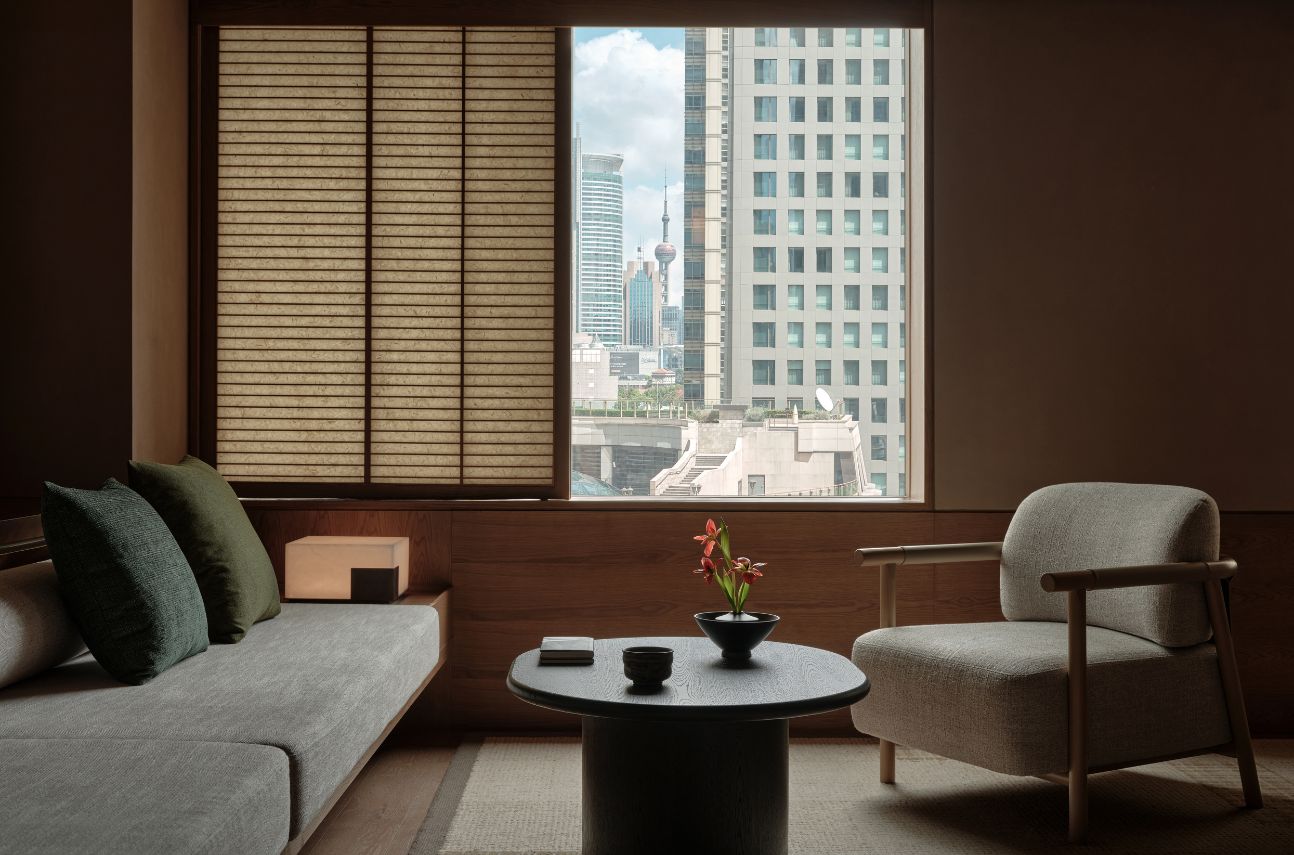
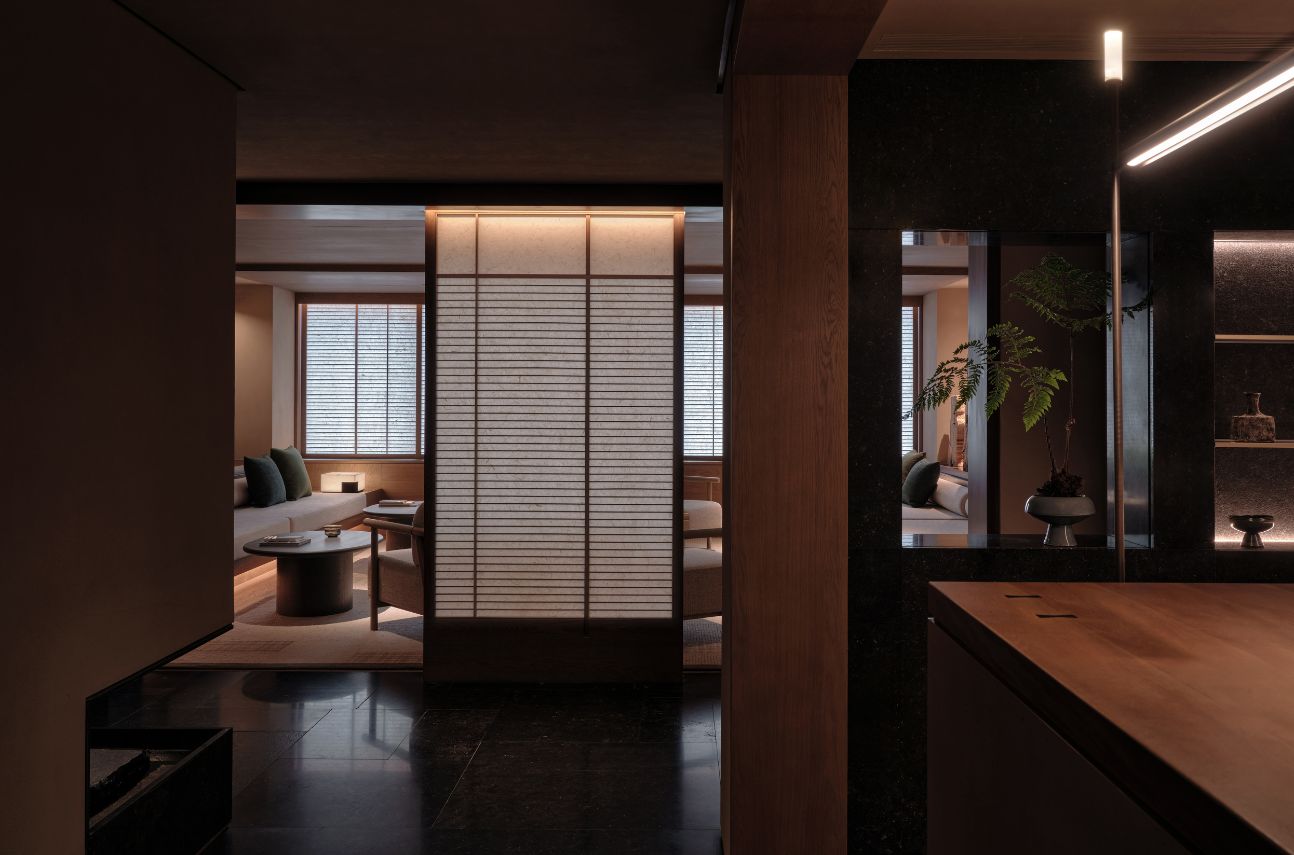
Located within the Alila Shanghai, this spa acts as an immediate psychological barrier against the Jing An district’s frantic pace. Upon entering, the transition is instantaneous. The architectural language is one of restraint: trickling water features, natural wood finishes, and Shoji-inspired screens that soften the harsh Shanghai sunlight into a gentle, meditative glow.
The Experience:
The spa’s standout feature is its deep connection to the earth. Guests are encouraged to explore the hotel’s onsite organic garden to select fresh herbs that are then incorporated into their treatment, grounding the experience in the physical reality of the local environment.
The Signature Ritual:
The Thereal Zen Wood Therapy is a masterclass in multi-sensory immersion. It begins with the "Rain Bamboo" ritual—a meditative preparation where a therapist uses a bamboo instrument to mimic the sound of rainfall, creating a sonic landscape that synchronizes with the guest’s breathing. This is followed by a deep-tissue massage that benefits from the initial period of sonic relaxation, allowing muscles to yield more readily to the therapist’s touch.
2. Shanghai Auriga Spa: Where History Meets Holistic Healing
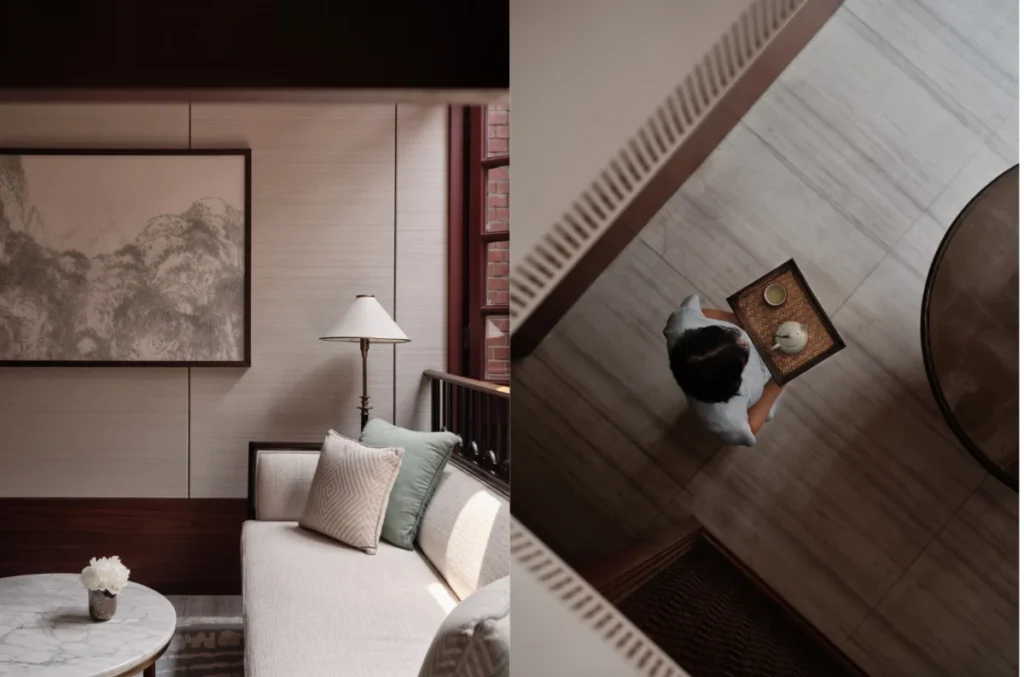
Nestled within the Capella Shanghai at Jian Ye Li, this spa occupies a space that feels like a whisper of the past. The facility is housed within a complex of 1930s Shikumen townhouses, designed by the late, legendary interior designer Jaya Ibrahim. The spa’s architecture—a fusion of chinoiserie and modern European sensibility—mirrors the heritage of the surrounding Xuhui District.
The Experience:
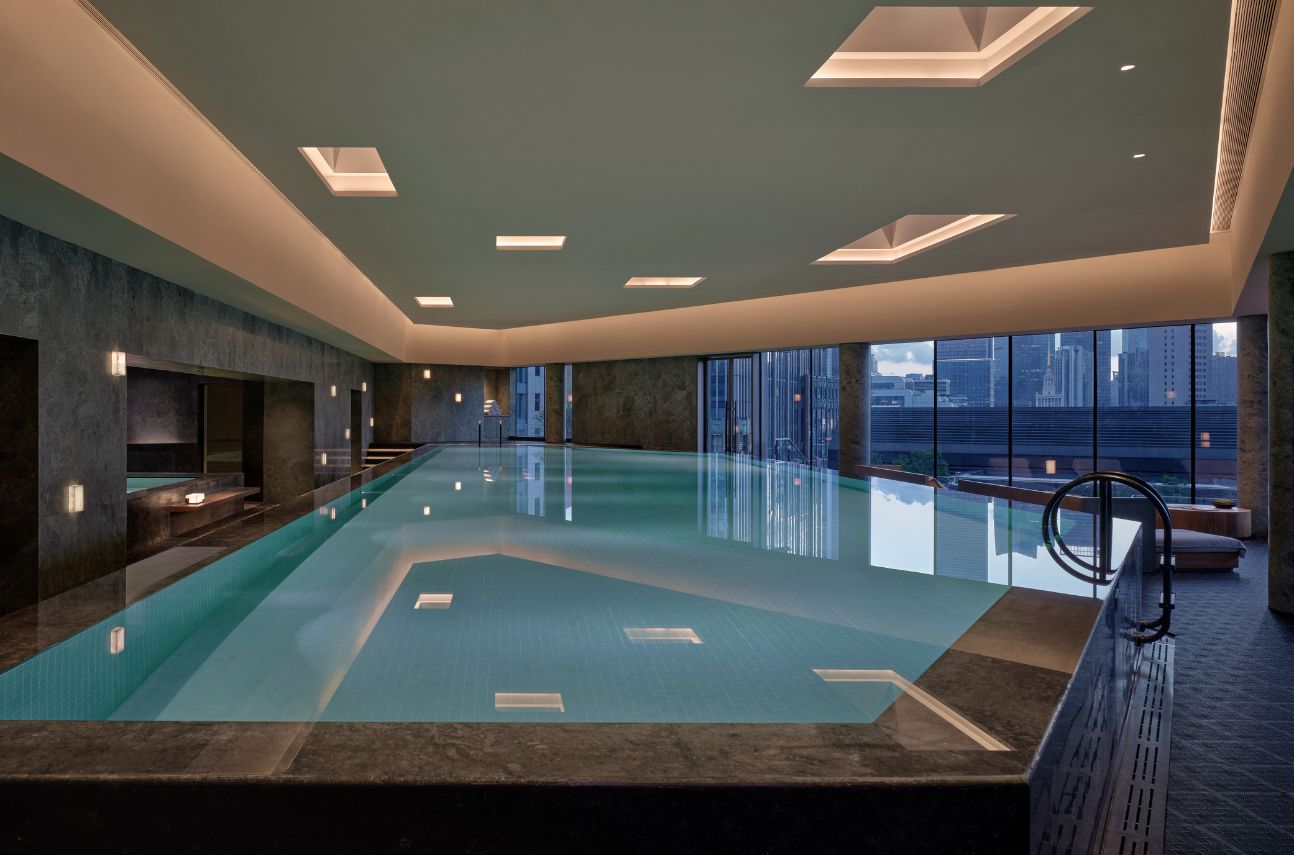
Spread across three floors, the scale is intentionally residential rather than cavernous. This intimacy is vital to the spa’s appeal, as it prevents the feeling of "clinical detachment" often found in large-scale luxury hotels. The facilities are comprehensive, featuring gender-specific saunas, a gravity-free Vitality Pool, and a unique salt room designed to improve respiratory health.
The Signature Ritual:
The Chinese Meridian Massage is a testament to the endurance of TCM. Performed fully clothed without the use of oil, the massage focuses on the body’s energy pathways (meridians). The objective is to release blockages and restore the flow of Qi. By applying precise pressure to specific points—most notably the soles of the feet—the therapist initiates a state of deep, restorative slumber, effectively "resetting" the nervous system.
3. Mi Xun Spa: The Science of Cellular Restoration
Located in the Upper House Shanghai, Mi Xun Spa represents the pinnacle of modern, minimalist luxury. Designed by the renowned Italian architect Piero Lissoni, the spa is accessed via a dramatic, curved tunnel of charcoal-colored stone, an architectural "decompression chamber" that signals the end of the city bustle and the beginning of the inner journey.

The Experience:
Mi Xun moves beyond traditional touch-based therapy, leaning heavily into bio-technology. The facility’s commitment to non-invasive science makes it a favorite for those seeking tangible physical results, such as inflammation reduction and tissue repair.
The Signature Ritual:
The INDIBA® Immune System Healing Treatment utilizes patented 448 kHz radiofrequency energy. Unlike surface-level heat therapies, this technology penetrates deep into the fascia, muscle, and bone. It is, in essence, a metabolic session for the tissues.
Supporting Data: The Science of Modern Therapy
The shift toward science-backed wellness is supported by increasing clinical interest in non-invasive therapies.

- Radiofrequency (RF) Benefits: According to industry experts like Beverly Dong, Director of Spa at The Upper House, the efficacy of INDIBA® lies in its ability to reach deeper than the epidermis and dermis. By stimulating collagen and elastin production while simultaneously breaking down fat deposits and relaxing deep muscle tissue, it functions as a therapeutic tool that provides both immediate relief from stiffness and long-term metabolic support.
- Acoustic Therapy: The use of sound-based rituals (like those at Alila) is increasingly validated by studies in psychoacoustics, which suggest that controlled, rhythmic sound patterns can lower cortisol levels and induce alpha-wave brain states, facilitating faster recovery from physical exertion.
- Traditional Chinese Medicine (TCM): The enduring popularity of meridian-based massage in premium Shanghai spas is not merely cultural; it is a response to modern "lifestyle diseases." By addressing the flow of Qi, these treatments target the somatic manifestations of stress—tight shoulders, poor circulation, and insomnia—that standard Western massage often fails to resolve.
Official Responses and Industry Perspectives
"Our approach is to bridge the gap between the chaotic reality of Shanghai and the human need for stillness," notes the management team at Alila. "We aren’t just selling a massage; we are selling a recalibration of the senses."
This sentiment is echoed across the luxury sector. The integration of high-end technology, such as the radiofrequency machines at Mi Xun, represents a strategic pivot. Luxury travelers no longer want "pampering" alone; they want "performance." They want to leave the spa feeling physically lighter, mentally clearer, and prepared to face the next day’s demands.
The focus on heritage, as seen at the Capella, provides the "emotional architecture" necessary for healing. By honoring the 1930s Shikumen roots of the Jian Ye Li complex, the spa connects the guest to the history of the city, providing a narrative context to the wellness journey.

Implications: The Future of Urban Escapism
The implications for the hospitality industry are clear: the future of the urban hotel spa is in "Hyper-Personalization." As these three examples demonstrate, a successful spa must be a hybrid space—a blend of the organic and the digital, the ancient and the modern.
For the visitor to Shanghai, these spas serve a vital function. They are the "pressure valves" of the city. By investing in these treatments, one does not merely find a way to relax; one finds a way to sustain a high-paced, high-performance lifestyle.
As we look toward the future of global wellness, the Shanghai model offers a compelling blueprint. It proves that even in the most futuristic, rapidly evolving cities, there remains a fundamental human craving for quiet, for technique, and for the restoration of the soul. Whether it is the sound of rain in a bamboo cup, the pressure of a thumb on a meridian point, or the warmth of a radiofrequency electrode, these rituals remind us that no matter how fast the world turns, we always have the capacity to stop, breathe, and begin again.