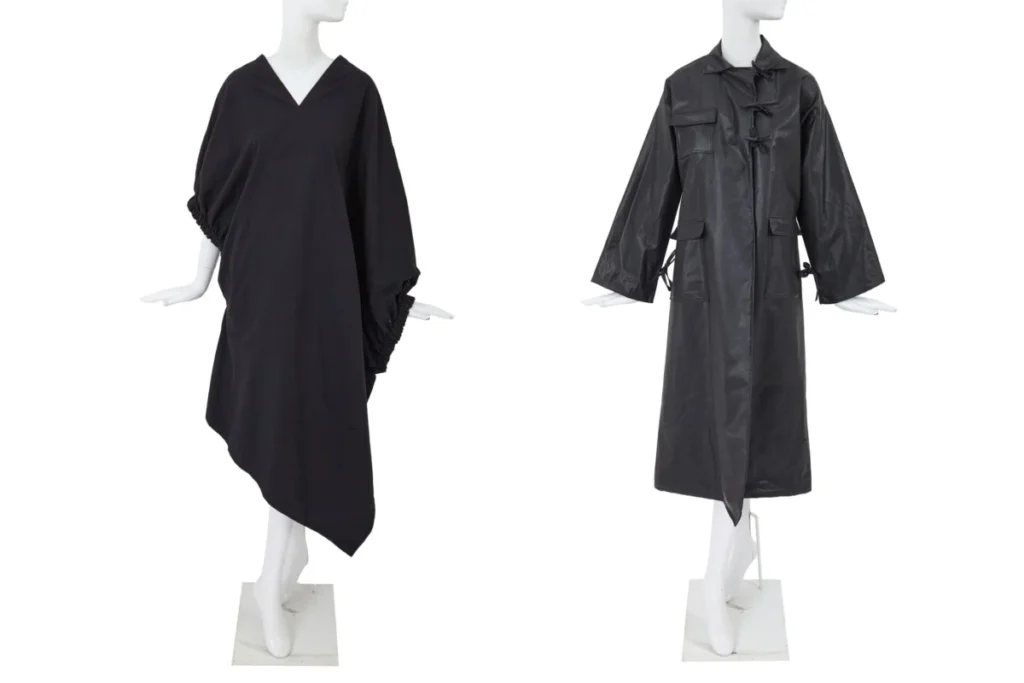
In the insular, high-stakes world of fashion collecting, few names command as much reverence as Rei Kawakubo, the visionary founder of Comme des Garçons. While the brand is frequently associated with deconstruction, radical silhouettes, and a challenge to the very definition of “wearability,” a forthcoming auction in London is set to reveal a different, more nuanced side of the label. On September 15, Kerry Taylor Auctions will host a landmark sale featuring 265 rare items from the private collection of Octavius La Rosa, the Australian vintage dealer and proprietor of Dot Comme.
This sale is not merely a transaction; it is a masterclass in fashion history. With a collection that spans the brand’s inception in the 1970s to the height of the 2000s, La Rosa is offering the public a chance to own pieces that helped redefine global aesthetics.
The Man Behind the Archive: Octavius La Rosa
Octavius La Rosa is not your typical vintage dealer. Based in Melbourne, he has spent the last 15 years curating what is arguably one of the most significant private archives of Comme des Garçons in existence—a collection totaling nearly 4,000 pieces. His transition from a personal collector to a professional archivist is driven by a profound, almost academic obsession with Kawakubo’s creative trajectory.
La Rosa’s dedication is evident in his own aesthetic choices. During a recent interview, he appeared on screen wearing a vibrant, striped Comme des Garçons suit, embodying the very spirit of the brand he champions. His journey began as a consumer—someone who simply loved to wear the clothes—but quickly evolved into a mission to categorize and preserve the history of the house. He recalls being the first person in line at the Metropolitan Museum of Art’s 2017 Costume Institute retrospective, Rei Kawakubo/Comme des Garçons: Art of the In-Between, a testament to his status as a superfan-turned-custodian.
A Chronological Journey Through Kawakubo’s Vision
The 265 lots curated for the London auction provide a panoramic view of the label’s evolution. According to Alex Baddeley, director and auctioneer at Kerry Taylor Auctions, the collection offers a surprising range, from the radical conceptual pieces that define the brand to surprisingly "simple, subdued, and wearable base layers."
The 1970s and 1980s: The Inception
The sale highlights 18 lots from the brand’s earliest years. For collectors, these pieces are the "Holy Grail." Included in the auction is an austere wool pantsuit from the legendary Fall 1982 "Pirates" collection—a seminal moment in fashion history where Kawakubo challenged the polished, structured norms of the era. The expected hammer price for this piece, estimated between £800 and £1,200, reflects its historical weight.

Similarly, the sale features a black polyurethane raincoat with intricate knot details—a piece that highlights the designer’s early mastery of non-traditional materials. These items provide a direct link to the 1980s Paris runway shows that first introduced the world to the "Japanese avant-garde."
The 2000s: From Tartan to Broken Brides
As the collection moves into the 21st century, the intensity of the designs shifts. The auction includes a multitartan ensemble from the Spring 2006 collection, capturing the brand’s penchant for punk-inflected maximalism. Contrast this with the wistful, delicate creations from the Fall 2005 "Broken Bride" collection, a show so emotionally resonant it famously left audience members in tears. These pieces serve as a reminder that Comme des Garçons is as capable of profound fragility as it is of harsh, structural innovation.
Supporting Data: The Value of the Avant-Garde
The secondary market for Comme des Garçons has seen an unprecedented surge in valuation. Last June, Kerry Taylor Auctions set a world record when a "major museum" acquired a deliberately tattered sweater and skirt set from the Fall 1982 "Holes" collection for £65,000.
This record is not an anomaly. It is indicative of a broader, sustained interest in Japanese design. Collectors are no longer just looking for "fashion"; they are looking for art. As Baddeley notes, these vintage pieces "retain the genius of their design" and continue to feel "remarkably new" to contemporary observers. The market is shifting from mere resale to institutional acquisition, as museums scramble to fill gaps in their 20th-century fashion archives with pieces from La Rosa’s collection.
Official Perspectives: The Appeal of the Non-Traditional
Alex Baddeley views this auction as a pinnacle of professional curation. "La Rosa understands the breadth of this brand in a way that few people do," Baddeley says. "He’s not just collecting things purely from a business point of view. He loves this stuff."
Baddeley points out that the "forgiving" nature of many of these garments is often overlooked. "As people age and their bodies change, a lot of Comme des Garçons is very forgiving of that," he notes, suggesting that the brand’s commitment to oversized or unconventional silhouettes makes it surprisingly practical for long-term ownership.

Furthermore, the auctioneer highlights that the appeal is no longer restricted to fashion insiders. The proliferation of single-owner auctions has allowed for a more "curated narrative," attracting a diverse array of collectors who are drawn to the brand’s defiance of the "boring" mainstream fashion cycle. "With Comme des Garçons, it has never been safe," says Baddeley. "Whenever you wear it, you’re going to feel different and special."
Implications: The Evolution of Dot Comme
For Octavius La Rosa, this auction is a strategic pivot point. The proceeds are earmarked for the expansion of his "Dot Comme" business. Having operated a store in Melbourne for over a decade and recently opening a permanent outpost at 1 Rue de l’Abbaye in Paris, La Rosa has ambitious plans for the future.
He intends to open a second, larger location that will function as a hybrid resource—a destination for fashion historians, designers, and museums. Beyond retail, he hopes to develop a rental service for his archives and, ultimately, to curate public exhibitions. By selling the "crème de la crème" of his personal collection, La Rosa is effectively financing the next chapter of his career, transforming from a private collector into a public-facing archivist and educator.
The Future of Fashion Auctions
The success of this sale will likely serve as a bellwether for the fashion auction market. As high-end fashion becomes increasingly digitized and fast-paced, there is a counter-movement toward the tangible, the archival, and the historical.
The fact that the sale also includes pieces from Junya Watanabe—Kawakubo’s long-time protégé—speaks to the depth of the "Comme" universe. The auction is expected to attract fierce bidding, particularly for the oldest, most rare items. Whether the hammer prices will again reach the heights of the £65,000 record remains to be seen, but the event is undoubtedly a landmark moment for the brand.
Ultimately, the sale of the La Rosa collection is a validation of the enduring power of Rei Kawakubo’s vision. In a world of fleeting trends, the pieces held within these 265 lots remain as defiant and revolutionary as the day they first walked the runway. For the winning bidders, they are not just buying clothing; they are securing a fragment of fashion history that refuses to be forgotten.