By Retail Intelligence Desk
Published September 2, 2026
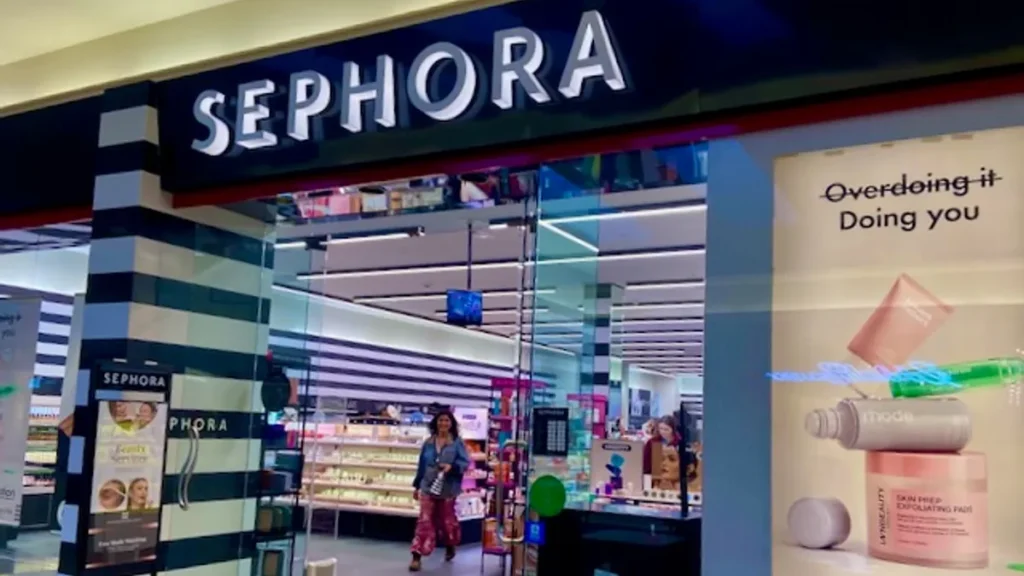
In a move that signals a seismic shift in the beauty retail landscape, Sephora has officially announced its integration into TikTok Shop. Beginning September 19, 2026, the global beauty giant will pilot a dedicated e-commerce hub on the social media platform, branded as the "Sephora Drop Shop." This initiative represents more than just a new sales channel; it is a calculated effort to marry the viral nature of beauty content with the immediate gratification of in-app purchasing.
By bridging the gap between discovery and transaction, Sephora aims to solidify its position as the preeminent destination for beauty enthusiasts who increasingly turn to their "For You" feeds for product inspiration and tutorials.
The Core Mechanics of the Sephora Drop Shop
The Sephora Drop Shop is designed to operate as a high-frequency, content-driven marketplace. Unlike a static storefront, the pilot program will center on a "drop" model—a retail strategy that emphasizes scarcity, exclusivity, and timing to drive consumer engagement.
How the Pilot Functions
Each month, Sephora will curate a selection of products to be released exclusively through its TikTok Shop portal. The lifecycle of each "drop" is structured to maximize social engagement:
- Teaser Phase: Brands featured in the drop will share behind-the-scenes content and product previews, building anticipation within their specific communities.
- Creator Integration: Leveraging TikTok’s robust creator economy, influencers will post content-led videos that demonstrate the product’s efficacy and application, acting as a bridge between brand messaging and consumer trust.
- The Live Event: The climax of each drop is a dedicated TikTok Live session, where the products become officially available for purchase. This real-time interaction allows for live demonstrations, immediate Q&A sessions, and a sense of communal shopping that traditional e-commerce platforms struggle to replicate.
- The Window of Exclusivity: While these products will be sold exclusively on TikTok initially, Sephora has confirmed that shoppers can preview these items on the official Sephora website during the launch window. Following the initial exclusive period, the products will roll out to broader distribution channels, including physical Sephora boutiques and other retail partners.
Chronology of a Digital Transformation
The launch of the Sephora Drop Shop is not an isolated experiment but the culmination of a multi-year digital strategy.
- 2023: TikTok Shop officially debuts in the United States, disrupting the traditional retail funnel. Retailers begin to recognize the platform as a "discovery engine" rather than just a social network.
- 2024–2025: Sephora focuses on enhancing its internal digital ecosystem, investing in omnichannel experiences and personalizing the online beauty consultation process.
- January 2026: Industry leaders, including executives from brands like Pacsun, highlight at the NRF Big Show that TikTok Shop has become an essential laboratory for testing product-market fit and consumer sentiment in real-time.
- September 2, 2026: Sephora officially announces the "Sephora Drop Shop," setting the stage for a September 19 launch.
Supporting Data: Why TikTok Matters for Beauty
The beauty industry has long been the primary beneficiary of the "TikTok Effect." From viral skincare routines to the sudden sell-out of high-end mascaras, the platform has demonstrated an unparalleled ability to influence consumer behavior.
According to industry analysts, beauty remains one of the top-performing categories on TikTok Shop. The platform’s algorithm-driven feed allows niche beauty products—which might otherwise struggle to gain shelf space in physical stores—to reach a global audience overnight.
Retailers are finding that the "discovery" phase of the shopping journey is increasingly decoupled from the point of purchase. By integrating a shop directly into the feed, Sephora is effectively closing the "friction gap." The data suggests that when a user moves from an inspiring video to a purchase page without leaving the app, conversion rates increase significantly.
Furthermore, the "test-and-learn" approach adopted by Sephora allows the company to collect granular data on consumer preferences. By observing which products generate the most engagement during a TikTok Live, the company can refine its demand forecasting, inventory management, and marketing strategies across its entire brick-and-mortar footprint.

Official Responses: A Global Digital Vision
The strategic rationale behind this move was clearly articulated by Sephora’s leadership. Anca Marola, Global Chief Digital Officer at Sephora, emphasized that the decision was driven by a commitment to meet customers in their natural digital habitat.
"TikTok Shop is a powerful extension of our global digital strategy and our commitment to meeting clients wherever they discover beauty," Marola stated. "By approaching this launch with a test-and-learn mindset, we are not only scaling our retailtainment model in the U.S., but also gathering critical insights to inform our digital innovation and future rollout across our global network."
This statement underscores a significant shift in corporate philosophy. Where retailers once treated social media as a secondary marketing channel, Sephora is treating it as an primary operational extension. The "retailtainment" model—a hybrid of retail and entertainment—is now the centerpiece of the company’s digital roadmap.
Implications for the Future of Retail
The entry of a behemoth like Sephora into TikTok Shop creates a ripple effect that will likely define the retail trends of the late 2020s.
1. The Death of the Traditional Funnel
The traditional retail funnel—Brand Awareness -> Consideration -> Purchase -> Loyalty—is being replaced by a compressed, circular model. In the TikTok Shop ecosystem, awareness and purchase often happen simultaneously. Brands that cannot adapt to this speed will find themselves at a disadvantage.

2. The Rise of "Retailtainment"
Sephora’s focus on live-stream shopping signals that static product photography is no longer enough. The future of beauty retail is dynamic, human-centric, and interactive. Brands will need to invest heavily in content production and influencer partnerships that prioritize authenticity over polished, high-production advertising.
3. Data-Driven Agility
The "Drop" model allows Sephora to experiment with new brands and product lines without the long-term risk of stocking them across thousands of physical stores. If a product fails to move on TikTok, it is a low-cost lesson. If it thrives, it becomes a candidate for mass-market distribution. This agility is a significant competitive advantage in an era of rapidly shifting trends.
4. Competitive Pressure on Other Retailers
With Sephora moving into this space, other major retailers and department stores will face immense pressure to follow suit. The expectation for "in-feed" shopping will likely become a baseline consumer requirement, forcing companies to accelerate their digital transformation timelines.
Conclusion: A New Chapter for Sephora
As September 19 approaches, all eyes are on the Sephora Drop Shop. The success of this pilot will likely serve as a blueprint for other luxury and prestige beauty retailers. By embracing the chaos and spontaneity of TikTok, Sephora is not just selling products; it is attempting to own the modern beauty discovery experience.
The integration of commerce into social media is no longer a futuristic concept—it is the present reality of retail. For Sephora, the challenge will be to maintain its brand prestige while operating within a platform that thrives on raw, unpolished, and fast-moving content. If the company succeeds in this balancing act, it will have successfully future-proofed its business for the next decade of digital-first beauty consumers.