London, UK – [Date] – Gemmologists frequently encounter materials that mimic the allure of natural gemstones. Among these, artificial glass paste stands out as a common yet often underestimated player. Far from being mere cheap imitations, these glass creations represent a rich tapestry of historical artistry, technological innovation, and evolving aesthetic preferences. As highlighted by Gem-A Tutor Pat Daly, the term "paste" is specifically employed to distinguish these man-made glasses from naturally occurring glassy minerals, underscoring a distinction that is crucial for both collectors and professionals in the field. This exploration delves into the multifaceted world of glass in antique jewellery, revealing its historical significance, diverse production methods, and the subtle cues that allow for its identification.
The Enduring Appeal: Glass as a Sophisticated Substitute
While the uninitiated might dismiss glass as a mere substitute for precious stones, a deeper examination reveals a profound appreciation for its aesthetic and technological development over millennia. Ancient civilizations, driven by the desire for beauty and symbolic meaning, recognized glass’s potential to replicate the colours and forms of rare and costly natural materials.
In the cradle of civilization, ancient Egypt, jewellery served a dual purpose: adornment and spiritual protection. The vibrant hues of stones like lapis lazuli, sourced from distant lands and commanding exorbitant prices, were highly sought after. Glass emerged as a more accessible and economically viable alternative, capable of fulfilling these important roles. Its widespread use is evident in the funerary goods of Pharaoh Tutankhamun, famously adorning his iconic death mask. This early adoption was not an isolated phenomenon. Civilizations across Mesopotamia, China, Greece, and Rome also embraced glass as a means to simulate valuable gemstones, laying the groundwork for centuries of innovation in its application to adornment.
A Legacy Forged in Fire: The Production of Glass for Jewellery
The creation of glass for jewellery can be broadly categorized into three distinct methods, all of which have roots stretching back to antiquity. Understanding these techniques is paramount to appreciating the artistry and complexity involved.
Paste: The Art of Mimicry
At the forefront of glass simulants is "paste." This meticulously crafted material is produced by fusing a precise blend of silica, colouring agents, and specific chemicals designed to enhance its workability. The molten glass is then either molded into desired shapes or cut and polished from solid blocks. The versatility of paste is remarkable; it can achieve a spectrum of transparency, from crystal clear to opaque, and can be imbued with virtually any color imaginable. Furthermore, paste can convincingly replicate the textures and intricate patterns found in a vast array of natural gemstones.

To amplify its brilliance and mimic the high refractive index of precious stones like diamonds and corundum, paste is often "foil-backed" within jewellery settings. This technique involves placing a thin layer of metallic foil behind the glass, which reflects light back through the stone, creating a dazzling effect. Beyond mere visual mimicry, modifications in paste production allow for the creation of captivating optical phenomena. Effects such as the "cat’s eye" chatoyancy, iridescent shimmer, aventurescence (sparkling inclusions), and asterism (star-like patterns) can all be artfully engineered.
A particularly sophisticated application of paste involves "devitrified glass." In this process, specific ingredients are introduced that crystallize at a higher temperature than that at which the glass solidifies. The resulting material contains fine, needle-like to branching crystallites suspended within the glassy matrix. This internal structure can remarkably resemble the polycrystalline nature of certain gemstones, further enhancing the illusion.
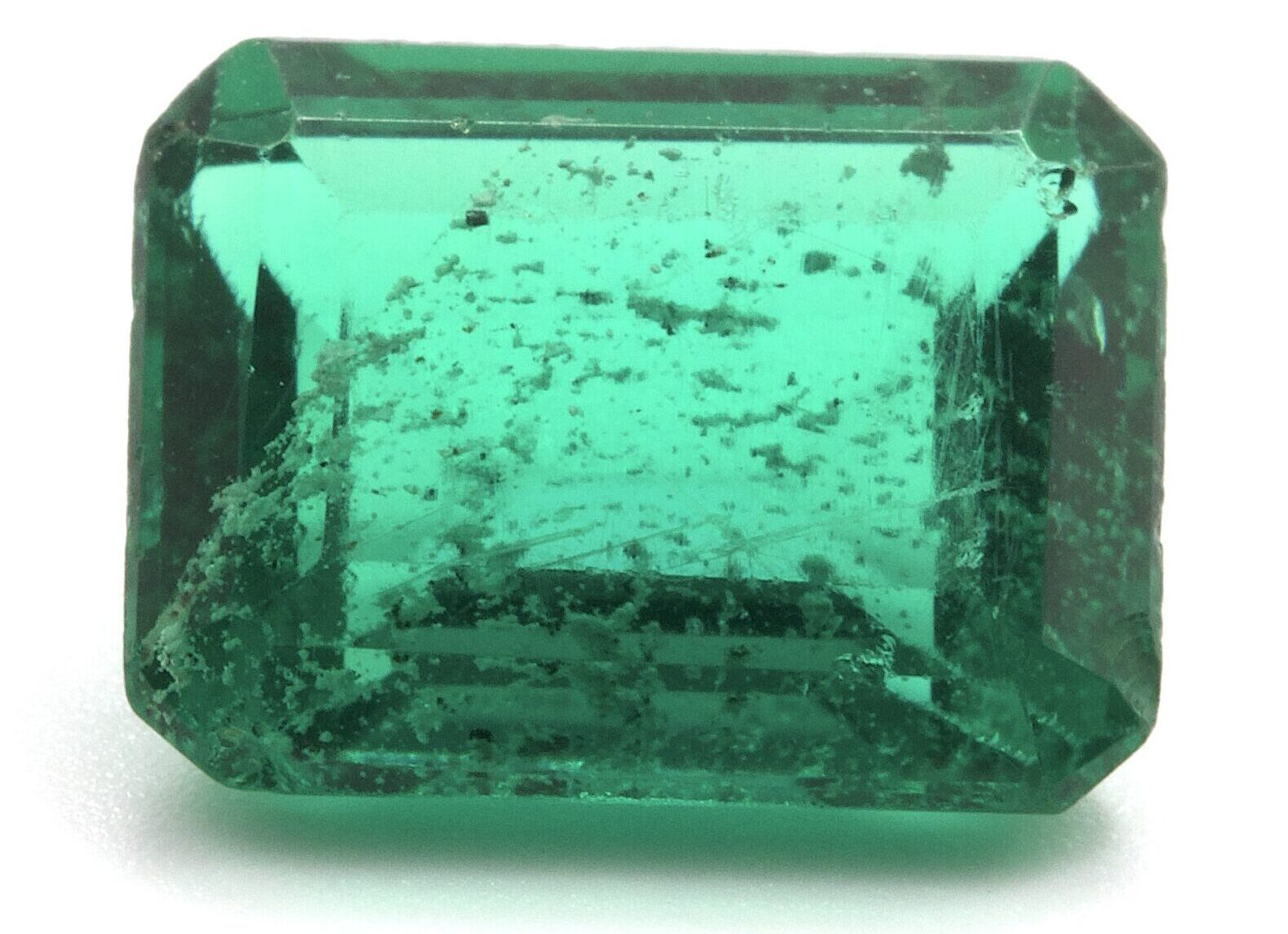
A meticulously crafted paste simulant, artfully mimicking the verdant depths of an emerald.
Paste has long served as a highly effective substitute for a wide range of natural stones. The use of paste-set jewellery offered a practical solution for wearers seeking to display ornate pieces without the significant financial risk associated with theft. In 18th and 19th century Europe, for instance, wearing well-crafted paste jewellery was not only a matter of security but also a fashionable statement. Today, exquisite examples from this era can command prices ranging from hundreds to thousands of pounds. The renowned Russian jeweller Fabergé even utilized a specific type of red devitrified glass, known as purpurine, for intricate carvings. These pieces are now highly collectible and hold considerable value.
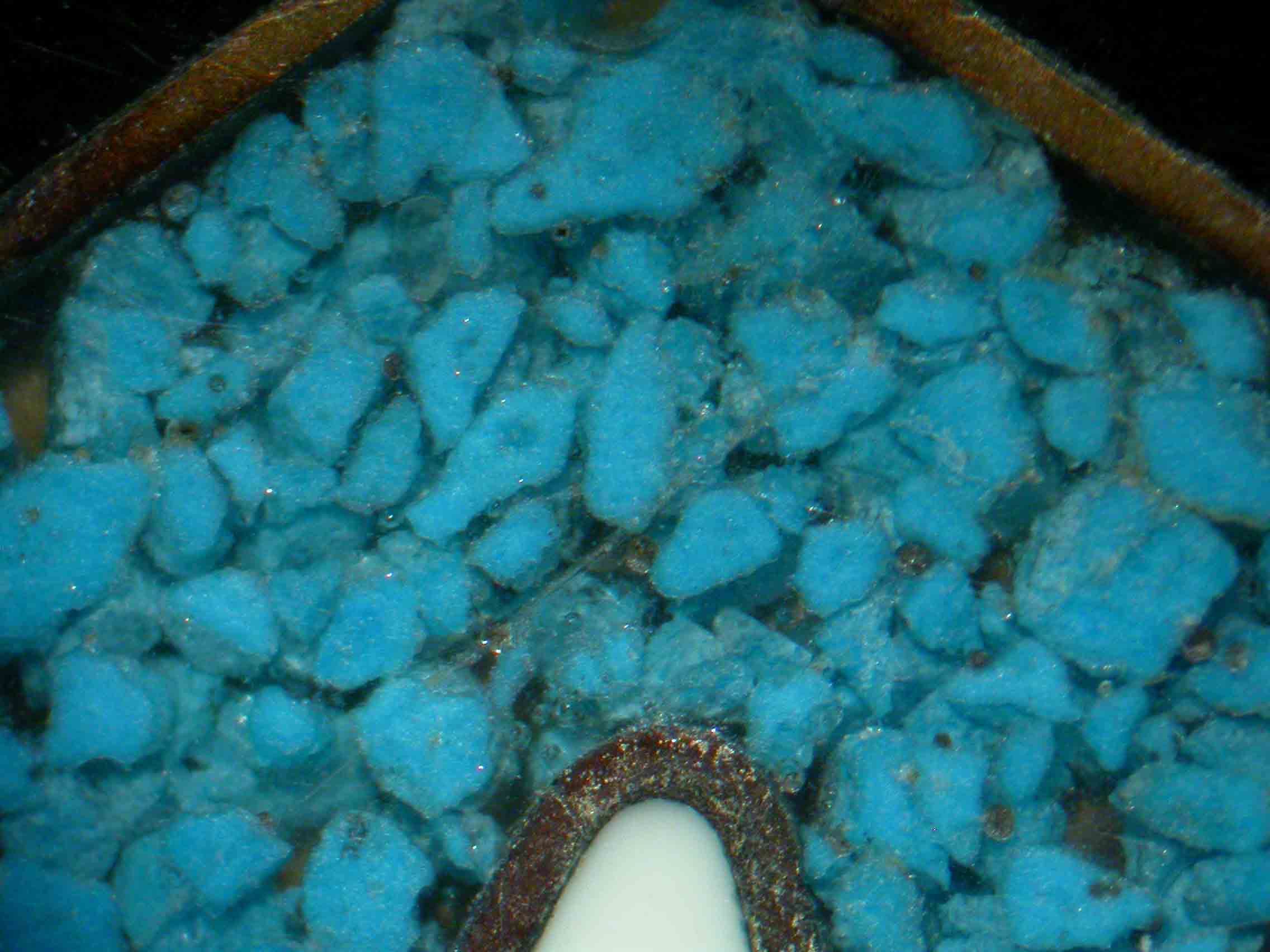
Enamel or Pâte de Verre: The Art of Surface and Form
Enamel, often referred to as "pâte de verre" (glass paste) in French, represents another significant application of glass in jewellery. This technique involves mixing powdered glass of various colors with binding agents, typically oils. The resulting paste is then applied to surfaces or within molds and subsequently fired, fusing the glass into a durable and vibrant coating or sculpted element.
Enamel is employed to impart color to jewellery surfaces, which can range from flat and subtly curved to intricately three-dimensional sculptural forms. It can be used to cover expansive areas, which may be engraved prior to application, or it can be meticulously contained within delicate wires, creating intricate patterns of individual colors. A particularly captivating technique is "plique-à-jour," which emulates the ethereal beauty of stained glass. This is achieved by constructing the wire framework on a temporary backing, which is removed once the enamel has solidified, leaving behind a luminous, translucent design.

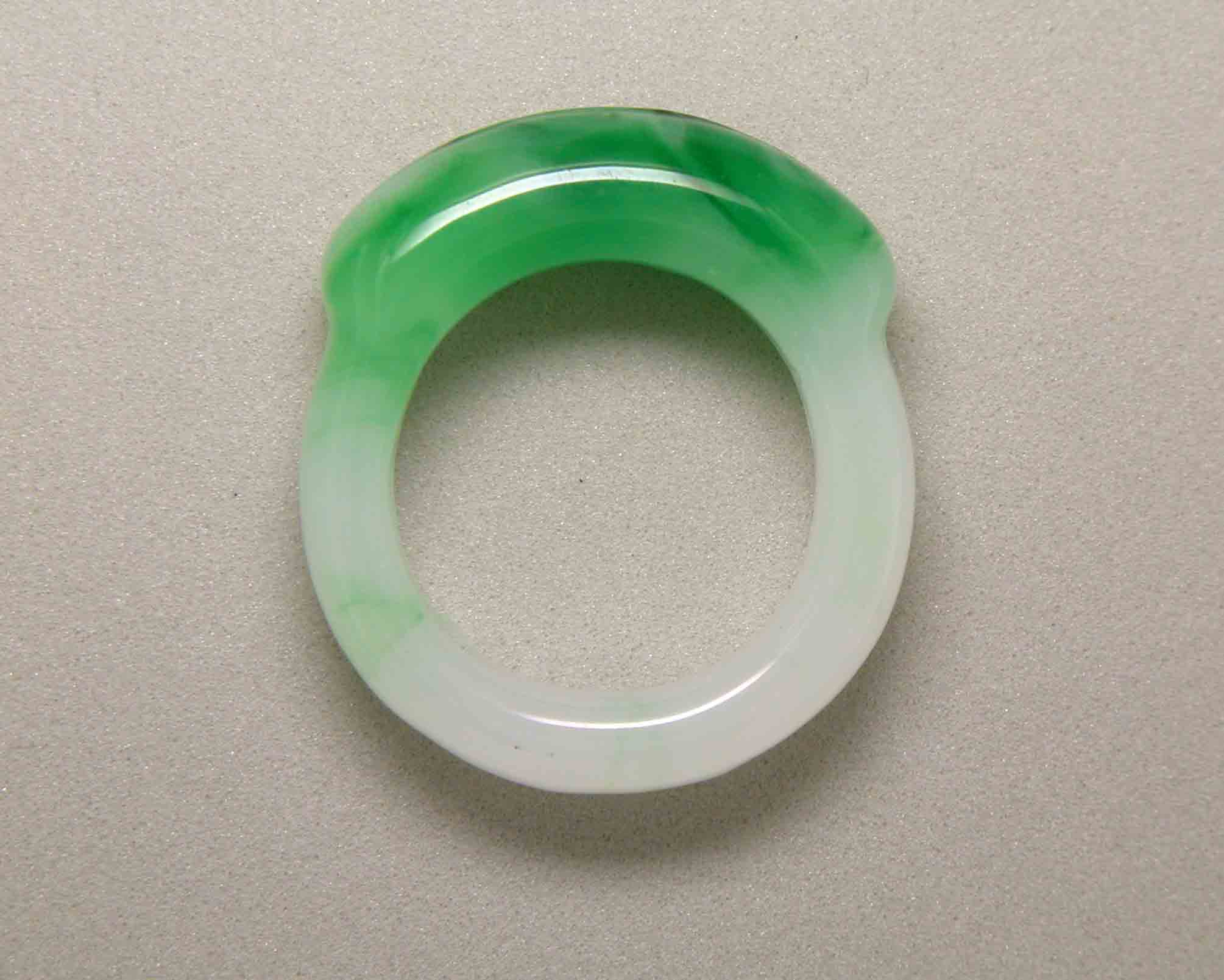
This example showcases paste expertly imitating the subtle translucency and hue of jade.
The sculpting of glass powder through molding and heating techniques allows for the creation of detailed carved or sculpted effects. Fine nuances can be further refined through subsequent engraving. The process offers precise control over color, texture, and translucency, enabling the creation of truly striking visual effects. Pâte de verre experienced a surge in popularity during the late 19th and early 20th centuries, coinciding with the flourishing Art Nouveau movement. This style, with its emphasis on naturalistic forms and flowing lines, was perfectly suited to the capabilities of pâte de verre. Jewelers often combined it with enamels, precious metals, and gemstones to achieve breathtaking results. The most celebrated master of this technique was René Lalique, whose antique jewellery pieces now command prices in the tens to hundreds of thousands of pounds.
Glass Mosaics: A Symphony of Tiny Pieces
Mosaic art, characterized by the arrangement of small pieces of stone or glass to form larger decorative patterns, has a history spanning millennia. In the late medieval period, this technique was predominantly used to depict religious imagery using small fragments of colored glass. In Italy, particularly during the 19th century, this art form was adapted for the creation of jewellery destined for the burgeoning tourist market.
Italian artisans became renowned for their "micromosaics," a marvel of intricate craftsmanship where hundreds, if not thousands, of individual glass pieces could be meticulously placed within a single square centimeter of surface. These miniature masterpieces typically featured classical architectural scenes or lifelike naturalistic designs, adorning jewellery, small boxes, and other decorative objects. Well-preserved examples of these intricate mosaics remain highly sought after and appreciated by collectors today.
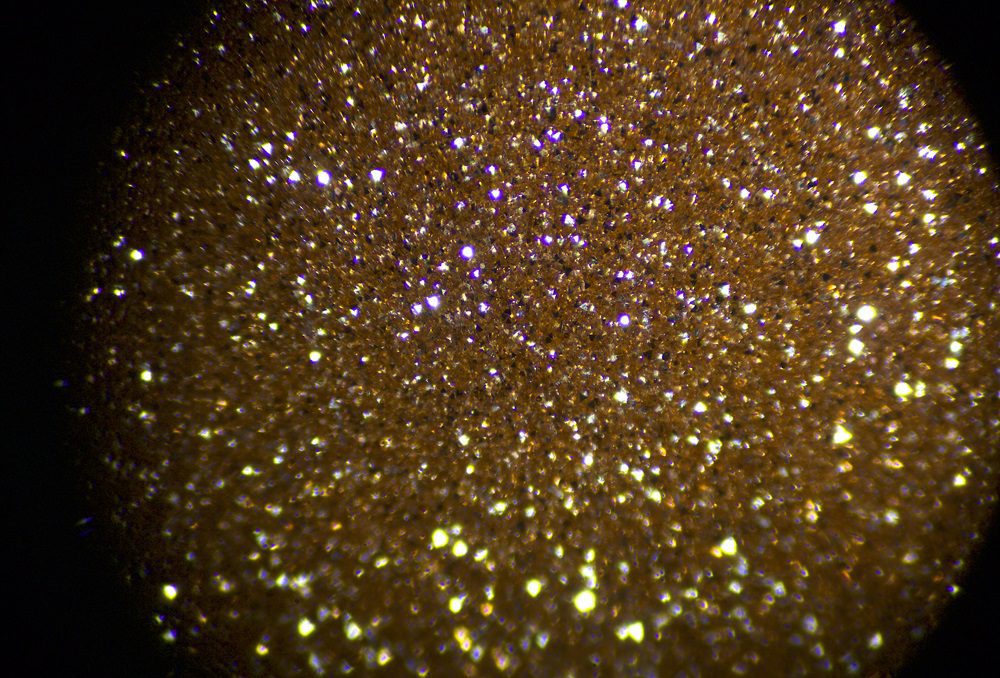
Goldstone glass, a fascinating example of decorative glass with its characteristic sparkling inclusions.
Identifying the Illusion: Unmasking Glass Simulants
The inherent physical properties of glass generally make its identification a straightforward process, even for the casual observer. Enamels and pâte de verre can often be recognized by their characteristic application methods, the presence of flow structures, and occasional air bubbles trapped within the material. Given the substantial value that some antique jewellery pieces can command, it is prudent for individuals to limit their testing to careful observation. In instances of doubt, seeking the expertise of experienced gemmologists is highly recommended.
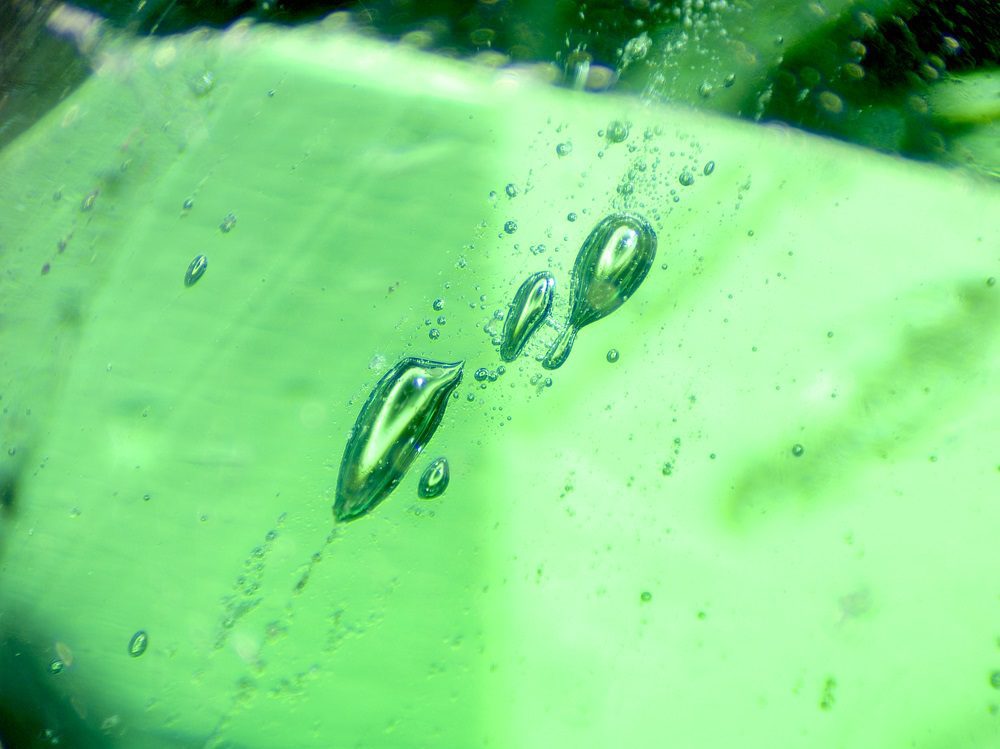
The presence of tiny bubbles is a common tell-tale sign of glass paste.
Transparent paste can often be distinguished from natural gemstones through specific gemmological testing. Under a polariscope, it will exhibit optical isotropy, meaning it does not display the double refraction characteristic of most gemstones. When examined with a dichroscope, it will fail to show pleochroism (the phenomenon where a stone exhibits different colors when viewed from different angles). Readings obtained from a refractometer typically fall within the range of 1.50 to 1.70, a combination of optical properties not found in natural gem varieties commonly encountered in antique jewellery.
Opaque paste often reveals small chips and scratches that exhibit a distinct glassy lustre. This type of surface damage is not observed on the natural fractures of polycrystalline gemstones, making it a strong indicator that the material is indeed glass.
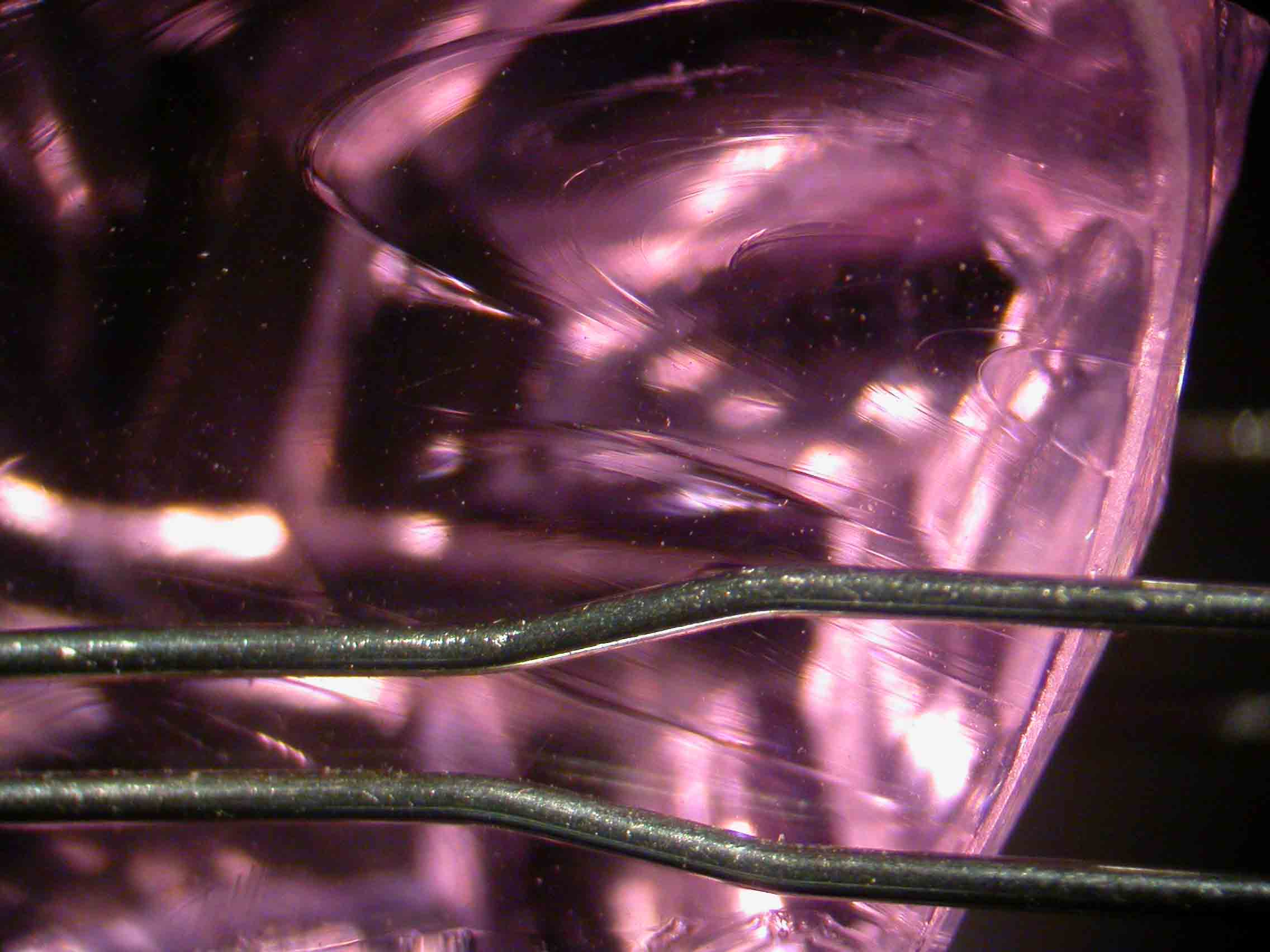
Internal swirl patterns are another common characteristic of glass paste.
While artificial glass is frequently employed in the creation of low-cost imitations for mass-produced jewellery, this is not universally the case. The historical use of glass in exquisite antique pieces demands respect for the artistry and craftsmanship of the individuals who transformed this humble material into objects of enduring beauty and value. The legacy of glass in jewellery is a testament to human ingenuity and the timeless pursuit of aesthetic expression.
Main Image: An oval-shaped faceted paste gem from the Gem-A Archives, showcasing the brilliance and clarity achievable with this material.
For those new to the world of gemstones and eager to expand their knowledge, Gem-A offers an introductory online course, GemIntro. Click here to access this valuable resource and begin your journey into the fascinating realm of gems.