By Retail Dive Editorial Staff
Published September 9, 2026
Signet Jewelers, the world’s largest retailer of diamond jewelry, has officially signaled a turning point in its fiscal trajectory. In a second-quarter report that surpassed market expectations, the company transitioned from previous headwinds to a robust profit, bolstered by disciplined cost management, favorable regulatory tailwinds, and a high-stakes digital transformation of its flagship brands.
As the company enters the critical back-half of the fiscal year—a period traditionally anchored by the holiday shopping season—Signet appears to have found a winning formula. By leveraging a combination of operational efficiency and a modern, frictionless e-commerce experience, the jewelry giant is positioning itself to capture a larger share of the luxury and gifting market.
The Core Narrative: A Swing to Profitability
The headline of Signet’s second-quarter performance is the return to profitability. After navigating a challenging macroeconomic environment characterized by cautious consumer spending and fluctuating retail demand, Signet delivered a performance that caught the attention of Wall Street.
"The quality of the quarter is what stands out," noted a team of Jefferies analysts led by Randal Konik in a briefing released Wednesday. The firm highlighted that Signet managed to achieve positive same-store sales across every single one of its fine jewelry banners. This, paired with a 6% increase in average unit retail (AUR) and stringent cost discipline, resulted in margins that the analysts described as being "well ahead of plan."
While total sales for the quarter hovered at $1.5 billion—a slight dip compared to the same period in the previous year—the underlying quality of that revenue suggests a company that has successfully traded volume for value, ensuring that each transaction is more profitable than those recorded in recent history.

Chronology of the Quarter’s Success
The road to this quarterly success was paved by a series of strategic initiatives implemented over the last six months.
- Early Quarter (March–April): Signet focused on the backend integration of its new consumer credit agreement with Bread Financial. This move was designed to stabilize the company’s credit offerings and prepare for long-term cash flow improvements.
- Mid-Quarter (May–June): The retailer rolled out the first phase of its web-front-end redesign. By prioritizing high-resolution imagery and improved user interface (UI) navigation, Signet sought to mitigate the "digital fatigue" often associated with luxury shopping.
- Late Quarter (July–August): The company realized the benefits of its tariff refund strategy. A $15 million inflow from these refunds provided a critical margin cushion, allowing the company to report a gross margin of $602.4 million, representing over 39% of total sales—an 80-basis-point increase year-over-year.
- Reporting Period (Early September): The culmination of these efforts resulted in the announcement of raised earnings guidance and the successful extension of its credit agreements, solidifying the firm’s balance sheet as it heads into the holiday rush.
Supporting Data: A Closer Look at the Numbers
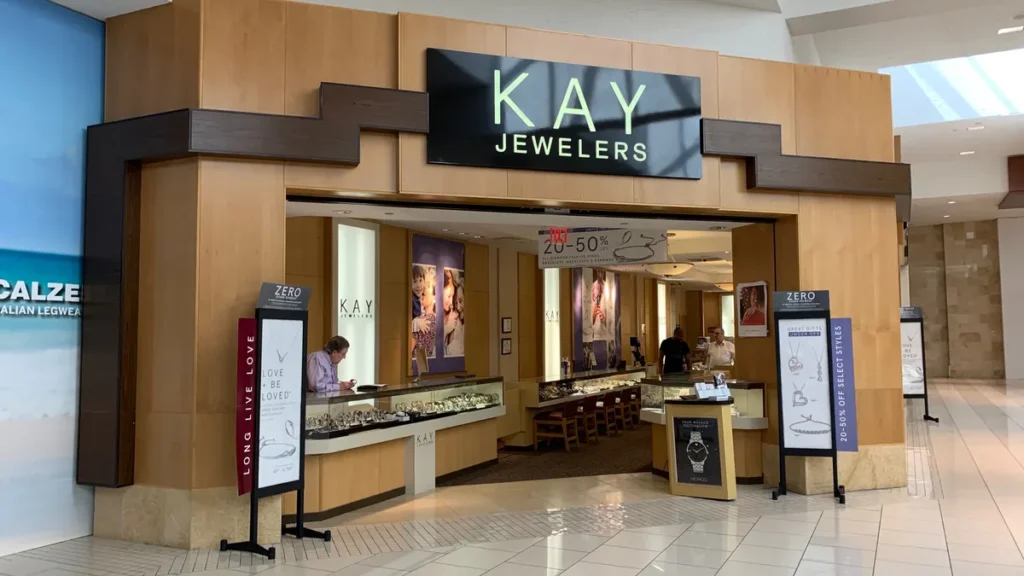
The quantitative evidence supporting Signet’s resurgence is granular and compelling. Same-store sales increased 2.2% year-over-year, a critical metric for a brick-and-mortar-heavy retailer. This growth was not concentrated in a single channel; rather, it was broad-based, reflecting the strength of the company’s diverse portfolio of brands, which includes Kay Jewelers, Zales, and Jared.
Gross margin performance was perhaps the most significant highlight. Achieving a 39% gross margin in a retail environment still grappling with inflationary pressures is a testament to the company’s internal efficiency. The $15 million in tariff refunds certainly helped, but the underlying operational improvements suggest that Signet has successfully streamlined its supply chain and inventory management.
Furthermore, the company’s outlook for the full fiscal year has been adjusted upward. Chief Operating and Financial Officer Joan Hilson confirmed that the company has increased its annual adjusted earnings per share (EPS) guidance by 10%. This revision accounts for:
- Stronger-than-anticipated operating performance.
- Strategic share repurchases.
- The realized tariff refunds.
- The favorable terms of the new consumer credit agreement.
Total sales for the year are projected to remain in the $6.7 billion to $6.9 billion range, while same-store sales expectations have been tightened to a range of flat to up 2.5%, compared to the previous, more pessimistic forecast of down 1% to up 2.5%.
Digital Transformation: The New "Front-End" Experience
One of the most significant drivers of recent customer engagement has been the "digital-first" pivot. Signet has spent the last two quarters redesigning the digital storefronts for its three largest brands. Currently, two of these sites are live, with the third expected to follow shortly.

The overhaul is not merely aesthetic. Executives noted that the new platforms feature "realistic on-model presentations," which are designed to help the customer visualize the scale and quality of jewelry—a common barrier to online sales in the luxury sector. The integration of live video, coupled with intuitive navigation, has led to a measurable increase in average order value (AOV).
"All of those things bode well as you move into a critical time period, for that to be a bigger part of our business," said leadership during the earnings call. The strategy is clear: make the digital experience as tactile and immersive as walking into a physical Kay Jewelers or Jared boutique.
The Bread Financial Agreement: A Financial Anchor
A pillar of Signet’s long-term stability is the new agreement signed with Bread Financial. The company expects to receive $80 million in cash during the third quarter as a direct result of this partnership.
Beyond the immediate cash injection, the agreement is designed to create a long-term operating benefit. Over the next three years, Signet anticipates an operating benefit between $200 million and $250 million. The agreement is notable for its lack of "loss sharing," meaning Signet is protected from the credit risks that often plague retail credit portfolios.
"It’s a strong agreement," said CFO Joan Hilson, emphasizing that the profit-sharing ratios are structured to increase over time, ensuring that as the credit portfolio grows and matures, Signet’s share of the revenue will also expand.
Implications for the Jewelry Market and Beyond
Signet’s Q2 report has significant implications for the broader retail sector. First, it demonstrates that even in a climate where consumers are being "picky" with their discretionary spending, there is still high demand for fine jewelry, provided the retailer can demonstrate value and offer a seamless omni-channel experience.

Second, the success of the digital redesign signals a shift in consumer expectations. Customers are no longer willing to settle for static images; they expect a high-definition, video-supported, and easily navigable journey, even for high-ticket items like engagement rings and luxury watches.
Third, the company’s ability to secure a favorable credit agreement without the burden of loss-sharing provides a blueprint for other major retailers. By offloading credit risk to specialized financial partners while retaining the upside of the program, retailers can preserve their balance sheets for core growth initiatives like inventory and store renovations.
Looking Ahead
As Signet Jewelers heads into the fourth quarter, the market will be watching closely to see if the momentum from Q2 holds. With a cleaner balance sheet, a modernized digital presence, and a clear, disciplined approach to margins, Signet is well-positioned to navigate the potential volatility of the holiday season. The company’s focus remains clear: prioritize the "quality of the sale" over the "volume of the sale," a strategy that appears to be paying dividends for investors and customers alike.