In the landscape of modern fashion, the heartbeat of the industry is no longer found solely on the runways of Paris or the flagship boutiques of Milan. It is increasingly echoing through the digital corridors of secondary marketplaces. According to the 2026 Resale Report published by The RealReal, the luxury consumer has undergone a fundamental transformation, shifting from a passive buyer of new collections to a strategic investor in the circular economy. At the epicenter of this movement sits Chanel, which has reclaimed the throne as the most-searched brand on the platform, signaling that even in an era of rapid trends, the allure of heritage remains the industry’s most potent currency.
The Power of the Creative Vanguard
The dominance of Chanel in the resale market is not merely a reflection of its enduring brand equity; it is a testament to the seismic impact of leadership transitions. The luxury market has proven itself hyper-sensitive to the "creative director effect," where a single appointment can revitalize a decade of stagnant interest.
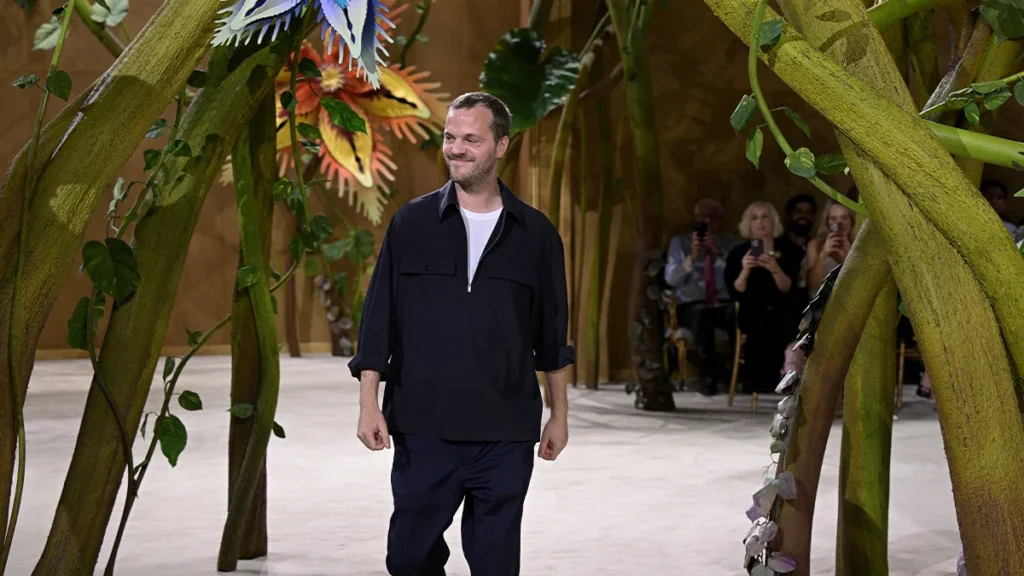
The most staggering figure from the 2026 report is the 10,967 percent surge in searches for Matthieu Blazy. Since joining his respective house in late 2024, Blazy’s aesthetic vision—a blend of technical mastery and avant-garde silhouettes—has ignited a retail frenzy. This phenomenon is not an outlier. The industry is currently witnessing a "creative reshuffle" that is directly dictating secondary market demand.
Sarah Burton’s move to Givenchy has resulted in a 243 percent increase in brand interest, while Jonathan Anderson’s tenure at the helm of Dior has driven a 158 percent uptick in searches. These numbers illustrate a broader industry truth: the modern consumer does not just buy a logo; they buy into the narrative crafted by a specific designer. When a visionary takes the reins of a storied house, the archival pieces associated with their new direction—and their past work—become the "blue-chip" assets of the resale world.
The Hierarchy of Desire: 2026’s Most Coveted Labels
While Chanel maintains its top position, the top five most-searched brands on The RealReal paint a picture of a market balanced between timeless heritage and trendy disruption. Following Chanel, the leaderboard is populated by industry titans: Louis Vuitton, Prada, Gucci, and Miu Miu.
The presence of Miu Miu in the top five is particularly telling. It confirms that the "Miu Miu effect"—a phenomenon driven by youthful, subverted classicism—has officially crossed the threshold from a seasonal trend to a resale powerhouse. Rounding out the top ten are The Row, Hermès, Saint Laurent, Bottega Veneta, and Balenciaga. This list serves as a reliable barometer for the current health of the luxury sector, highlighting that brands capable of maintaining a distinct, recognizable identity continue to dominate the consumer psyche.

Chronology of a Shift: From "Secondhand" to "Sustainable Asset"
To understand the current state of the resale market, one must look back at the last decade of consumer behavior.
- 2016–2019: The Dawn of Legitimacy. During this period, the stigma surrounding pre-owned luxury began to evaporate. The rise of authentication technology allowed platforms to guarantee the provenance of goods, transforming the resale experience from a "thrift store" hunt into a "curated boutique" experience.
- 2020–2022: The Pandemic Pivot. The global health crisis served as a catalyst for the circular economy. With supply chains disrupted and consumers spending more time online, the resale market became the primary destination for hard-to-find luxury goods.
- 2023–2025: The Investment Mindset. Consumers began to view their closets as portfolios. The realization that iconic bags like the Hermès Birkin were outperforming traditional stocks led to a surge in analytical shopping.
- 2026: The Era of Intellectual Vintage. Today, we have entered a phase where "vintage" is no longer defined by a simple date, but by the "cool factor" of a specific era.
Supporting Data: The Economics of the Archive
The financial data provided by the 2026 Resale Report offers a stark look at the appreciation of luxury goods. The average sales price of iconic accessories has seen a meteoric rise that would make traditional financial analysts blush.
Consider the Fendi Baguette, an icon of 1990s and early 2000s fashion. In 2016, the average resale price sat at a modest $294. Today, that same bag commands an average of $3,012—a nearly 1,000 percent increase. Similarly, the Gucci Jackie has evolved from a $260 vintage find into a $1,110 luxury staple.
Perhaps most compelling is the "Vintage Explosion." The RealReal defines vintage as any item 15 years or older. Demand for these pieces has skyrocketed by 432 percent since 2020. This is driven by a sophisticated cohort of Gen Z and Millennial buyers who are prioritizing "archival" fashion over mass-produced seasonal items. They are searching for the textures and drop-waists inspired by the Belle Époque, a trend currently championed by designers like Blazy and Anderson.
Official Perspectives: The Sustainability and Strategy Intersection
Industry analysts note that this shift is not purely driven by aesthetic preference. It is fueled by a pragmatic approach to personal finance and environmental responsibility.
"The modern shopper is an economist," says one industry expert. "They understand that by purchasing a high-quality, pre-owned item, they are not only participating in a more sustainable model of consumption but are also hedging against inflation."

This is supported by the data: 93 percent of American luxury consumers are now actively utilizing online resale platforms. More impressively, 47 percent of these consumers report that they consider the future resale value of an item before making a primary retail purchase. This "resale-first" mentality has turned the secondary market into a primary driver of brand strategy. When a brand knows its items hold value, it can better maintain its luxury status without resorting to deep discounts.
Implications: The Future of Luxury Retail
The implications of these findings are profound for both the consumer and the fashion house.
For the Consumer: The barrier to entry for luxury has shifted. Rather than waiting for a store release, the savvy shopper is utilizing data-driven tools to track the "velocity" of trends. They are buying with the intent to rotate their collection, ensuring their investment retains as much liquidity as possible.
For the Fashion House: The secondary market can no longer be ignored or treated as a "gray market" nuisance. Brands that engage with their own archives—whether through official "pre-loved" programs or by acknowledging the secondary value of their products—are seeing higher brand loyalty. The fact that Hermès Birkin bags have appreciated by 92 percent over the last decade is not just a triumph for the buyer; it is the ultimate marketing tool for the brand, reinforcing its status as an untouchable titan of value.
Conclusion: A New Standard of Luxury
As we look toward the remainder of 2026 and beyond, the resale market is no longer a fringe segment of the fashion industry; it is the industry. The marriage of creative leadership, historical appreciation, and economic savvy has created a vibrant ecosystem where the past is just as valuable as the future.
Whether it is the 10,967 percent spike in interest for a specific director or the 432 percent surge in demand for true vintage, the message is clear: the modern luxury consumer is looking for depth. They are seeking items that carry a story, hold their value, and reflect a sophisticated understanding of the fashion landscape. As this cycle of "buy, wear, resell" continues to accelerate, the brands that thrive will be those that view their own history not as a collection of old clothes, but as the foundation for the next generation of luxury.