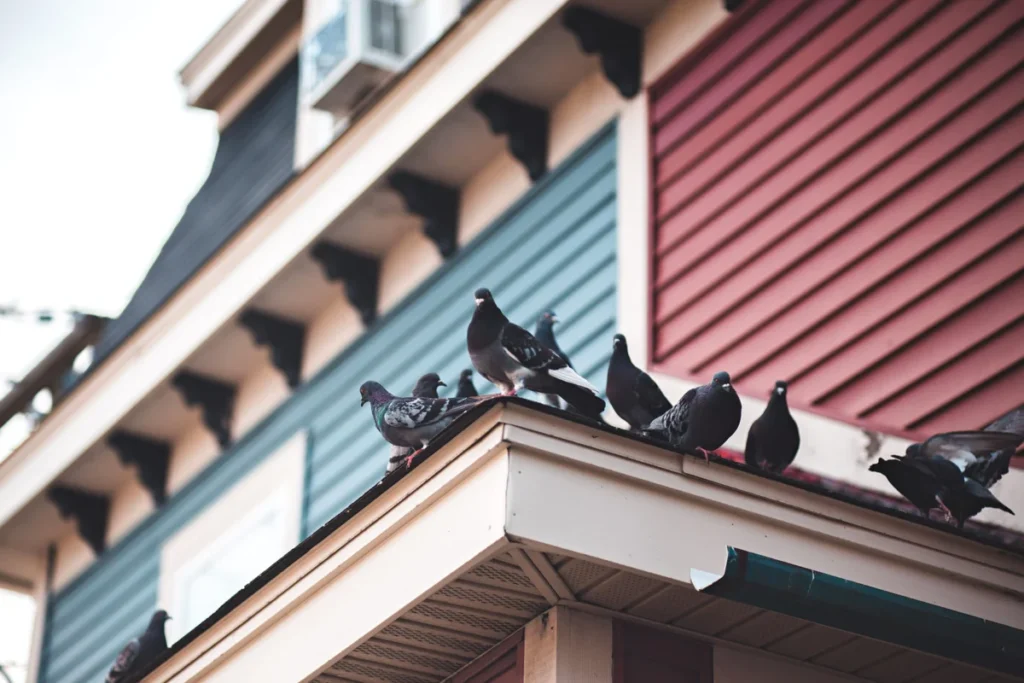
A stray bird occasionally landing on a windowsill is a common facet of suburban life, often viewed as a harmless connection to nature. However, when these intermittent visits transition into permanent residency, the dynamic shifts from aesthetic to adversarial. For homeowners and business owners alike, the presence of nesting birds, persistent roosting flocks, and the associated accumulation of waste represents more than just a nuisance—it is a significant structural and sanitary threat that often demands professional intervention.
When property owners find themselves trapped in a cycle of constant cleaning and futile DIY efforts, they are likely dealing with a failure to address the fundamental environmental attractants that have turned their property into an avian sanctuary. Understanding when and why to transition from amateur tactics to expert mitigation is the key to reclaiming your space.
Main Facts: The Anatomy of an Avian Infestation
The transition from a "bird problem" to an "infestation" usually follows a predictable pattern. Birds, particularly pest species like pigeons, starlings, and swallows, are opportunistic creatures. They prioritize shelter, proximity to water, and reliable food sources. Once a location—such as an attic vent, a solar panel array, or a decorative cornice—is identified as a safe, dry, and protected environment, the birds will establish a long-term territory.
The core issue is that birds are highly intelligent and habit-forming. They do not merely "happen" to be on a roof; they have specifically chosen it for its architectural advantages. Once they have successfully nested, their homing instincts make them incredibly difficult to displace with basic scare tactics. The problem is exacerbated by the fact that many common DIY solutions, such as plastic owls or reflective tape, fail to address the physical access points that make the property attractive in the first place.
Chronology of a Persistent Problem
Understanding the timeline of an infestation is essential for effective management. The progression typically unfolds in four distinct stages:
- The Scouting Phase: A few birds begin to land on ledges or roof peaks. They are testing the safety of the site. At this stage, minor deterrents might work.
- The Habitation Phase: If the scouted area remains undisturbed, the birds begin the nesting process. This involves bringing in twigs, feathers, and organic debris. If the location is inside an attic or wall void, scratching noises and rhythmic thumping become audible at dawn and dusk.
- The Colony Expansion: Once a successful brood is raised, the birds—or their offspring—are highly likely to return to the same location the following season. This is when you notice a "flock" rather than an individual.
- The Damage Phase: Chronic issues manifest. Corrosion from acidic droppings, physical damage to insulation, clogged ventilation leading to mold, and electrical shorts from nesting material near wiring become evident.
Supporting Data: The Hidden Costs of Coexistence
The implications of ignoring bird activity are far-reaching, spanning financial, structural, and public health domains.
Structural Degradation
Bird droppings are highly acidic, with a pH level that can cause significant damage to building materials. Over time, this acidity can erode limestone, concrete, and painted surfaces. Furthermore, when birds nest under solar panels, they create a "chimney effect." The accumulated debris traps heat, significantly reducing the efficiency of the panels and potentially causing micro-cracks in the photovoltaic cells due to uneven thermal expansion.
Sanitary and Health Implications
The accumulation of waste is not merely an eyesore; it is a vector for disease. According to public health data, large deposits of bird droppings can harbor various pathogens, including Histoplasmosis, Cryptococcosis, and Psittacosis. When these droppings dry, they turn into a fine, powdery dust that can be inhaled by humans, particularly if the birds are nesting near HVAC intake vents.
Economic Impact on Business
For commercial entities, the presence of birds can lead to direct revenue loss. Customers are often deterred by the sight and smell of bird-fouled entryways or walkways. Furthermore, the cost of frequent power-washing and superficial cleaning is a "sunk cost"—it does not solve the root cause, meaning the budget allocated to this task is effectively wasted year after year.
Official Perspectives and Professional Intervention
Experts in wildlife management emphasize that "chasing" birds is a fundamentally flawed strategy. Because birds are territorial, they will almost always return to the site that provided them with safety. The professional approach, often referred to as "Integrated Bird Management" (IBM), focuses on three pillars: Exclusion, Modification, and Monitoring.
1. Exclusion: The Gold Standard
Exclusion involves the installation of physical barriers that prevent birds from landing or nesting. This includes stainless steel bird spikes for ledges, specialized heavy-duty netting for large industrial spaces, and custom-fitted metal screens for solar panel arrays. These methods are designed to be permanent, humane, and low-profile.
2. Habitat Modification
Professionals analyze the property to identify what is drawing the birds. Is there a leaking pipe providing a water source? Is there an accessible food source nearby? By removing these attractants, the property becomes less hospitable, encouraging the birds to relocate naturally.
3. Professional Cleaning and Sanitation
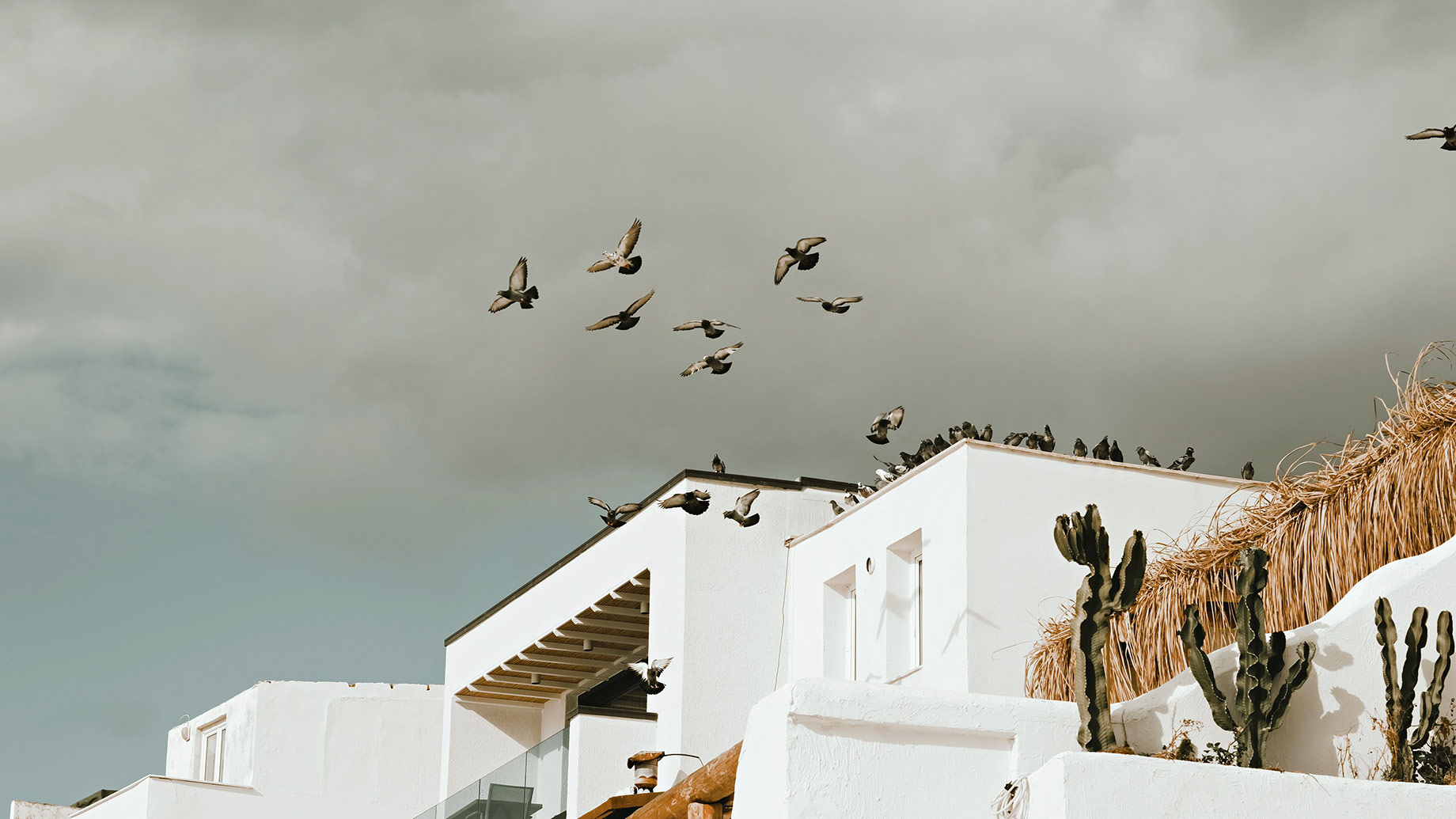
Because of the health risks associated with avian waste, professional removal is critical. Experts use specialized personal protective equipment (PPE) and antimicrobial cleaners to sanitize affected areas. This step is vital not only for health but also because the pheromones and scent markers left behind by previous birds can act as a "beacon" for future flocks.
Five Key Signs You Need Professional Help
If you are currently struggling with avian activity, monitor your property for these five red flags:
I. Consistent Nesting Activity
If you observe birds entering and exiting a specific gap or vent, a nest is almost certainly present. Do not attempt to seal these gaps while birds are inside, as this leads to trapped animals, odor issues, and animal cruelty concerns. Professional services have the tools to safely remove the nesting material and verify that the space is vacant before sealing it permanently.
II. The "Slippery Ledge" Phenomenon
A heavy, caked-on buildup of droppings is a definitive sign of a roosting site. If your walkways, balconies, or roof ledges require weekly scrubbing, the bird population has stabilized and will not leave on its own.
III. Impact on Commercial Operations
If your business is experiencing customer complaints, health code warnings, or noise complaints due to flocks, it is time to move beyond store-bought solutions. Professional deterrents are designed to maintain the aesthetic integrity of a building while providing 24/7 protection.
IV. Solar Panel and Roofing Damage
If you see birds nesting under your solar array or notice debris protruding from your roof vents, the situation has moved beyond a nuisance to a potential financial loss. The cost of a professional inspection is negligible compared to the cost of replacing damaged solar components or repairing water-damaged roofing insulation.
V. Failure of DIY Deterrents
If you have deployed fake predators (owls, snakes) or ultrasonic devices without success, you have reached the limit of amateur mitigation. Birds are quick to habituate to non-threatening stimuli. If they remain, it is because they perceive your property as a high-value resource. Physical exclusion is the only remaining viable path.
Implications for Property Management
The long-term implication of inaction is the degradation of the property’s value. A home or commercial building that shows signs of long-term bird infestation is often viewed as poorly maintained. By addressing the issue through professional exclusion, property owners are not just removing birds; they are investing in the longevity of their building’s exterior and the health of its occupants.
Furthermore, it is important to note that many bird species are protected by federal and local laws. Attempting to remove nests or birds without professional guidance can inadvertently lead to legal complications. Licensed bird control professionals are trained to navigate these regulations, ensuring that all interventions are compliant with wildlife protection standards.
Conclusion: Reclaiming Your Environment
The goal of professional bird control is not the eradication of nature, but the establishment of boundaries. By understanding the motivations of the birds—their need for shelter and safety—and systematically removing their access to your property, you can restore peace and cleanliness.
When DIY tricks fail, it is a signal that you are dealing with a established colony that has successfully integrated your property into its survival strategy. Rather than continuing a cycle of temporary fixes, opt for an inspection from a qualified service provider. By investing in permanent, structural solutions like exclusion barriers and professional sanitation, you protect your property from the physical and financial consequences of avian encroachment, ensuring that your home or business remains a sanctuary for you, not for the local bird population.