The global retail landscape is undergoing a profound structural realignment. As the traditional luxury sector grapples with cooling demand and shifting consumer sentiments, the world’s most prestigious department stores are turning to a new engine of growth: the contemporary and premium fashion segments. A comprehensive new report from the International Association of Department Stores (IADS)—which represents over 563 stores across 32 countries—confirms that the “aspirational” middle ground is currently the most vibrant battleground in retail.
This shift marks a strategic departure from the heavy reliance on ultra-luxury houses that defined the previous decade. Faced with macroeconomic volatility and a more cautious consumer base, retailers are recalibrating their floors to prioritize accessibility, versatility, and the “new luxury” aesthetic.
The New Retail Hierarchy: Data-Driven Insights
According to the IADS analysis, the current configuration of the women’s fashion business in member stores is heavily weighted toward mid-to-high-tier brands. The contemporary and premium segment now accounts for 31 percent of total sales, solidifying its position as the dominant category. This is followed by high-street and mid-range brands at 22 percent, while the "advanced contemporary" category—often characterized by higher price points and more experimental design—holds a 21 percent share.
This segmentation reveals a clear consumer preference for items that sit comfortably between mass-market affordability and the prohibitive costs of top-tier heritage luxury. By focusing on this 31-percent sweet spot, retailers are successfully mitigating the risks associated with the recent slowdown in the high-end luxury market.
Chronology of the Shift: From Opulence to Accessibility
To understand the current pivot, one must look at the timeline of the post-pandemic retail cycle:
- 2021–2022 (The Post-Lockdown Surge): Department stores experienced a "revenge spending" boom, characterized by high demand for big-ticket luxury items. During this period, floor space was dominated by established heritage houses.
- 2023 (The Macroeconomic Cooling): Rising inflation and interest rates began to squeeze the middle-class consumer. While ultra-high-net-worth individuals remained resilient, the aspirational consumer—a crucial demographic for department store volume—began to pull back.
- 2024 (Strategic Rebalancing): Retailers began quietly shifting their "open-to-buy" budgets away from high-end luxury collections that were seeing stagnation in sell-through rates, reallocating those funds to contemporary labels that offered better price-to-value ratios.
- 2025 (The Current Landscape): The strategy has matured. Department stores are now actively marketing the "contemporary" tier as their anchor, with online channels growing to 22 percent of total sales, up from 20 percent in 2024, proving that digital platforms are the primary engine for this mid-tier expansion.
Regional Perspectives: Localized Success Stories
The IADS data underscores that this trend is not confined to a single geographic region; it is a global phenomenon with localized nuances.
The Middle East: The 400–800 Euro Benchmark
At Tryano in Abu Dhabi, operated by the Chalhoub Group, the strategy has been exceptionally precise. By analyzing inventory turnover, the group identified that the 400 to 800 euro price bracket is the "golden zone" for customer engagement. Products within this range are currently generating the strongest sell-through rates, suggesting that even in markets known for extreme wealth, the value-proposition of contemporary fashion is resonating with a broader, more practical shopper.
The Americas: The Palacio de Hierro Model
In Mexico, the iconic retailer El Palacio de Hierro has taken proactive measures to stabilize its balance sheet. Recognizing that the higher-end luxury market was facing headwinds, the company redirected a significant portion of its buying budget toward "affordable luxury" and entry-level price points. By lowering the barrier to entry, the retailer has managed to maintain foot traffic and revenue flow, ensuring that the luxury shopping experience remains accessible during economic fluctuations.
The Global Bestsellers: Who is Winning?
The IADS report highlights a surprising level of consistency across diverse markets, from Germany and the U.S. to Ukraine and the Middle East. Certain brands have emerged as the "universal winners" in this climate:
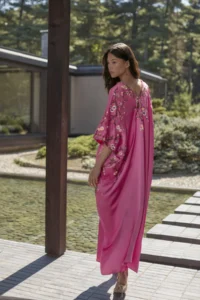
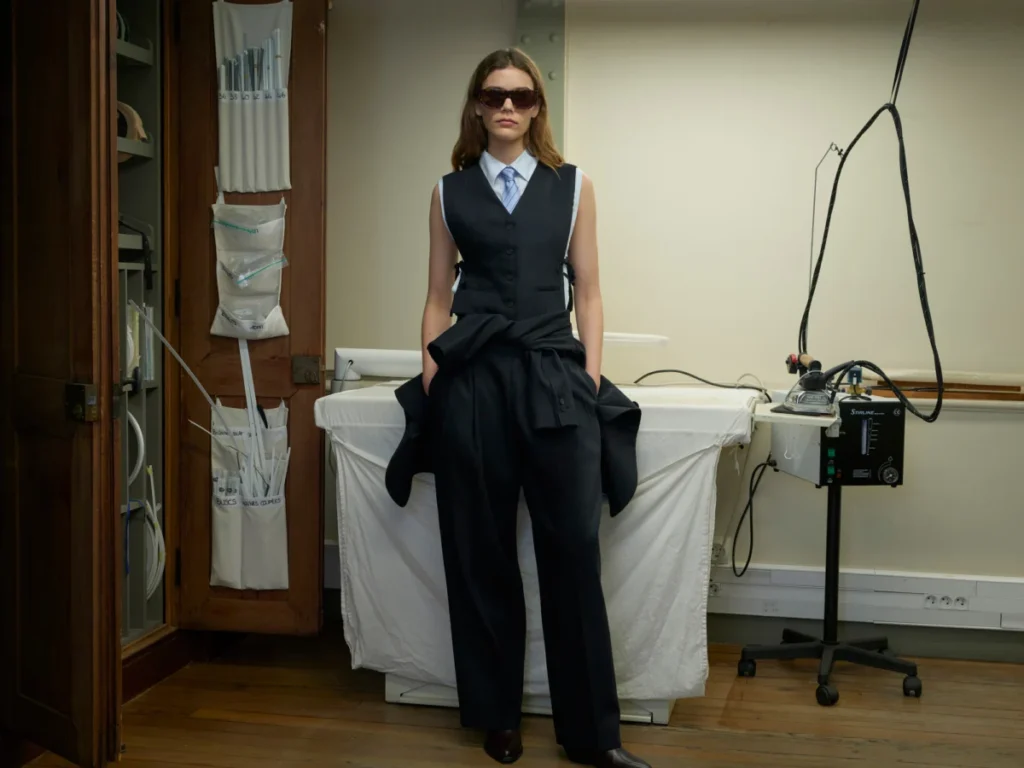
- Contemporary Leaders: Sandro, Maje, Max Mara, and Self-Portrait. These brands are recognized for their ability to deliver runway-adjacent trends at price points that do not require excessive financial commitment.
- Advanced Contemporary Leaders: Victoria Beckham, Ami Paris, and Jacquemus. These labels act as the bridge between contemporary fashion and heritage luxury, capturing the "fashion-forward" demographic that is still willing to spend, but demands a more modern, less traditional brand narrative.
Denim: A Tale of Two Markets
The report highlights a fascinating divergence in the denim category. While denim sales have faced downward pressure in several global markets, the United States remains an anomaly. The IADS describes "explosive growth" in the U.S. denim market, noting that retailers have been able to implement price increases without triggering customer resistance.
This suggests that for the American consumer, denim has transcended its status as a basic commodity, evolving into a premium category where brand identity and fit take precedence over cost. The IADS advises retailers to capitalize on this by "embracing fit diversity." By offering a wider array of silhouettes—from relaxed, baggy fits to classic straight legs—retailers can encourage customers to purchase multiple pairs, effectively turning a "replacement" purchase into an "additive" one.
Implications for the Future of Retail
The rise of the contemporary sector carries several long-term implications for the department store model:
1. The Death of the "One-Size-Fits-All" Luxury Floor
Department stores can no longer rely on a uniform luxury strategy. The shift toward contemporary brands requires a more nuanced approach to visual merchandising. Retailers must create environments that feel premium but approachable, balancing the high-touch service of luxury with the high-velocity turnover of contemporary fashion.
2. The Digital Integration
With online channels now accounting for 22 percent of sales, the "omnichannel" approach is no longer optional. Contemporary brands, which often have a strong social media presence and high digital engagement, are naturally suited to this environment. Department stores that successfully integrate these brands into their digital platforms will continue to outpace those that rely solely on physical foot traffic.
3. Price Sensitivity as a Strategy
The pivot to the 400–800 euro price bracket suggests that retailers are moving away from the "all or nothing" pricing strategy of the past. By providing a wider spectrum of price points, stores are creating a "ladder of aspiration," where a customer might enter the store for a contemporary accessory and eventually move up to more expensive designer pieces as their personal financial situation evolves.
4. Supply Chain Agility
Contemporary brands are often more agile than heritage houses, capable of reacting to trends within a single season. Department stores that partner with these labels gain a competitive edge in responsiveness. The ability to pivot inventory based on real-time sell-through data—as seen with El Palacio de Hierro—will become the defining capability of a successful department store operator in the latter half of the decade.
Conclusion: A Resilient Path Forward
The findings from the IADS report provide a clear roadmap for the future of department store retail. While the traditional luxury sector remains a cornerstone of the industry’s prestige, the contemporary and premium segments are the true drivers of volume, engagement, and growth.
By embracing the brands that define modern style—those that offer a perfect blend of design, quality, and accessibility—department stores are ensuring their continued relevance in a rapidly changing world. As the industry looks toward the remainder of 2025 and beyond, the focus will undoubtedly remain on this dynamic, high-growth sector. For retailers, the message is simple: to succeed in the current climate, one must not only provide luxury but also provide a reason for the customer to return, time and again, to a floor that feels both aspirational and attainable.