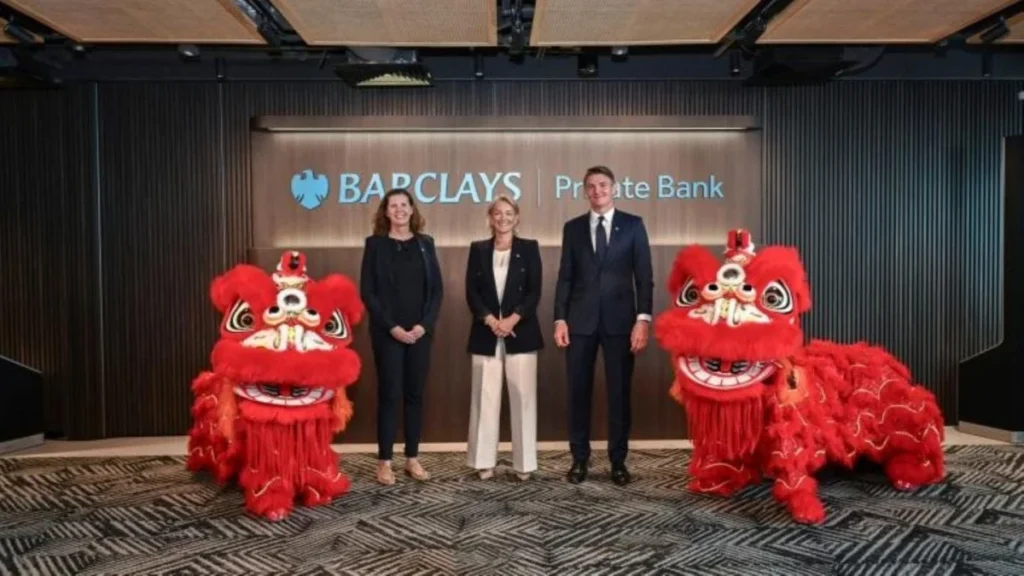
In a strategic move to capture the growing demand for sophisticated cross-border financial services, Barclays has officially launched a new Private Bank booking centre in Singapore. This expansion is designed to provide ultra-high-net-worth (UHNW) clients and family offices with seamless, integrated access to the bank’s global network, further cementing the institution’s commitment to the Asia-Pacific (APAC) region.
The initiative represents more than just a physical expansion; it is a structural alignment with Barclays’ “one Barclays” operating model. By integrating booking functions in Singapore with its other international hubs, the bank aims to bridge the gap between regional wealth management and the institutional-grade capabilities of its Corporate and Investment banking divisions.
The Strategic Rationale: Connecting Global Capital
The global wealth landscape is undergoing a period of rapid transformation. Wealth generation is no longer confined to single jurisdictions; instead, it is increasingly mobile, multi-generational, and complex. Barclays’ decision to anchor a booking centre in Singapore is a direct response to this evolution.
Facilitating Seamless Cross-Border Flows
The new centre serves as a nexus for clients whose financial interests span multiple continents. By linking Singapore with its established international booking locations, Barclays enables clients to manage their banking, credit, investment offerings, and bespoke wealth planning through a singular, connected platform. This connectivity is essential for UHNW individuals who require frictionless capital movement between Asia, the United Kingdom, Europe, and the Middle East.
The "One Barclays" Ecosystem
A core pillar of this expansion is the “one Barclays” approach. In an era where private wealth is often inextricably linked to corporate ventures, investment banking needs, and complex market access, the siloed approach to banking has become obsolete. Under this model, the Private Bank operates in tandem with Barclays’ Corporate and Investment Banks. This convergence allows clients to tap into institutional-level financing, complex market solutions, and capital-raising capabilities that are typically inaccessible through traditional private banking channels.
Singapore as the Epicentre of Asian Wealth
Singapore’s ascension as a global wealth hub is no longer a matter of debate—it is an established reality. The city-state has become a magnet for entrepreneurs, family offices, and institutional investors, drawn by its robust regulatory framework, political stability, and unparalleled connectivity to the broader APAC region.
Why Singapore?
Barclays identified several key drivers that make Singapore the ideal base for this strategic investment:
- Regulatory Maturity: The Monetary Authority of Singapore (MAS) provides a transparent, stable environment that appeals to global investors.
- Geographic Connectivity: Singapore acts as a natural gateway for capital flowing from Southeast Asia, China, and India into Western markets.
- Concentration of Talent: The city boasts a deep pool of financial professionals, legal experts, and wealth planners familiar with the intricacies of cross-border structures.
For Barclays, this is not merely about tapping into local wealth; it is about providing a bridge for internationally mobile families who view Singapore as their primary hub for global operations.
Official Perspectives: A Milestone for Growth
The launch has been framed by Barclays’ leadership as a pivotal milestone in the bank’s international growth strategy. Sasha Wiggins, CEO of Barclays Private Bank and Wealth Management, highlighted the necessity of the move in the context of global wealth trends.
"The launch of our Singapore booking centre marks an important milestone in delivering our growth strategy," Wiggins stated. "It enables us to bring the full breadth of Barclays’ expertise to our clients, and reflects our investment in key international wealth markets."
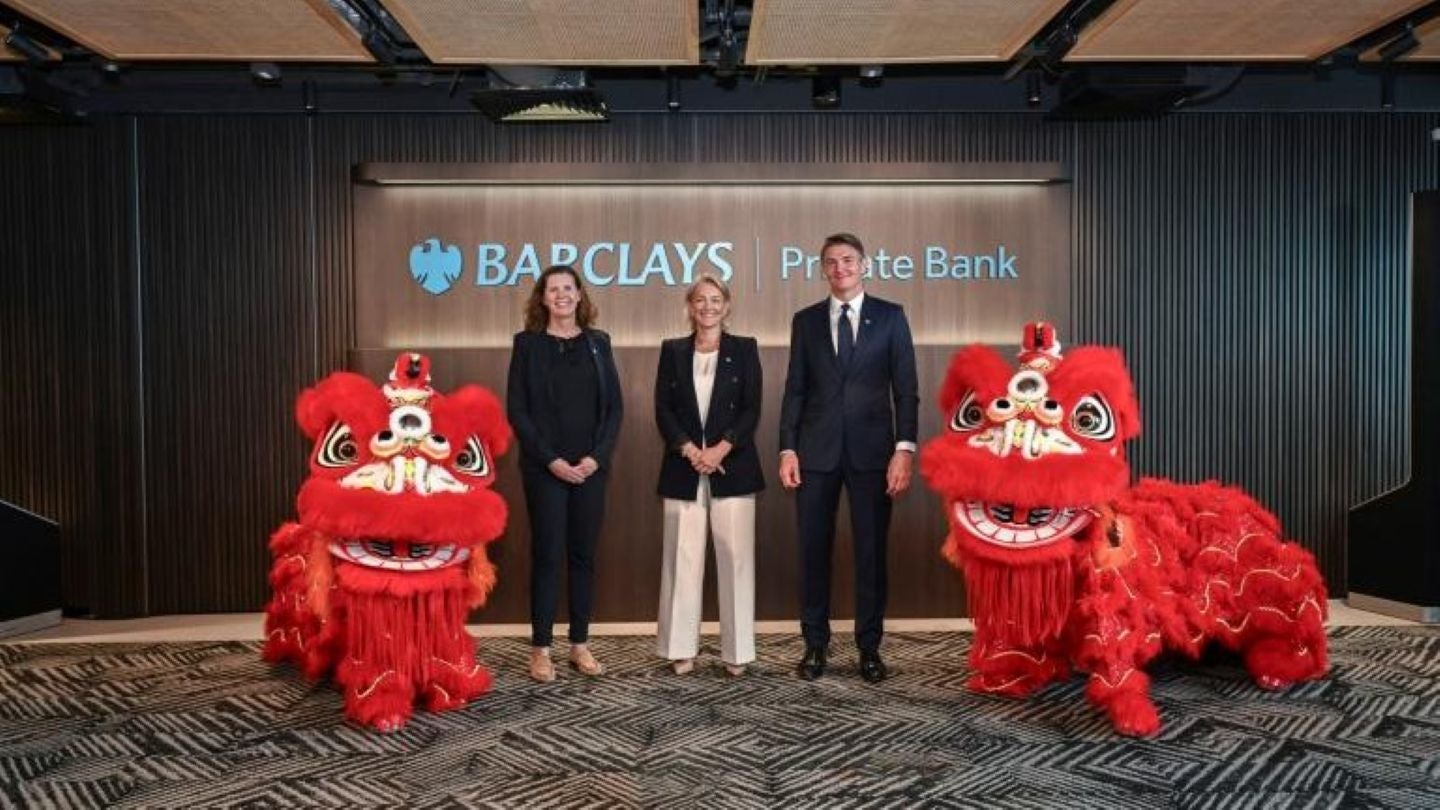
Wiggins further underscored the changing expectations of the modern UHNW client: "As wealth becomes increasingly global, clients are looking for partners who can support them seamlessly across generations and jurisdictions. Singapore is one of the world’s leading wealth hubs, and this investment strengthens our ability to serve internationally connected clients while reinforcing our long-term commitment to Asia Pacific."
Chronology: Building Toward the Future
The launch of the Singapore booking centre is part of a broader, long-term effort by Barclays to reposition its global investment banking and wealth management divisions.
- Early 2024 – Mid 2025: Barclays initiates a comprehensive review of its international booking capabilities, identifying gaps in how it serves globally mobile UHNW clients.
- Late 2025: Regulatory engagement with Singaporean authorities begins, focusing on the infrastructure required to link domestic operations with the global "one Barclays" network.
- September 2026: Official unveiling of the Singapore Private Bank booking centre.
- February 2027 (Anticipated): Implementation of new leadership within the Investment Banking division, specifically the appointment of Mike Joo and Adeel Khan as joint CEOs, signaling a continued focus on institutional excellence that will feed into the wealth management strategy.
Implications for the Wealth Management Sector
The entry of a major player like Barclays into the Singaporean booking market is likely to heighten competition, forcing other private banks to re-evaluate their service models.
A New Standard for "Integrated" Wealth
For decades, private banking was viewed as a discrete service focused on asset management and estate planning. Today, the lines are blurring. Clients now expect their private bank to act as a concierge for their entire financial existence—from handling complex IPO-related liquidity events to providing structured credit for global real estate acquisitions. Barclays’ move forces the industry to shift toward this "integrated" model, where the distinction between a private client and a corporate entity is increasingly secondary to the overall capital needs of the family office.
The Rise of the "Institutionalized" Family Office
As family offices grow in size and complexity, they are beginning to mirror the operations of institutional investment firms. They demand direct market access, advanced derivatives, and sophisticated hedging strategies. By bringing the Investment Bank closer to the Private Bank, Barclays is positioning itself to be the preferred partner for these "institutionalized" family offices, effectively offering them an "investment bank in their pocket."
Supporting Data: The Global Wealth Migration
While specific AUM figures for the new centre have not been disclosed, market data suggests the timing is impeccable. According to recent industry reports, the APAC region is expected to lead global wealth growth over the next decade.
- Wealth Concentration: Singapore has seen a double-digit increase in the number of family offices established in the country over the last five years.
- Cross-Border Complexity: Over 60% of UHNW individuals in Asia currently maintain assets in more than three jurisdictions, highlighting the critical need for the cross-border booking capabilities that Barclays is now offering.
- Investment Activity: There is a growing trend toward "co-investment," where family offices look to partner with institutional capital on large-scale infrastructure or private equity deals—a trend directly facilitated by the "one Barclays" structure.
Conclusion: A Forward-Looking Strategy
The establishment of the Singapore booking centre is a testament to the reality that geography is becoming less of a constraint for wealth, but more of a logistical hurdle for banking. By simplifying this hurdle, Barclays is not just providing a service; it is creating a competitive advantage.
As the bank moves toward 2027, with a refreshed leadership team at the helm of its investment banking division and a strengthened footprint in Asia, it appears well-positioned to navigate the complexities of a volatile global market. For the UHNW clients and family offices that form the bedrock of this new initiative, the message is clear: Barclays is evolving from a traditional private bank into a comprehensive, global financial partner, capable of moving at the speed of modern capital.
Whether this move will trigger a wider wave of structural consolidation among competitors remains to be seen, but for now, Barclays has set a new benchmark for what it means to be a truly international wealth manager in the 21st century.