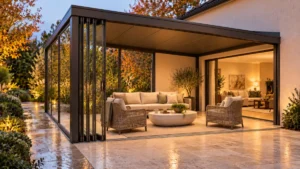
The American dream often finds its most opulent expression in the sprawling estates of professional athletes. Within the National Football League (NFL), where annual contracts frequently soar into the tens of millions, the housing market serves as both a sanctuary from the relentless pressures of the gridiron and a canvas for personal lifestyle curation. From the midcentury modern refinement favored by superstars like Patrick Mahomes to the massive, fortress-like estates associated with icons like Tom Brady, the residences of NFL players are more than mere assets—they are high-performance environments engineered for recovery, security, and elite-level entertainment.
As players navigate the high-stakes world of free agency and trades, the challenge of selecting a new home becomes a logistical puzzle. With a virtually limitless budget, the primary constraint is not financial, but rather the pursuit of specific, non-negotiable amenities that support the grueling demands of professional football.
Main Facts: The Architecture of Performance
At the highest level of professional sports, the home is an extension of the training facility. When an NFL athlete scouts a property, they are not merely looking for aesthetic appeal or square footage; they are looking for infrastructure that facilitates a lifestyle of extreme discipline.
The primary requirement for any luxury purchase is the "integrated recovery environment." Because the NFL season is a marathon of physical attrition, players view their homes as hubs for physical maintenance. Modern luxury real estate in this sector has shifted from "status symbols" to "utility-driven mansions." A home without a professional-grade recovery wing is often considered a non-starter for players whose careers depend on their ability to bounce back from the impact of a Sunday game.
Chronology: The Evolution of Athlete Housing
The trajectory of NFL real estate has shifted dramatically over the past three decades. In the 1990s and early 2000s, the trend leaned toward ostentatious display—massive ballrooms, multi-car garages, and ornate, traditional architecture designed to signal "arrival."
By the 2010s, as sports science and data analytics began to dominate the NFL, the focus pivoted toward wellness. The "man cave" of the past was replaced by the "wellness suite" of the present. Today, we are seeing a third phase: the "smart sanctuary." Current trends prioritize hyper-secluded compounds that utilize AI-integrated security, sustainable energy autonomy, and highly specialized athletic zones that mirror the facilities found at team headquarters.
Supporting Data: Essential Features of the NFL Estate
The Home Gym and Wellness Suite
The heartbeat of an NFL player’s home is undoubtedly the training wing. Unlike a standard residential gym, these spaces are designed to match the intensity of an NFL weight room.
- Cryotherapy and Cold Plunge: Essential for inflammation reduction, these are now standard installations.
- Red Light Therapy: Increasingly common for muscle repair and circadian rhythm regulation.
- Hyperbaric Chambers: Used by elite athletes for accelerated healing, these units have transitioned from clinics into the master bedrooms or dedicated recovery wings of luxury estates.
Multi-Sport Courts
The "multi-sport" trend reflects the desire for cross-training. Basketball courts remain the most requested feature, offering a high-cardio, low-impact alternative to field training. However, the meteoric rise of pickleball has led to a surge in demand for backyard courts that can be repurposed for tennis or basketball, ensuring that the property remains functional for both professional training and family recreation.
The Culinary Command Center
For an athlete, the kitchen is the engine room. With most high-earning players employing private chefs to manage strict nutritional protocols, the standard residential kitchen is insufficient. These properties now feature:
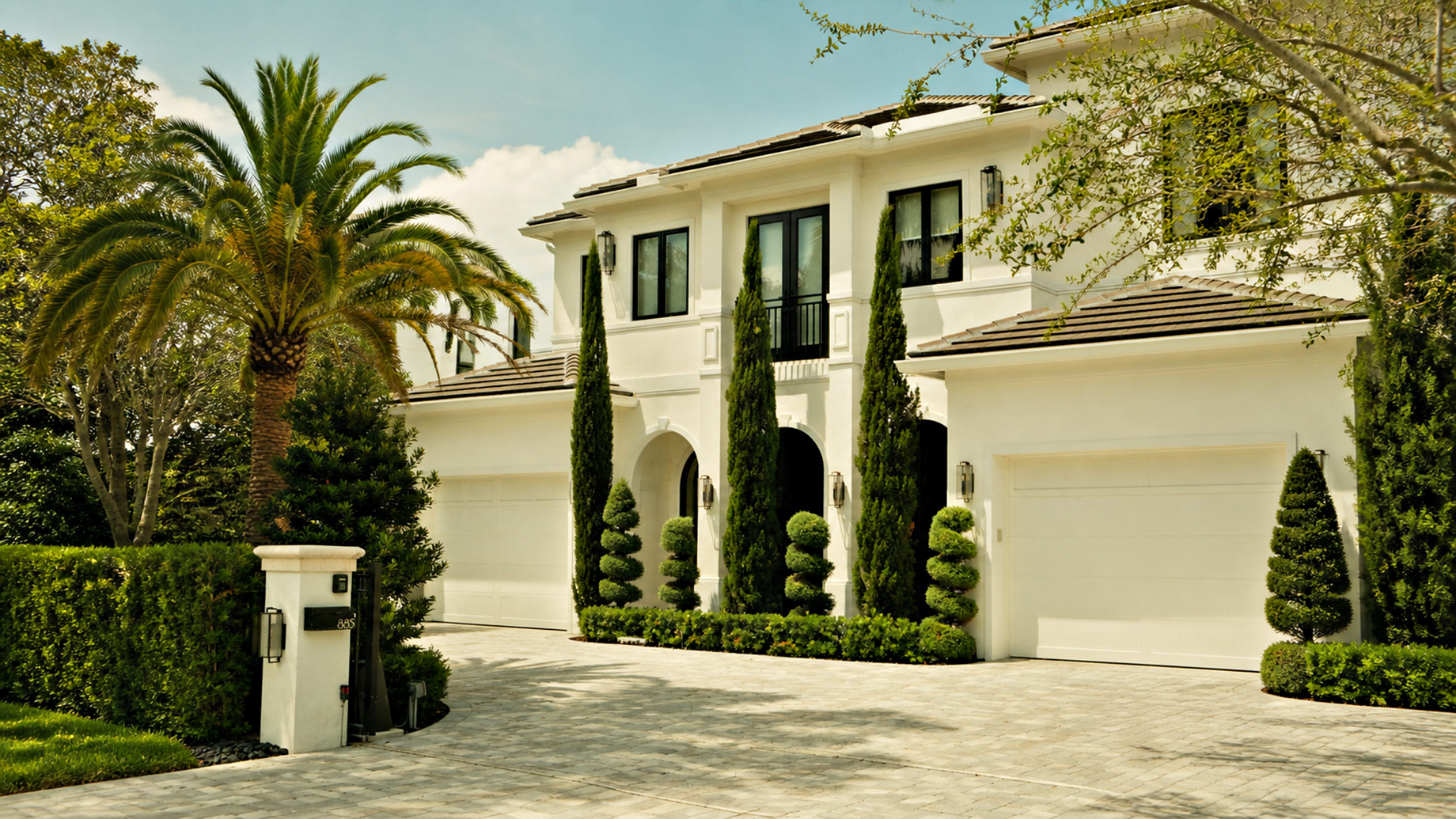
- Dual-Kitchen Layouts: A primary "show" kitchen for entertaining and a secondary "prep" or "chef’s" kitchen that keeps the mess of high-volume meal preparation out of sight.
- Commercial-Grade Cold Storage: Walk-in refrigerators and massive pantry spaces are required to store fresh, organic produce and specific supplements required by the athlete’s diet.
Security: The Necessity of Privacy
In the age of social media and ubiquitous invasive photography, privacy is the most expensive commodity. For NFL stars, security is not just about home alarms; it is about "perimeter defense."
Gated entrances are the baseline. Beyond that, modern estates for elite athletes often incorporate:
- Biometric Access Control: Moving beyond traditional keys to fingerprint or facial recognition for entry.
- Subterranean Security Command: Dedicated rooms for security personnel to monitor high-definition CCTV arrays.
- Acoustic and Visual Buffering: Using advanced landscaping—such as mature, dense perimeter trees and berms—to prevent drone photography and noise pollution from intruding on the player’s personal time.
Official Perspectives: The Value of the "Off-Field" Environment
Real estate agents specializing in high-net-worth athletes often note that the "psychological reset" is the most important, yet least discussed, factor. According to luxury brokers, a player who feels truly secure and comfortable in their home is statistically more likely to perform well on the field.
"When a player comes home, they need to feel that the world stops at the gate," says a prominent sports real estate consultant. "The house must be a fortress of solitude. If they are constantly worried about privacy, or if they lack the ability to get a 2:00 AM ice bath after a game, that is a direct deficit to their professional preparation."
Implications: The Market Impact
The influence of NFL players on the luxury real estate market is profound. When an athlete moves to a new city, they often set a "new ceiling" for property prices in that region. Their demand for specific features—such as integrated wellness suites—is now bleeding into the broader luxury market. Real estate developers are increasingly building "pro-athlete ready" homes, knowing that these features are now desired by high-net-worth executives, tech moguls, and venture capitalists who mirror the athletic, health-conscious, and security-focused lifestyle of the NFL professional.
The Future of the Athlete Estate
As technology advances, we can expect the next generation of NFL homes to incorporate even deeper levels of integration. This includes:
- AI-Driven Home Management: Systems that track the player’s biometric data from their wearable devices and adjust the home’s temperature, lighting, and air quality in the bedroom to optimize sleep recovery.
- Sustainability Autonomy: With rising energy costs and the desire for privacy, off-grid capabilities—including high-capacity solar arrays and water filtration systems—are becoming standard in ultra-luxury builds.
Conclusion
The luxury homes of the NFL are far more than status symbols. They are highly engineered environments that serve as the foundation for an athlete’s career longevity. By prioritizing recovery, security, and professional-grade culinary infrastructure, these players are setting a new standard for what it means to live in luxury. As the lines between professional athletics and home-based recovery continue to blur, the "gridiron estate" will remain the gold standard for luxury living in the United States, dictating trends that will eventually reshape the architectural landscape for the wealthy at large.
Whether it is a midcentury modern jewel or a sprawling gated compound, the modern NFL home is a testament to the fact that for the world’s elite athletes, the game never truly ends—it just moves to the home front.