By [Your Name/Publication Name]
In the glittering realm of gemstones, where rarity and natural beauty command premium prices, a subtle yet pervasive practice has long held sway: dyeing. This ancient technique, often employed to enhance the appeal and marketability of less desirable stones, transforms the ordinary into the extraordinary, the pale into the vibrant, and the inexpensive into the seemingly precious. For gemmologists, the ability to discern the hand of nature from the touch of human artifice is not merely a matter of academic curiosity but a crucial ethical responsibility. Gem-A Gemmology Tutor Pat Daly delves into the intricate world of dyed gemstones, illuminating the methods employed and the tell-tale signs that betray their treated origins.
Dyeing, at its core, is the process of introducing coloured substances into permeable gem materials. The primary objective is often to imbue pale or colorless stones with desirable hues, mimicking the appearance of more valuable counterparts. While this practice can be a cost-effective way to enhance the aesthetic appeal of gemstones, it also raises critical questions about transparency and authenticity in the jewelry trade.
The Genesis of Colour: How Gemstones Are Dyed
The fundamental principle behind gemstone dyeing lies in the material’s porosity. Translucent to opaque stones, with their inherent pore spaces, readily absorb dyes. However, even transparent stones can be subjected to this treatment. These may be heavily fractured naturally during mining or deliberately fractured to create channels for the dye to penetrate.
The dyeing process typically involves immersing the stones in chemical solutions containing pigments. To facilitate dye absorption, stones may undergo prior heating or chemical treatments designed to expand existing fractures and pore spaces. Once the dye has penetrated, its color is then fixed. This can be achieved through various methods, including chemical reactions that alter the dye’s composition, further heat treatment, or the application of wax or resin to seal the pores and prevent the color from leaching out.
A Spectrum of Techniques:
-
Simple Immersion: The most straightforward method involves soaking stones in a colored solution. The dye, carried by water or another fluid, infiltrates the stone’s porous structure. Once the liquid evaporates, the pigment remains, imparting color. While this approach is economical, the resulting dyes can be unstable, susceptible to fading when exposed to light or washing out when the stone becomes wet.
-
Permanent Dyeing: More sophisticated methods aim for permanence. In Idar Oberstein, Germany, a region renowned for its agate processing, inorganic chemical treatments have been perfected to produce agates in virtually every imaginable color. These are widely utilized in the jewelry industry.
-
The Sugar Treatment: A classic example of permanent dyeing is the "sugar treatment." This method is particularly effective for imparting a black color, a rare and highly sought-after hue in stones like opal and agate. The process involves soaking porous stones in a hot sugar solution. Subsequently, the stones are immersed in hot sulfuric acid. This acid reacts with the sugar, consuming its oxygen and hydrogen components. The remaining carbon is then deposited within the stone’s pore spaces, creating a deep, even black color. This enhances the play of color in opals, making them appear more vibrant against the dark background, or provides an intensely black appearance to agate, a color that is naturally uncommon.
The Palette of Deception: Gemstones Transformed by Dye
Dyeing is not a new phenomenon. Historically, marble statuary was often dyed for decorative purposes, a tradition that persists in some cultures. However, in the gemological world, the focus is on the imitative enhancement of gemstones. The practice can significantly alter the appearance of any stone with sub-transparency, and even some near-transparent materials.
Commonly Dyed Materials and Their Transformations:
-
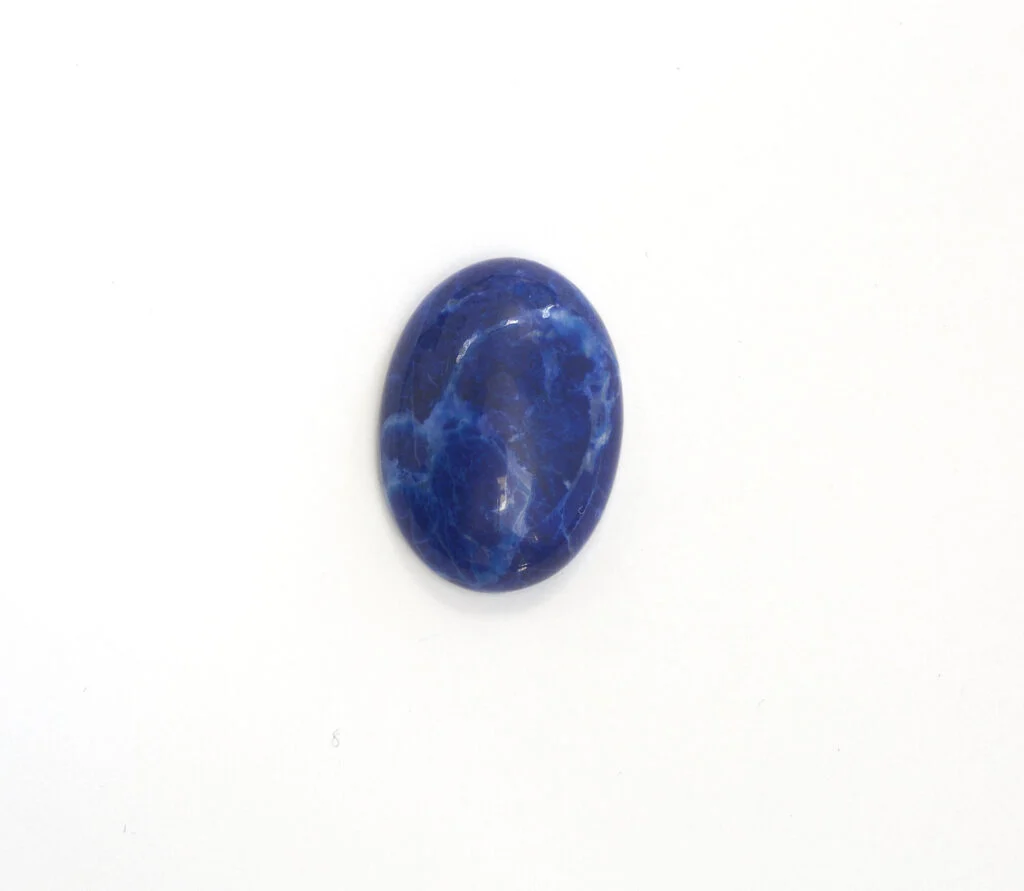
Sub-transparent Stones: Materials like jadeite, opal, lapis lazuli, and pearls are frequently dyed to achieve more desirable or consistent colors. For instance, pearls can be dyed to create vibrant blues, greens, or even black hues, mimicking rare natural colors.
-
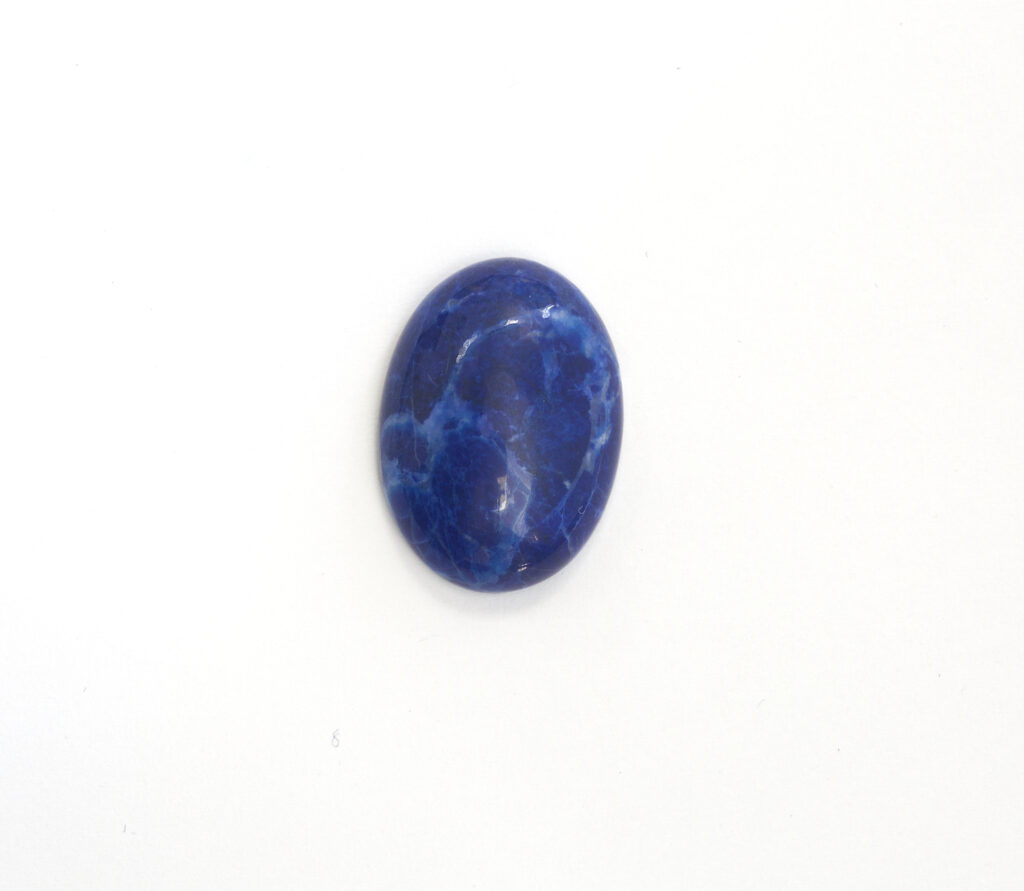
Imitative Enhancements: Dyeing also allows for the creation of convincing imitations of expensive gemstones using less costly materials. Quartzite, magnesite, and marble, for example, can be dyed to resemble more valuable stones. Magnesite, often white and porous, can be dyed to mimic turquoise or lapis lazuli.
-
Near-Transparent Stones: Even stones like corundum (the mineral family that includes rubies and sapphires) and quartz can be dyed. Corundum, typically dyed red to simulate ruby or blue to mimic sapphire, and quartz, which can be rendered in any color imaginable, are prime candidates for this treatment.
The financial implications of dyed gemstones are significant. Whether they are outright simulants or lower-quality stones whose color has been artificially improved, dyed gems possess a considerably lower intrinsic value than the natural, untreated stones they resemble. This disparity underscores the critical importance for gemmologists to accurately identify and disclose such treatments.
Unmasking the Artificial: Visual Clues to Dyed Gemstones
Experienced gemmologists employ a suite of observational techniques and specialized tools to detect the tell-tale signs of dyeing. These methods rely on understanding how dyes interact with the porous structure of gemstones.
Key Visual Indicators:
-
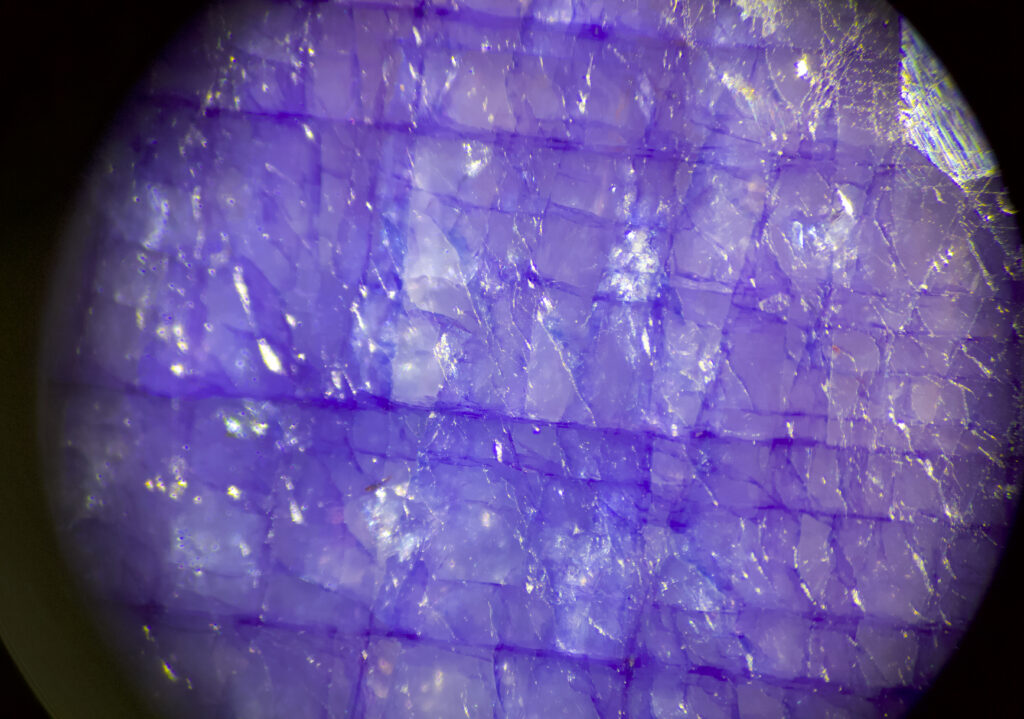
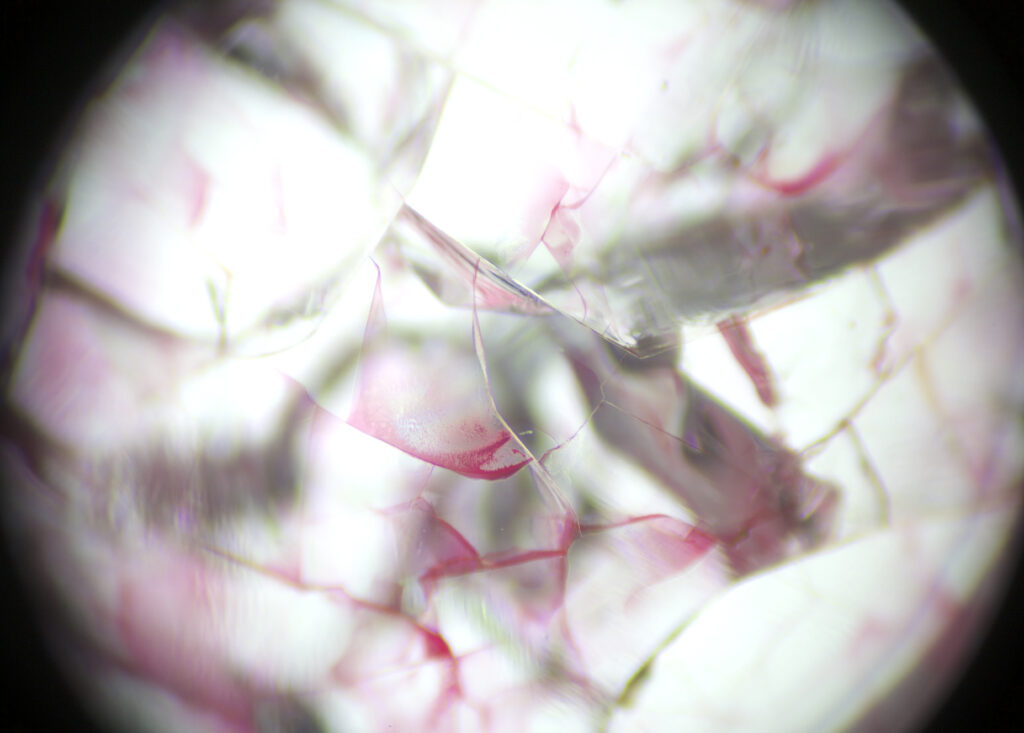
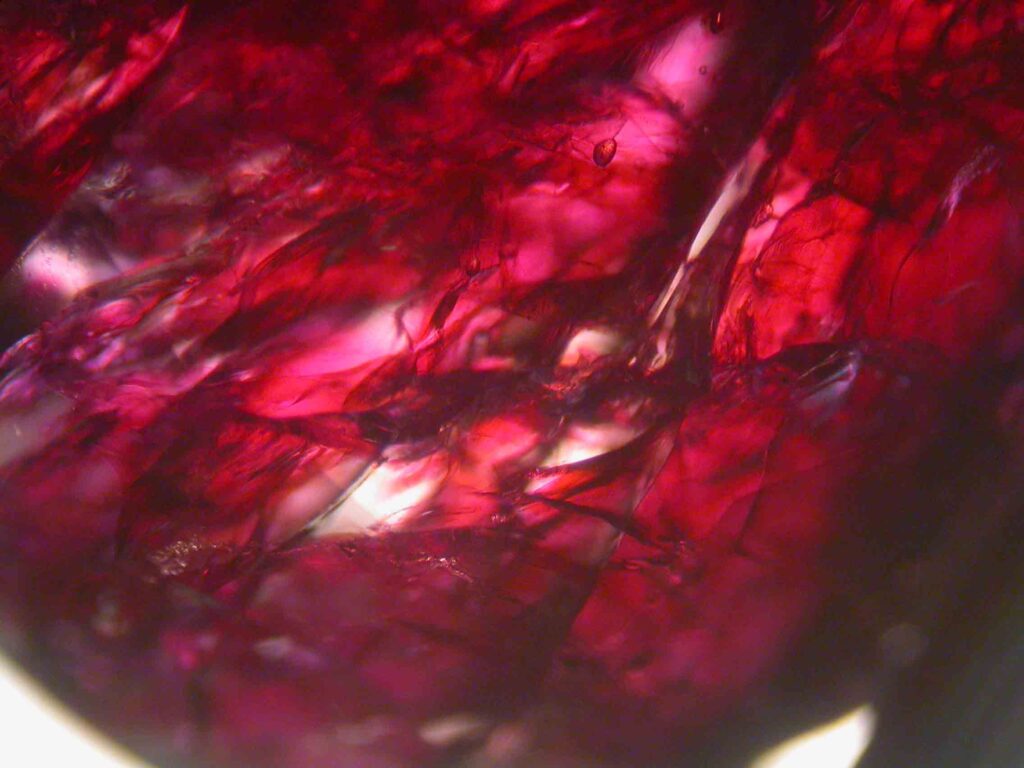
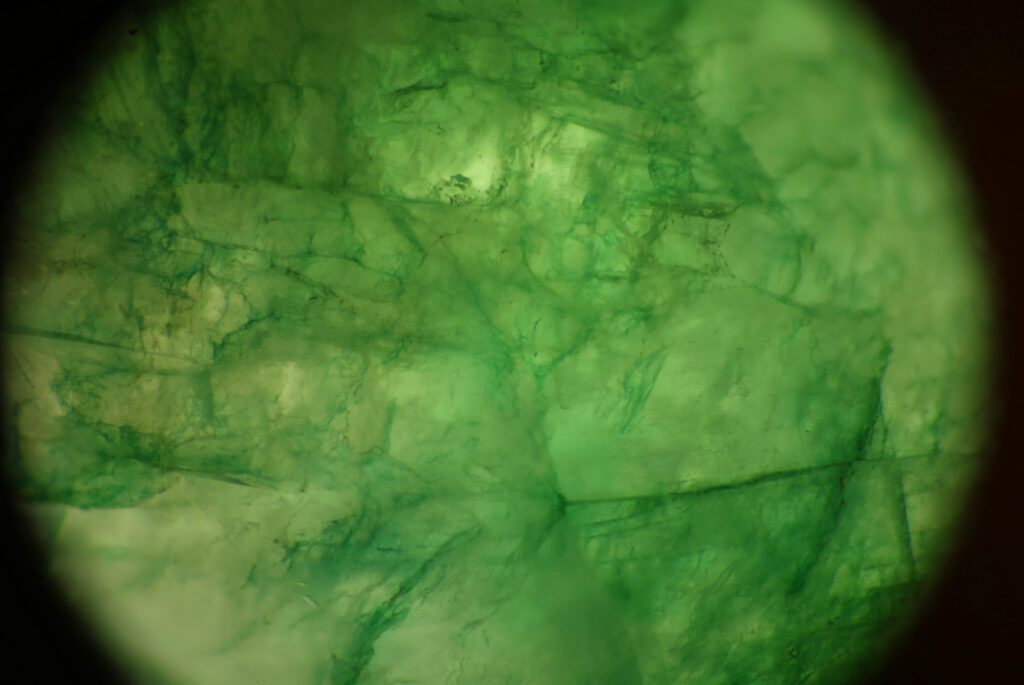
Concentration in Pores and Fractures: The most common visual indicator of dyeing is the uneven distribution of color. Dyes tend to concentrate in the pore spaces and fractures within a stone, creating a network of colored lines or patches. Careful examination under a loupe or microscope can often reveal this characteristic pooling of color, serving as strong evidence of dyeing. However, caution is advised, as naturally occurring iron compounds can also cause yellowish-brown to reddish-brown coloration in fractures due to weathering, requiring careful interpretation.
-
The Acetone Test: Soluble dyes can often be detected using acetone or similar solvents. A small swab dipped in acetone, when rubbed against a suspect stone, may pick up the dye, leaving a colored residue on the swab. While this test can be indicative, it is not foolproof. Some dyes are insoluble, and others may be protected by a wax or resin coating, rendering this test inconclusive in such cases.
-
Concentrations of Colour: In some instances, particularly in dyed transparent stones like corundum, the dye may not fully penetrate the material, leading to visible concentrations of color along fracture lines or within internal structures. This can appear as streaks or zones of more intense hue, distinct from the uniform coloration of naturally colored stones.
-
Dyed Jadeite Bangles: The example of dyed jadeite bangles showcases how dye can accumulate along the grain lines and internal fissures of the stone. This uneven distribution creates a visually striking pattern that differs from the homogenous coloration typically found in natural jadeite.
-
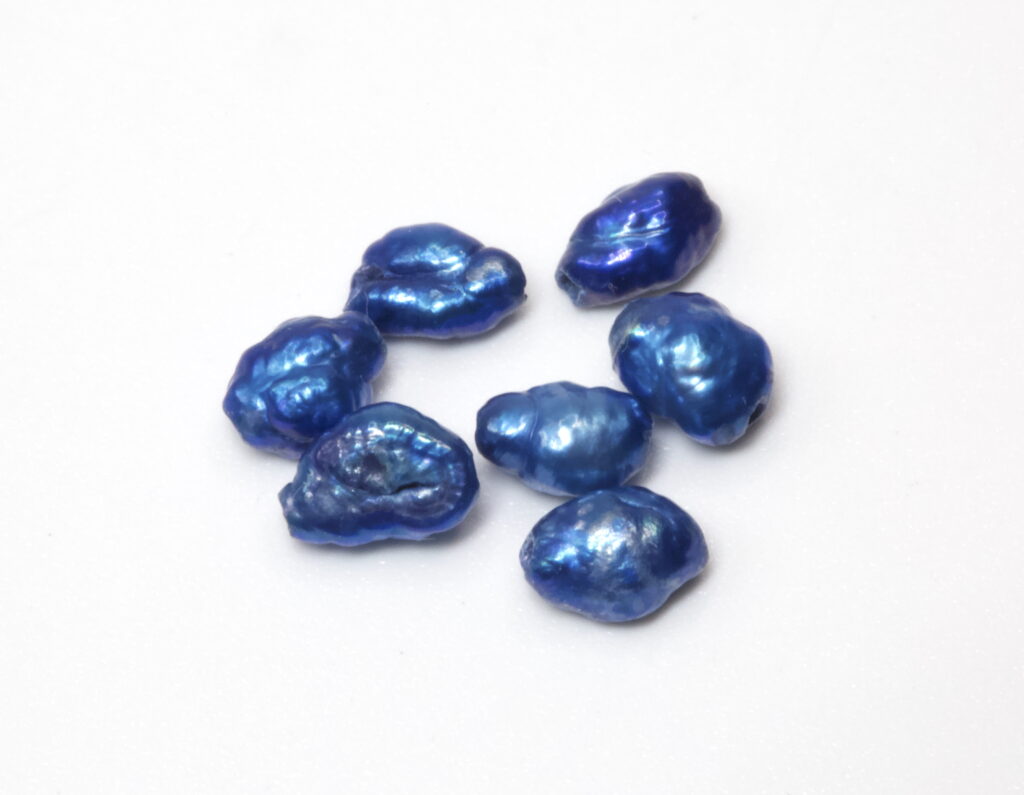
Dyed Freshwater Pearls: The blue hue in these dyed freshwater pearls is a prime example of how artificial color can be introduced. The dye saturates the nacreous layers, and under magnification, its presence might be inferred by the uniformity or specific patterns of coloration that are uncharacteristic of natural pearl formation.
-
Dyed Magnesite: This material, often used as a turquoise simulant, clearly demonstrates how a porous base material can be uniformly dyed to achieve a desired color. The consistent saturation of color across the surface and within any visible pores is a hallmark of this treatment.
Beyond the Visual: Advanced Gemmological Techniques
While visual inspection is the first line of defense, more sophisticated gemmological tools provide further avenues for identifying dyed gemstones.
Spectroscopic and Optical Analysis:
-
Absorption Spectra: The way a gemstone absorbs light, known as its absorption spectrum, provides crucial information about its color-causing elements and their state. Naturally colored stones exhibit characteristic spectral patterns. A pale corundum dyed red to mimic a ruby, for instance, would not display the distinct chromium spectrum of a natural ruby. If a spectrum is present, it might be too weak to account for the stone’s intense color, or it may represent a different element altogether.
-
Jadeite Spectra: Green jadeite typically exhibits a chrome spectrum with fine lines in the red portion of the spectrum. Dyed green jadeite, however, often shows a broad band in the red or three broad bands spanning the red to orange region, lacking the fine red lines characteristic of natural chrome-colored jadeite.
-
Chelsea Colour Filter: This dichromatic filter, often used to distinguish between red stones, can also offer clues in identifying dyed gems. For example, chrysoprase, a valuable green chalcedony, appears distinctly green. In contrast, dyed green agate might appear grayish to pinkish when viewed through the Chelsea Colour Filter, indicating a different optical property related to its artificial coloration.
-
Luminescence: The way a gemstone reacts to ultraviolet (UV) light can also be a revealing factor. Some dyed lavender jadeite, for instance, exhibits a distinct orange glow under long-wave UV light, a characteristic not typically observed in naturally colored lavender jade. This luminescence can act as a critical identifier for treated material.
The Double-Edged Sword: Advantages and Disadvantages of Dyeing
The practice of dyeing gemstones, while raising ethical concerns, does present certain advantages for both the industry and consumers.
Benefits of Dyed Gemstones:
-
Increased Availability and Affordability: Dyeing significantly expands the range and quantity of aesthetically pleasing gemstones available on the market. This allows lower-quality or naturally rare materials to be presented in attractive colors, making them accessible to a wider consumer base.
-
Enhanced Design Possibilities: For jewelers, dyed stones offer greater creative freedom. They can be used to produce colorful and eye-catching pieces at a more affordable price point, enabling more adventurous designs and catering to diverse fashion trends.
The Perils of Artifice:
-
Deception and Fraud: The most significant disadvantage of dyeing is its potential for deception. It can be challenging for the untrained eye to distinguish between a naturally colored gemstone and a dyed imitation. This lack of transparency creates opportunities for misrepresentation, accidental errors in identification, or outright fraud, where dyed stones are sold as natural counterparts at inflated prices.
-
Ethical Responsibility of Gemmologists: This inherent risk places a profound responsibility on gemmologists. Their role extends beyond mere identification; it encompasses ensuring transparency and ethical practices within the jewelry trade. Gemmologists are tasked with understanding the effects of dyeing and other treatments, accurately identifying treated stones, and providing clear and precise labeling or descriptions. This ensures that buyers and sellers are fully informed about the nature and origin of the gemstones they are handling.
Conclusion: The Enduring Challenge of Authenticity
The world of dyed gemstones is a complex tapestry woven with threads of natural beauty and human ingenuity. While dyeing offers a means to enhance the appeal and accessibility of gemstones, it simultaneously presents a challenge to the principles of authenticity and transparency that underpin the gem trade. As Pat Daly’s insights reveal, the discerning eye of a trained gemmologist, armed with knowledge of both natural phenomena and artificial treatments, remains the ultimate guardian against deception. The continuous evolution of dyeing techniques necessitates ongoing vigilance and a commitment to education, ensuring that the brilliance of gemstones continues to be appreciated for its inherent, unadulterated beauty.
For those eager to delve deeper into the fascinating world of gemmology and master the art of identifying gemstone treatments, Gem-A offers a range of educational opportunities, including the introductory online course, GemIntro, and its comprehensive accredited programs.