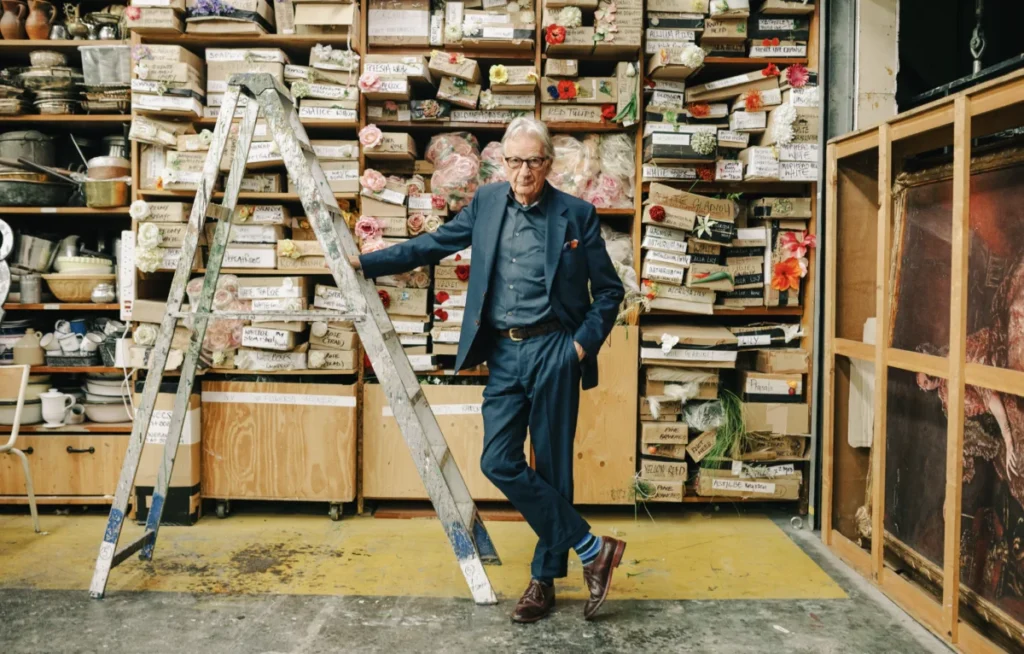
LONDON — In the landscape of British fashion, few figures possess the enduring vitality of Sir Paul Smith. Having celebrated his 80th birthday this past July, the legendary designer is not opting for the quietude of retirement. Instead, he is embarking on one of his most ambitious autumn seasons to date, bridging the gap between his storied past and a future that remains firmly rooted in the tactile, human experience of retail.
From September 7 to 19, the iconic Corner Shop at Selfridges will be transformed into a living, breathing extension of Sir Paul’s own creative psyche. Marking 40 years of partnership between the designer and the luxury department store, the installation—dubbed the "Dream Factory"—promises to be an immersive exploration of the man behind the pinstripes.
Main Facts: Inside the "Dream Factory"
The residency at Selfridges is less a retail space and more a curated portrait of a polymath. Smith intends to utilize the space as a functional office, allowing shoppers to witness his creative process in real-time. This departure from the traditional, polished showroom aesthetic is deliberate. It is an invitation to witness the "messy" reality of design: the sketches, the prototypes, and the personal curiosities that fuel a brand synonymous with British eccentricity.
Visitors can expect to see an eclectic assembly of Smith’s personal life, including original Mario Bellini Cab chairs, floor-to-ceiling photographic prints, and an evolving gallery of artworks that mirror his own studio walls. The installation is punctuated by iconic symbols of his life, most notably a bespoke Paul Smith edition of the Mini car—a vehicle he famously drives to his London headquarters every day—parked prominently within the space.
Furthermore, the collaboration honors a milestone shared by two British institutions: both Sir Paul and the prestigious cycle manufacturer Mercian are celebrating their 80th birthdays. To commemorate this, a series of custom-made Mercian bicycles will be available for purchase, a nod to Smith’s lifelong passion for cycling.
Chronology: A Career of Constant Motion
To understand the significance of this takeover, one must look back at the arc of Smith’s career, which has been defined by a rare consistency of voice and an evolving approach to retail.
- 1970: Smith opens his first small shop in Nottingham, a modest venture that would eventually scale into a global fashion empire.
- 1980s: The partnership with Selfridges begins, cementing Smith’s position as a staple of British high-street luxury.
- Present Day: Despite his global reach, Smith maintains his "Saturday boy" ethos. He continues to work in his Albemarle Street store in Mayfair, personally engaging with customers, discussing the provenance of his designs, and even managing the till. This hands-on approach is the cornerstone of his philosophy.
- September 7–19: The "Dream Factory" takeover at Selfridges.
- September 10: The official launch of his memoir, Threads: My Life in Style, co-authored with Richard Williams, followed by a talk at London’s Southbank Centre.
Supporting Data and The Creative Capsule
The "Dream Factory" is supported by a bespoke, limited-edition capsule collection. The collection serves as a retrospective of sorts, utilizing archival photography and design details from Smith’s personal office. These elements have been digitally reimagined and applied to a range of holdalls, leather wallets, and T-shirts, offering customers a literal piece of the designer’s personal history.

The educational component of the residency is equally significant. Through the Paul Smith Foundation, the space will host creative workshops, allowing guests to engage with mentors and residents to print their own T-shirts. This emphasis on community and craft is a hallmark of the Foundation, which focuses on providing guidance to the next generation of creatives.
While Smith has opted out of the traditional London Fashion Week runway circuit this season, he remains deeply connected to the industry’s heartbeat. He is set to host a high-profile event at 40 Duke, the new private club at Selfridges, in collaboration with the British Fashion Council. This event underscores his commitment to the British fashion ecosystem, even as he pivots away from conventional industry timelines.
Official Perspectives: The Philosophy of Physical Retail
The decision to manifest his office within a department store is a defiant statement on the state of modern commerce. In an era increasingly dominated by algorithms and digital-only storefronts, Sir Paul remains a steadfast proponent of the "physical experience."
"I believe in the enduring relevance of physical retail," a brand spokesperson stated during the announcement. "The goal is to bring the creativity, curiosity, and energy behind the brand directly into the shop, creating a space where the customer isn’t just buying a garment, but participating in the culture that birthed it."
This philosophy has been the engine of his longevity. Smith does not see retail as merely a transaction; he sees it as a conversation. Whether he is in his Mayfair shop or standing amidst the installations at Selfridges, his focus remains on the "Saturday boy" mentality: a humble, service-oriented approach to luxury that prioritizes human connection over corporate distance.
Implications: The Future of the "Designer-Retailer"
The Selfridges takeover carries profound implications for the fashion industry at large. As luxury brands struggle to justify the high overhead of brick-and-mortar stores in a post-digital world, Sir Paul Smith offers a compelling blueprint for survival: Personalization through Authenticity.
1. The Death of the "Staged" Retail Experience
Modern consumers are increasingly skeptical of sterile, high-end environments. By opening his "office" to the public, Smith is leveraging the "behind-the-scenes" trend, satisfying the public’s appetite for transparency. This humanizes the brand, transforming the designer from a distant creative director into a relatable, working individual.

2. The Memoir as Brand Asset
The launch of Threads: My Life in Style alongside the retail takeover is a masterclass in cross-platform brand integration. By aligning the publication of his life story with the temporary retail experience, Smith is creating a "total brand immersion." Readers of his book can walk into the store and see the objects described in its pages, effectively blurring the lines between media, art, and commerce.
3. Mentorship as Legacy
By utilizing the Paul Smith Foundation to lead workshops within the space, the brand is successfully cementing its legacy. It is positioning Smith not just as a designer, but as a mentor. This ensures that the brand remains culturally relevant to Gen Z and Alpha, who prioritize values-based consumption and community-building over traditional brand heritage.
4. A Rejection of Fashion Week Fatigue
Smith’s choice to eschew the traditional London Fashion Week runway show in favor of a curated, private industry event at 40 Duke suggests a shift in how established designers view the calendar. The costs and environmental impact of runway shows are being questioned, and Smith’s "Dream Factory" represents a more intimate, manageable, and arguably more effective way to engage with the press and the public simultaneously.
Conclusion
At 80 years old, Sir Paul Smith is not merely holding onto his status as an industry icon; he is actively dismantling the walls that keep luxury at arm’s length. The "Dream Factory" at Selfridges is more than just a pop-up; it is a manifesto for the future of retail.
In a world where digital convenience often comes at the expense of human connection, Smith’s insistence on being present—whether in the shop or in his writing—is a radical act. As he looks back on his career through the pages of his memoir and forward through the doors of his pop-up office, one thing is clear: the thread that holds Sir Paul Smith’s life together is the same one he has been weaving since 1970—a genuine, unpretentious, and enduring love for the craft of making things, and the joy of sharing them with others.