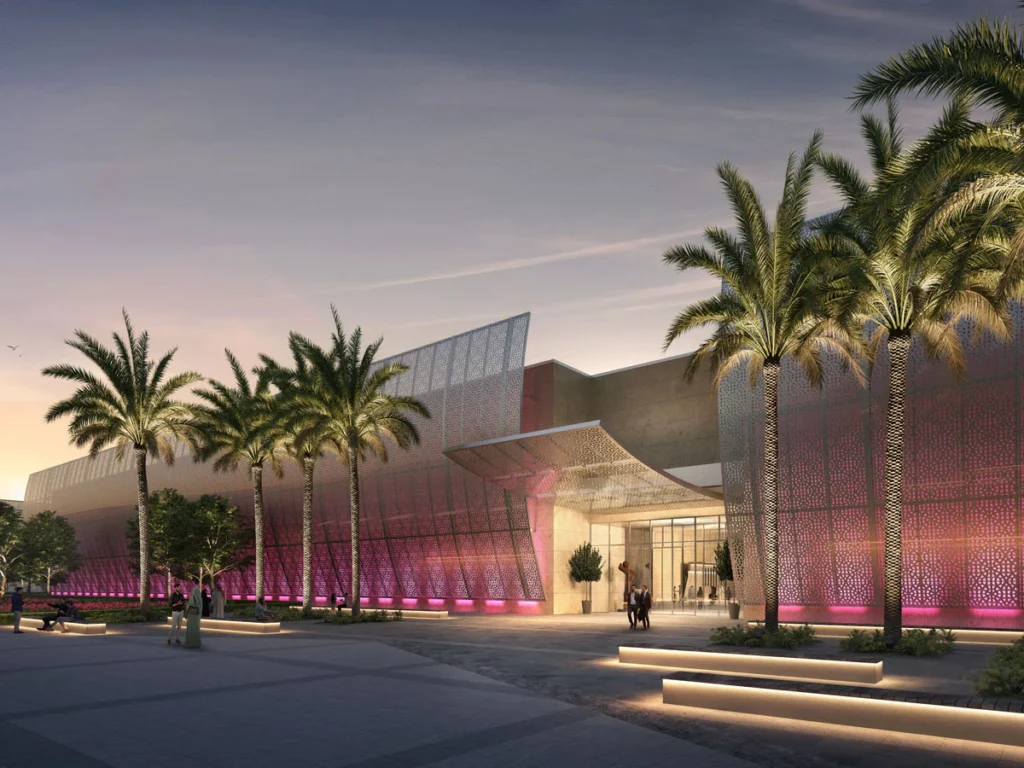
The global art calendar is undergoing a significant transformation as Frieze, one of the world’s most influential contemporary art brands, prepares to plant its flag in the United Arab Emirates. Frieze Abu Dhabi has officially announced the lineup for its debut edition, featuring 84 exhibitors from across the globe. Scheduled to take place from November 19 to 22, 2024, the fair will be hosted at Manarat Al Saadiyat, situated within the heart of the city’s burgeoning Saadiyat Cultural District.
This inaugural event marks a pivotal moment for the region, signaling the transition of Abu Dhabi’s primary art fair from a locally managed entity to a franchise of an international powerhouse. By bringing together a diverse array of galleries—spanning 63 cities and 36 countries—Frieze Abu Dhabi aims to bridge the gap between the established Western art markets and the rapidly evolving creative ecosystems of the Global South.
Main Facts: A Diverse Assembly of Global and Regional Talent
The 84-gallery roster for Frieze Abu Dhabi 2024 reflects a strategic balance between international "blue-chip" heavyweights and essential regional voices. Notably, approximately 43 percent of the exhibitors—36 galleries in total—hail from the SWANA (South West Asia and North Africa) region. This high percentage underscores Frieze’s commitment to maintaining the fair’s regional soul while elevating its international profile.
Among the prominent regional participants are:
- The Third Line and Carbon 12 (Dubai)
- Dastan (Tehran and Toronto)
- Gypsum (Cairo)
- Loft Art Gallery (Casablanca and Marrakech)
- Sfeir-Semler Gallery (Beirut and Hamburg)
These regional stalwarts will exhibit alongside global titans of the art world, including Gagosian, Pace Gallery, Thaddaeus Ropac, Victoria Miro, Galleria Continua, and Perrotin. The inclusion of Perrotin is particularly noteworthy, as the gallery expanded its physical footprint to Dubai in 2022, signaling a long-term investment in the Gulf’s collector base.
The fair is structured into several distinct sections designed to cater to different segments of the market and art history:
- Galleries: The main section featuring established contemporary programs.
- Focus: Dedicated to solo or dual presentations by emerging artists.
- Global Futures: A curated section exploring themes resonant with the UAE and the wider region.
- Frieze Masters Abu Dhabi: Focusing on historical objects and art from antiquity to the 20th century.
Chronology: The Evolution of Abu Dhabi’s Art Scene
The launch of Frieze Abu Dhabi does not occur in a vacuum; it is the culmination of nearly two decades of institutional growth in the UAE capital.
- 2007–2023: The Abu Dhabi Art Era. For 17 years, the city hosted "Abu Dhabi Art," a fair organized by the Department of Culture and Tourism – Abu Dhabi (DCT Abu Dhabi). While successful in fostering a local collector base and supporting Emirati artists, the fair remained largely a boutique regional event.
- The Saadiyat Expansion: Over the last decade, the Saadiyat Cultural District has transformed into a global destination with the opening of the Louvre Abu Dhabi (2017) and the ongoing construction of the Guggenheim Abu Dhabi and the Zayed National Museum.
- February 2024: The Qatar Precedent. Earlier this year, the regional landscape shifted when Art Basel—Frieze’s primary global competitor—partnered with Qatar for "Art Basel Qatar" in Doha. This move heightened the competitive stakes for cultural dominance in the Gulf.
- Late 2024: The Frieze Transition. In a strategic move to professionalize and globalize its art market further, DCT Abu Dhabi entered into a partnership with Frieze to replace the legacy Abu Dhabi Art fair with the Frieze brand.
Supporting Data: Structure and Curatorial Depth
Frieze Abu Dhabi is distinguished by its curated sections, which provide intellectual rigor to the commercial environment.
The Focus Section: Supporting Emerging Voices
The Focus section is designed to highlight experimental practices. To ensure the participation of younger, smaller galleries, Frieze has implemented a bursary system to offset the costs of exhibiting. The six participating galleries in this section include:
- Commonwealth and Council (Los Angeles) presenting Dala Nasser.
- Management (New York) presenting Tahir Karmali.
- Iyad Qanazea Gallery (Abu Dhabi) presenting Jawad Al Malhi.
Global Futures: Curated by Tarini Malik
This new section is led by independent curator and writer Tarini Malik. It focuses on artists whose work engages with the specific histories and sociopolitical ideas of the UAE and the surrounding territories. Key highlights include Abdullah Al Saadi (Aisha Alabbar Gallery), who recently represented the UAE at the Venice Biennale, and Seta Manoukian (Marfa’), a significant figure in Lebanese modernism.
Frieze Masters Abu Dhabi: The Indian Ocean Theme
Curated by Marika Sardar, the Frieze Masters section takes a unique thematic approach by focusing on the Indian Ocean. This theme explores the historical movement of people, objects, and ideas through trade and cultural exchange, linking the Gulf to Africa, India, and Southeast Asia. Participating galleries include David Aaron (London), Eqtna Rare Books (Sharjah), and Antiquariaat Forum (Utrecht), offering a range of antiquities, rare manuscripts, and 20th-century masterpieces.
Official Responses: A Vision for Regional Integration
The leadership of Frieze and the local cultural authorities have emphasized that this fair is more than just a commercial venture; it is a platform for "knowledge production."
Dyala Nusseibeh, Director of Frieze Abu Dhabi, highlighted the fair’s role as a bridge:
"Across the main section and Focus, galleries will present ambitious, thoughtfully considered booths, while the curated sections—Global Futures and Frieze Masters Abu Dhabi—will introduce fresh perspectives and avenues for critical inquiry. Frieze Abu Dhabi will be a catalyst for knowledge production, art market integration, and meaningful participation in global discourse for the whole region."
Kristell Chadé, Executive Director of Fairs for Frieze, spoke to the strategic importance of the UAE:
"The inaugural edition of Frieze Abu Dhabi begins with the depth and ambition of the UAE and wider WANASA art scene and reaffirms our commitment to fostering meaningful dialogues on the global art stage. Complementing Frieze’s expansive reach, the fair amplifies voices from the region in an international context, establishing a key moment of convening and exchange for galleries, artists, institutions, and collectors from across the world."
Implications: Soft Power and the New Global Hub
The establishment of Frieze Abu Dhabi carries profound implications for the international art market and the geopolitical standing of the UAE.
1. The Professionalization of the Regional Market
By adopting the Frieze brand, Abu Dhabi is signaling to international collectors and galleries that it adheres to the highest global standards of fair organization, VIP relations, and curatorial selection. This is likely to attract a higher tier of "ultra-high-net-worth" individuals who may have previously overlooked regional fairs.
2. The "Gulf Rivalry" in Culture
With Art Basel in Qatar and Frieze in Abu Dhabi, the competition for cultural supremacy in the Middle East has entered a new phase. This rivalry is driving massive investment in museum infrastructure, artist residencies, and public programming. For the global art community, this means the Gulf is no longer just a source of capital, but a primary destination for exhibition and discourse.
3. Redefining Art History
The specific focus of sections like "Global Futures" and "Frieze Masters" (with its Indian Ocean theme) suggests a move away from Eurocentric art histories. By centering the Gulf as a historical and contemporary crossroads, Frieze Abu Dhabi is participating in a broader movement to decolonize the art market and recognize the contributions of the Global South.
4. Economic Diversification
For the UAE government, Frieze Abu Dhabi is a component of the "Abu Dhabi Economic Vision 2030," which seeks to diversify the economy away from oil. The "creative economy" is seen as a sustainable sector that drives tourism, high-end real estate value, and international prestige.
As the art world looks toward November, the success of Frieze Abu Dhabi will be measured not just by sales figures, but by its ability to integrate the diverse voices of the SWANA region into the global conversation. With 84 galleries ready to descend on Saadiyat Island, the stage is set for a transformative chapter in Middle Eastern art history.
Full Exhibitor List (Selected Highlights)
Galleries Section:
- A.Gorgi Gallery (Tunis)
- Athr (Jeddah; AlUla; Riyadh)
- Gagosian (International)
- Green Art Gallery (Dubai)
- Hanart TZ Gallery (Hong Kong)
- Leila Heller Gallery (Dubai; New York)
- Pace Gallery (International)
- Tatintsian Gallery (Dubai)
- Waddington Custot (London; Paris; Dubai)
Focus Section:
- Patel Brown (Toronto; Montréal) – Artist: Marigold Santos
- Solo (Bucharest) – Artist: Thuy Tien Nguyen
- W-galería (Buenos Aires) – Artist: Chonon Bensho
Global Futures Section:
- Chatterjee & Lal (Mumbai) – Artist: Arshi Irshad Ahmadzai
- Taymour Grahne Projects (Dubai) – Artist: Ala Younis
- Zawyeh Gallery (Dubai) – Artist: Mohammed Joha
Frieze Masters Abu Dhabi:
- ArtAncient (London)
- Daniel Crouch Rare Books (London)
- Inlibris Rare Books & Manuscripts (Vienna)