

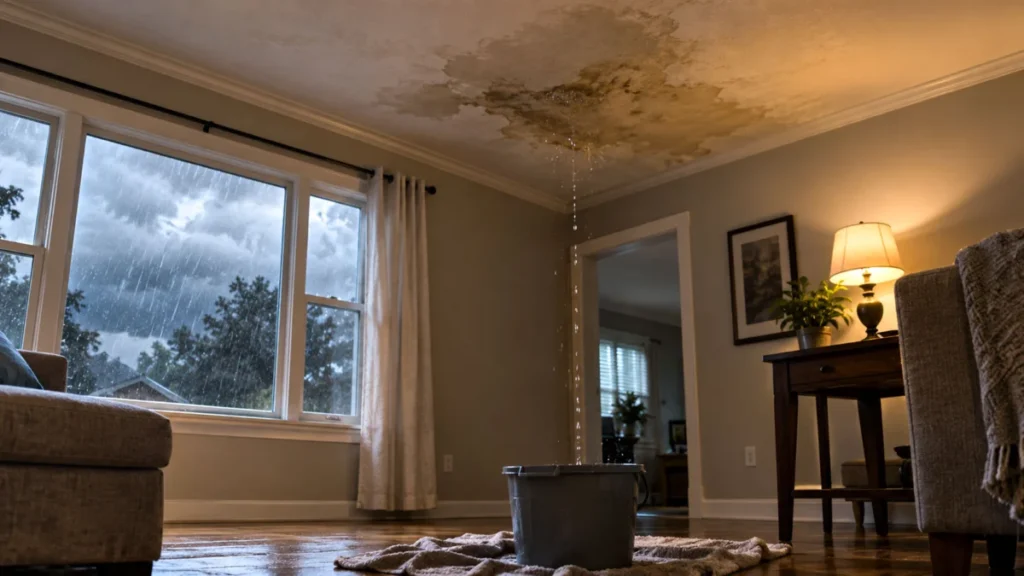
For any homeowner, the sound of rhythmic dripping inside a living room or the sudden appearance of a dark, damp stain on a pristine ceiling is a source of immediate, visceral anxiety. These are not merely cosmetic issues; they are the physical manifestations of a structural failure. When a roof is compromised by high winds, hail, or torrential rain, the integrity of the entire building envelope is at stake.
In the wake of severe weather events, many homeowners fall into the trap of “wait-and-see” behavior, hoping the leak will resolve itself once the sun comes out. However, experts in the roofing industry emphasize that water is a relentless infiltrator. When a home begins to leak, moisture has already breached multiple protective layers—shingles, underlayment, and roof decking—before ever reaching the interior. Securing professional emergency roof repair in New Jersey is not a luxury; it is a critical defensive measure to prevent catastrophic damage to insulation, structural framing, and electrical systems.
Main Facts: The Anatomy of a Roof Breach
The modern roof is a sophisticated assembly of interlocking materials designed to shed water efficiently. When a storm disrupts this system, the damage is rarely static.
The Illusion of Integrity
A roof may appear intact from the street, yet harbor hidden failures. High-velocity winds can lift the edges of shingles, breaking the adhesive seal without removing the shingle entirely. Similarly, metal flashing—the thin strips of material that protect chimneys, vents, and roof-to-wall junctions—can shift just enough to create a capillary path for water. Once this seal is broken, wind-driven rain is forced into the attic cavity, where it begins its destructive work.
The Escalation Factor
Storm damage is progressive. An opening that measures only a few square inches can allow gallons of water to saturate roof decking and attic insulation. As these materials absorb moisture, they become heavy and susceptible to rot. Because this damage often occurs in hidden, poorly ventilated spaces, the homeowner may be unaware of the extent of the deterioration until structural failure or mold growth becomes visible.
Chronology of a Leak: From Weather Event to Structural Compromise
Understanding the timeline of water damage is essential for mitigating loss.
- The Initial Impact: During a storm, wind or debris creates an entry point. At this stage, the homeowner may not notice any signs of intrusion.
- The Infiltration Phase: As rain continues, water travels along rafters and insulation. It follows the path of least resistance, often migrating several feet from the actual entry point before finding a "low point" to drip through a ceiling.
- The Saturation Period: After the storm passes, the water does not disappear. It remains trapped in drywall, wooden joists, and fiberglass insulation, creating a breeding ground for mold and compromising the load-bearing capacity of the wood.
- The Secondary Storm: If the initial breach is not addressed, the next rain event acts as a "force multiplier," pushing more water through the already saturated materials, significantly increasing the cost and complexity of the eventual repair.
Supporting Data: The Hidden Costs of Delay
While an emergency repair might seem like an unexpected expense, the financial implications of delaying such work are significantly higher. According to property restoration specialists, the cost of repairing a roof leak increases exponentially with time.
- Material Degradation: Drywall that could have been dried out often requires full replacement if left damp for more than 48 hours.
- Insulation Efficiency: Once blown-in or fiberglass insulation becomes waterlogged, it loses its R-value (thermal resistance) and can clump, leading to long-term energy efficiency losses and potential structural decay.
- Structural Integrity: If water reaches the wooden rafters or the roof deck, the wood may begin to warp, sag, or rot. Replacing structural wood is significantly more expensive than replacing shingles or patching a small flashing leak.
- The Insurance Variable: Many insurance policies require homeowners to take "reasonable steps" to mitigate damage once a problem is discovered. Failing to call for a repair can sometimes lead to complications during the claims process, as insurance adjusters may argue that the secondary damage (like mold or extensive rot) was a result of homeowner neglect rather than the storm itself.
Professional Perspectives and Official Responses
Industry experts and emergency response professionals are unanimous in their advice: do not attempt to mitigate roof damage yourself.
The Dangers of DIY Assessment
Climbing onto a roof post-storm is hazardous. Wet shingles are incredibly slick, and areas where the roof deck has been compromised by rot or water may not support a person’s weight. Professional roofers utilize specialized fall-protection equipment and have the training to identify the source of the leak—which is rarely directly above the interior drip.
Why Temporary Patches Often Fail
"Quick fixes," such as applying excessive amounts of roofing cement or using improper tarping techniques, are often counterproductive. Improperly applied sealant can actually trap water inside the roof assembly, preventing it from draining and causing it to pool against the decking. Professionals emphasize that a temporary measure, such as a professional-grade tarping, should only be used to bridge the gap until a permanent, structural repair can be executed.
Electrical Hazards: The "Do Not Touch" Zone
Perhaps the most dangerous aspect of a leaking roof is the proximity of water to electrical systems. Most homes are wired through the ceiling cavities, right where water tends to collect.
- The Risk of Short-Circuiting: Water is a highly conductive material. If it contacts recessed lighting, ceiling fans, or junction boxes, it can lead to electrical shorts, damage to the home’s wiring, and, in the worst-case scenario, a fire hazard.
- Safety Protocols: If you see water dripping near a light fixture or notice a ceiling stain near an outlet, turn off the power to that circuit at the main breaker panel immediately. Do not attempt to touch the fixture, even with rubber gloves. Contact a licensed electrician to assess the wiring and a roofing contractor to stop the intrusion.
Implications for Long-Term Homeownership
The implications of ignoring minor storm damage extend beyond the immediate inconvenience. A house is a system; when one component fails, it impacts the others.
Maintaining Property Value
A home with a documented history of well-maintained, professional repairs retains its value. Conversely, a home with a history of deferred maintenance—evidenced by interior water stains or patched-up ceiling drywall—will raise red flags during a pre-sale home inspection. Proactive repairs ensure that the property remains a sound investment.
Restoration and Peace of Mind
The ultimate goal of a timely repair is to restore the home to a "weather-tight" state. When a professional roofing company conducts a thorough inspection, they don’t just patch the leak; they check for collateral damage. This might include:
- Clearing blocked gutters that contributed to the water backing up.
- Replacing damaged flashing that was nearing the end of its lifespan.
- Verifying that the attic ventilation is adequate to help dry out any residual humidity.
Final Recommendations: The Path Forward
If your home has been hit by a severe storm, the window for effective, low-cost intervention is short. Homeowners should take the following steps to protect their property:
- Safety First: If the roof is leaking, move furniture and sensitive electronics away from the area. Place a bucket under the drip, but do not risk your personal safety on the roof.
- Document Everything: Take high-quality photographs of both the interior damage and any visible external debris or missing shingles. This documentation is vital for insurance claims.
- Contact the Pros: Reach out to a reputable, licensed roofing contractor immediately. Be prepared to provide details about when the leak started and what the weather conditions were like at the time.
- Avoid the "Dry Weather" Trap: Do not assume that because the sun is shining, the problem is gone. Moisture trapped in your attic will continue to damage your home until it is professionally removed and the entry point is sealed.
Waiting rarely makes a repair easier or cheaper. By responding with urgency, homeowners can stop the progression of damage, protect their structural investment, and ensure that their home remains a safe, dry sanctuary regardless of what the next forecast holds.



