
The Baltimore Museum of Art (BMA) has officially unveiled a sweeping expansion of its permanent collection, announcing the acquisition of approximately 118 artworks secured over the preceding six-month period. This strategic influx—comprising a sophisticated blend of direct purchases, generous individual gifts, and promised future donations—represents a pivotal moment for the institution. By bridging vast historical eras, disparate cultural geographies, and a diverse range of artistic mediums, the BMA is not merely growing in volume; it is refining its mission to present a more inclusive and global narrative of human creativity.
The breadth of these additions serves as a testament to the museum’s ongoing commitment to both the international canon and the localized, vibrant artistic ecosystem of Baltimore. From contemporary installations by global figures to works by Maryland-based trailblazers, the 118 new pieces signal a robust recalibration of the BMA’s institutional identity, ensuring that the museum remains a dynamic participant in the contemporary cultural discourse.

A Legacy of Philanthropy: The Constance R. Caplan Gift
At the heart of this acquisition announcement lies a transformative gift from Constance R. Caplan, a Baltimore resident and a luminary within the museum’s history. Having served as the BMA’s board chair, Caplan’s engagement with the institution spans more than half a century. Her latest contribution—a gift of 64 works—significantly enriches the BMA’s holdings in modern and contemporary art.
The Caplan gift is notable not only for its scale but for the caliber of the artists represented. Among the pieces now entering the BMA’s collection are works by Janine Antoni, whose practice often explores the intersection of the body and material; the legendary photography duo Bernd and Hilla Becher; and the Brazilian conceptual artist Fernanda Gomes. Furthermore, the gift includes significant works by Robert Morris, Stephen Parrino, Richard Tuttle, and the acclaimed abstract painter Jack Whitten. The inclusion of Lisa Yuskavage and Lee Ufan underscores the collection’s focus on high-impact contemporary figures whose works challenge traditional perceptions of form, space, and identity.

Diverse Voices and Global Perspectives
Beyond the singular magnitude of the Caplan gift, the BMA has aggressively pursued acquisitions that diversify the voices represented on its walls. The museum has strategically sought out works that speak to global perspectives, bridging the gap between historical movements and contemporary societal issues.
The newly acquired roster of artists is a testament to this global reach. Among the highlights are:

- Painting: The museum has added works by Ecuadorian master Oswaldo Guayasamín, known for his poignant, humanistic depictions of suffering and hope. This is complemented by the inclusion of contemporary luminaries such as Amy Sherald, whose portraiture has redefined the American iconographic landscape, and Louis Fratino, whose evocative figurative work explores queer domesticity. The addition of Stanton MacDonald-Wright, a pioneer of Synchronism, adds a vital layer of American modernism to the collection.
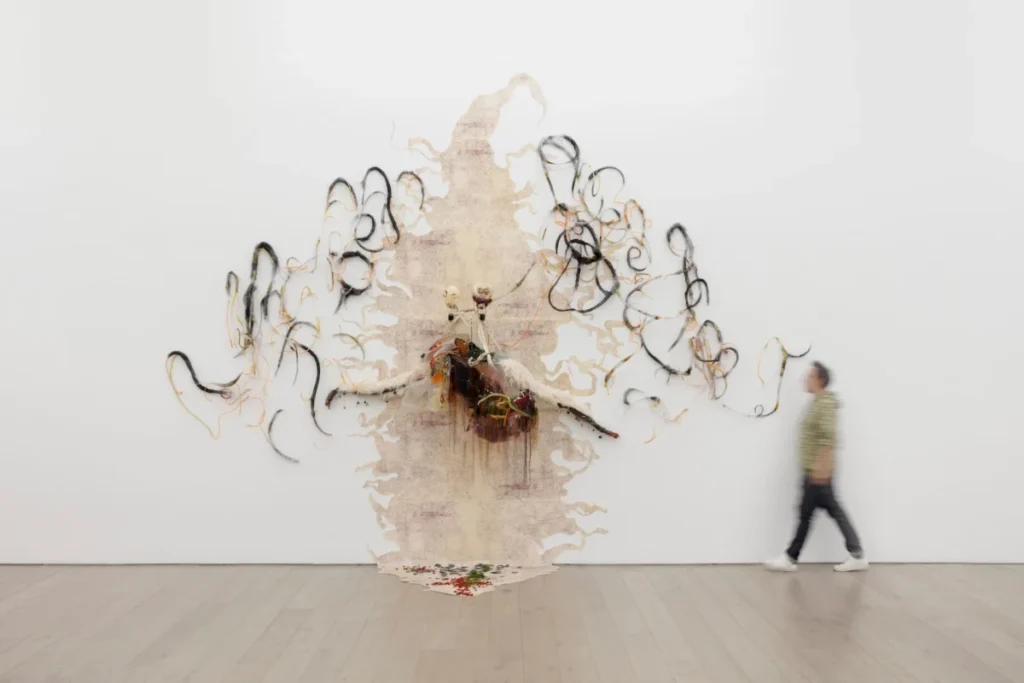
- Sculpture and Installation: The BMA’s physical space will be transformed by new acquisitions from Rina Banerjee, whose work often explores the complexities of post-colonial identity and globalization, and Ali Eyal, whose installations invite viewers to confront the fluidity of memory. The museum also acquired works by Ugandan artist Sanaa Gateja, celebrated for his intricate use of sustainable materials, and the late Reverend Joyce McDonald, whose sculptural work offers profound spiritual and social commentary.
- Ceramics and Materiality: The collection now features ceramics by Siphiwe Nala, whose work honors traditional South African pottery techniques, and Heidi Lau, whose ethereal, clay-based installations delve into themes of ancestral memory and decay.
- Photography and Works on Paper: The museum has expanded its lens through the addition of photographs by Curran Hatleberg and Oumar Ka. Furthermore, the works on paper collection has been bolstered by the inclusion of Tarsila do Amaral—a central figure in Brazilian Modernism—as well as the socially conscious graphic works of Margaret Burroughs and the enduring political art of Ben Shahn.
Institutional Strategy: A Holistic Vision for Growth
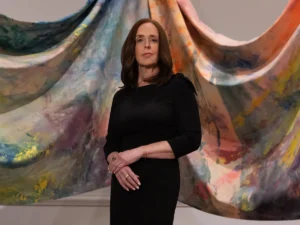
The sheer volume of these acquisitions is not an accident of circumstance but the result of a deliberate, multi-year strategic plan. According to Asma Naeem, the BMA’s Dorothy Wagner Wallis Director, the institution has been working methodically to pivot its focus toward a more equitable and representative collection.
“Over the past several years, the BMA has invested strongly in several important strategies: enhancing the scope and meaning of collection diversification; developing deep relationships with private and public collaborators who share our institutional ideals; and uplifting Baltimore’s vibrant and growing artistic community,” Naeem stated.

This strategic vision, as articulated by Naeem, serves as a roadmap for the BMA’s future. It is not merely about checking boxes; it is about “enhancing the scope and meaning” of what it means to be a museum in the 21st century. By weaving together private collaborations with a genuine commitment to local talent, the BMA is positioning itself as a leader in the movement to decolonize and democratize art history.
Implications for the Baltimore Artistic Community
One of the most significant aspects of this announcement is the BMA’s continued effort to bridge the divide between the "museum world" and the "local artist world." By prioritizing works by Baltimore-area artists, the BMA is validating the local scene, ensuring that the city’s creative output is preserved and studied alongside international masters.

This move has profound implications for the local economy and the morale of the region’s artists. When a major, globally recognized institution like the BMA acquires work from local talent, it provides those artists with institutional legitimacy, increased visibility, and a place in the permanent historical record. For Baltimore, a city with a rich but often overlooked creative history, this is an act of cultural reclamation. It signals that the city is not just a consumer of culture but a producer of world-class art.
Supporting Data and Future Outlook
The acquisition of 118 works in a single six-month window is an ambitious feat of logistical and financial coordination. The procurement process for such a diverse range of materials—from large-scale installations to delicate works on paper—requires not only significant capital but also rigorous conservation planning and storage capacity.

As the BMA integrates these works into its galleries, the public can expect to see a more interconnected narrative emerging in the exhibition halls. The interplay between the historical works—such as those by Tarsila do Amaral or Ben Shahn—and contemporary additions—such as the works of Amy Sherald or Ali Eyal—creates a dialogue that allows visitors to trace the evolution of themes like social justice, identity, and the human condition across decades.
Looking ahead, the BMA has signaled that this is part of a larger, long-term initiative. The museum’s leadership has emphasized that these acquisitions are not the endpoint but a milestone in a continuous process of evolution. As the art world shifts toward more inclusive models of representation, the BMA is ensuring that its physical holdings keep pace with the shifting values of the public it serves.

Conclusion: A Living Institution
The Baltimore Museum of Art’s announcement is more than a list of new assets; it is a declaration of intent. In an era where cultural institutions are frequently scrutinized for their relevance and their capacity to serve diverse populations, the BMA has chosen a path of proactive engagement.
By balancing the generosity of long-time supporters like Constance R. Caplan with a rigorous, mission-driven acquisition policy, the museum is securing its relevance for future generations. These 118 works are now part of the public trust—a collection that will educate, provoke, and inspire the people of Baltimore and the international visitors who flock to the museum’s doors. As these pieces begin to appear on the walls and in the archives of the BMA, they stand as a vibrant reminder that a museum’s collection is not a static tomb of history, but a living, breathing dialogue that must be constantly nurtured, expanded, and reimagined.