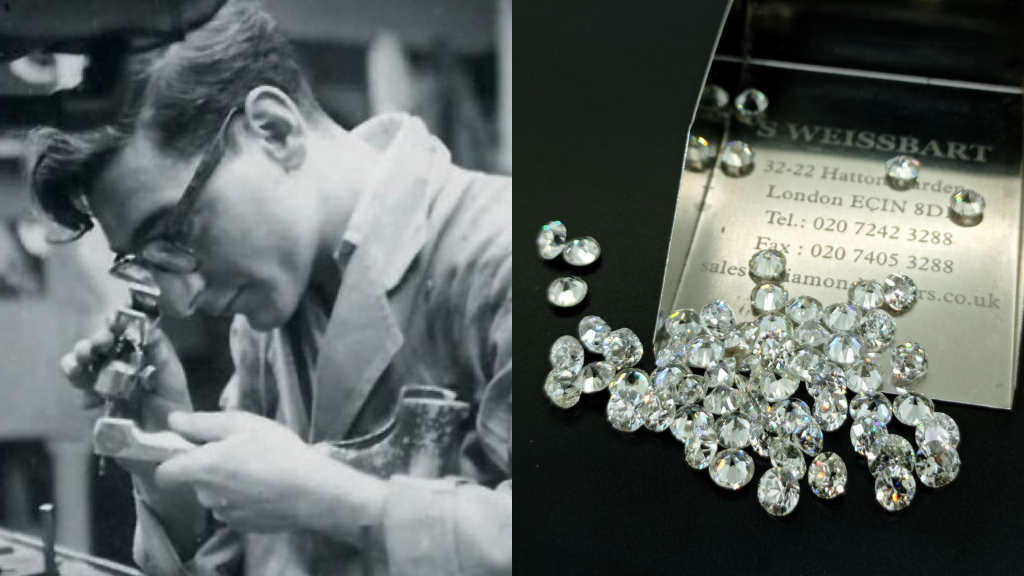
In the storied corridors of London’s Hatton Garden and the bustling workshops of Birmingham’s Jewellery Quarter, the name S Weissbart has served as a hallmark of diamond expertise for over six decades. Since its inception in 1958, the firm has navigated the shifting tides of the global gemstone market, evolving from a traditional family-run operation into a modern, ethically conscious leader. At the helm of this evolution is partner Jonathan Weissbart, a man who balances rigorous industry expertise with an approachable demeanor—and a penchant for the occasional "dad joke."
As the jewellery industry faces unprecedented pressure to prove its sustainability and transparency credentials, S Weissbart stands as a compelling case study of how a heritage brand can successfully integrate modern ethical mandates without losing the soul of a family business.
1. Main Facts: A Legacy of Integrity
S Weissbart operates as a cornerstone of the UK diamond trade. Their dual-hub strategy, maintaining offices in the historical heart of the London trade and the manufacturing epicenter of Birmingham, allows them to maintain a comprehensive view of the supply chain.
The firm’s recent decision to formalize its commitment to ethical practices by joining the Responsible Jewellery Council (RJC) marks a pivotal shift. For a company that has spent 66 years building its reputation on trust, this move is not merely a bureaucratic checkbox; it is an alignment of corporate policy with the founding values established by the late Saul Weissbart. Today, the firm balances the timeless allure of natural diamonds with a forward-thinking expansion into laboratory-grown materials, ensuring they remain relevant to the next generation of retailers and consumers.
2. Chronology: From 1958 to the Modern Era
The trajectory of S Weissbart is a reflection of the jewellery industry’s own maturation.

- 1958: S Weissbart is established, prioritizing direct, honest, and personal service—a hallmark that remains central to the firm today.
- The Decades of Growth: Through the latter half of the 20th century, the firm solidified its reputation as a trusted supplier, emphasizing the mentorship of younger jewellers and the importance of community within the trade.
- 2019–2024: The company embarks on a rigorous certification journey, successfully aligning its operations with the RJC’s Code of Practices and the stringent Laboratory Grown Material Standards.
- Present Day: The firm continues to modernize its internal culture, implementing workshops on inclusivity and active bystander training, while simultaneously expanding its product catalog to include a curated range of ready-made diamond jewellery.
3. Supporting Data: The Pillars of Responsibility
The shift toward transparency is driven by both external market pressures and internal conviction. Jonathan Weissbart notes that while the firm had been aware of the RJC for years, the catalyst for joining was twofold: a commitment to long-term ethical standards and the active encouragement of key industry partners.
The Impact of RJC Membership
- Ethical Framework: Compliance with the RJC Code of Practices serves as the foundation for the firm’s operational transparency.
- Workplace Culture: S Weissbart has transitioned from informal management to structured employee development, focusing on wellbeing, diversity, inclusion, and anti-bribery training.
- Product Diversification: The firm has strategically increased its stock of laboratory-grown diamonds, responding to empirical data suggesting a shift in consumer demand for alternative diamond sources.
4. Official Responses: Insights from Jonathan Weissbart
In a candid interview regarding the company’s future, Jonathan Weissbart discussed the philosophy that guides the firm’s daily operations.
On the Importance of Mentorship
"My father, the late Saul Weissbart, firmly believed in dedicating time to upskilling the younger generation," Jonathan explains. "He passed that practice onto my brother, David, and me. We try to take the time to sit with new jewellers who are looking to learn more. We don’t live in a vacuum; we’re committed to helping the wider community."
On Workplace Culture
The firm’s approach to internal dynamics is refreshingly human. "Dad always said that no matter your age, everyone has something they can teach others," Jonathan adds. This philosophy of "radical listening" ensures that even the most junior team member feels empowered to voice ideas. Furthermore, the company has prioritized active bystander training to ensure that both the London and Birmingham offices remain safe, inclusive spaces.
On Ethical Leadership
When asked about the industry’s future, Jonathan is clear: "I’d like to see the industry continue to raise the bar on ethical practices. It all comes down to the sharing of ideas. Where possible, companies throughout the supply chain should be considering how they can go even further than the bare minimum."

5. Implications: The Future of the Jewellery Trade
The path taken by S Weissbart offers a blueprint for other small-to-medium enterprises (SMEs) within the jewellery sector. Their transition highlights several key implications for the future of the industry:
The "Cottage Industry" Advantage
Jonathan Weissbart suggests that even smaller firms have a significant role to play in sustainability. By leveraging their influence to encourage others—and by offering mentorship to the next generation—smaller traders can shift the culture of the entire supply chain. The "cottage industry" model is not a hindrance to high standards; it is, in fact, an advantage in fostering deep, personal, and transparent relationships.
The Rise of Female Leadership
A notable shift highlighted by the firm is the increasing presence of women in leadership roles within the jewellery sector. Over the past decade, this trend has brought new perspectives to the trade, aiding in the push for more modern, inclusive business practices. S Weissbart is actively supporting this shift through its own internal policies and external partnerships.
Balancing Tradition and Innovation
Perhaps the most significant takeaway is that tradition and innovation are not mutually exclusive. While S Weissbart is investing in the cutting-edge market of laboratory-grown diamonds and modern ESG (Environmental, Social, and Governance) compliance, they remain steadfastly committed to the "natural diamond story." This duality suggests that the future of the industry will not be defined by choosing between the old and the new, but by integrating both under a unified umbrella of transparency.
Conclusion: A Legacy Built to Last
As S Weissbart looks toward the future, the firm remains a testament to the idea that a business is only as strong as its values. By blending the wisdom of the past—such as the importance of community and the joy of a good joke—with the rigors of modern ethical certification, the company has ensured its longevity in a rapidly changing world.
For the customers and suppliers who walk through the doors of their London or Birmingham offices, the experience is designed to be more than just a transaction. It is an invitation into a culture that values the person as much as the product. Whether through their new, curated collections or their continued advocacy for better industry standards, S Weissbart continues to demonstrate that at the heart of the diamond business, humanity remains the most valuable asset of all.
As Jonathan Weissbart hints, the story is far from over. With new initiatives brewing and a commitment to "raising the bar" in every facet of their operation, the firm is not merely keeping pace with the industry—it is helping to shape its future.