
In the fast-paced world of contemporary fashion, where trends often have a shelf life of mere weeks, the concept of "timelessness" is frequently invoked but rarely practiced. However, for Dagmar Kraemer, the founder of the Cologne-based brand fejn jewelry, the pursuit of enduring elegance is inextricably linked to the ethics of production. Since its inception in 2019, fejn has navigated the intersection of minimalist design and rigorous supply chain accountability, recently solidifying its commitment to these principles through its membership with the Responsible Jewellery Council (RJC).
The Genesis of a Vision: From Fashion to Fine Craft
The story of fejn jewelry is rooted in a childhood aspiration. Long before she became an entrepreneur, Kraemer harbored a singular ambition: to become a goldsmith. While her professional journey initially took a detour through the broader fashion industry, the allure of precious metals and the emotional weight of adornment remained a constant thread.
After years of immersion in the fashion and jewelry sectors, Kraemer realized that the market was missing a bridge between high-end aesthetics and accessible, responsibly sourced pieces. In 2019, she channeled her extensive industry experience into the launch of fejn. Her objective was clear: to serve the modern, conscious consumer who refuses to compromise on style or ethics. Today, the brand stands as a testament to the idea that luxury can—and should—be transparent.
Chronology: Building a Brand on Ethical Foundations
The trajectory of fejn jewelry is defined by a deliberate, steady progression toward institutional accountability.
- 2019: The official launch of fejn jewelry. Kraemer establishes the brand with a minimalist design philosophy, focusing on high-quality materials and "everlasting" designs.
- Early Operational Phase: The brand begins building a network of suppliers with a focus on traceability, long before such transparency became a mandatory consumer demand.
- Expansion Phase: fejn gains traction in the German market, eventually expanding its footprint through strategic digital growth and selective collaborations with high-profile designers.
- RJC Integration: Recognizing that private internal standards require public verification, fejn begins the rigorous process of joining the Responsible Jewellery Council.
- Present Day: fejn operates as a certified member of the RJC, viewing the council’s framework not as an end-goal, but as a roadmap for continuous improvement in sustainability and ethical governance.
The Role of the Responsible Jewellery Council (RJC)
For many small to mid-sized enterprises (SMEs), the prospect of seeking international certification can be daunting. Yet, for Kraemer, joining the RJC was an essential evolution of the brand’s identity.
"At fejn, responsibility has never been a trend—it has always been part of who we are," Kraemer explains. "Joining the Responsible Jewellery Council was a natural next step because we wanted an independent way to demonstrate that our actions truly reflect our values."
The RJC provides a framework that covers everything from human rights and labor practices to environmental impact and mining conditions. For fejn, this certification serves as a verification layer. It replaces the "promises" of marketing language with the "proof" of audited, internationally recognized standards. By adhering to these guidelines, fejn ensures that every piece of jewelry—from the initial sourcing of gold to the final polish—is handled with respect for both the planet and the people involved in the process.
Supporting Data and Industry Context
The jewelry industry is currently undergoing a massive paradigm shift. According to recent market reports, over 70% of luxury consumers now consider a brand’s sustainability credentials before making a purchase. This shift is not merely a preference; it is a fundamental change in consumer behavior.
The RJC membership provides a structured approach for brands like fejn to navigate this shift. The audit process forces an organization to scrutinize its internal processes, fostering:
- Traceability: Identifying the origin of every stone and gram of metal.
- Accountability: Establishing clear channels for internal and external complaints.
- Risk Management: Proactively identifying vulnerabilities in the supply chain.
For a smaller brand, this level of rigor is transformative. It allows a business to scale without losing its moral compass. As Kraemer notes, "Responsible business isn’t built overnight—it’s built detail by detail."
The Philosophy of "Minimalist Responsibility"
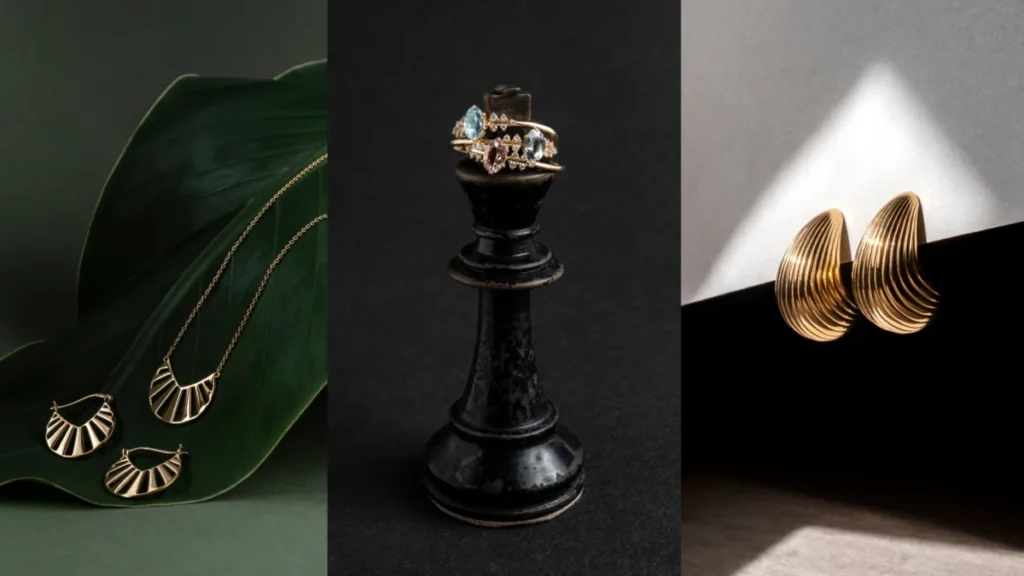
The design language of fejn is rooted in minimalism. This is not just an aesthetic choice; it is a sustainability strategy. By creating pieces that are designed to be relevant for years rather than seasons, the brand encourages a "buy less, buy better" mentality.
"Every new collection starts with the same question: Will this still feel relevant years from now?" says Kraemer. This focus on longevity prevents the cycle of fast-fashion waste, ensuring that the precious metals used in production are not treated as disposable commodities.

Furthermore, the brand’s recent collaborations—including a notable capsule collection with a prominent German designer—demonstrate that sustainability does not limit creative expression. Instead, it acts as a creative constraint, pushing the brand to innovate within its own ethical boundaries.
Official Response: Why Transparency Matters
When asked about the future of the industry, Kraemer is optimistic but firm. She believes that the era of "greenwashing" is rapidly coming to an end.
"I believe responsibility will become an essential part of every jewellery brand—not something that sets you apart, but something customers rightfully expect," she asserts.
This sentiment is echoed by the broader industry, where consumers are asking more informed questions about supply chains. They want to know if their gold is recycled or conflict-free, and they want to know the conditions under which their jewelry was crafted. For fejn, the answer to these questions is the core of their customer relationship. Trust, in this view, is the ultimate luxury.
The Emotional Value of Jewelry
Beyond the data, the audits, and the supply chain, Kraemer remains deeply connected to the human side of the industry. Jewelry is perhaps the most personal of all retail categories; it is rarely purchased for utility. It is an artifact of memory—a symbol of a milestone, a token of affection, or an emblem of identity.
"Jewellery is incredibly emotional," Kraemer reflects. "People wear it to celebrate milestones, remember loved ones or simply express who they are. Knowing that a piece we designed may become part of someone’s personal story is something very special."
This emotional resonance is precisely why she believes the industry must be held to a higher standard. If a piece of jewelry is meant to last a lifetime, the practices used to create it should be worthy of that legacy. Working with durable, precious materials acts as a constant reminder of the stewardship required of the manufacturer.
Implications for the Future
The journey of fejn jewelry under the guidance of the RJC framework suggests a new model for small businesses in the luxury sector. The implications are clear:
- Standardization of Ethics: Small brands no longer have an excuse to avoid ethical audits. The infrastructure exists for even the smallest players to implement enterprise-level transparency.
- The Shift Toward "Beautiful Responsibility": The definition of "luxury" is expanding. It is no longer just about the brilliance of a diamond or the luster of gold; it is about the "cleanliness" of the path those materials took to get to the wearer.
- Long-term Value over Short-term Gain: By focusing on timeless design and sustainable production, brands can build a more loyal customer base that values substance over hype.
As fejn jewelry looks toward the future, the team is currently working on several undisclosed projects that promise to push the boundaries of their current minimalist design philosophy. While the details remain under wraps, the ethos remains consistent: the goal is to create jewelry that feels modern today and stays meaningful for decades to come.
Conclusion: A Blueprint for the Industry
Dagmar Kraemer’s journey from a young girl dreaming of the goldsmith’s bench to the founder of a responsible, modern jewelry house serves as an inspiration for the broader industry. By marrying a clear, minimalist aesthetic with the rigorous, transparent standards of the Responsible Jewellery Council, fejn has demonstrated that ethics and aesthetics are not mutually exclusive.
In an era where consumers are increasingly vigilant about the impact of their purchases, fejn jewelry is not just selling adornments; they are selling peace of mind. As the industry continues to evolve, the brand’s commitment to "beautiful responsibility" serves as a benchmark for what is possible when a company refuses to compromise on its values. For fejn, the work is never truly finished—it is a perpetual process of learning, auditing, and refining, ensuring that every piece of jewelry remains a story worth telling.