

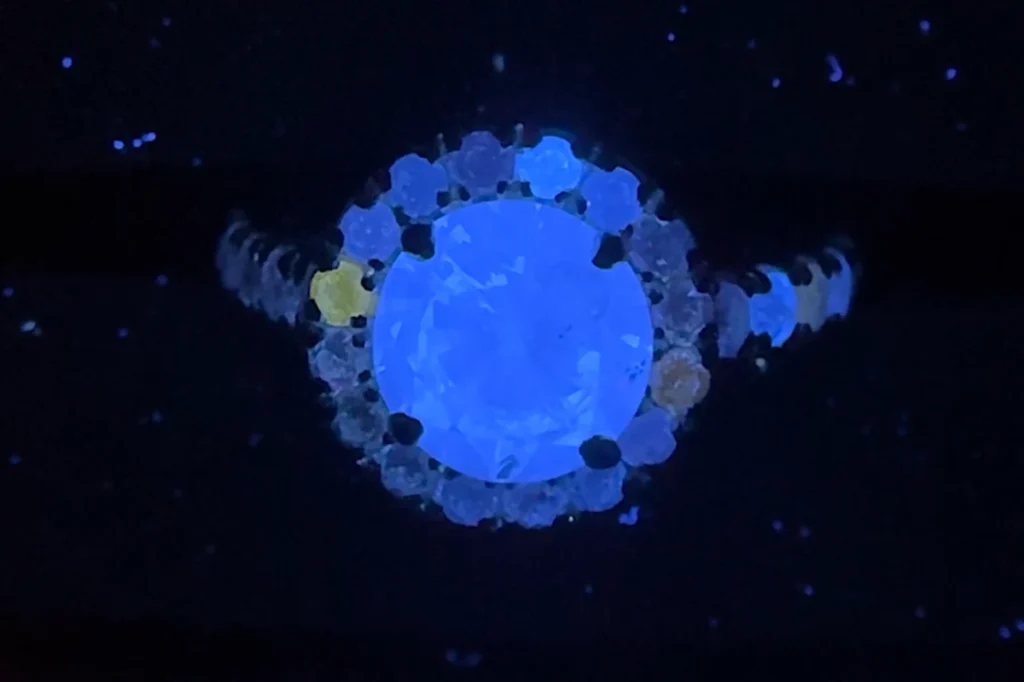
Diamonds, prized for millennia for their unparalleled brilliance and durability, hold a fascinating secret that comes to light under ultraviolet (UV) illumination: fluorescence. While this phenomenon has captivated observers for centuries, its scientific underpinnings and practical implications for gemmologists and collectors are often shrouded in mystery. Pat Daly FGA DGA, a leading expert in the field, illuminates this captivating aspect of diamondology, delving into the causes, classifications, and diagnostic significance of diamond fluorescence.
For over 2,000 years, diamonds have been the cornerstone of the jewellery trade, their allure transcending cultures and epochs. It wasn’t until the late 18th century that their fundamental composition – primarily carbon – was scientifically established. The ensuing centuries have witnessed a profound deepening of our understanding of diamond’s intricate structure and chemistry. This pursuit of knowledge has been driven not only by scientific curiosity but also by the increasing industrial importance of diamond, prompting rigorous study to unravel its unique properties and their relationship to its atomic arrangement.
The Microscopic World Within: Understanding Defects in Diamond
At the heart of diamond’s luminescence lies the concept of "defects." In an idealized, "notionally perfect" diamond, the structure would be a flawless lattice of carbon atoms, each bonded to four neighbours in a precise three-dimensional arrangement. However, in reality, virtually all natural diamonds exhibit departures from this perfect structure. These deviations, termed defects, are crucial to gemology. They encompass both the presence of foreign chemical impurities and vacancies, where a carbon atom is missing from the lattice.
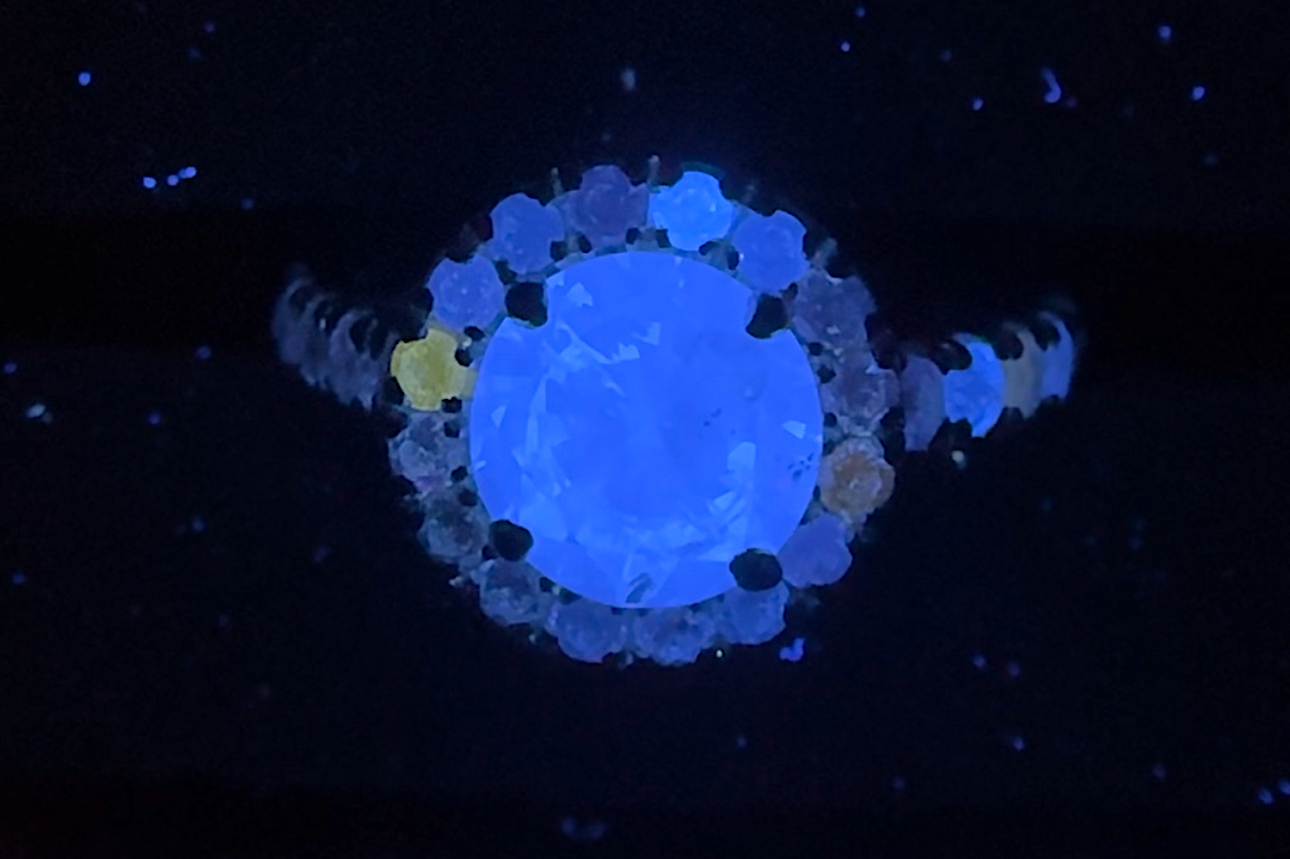
These microscopic imperfections are not merely structural anomalies; they profoundly influence a diamond’s most captivating characteristics. Defects are directly responsible for the color of many diamonds and, critically, for their luminescent responses when exposed to UV light. This luminescent behavior is an invaluable tool for gemologists, offering vital clues in the identification of natural, treated, and synthetic stones.
A Tale of Two Types: Classifying Diamonds by Impurity
The scientific classification of diamonds is largely based on the quantity and distribution of two key impurities: nitrogen and boron. This system divides diamonds into two primary categories: Type I and Type II.
Type I diamonds are characterized by the presence of significant amounts of nitrogen, typically in the hundreds of parts per million (ppm). Within Type I, further subdivisions exist based on the aggregation state of these nitrogen atoms.
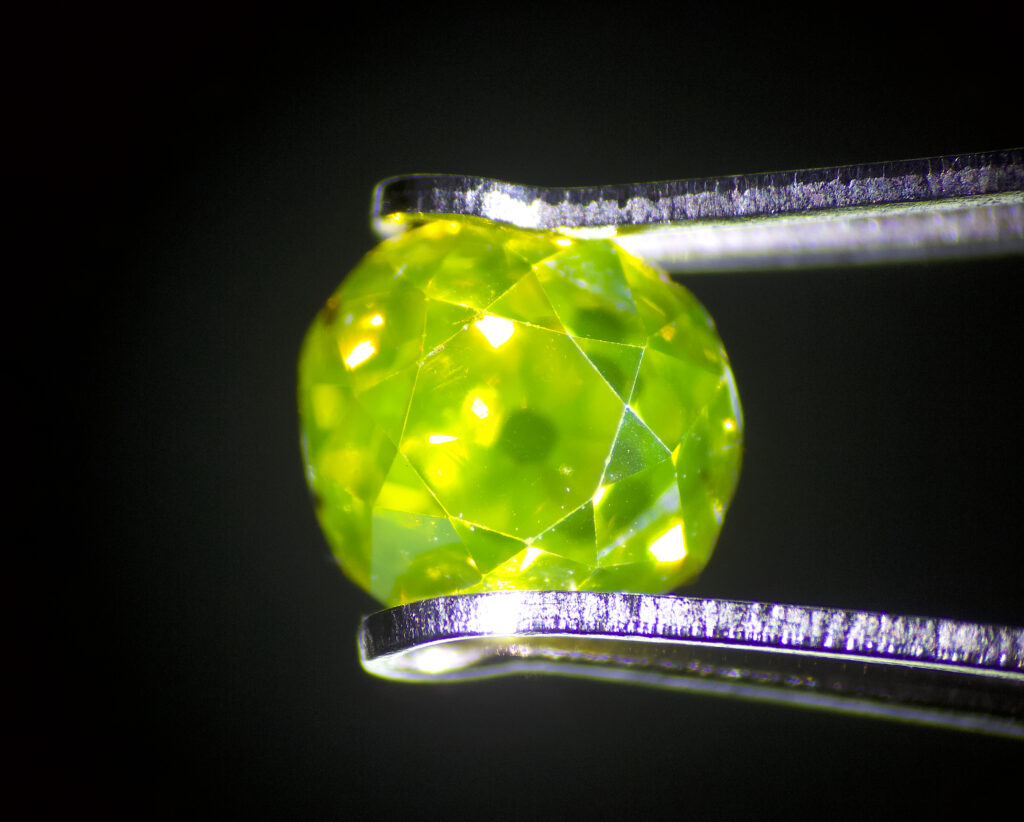
- Type Ia diamonds, the most common, contain nitrogen atoms that have aggregated over millions of years in the Earth’s mantle. Initially dispersed as individual ions, these nitrogen atoms tend to pair up, and later form groups of four surrounding a vacancy. While single nitrogen atoms can impart a bright yellow hue, they produce minimal luminescence. Conversely, the larger nitrogen aggregates have no discernible effect on luminescence, and pairs of nitrogen atoms actually quench it. Neither of these aggregated forms directly impacts the diamond’s color.
Type II diamonds, in stark contrast, contain minimal nitrogen, generally less than 10 ppm. This category is further divided:
- Type IIa diamonds have extremely low levels of nitrogen. They typically do not exhibit fluorescence under the standard UV equipment used by most gemologists. However, some naturally colored pink diamonds of this type can exhibit an orange glow under long-wave UV. This response, along with their color, is attributed to a rare defect involving a nitrogen ion associated with a vacancy. This specific defect is uncommon in natural stones, appearing in less than one percent of pink diamonds, but is more prevalent in artificially colored and synthetic pink diamonds.
- Type IIb diamonds contain boron, a key element responsible for the color and luminescence of most blue diamonds. These diamonds show little to no fluorescence under long-wave UV. However, under short-wave UV, they can exhibit a range of fluorescence colors, including bluish, greenish, and orange to red. Phosphorescence, a glow that persists after the UV source is removed, is common in Type IIb diamonds, particularly after short-wave exposure, and can last for a minute or more. Bluish and greenish hues are the most frequent, but red phosphorescence is also well-documented. Intriguingly, most natural blue diamonds phosphoresce red, although this effect can be masked by the dominant blue-green glow. The balance between these luminescent emissions and their fading rates has been proposed as a method for identifying individual stones, aiding in the recognition of recut diamonds originating from the same rough or stolen sources.
The Dance of Light: Blue Fluorescence in Long-Wave Ultraviolet
A striking phenomenon observed in approximately 98% of natural diamonds is their blue fluorescence when exposed to long-wave ultraviolet (LWUV) light. This characteristic is often attributed to the presence of nitrogen aggregates, specifically groups of three nitrogen atoms surrounding a vacancy. These aggregates can also contribute to a yellowish body color and, interestingly, yellow phosphorescence after UV exposure.
The intensity of the luminescent response is a delicate balance, influenced by the concentration of these nitrogen aggregates, counteracted by the presence of nitrogen pairs which quench luminescence. It’s estimated that between one-third and all natural diamonds of this type will exhibit fluorescence, depending on factors such as the specific UV wavelength used, viewing conditions, and the observing instrument. Crucially, when a diamond exhibits this blue fluorescence under LWUV, it is considered strong evidence of its natural origin.
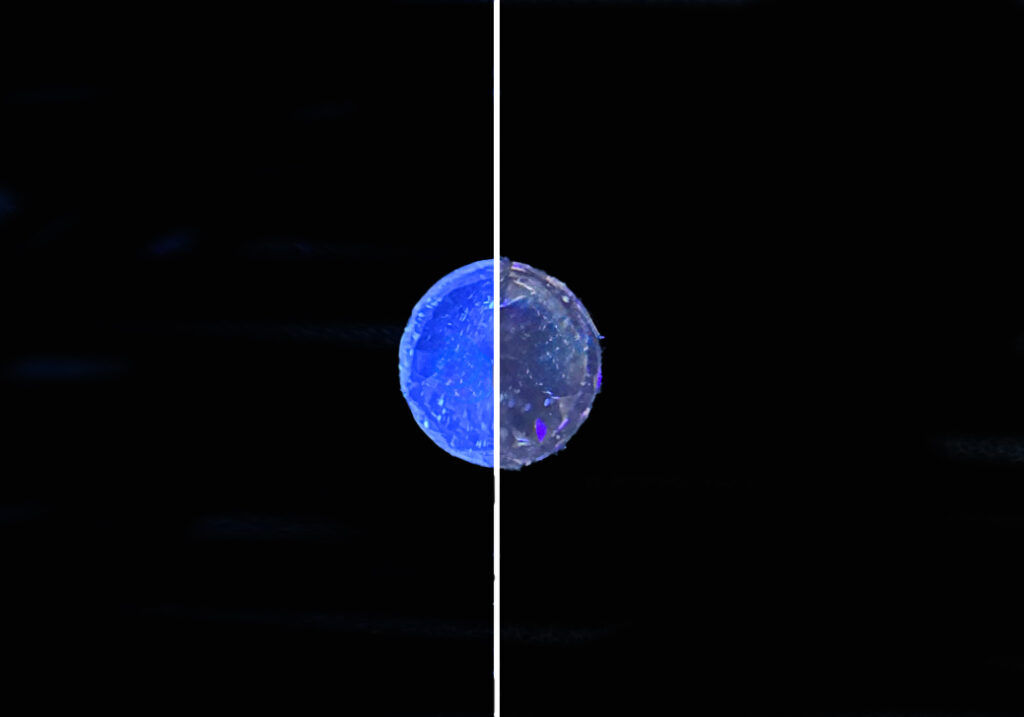
This blue fluorescence can sometimes be so pronounced that it is noticeable even in the ultraviolet component of natural daylight. The strength of this fluorescence is a characteristic often noted on diamond grading reports. While some individuals perceive strong fluorescence as having a detrimental effect on a diamond’s appearance, this is a subjective opinion and not universally held.
A Spectrum of Glow: Fluorescence Colors in Diamond
Beyond the prevalent blue, diamonds can exhibit a fascinating spectrum of fluorescence colors, each linked to specific defect formations:
- Green Fluorescence: This occurs when two nitrogen ions combine with a vacancy, or when four nitrogen ions combine with two vacancies.
- Orange Fluorescence: A single nitrogen ion coupled with a vacancy is responsible for this warm glow.
- Yellow Fluorescence: This hue is thought to arise from platelets – planar structures within the diamond composed primarily of carbon atoms, with a small admixture of nitrogen.
- Pink Diamonds and Fluorescence: The captivating color of pink diamonds is often attributed to dislocations, which are faults or distortions within the crystal lattice. These dislocations can interact with nitrogen atoms. Most natural pink diamonds fall into the Type I category and typically display blue or yellow fluorescence.
The Illuminating Role of Technology: Luminescence in Synthetic Diamonds
The luminescent properties of diamonds, particularly their responses to UV light, have become an indispensable tool for gemologists in distinguishing between natural and synthetic stones. Treated and synthetic diamonds often exhibit luminescence patterns that are easily identifiable.
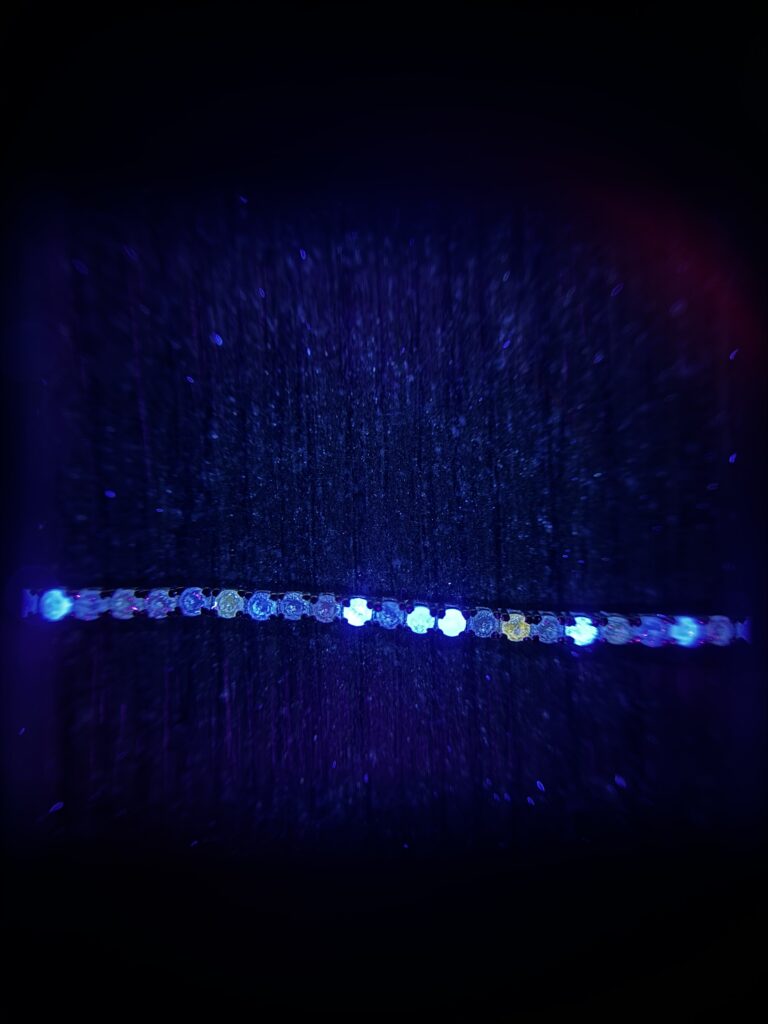
- Treated Pink Diamonds: These, including synthetic pink diamonds, frequently glow orange under UV light – a response that is relatively rare in natural pink diamonds.
- High-Pressure, High-Temperature (HPHT) Treated Stones: Diamonds treated using HPHT methods, which often involve nitrogen, can develop bright yellow and green body colors and exhibit strong fluorescence in similar hues.
A key differentiator is the behavior of synthetic diamonds under UV light:
- Blue Fluorescence in Synthetic Diamonds: Blue fluorescence under LWUV is generally uncommon in synthetic diamonds. Instead, many synthetic stones fluoresce with an orange to yellow or greenish glow, which tends to be more intense under short-wave UV (SWUV) than LWUV.
- Boron in HPHT Synthetics: Many smaller melee diamonds produced via HPHT methods contain boron and exhibit prolonged phosphorescence, sometimes even stimulated by daylight. While irradiation can diminish this effect, it adds to the cost and may not always be applied.
The development of sophisticated instruments has revolutionized the ability to identify diamonds based on their luminescent properties. Devices like De Beers’ Diamond View and SYNTHdetect utilize the distinct responses of natural and synthetic diamonds to UV light. These instruments are designed to test multi-stone jewelry, analyzing colors and subtle changes in luminescence over short periods to differentiate between natural and synthetic stones.
Short-Wave Ultraviolet: A Revealing Spectrum
All diamonds exhibit fluorescence when exposed to very short-wave ultraviolet radiation, typically around 225nm (though gemological short-wave lamps usually operate closer to 250nm). The colors emitted by natural and synthetic stones under this spectrum are often markedly different. This distinction arises because defects accumulate at varying rates on different faces of a growing diamond crystal, leading to distinct luminescent patterns on those faces. Even after polishing, these patterns can reveal the original growth morphology. Natural diamonds almost invariably grow as octahedra, while HPHT synthetics often display prominent cube faces. CVD-grown synthetics, on the other hand, tend to form in layers parallel to a specific pair of cube faces.
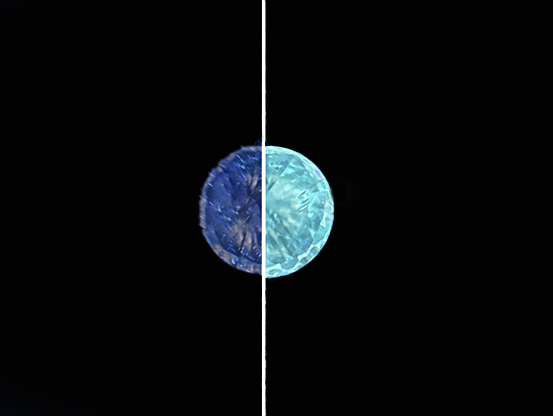
The SYNTHdetect instrument, for instance, leverages this short-wave UV radiation. By analyzing the colors and temporal luminescence characteristics, it effectively separates natural from synthetic diamonds.
The Enduring Allure of Luminescence
In conclusion, the luminescence of diamonds is not merely a captivating visual spectacle; it is a fundamental property deeply intertwined with their atomic structure and the presence of microscopic defects. This phenomenon provides gemologists with an invaluable diagnostic tool, aiding in the complex and critical task of distinguishing between natural, treated, and synthetic diamonds. As technology advances, our ability to harness and interpret these luminescent secrets continues to grow, further enriching our appreciation for these extraordinary gemstones.
Featured image: A fluorescent diamond ring, photographed by Gabriel Kleinberg.
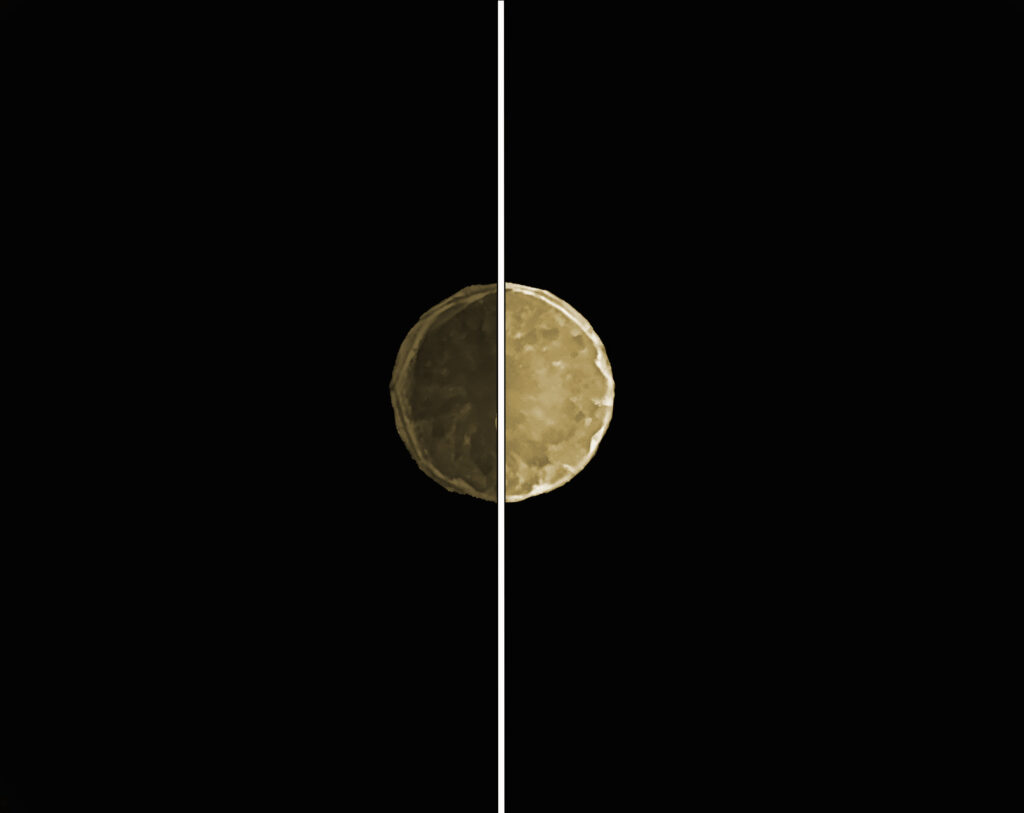
If you’re interested in delving deeper into the fascinating world of gemology, consider exploring Gem Intro, our introductory online course, or our accredited programs at Gem-A.



