For centuries, spinel has graced the crowns of royalty and adorned the finest jewellery, often under a guise of mistaken identity. Once consistently confused with its more famous cousin, corundum (ruby and sapphire), spinel is now stepping out of the shadows to claim its rightful place as a gemstone of exceptional beauty, durability, and intrinsic value. This deep dive, guided by Gem-A tutor Pat Daly, illuminates the fascinating world of spinel, from its intricate geological origins to its vibrant spectrum of colours and unique properties.
The Underrated Jewel: Unveiling the Essence of Spinel
For those new to the intricate world of gemmology, the name "spinel" might not immediately conjure a vivid image. Yet, this remarkable mineral has a rich and often misunderstood history. Its historical confusion with corundum, particularly in its striking red hues, has added layers of mystery and intrigue for gemmologists. For centuries, magnificent red gems that adorned royal regalia, and were proudly identified as rubies, were in fact spinels. This historical misidentification, while now corrected through scientific advancement, speaks volumes about spinel’s inherent beauty and its ability to rival the most prized gemstones.
Today, however, spinel is no longer an overlooked entity. It has firmly established itself as a significant and sought-after stone in the realm of fine and high jewellery. Its dazzling brilliance, impressive durability, and a captivating array of colours warrant its own spotlight, allowing gem enthusiasts and collectors to appreciate its unique charm.
The Geological Tapestry: Unraveling Spinel’s Composition and Formation
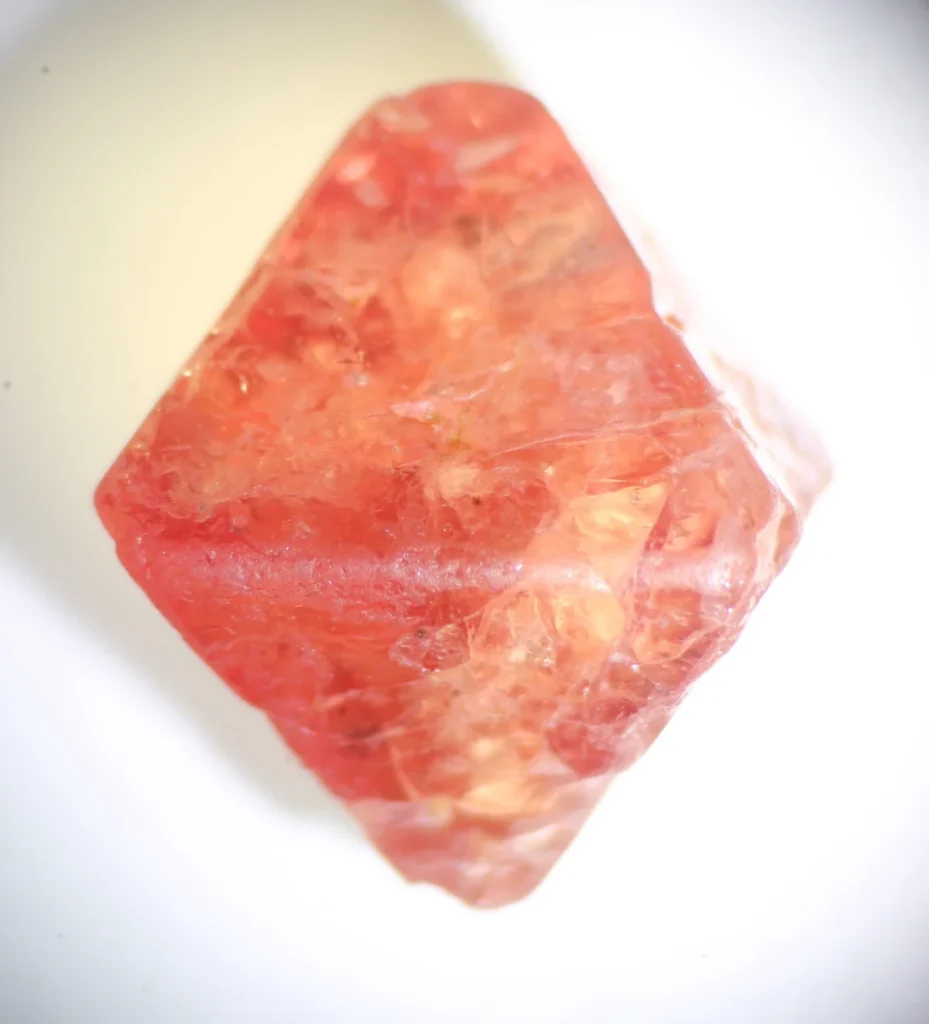
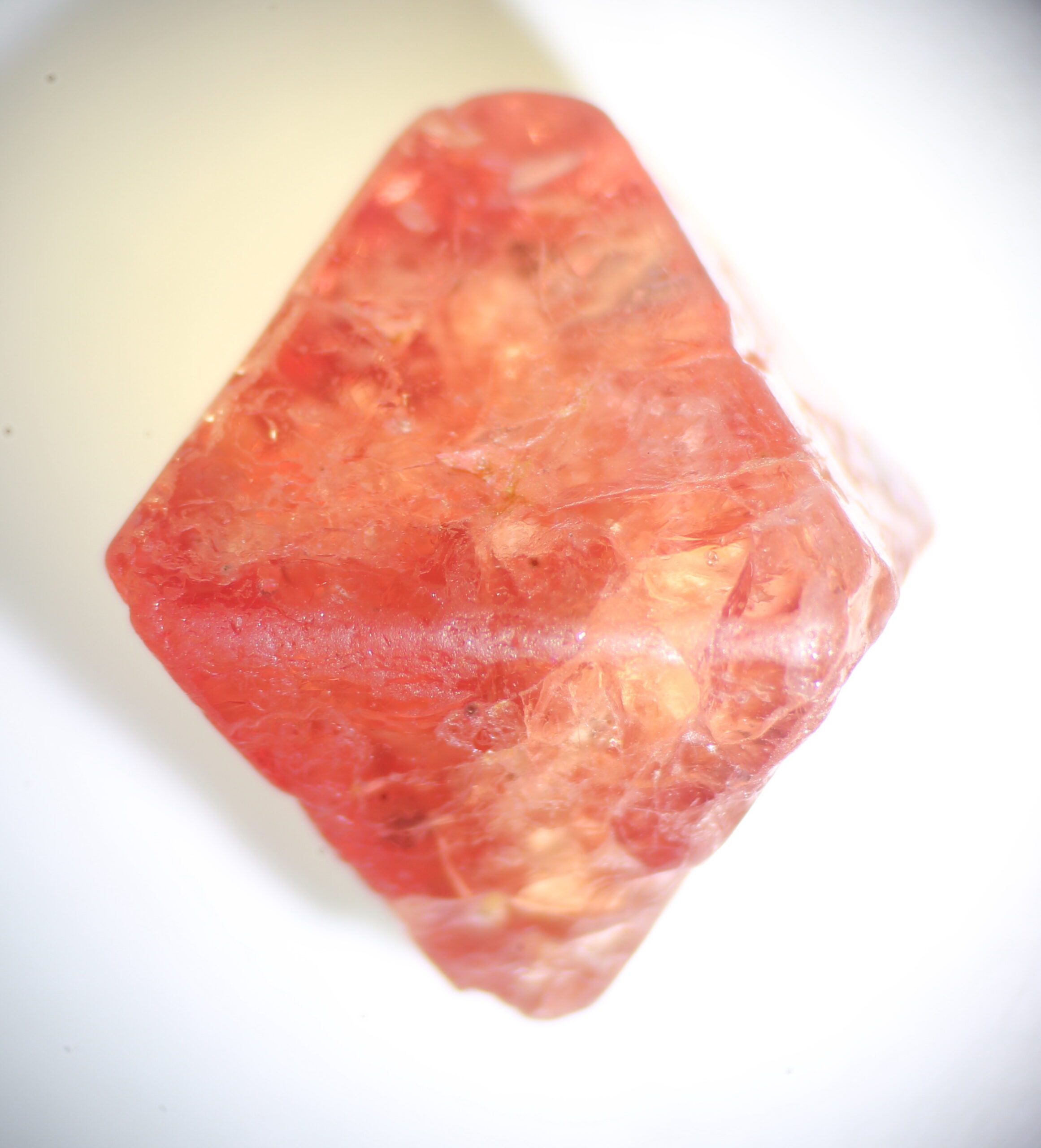
At its core, spinel belongs to a group of minerals that share fundamental similarities in their chemical makeup and crystal structure. These are oxides of magnesium, aluminium, iron, chromium, zinc, and titanium, all crystallizing within the cubic system. This crystalline structure contributes to spinel’s inherent strength and its characteristic octahedral crystal habit.
The vast majority of gem-quality spinel is primarily composed of magnesium, aluminium, and oxygen. The breathtaking array of colours that spinel exhibits is largely attributed to trace amounts of other elements. Chromium, iron, and cobalt play crucial roles in imparting these vibrant hues. For instance, chromium is responsible for the coveted red and pink shades, while iron and cobalt contribute to the captivating blues.
A rarer variant, gahnite, is a zinc aluminium oxide. While typically not of gem quality, it can be found in green, yellow, brown, and black tones, often appealing to collectors of unusual mineral specimens.
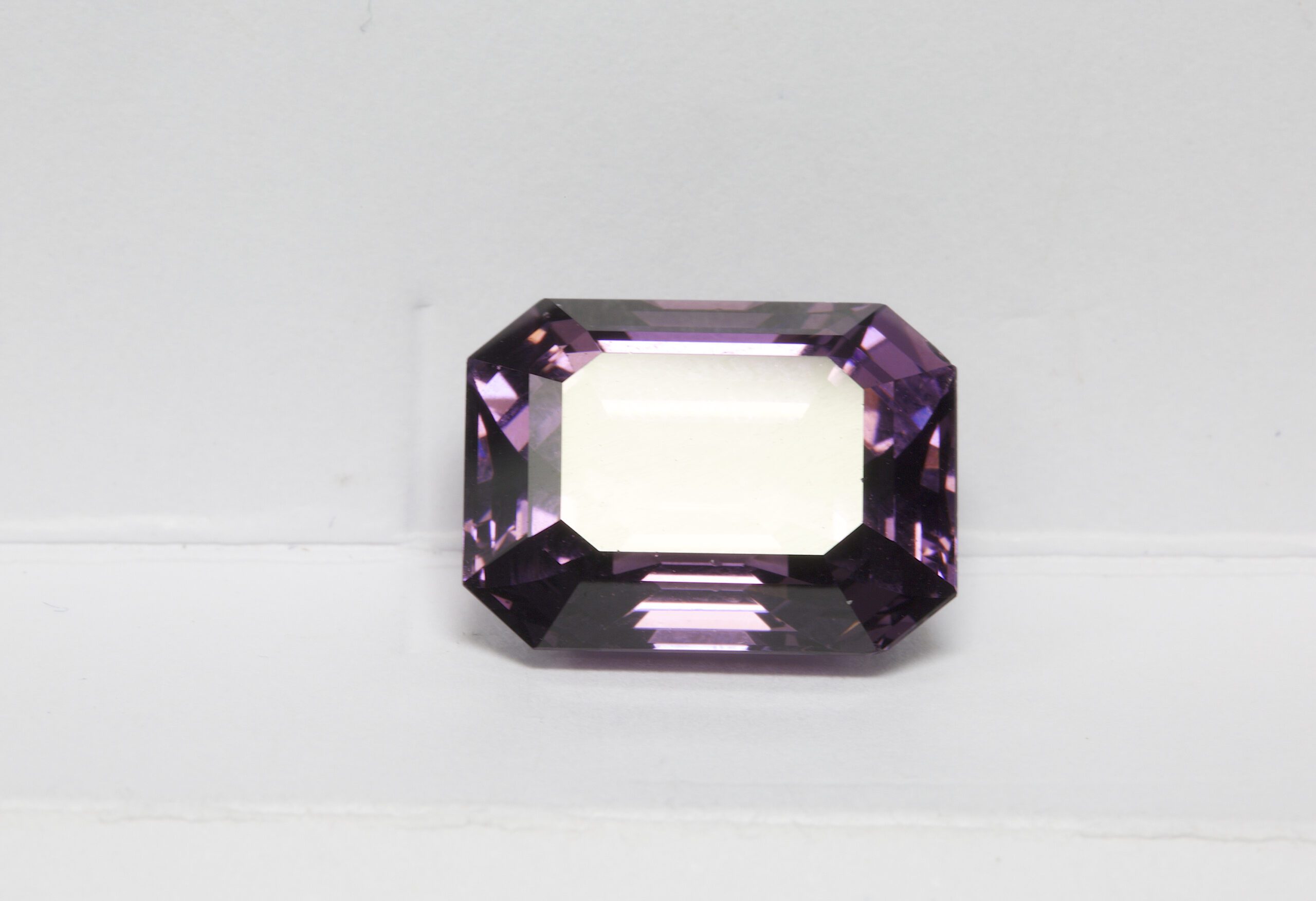
Spinel crystals naturally form as octahedra, though sometimes minor faces can modify these edges. Twinning is a common phenomenon in spinel, often resulting in the formation of diamond-shaped macles. In some instances, multiple twinning events can lead to the creation of six-pointed star-shaped twins, a rare and beautiful occurrence. These twin planes can sometimes be observed within faceted spinels, offering a glimpse into the mineral’s intricate formation process.
Properties That Define Excellence: Spinel’s Enduring Appeal
Spinel stands out as a gemstone of remarkable durability and resilience. With a hardness of eight on the Mohs scale, it is exceptionally resistant to scratching and abrasion. Crucially, the absence of cleavage planes in spinel significantly enhances its toughness, making it less prone to chipping or breaking compared to some other gemstones. This inherent toughness, coupled with its resistance to strong chemicals like acids, ensures that spinel jewellery can withstand the rigours of daily wear, maintaining its pristine beauty for generations. Furthermore, the colours of spinel are remarkably stable and do not fade over time, a testament to its robust chemical composition.
Optically, spinel is isotropic, meaning light travels through it at a single speed, resulting in a single refractive index (RI). This RI typically hovers around 1.717. However, in chromium-rich red spinels and blue spinels containing some zinc (known as gahnospinals), the RI can increase to approximately 1.740. These optical properties are vital for gemmologists, as they provide a key distinction between spinel and corundum, the species with which it is most frequently confused due to similar appearance and occurrence. The distinct spectral signatures of red and blue spinels also play a crucial role in their identification and in differentiating natural stones from their synthetic counterparts.
The Earth’s Treasure Trove: Unearthing Spinel’s Global Origins
The primary source of gem-quality spinel is found within marbles that have undergone high-temperature metamorphism. These geological conditions often arise during continental collision events, leading to the formation of spinel in regions such as East Africa, Sri Lanka, and the Himalayan belt, including areas in Burma and Vietnam.
The genesis of these marbles is rooted in ancient limestone deposits, essentially composed of calcium carbonate. During the geological processes that transform limestone into marble, magnesium frequently replaces some of the calcium. Simultaneously, clay minerals present in the original sediments provide the essential aluminium. The presence of both magnesium and aluminium is a prerequisite for spinel to form. It is theorized that all the necessary elemental components were present within the rocks before they were subjected to the intense heat and pressure of metamorphism.
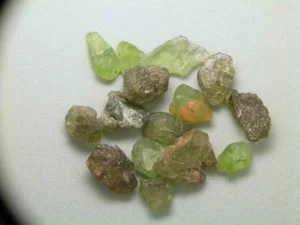
Consequently, spinels are often found in association with other magnesium and aluminium-rich minerals, including olivine (which, when of gem quality, is known as peridot), diopside, and corundum. Gemstones are then extracted directly from these metamorphosed marbles or recovered from alluvial deposits, which are formed by the weathering and erosion of their parent rocks.
Nature’s Intricacies: The Fascinating World of Spinel Inclusions
Inclusions within gemstones are not merely imperfections; they are microscopic windows into the gemstone’s formation history. In spinel, these inclusions often consist of minerals that were prevalent in the geological environment where the spinel crystal grew. Common inclusions include olivine, apatite crystals (which can be hexagonal or rounded), graphite, and dolomite.
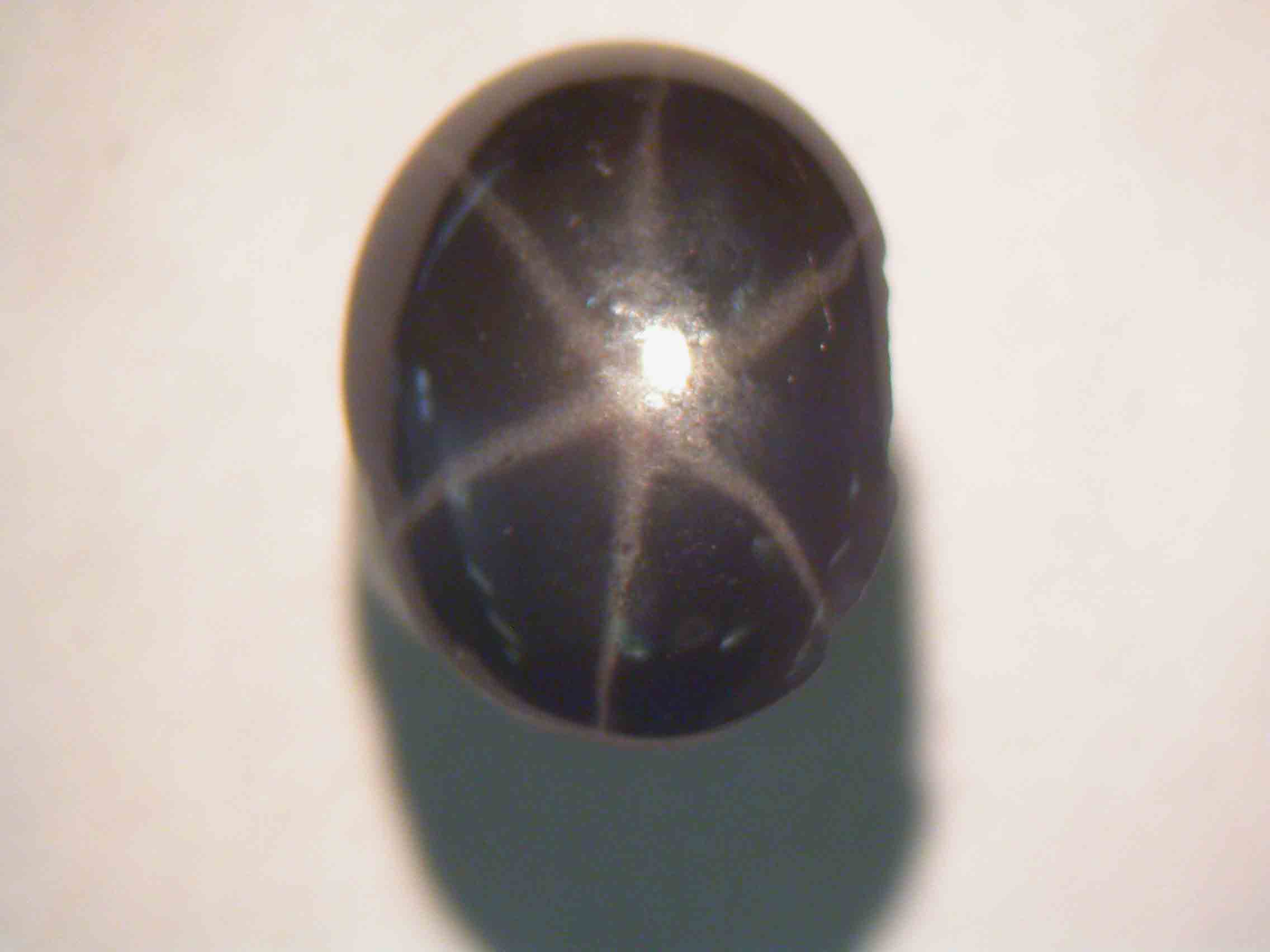
Needle-like or platy crystals, such as rutile, can occasionally be present in spinel, giving rise to phenomena like four- or six-rayed asterism (the star effect) or, more rarely, chatoyancy (the cat’s eye effect). Another intriguing type of inclusion is the "zircon halo," characterized by crystals, often zircon, surrounded by short, radiating fractures. In spinel, these central crystals are typically uraninite (uranium oxide).
While some crystal inclusions in spinel can bear a resemblance to those found in corundum, feathers – the delicate, often wispy inclusions commonly seen in corundum – are relatively uncommon in spinel. Feathers in gemstones are generally believed to originate as fractures that are partially healed before the crystal’s growth is complete.
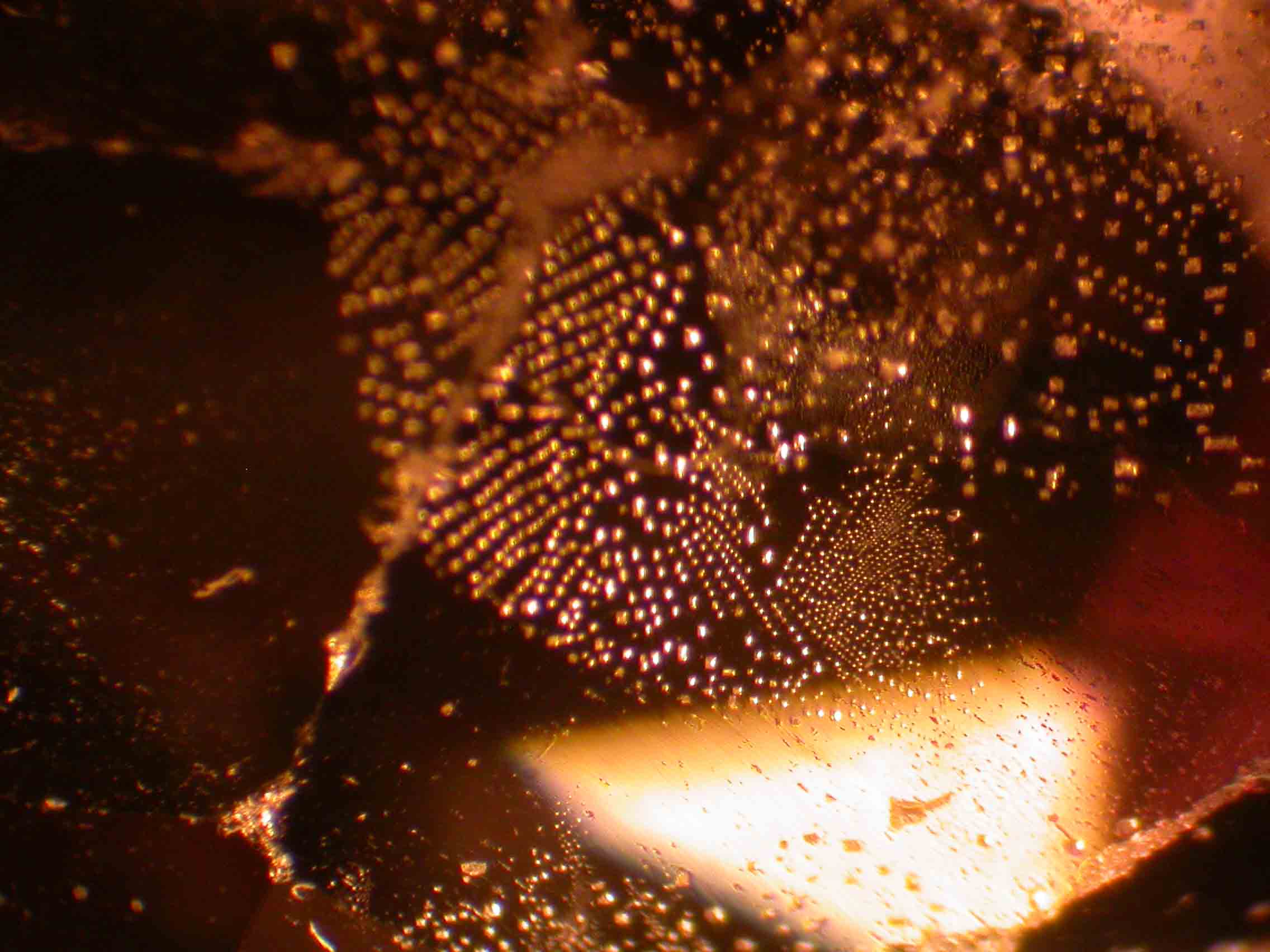
In spinel, inclusions that appear feather-like often present a unique structure: they are composed of lines of numerous octahedral inclusions, creating an overall neat and orderly appearance. These distinctive inclusion patterns can be invaluable in distinguishing spinel from other gem species.
A Spectrum of Splendor: Exploring Spinel’s Captivating Colors
Spinel boasts an impressive range of hues, with some of its colours rivaling the most coveted shades of corundum, particularly in its vibrant reds, pinks, and blues.
The Allure of Reds and Pinks: Like pink sapphires and rubies, red and pink spinels derive their colour from chromium. The most desirable shades are those with the least modification by iron. Exceptionally bright red spinels are sometimes referred to as "Jedi spinels" due to their rarity and intense colour, as many other red spinels tend to be slightly darker. Chromium also imparts fluorescence to spinel. Most red and pink spinels exhibit a bright red glow under long-wave ultraviolet light. This fluorescence, amplified by daylight’s ultraviolet component, can supercharge the stone’s body colour by adding emitted red light, a phenomenon shared with some rubies.
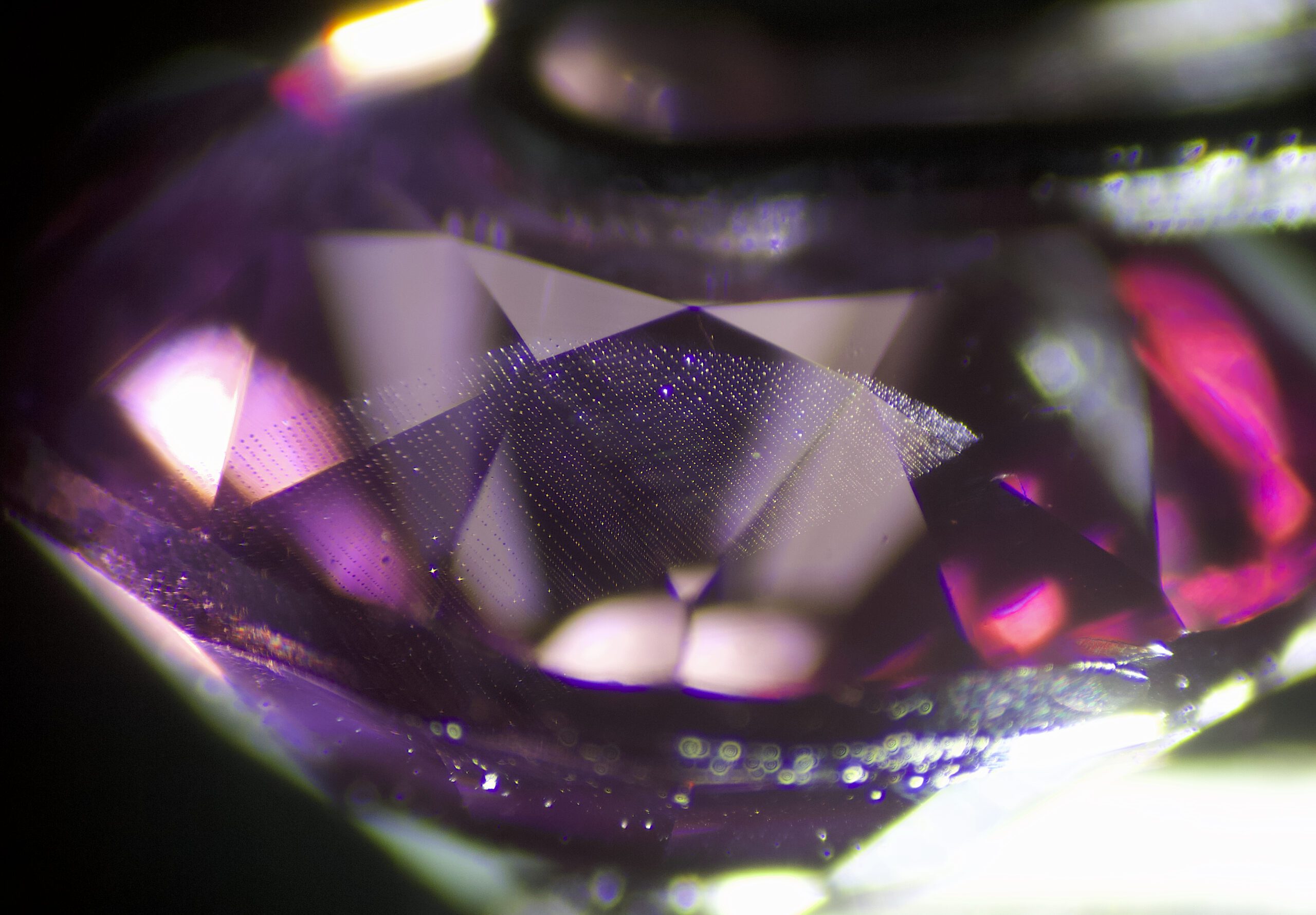
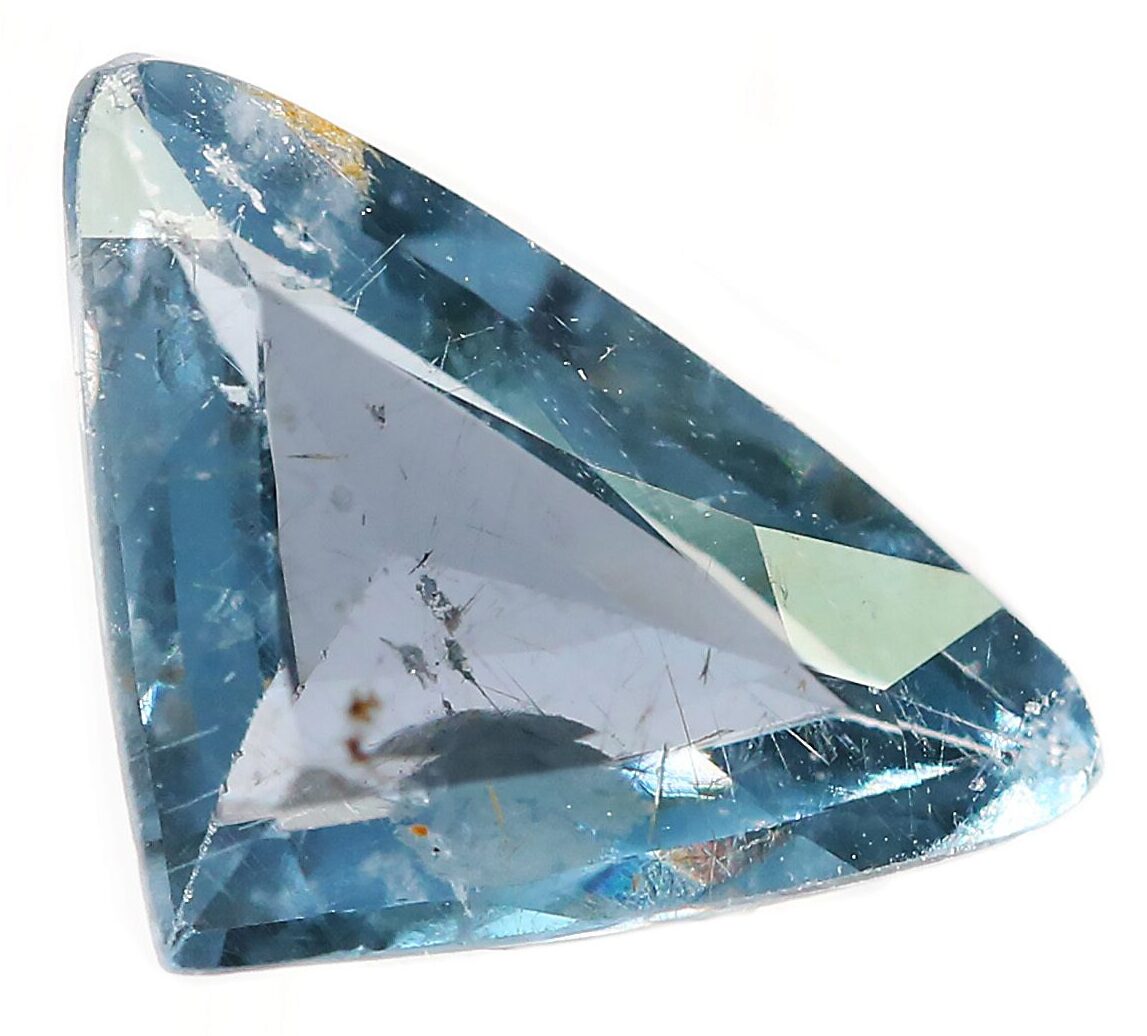
The Depth of Blues: Blue spinels are primarily coloured by iron and cobalt. Historically, many blue spinels mined were dominated by iron, resulting in rather subdued colours that attracted less interest from the jewellery trade. However, in recent decades, the discovery of new sources has yielded spinels coloured predominantly by cobalt. These stones exhibit intense, bright blue colours that stand favorably against high-quality sapphires, making them highly desirable.
Beyond Red and Blue: Combinations of red and blue can create a spectrum of enchanting violet, lavender, and purple hues. Orange and yellow spinels are less common, while white spinels are rare and highly collectable, though infrequently seen in jewellery. Grey spinels, often displaying subtle blue or purplish undertones, have garnered significant interest in the gem trade in recent years. Black spinel is readily available and offers a dramatic and sophisticated aesthetic.
The Legacy of Confusion: Spinel’s Enduring Comparison with Corundum
The high refractive index of well-cut spinels, which contributes to their exceptional brilliance, coupled with their vibrant colours, has inevitably led to comparisons with corundum. In centuries past, red spinels were frequently mistaken for rubies or considered a variant thereof. Several historically famous "rubies," such as the Black Prince’s Ruby, a magnificent gem adorning the Imperial State Crown, are, in fact, unusually large red spinels.
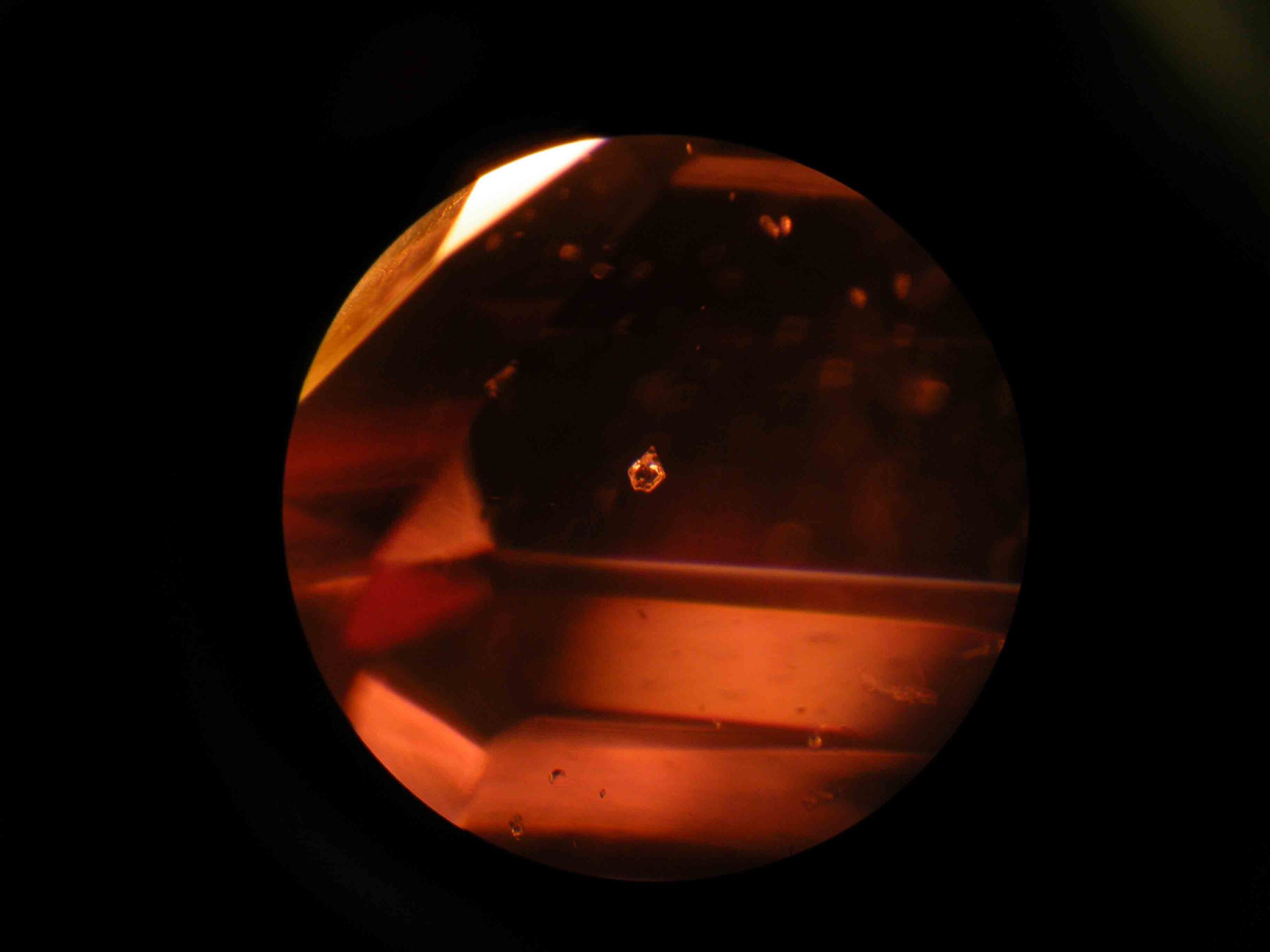
This historical confusion, while now scientifically resolved, has unfortunately led some to view spinel merely as a substitute for corundum, rather than as a magnificent gemstone in its own right. However, as gemmological understanding has advanced, spinel’s unique beauty, durability, and diverse colour palette are increasingly recognized and celebrated.
The Art of Enhancement: Understanding Spinel Treatments
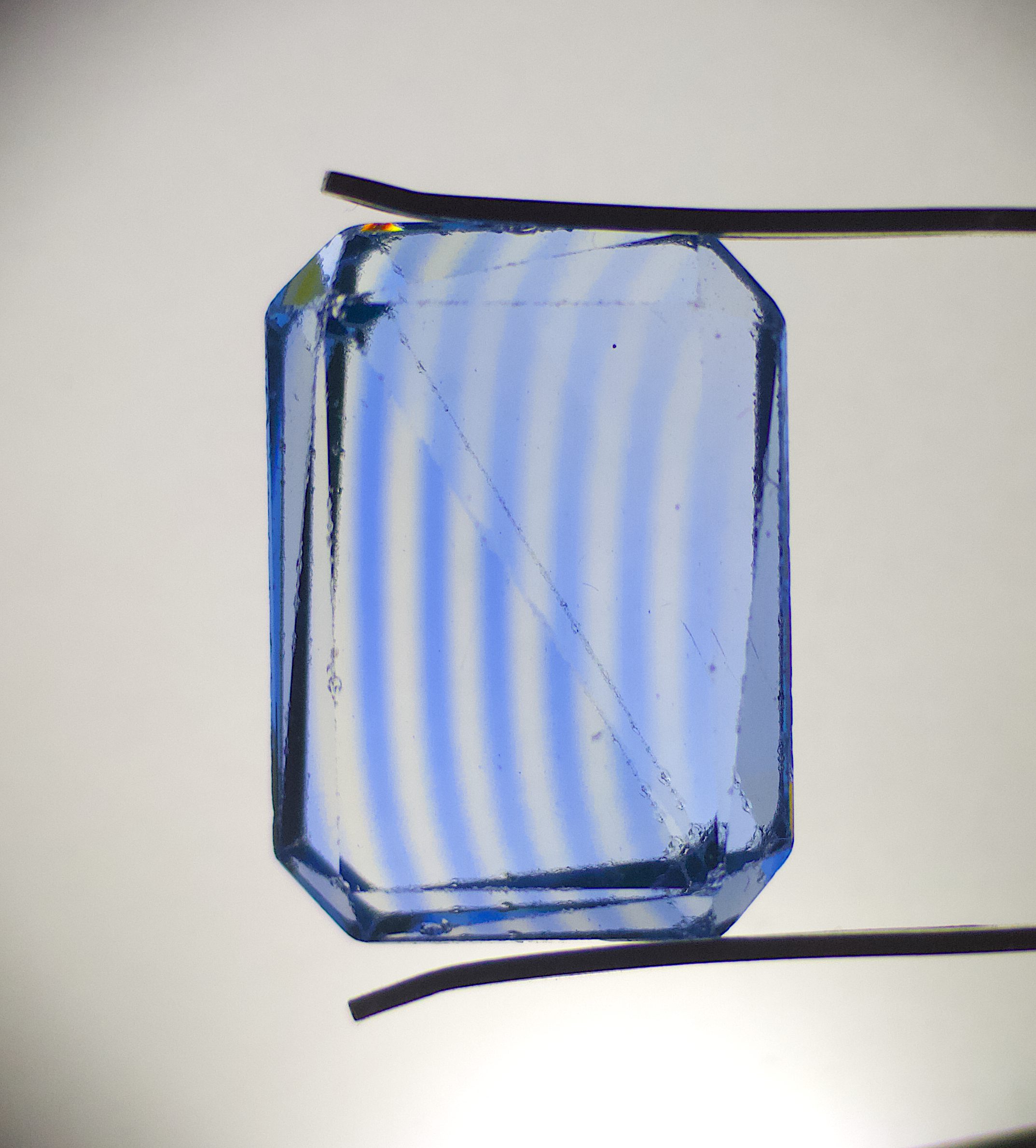
The colours of natural spinel are not typically enhanced by heat treatment, as this process offers minimal benefits. However, surface diffusion has been employed to drive colouring elements like cobalt and nickel a short distance into pre-cut stones. This treatment is primarily used to improve blue colours and, occasionally, to create a green hue when nickel is introduced. Evidence of such treatments can often be identified by the concentration of colour in relation to the stone’s faceting and signs of high-temperature exposure.
Synthetic spinels are most commonly produced using the Verneuil process, with the intention of simulating other gemstones rather than spinel itself. Their identification is generally straightforward for experienced gemmologists. Flux-grown synthetic spinel, designed to mimic natural spinel, can be distinguished from its natural counterpart by characteristic inclusions of transparent, brownish flux and, to some extent, by their spectral properties.
A Gemstone Reclaimed: Spinel’s Resurgence in the Modern Era
Spinel, a gemstone that has for too long been overshadowed and misunderstood, is now experiencing a well-deserved resurgence in the jewellery trade. Its remarkable properties – including exceptional hardness, excellent toughness, a dazzling brilliance, and a captivating spectrum of colours – make it an ideal choice for a wide range of jewellery applications. As gemmologists and jewellers continue to explore and appreciate its unique attributes, spinel is poised to become an even more prominent and celebrated gemstone in the years to come, gracing exquisite designs and capturing the hearts of discerning collectors worldwide.
Main Image: A striking blue spinel gemstone, photographed by Henry Mesa.
This article was compiled with insights from Gem-A tutor Pat Daly.