

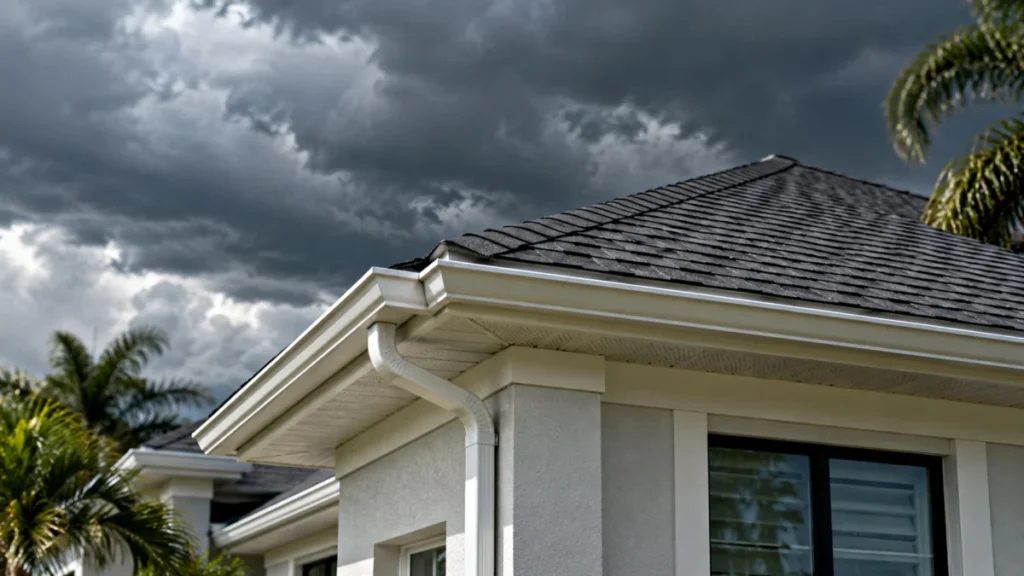
For residents of the Sunshine State, the annual hurricane season is more than a weather forecast; it is a recurring test of structural resilience. From the humid, sweltering heat of mid-summer to the violent, swirling winds of late-season tropical cyclones, Florida homes exist under a constant state of environmental siege. While the palm-lined vistas and stucco exteriors define the aesthetic of the region, the true measure of a Florida property lies beneath the surface—specifically, in the integrity of the building envelope.
As climate patterns become increasingly volatile, the necessity of a fortified roof assembly has moved from a recommendation to a fundamental requirement for home preservation. Protecting your investment requires a shift from reactive repairs to a proactive, engineering-led approach to home maintenance.
The Science of Structural Integrity Under Siege
Your home’s roof is the primary defense against the elemental fury of the Atlantic. During a hurricane, a roof does not merely contend with rain; it battles complex aerodynamic forces. When high-velocity winds strike a structure, they create localized zones of extreme pressure.
The Aerodynamics of Uplift
As wind flows over the eaves and ridges of a roof, it creates "uplift"—a suction effect similar to the lift generated by an airplane wing. If the roofing materials, such as shingles or tiles, are not properly adhered or if the deck sheathing is insufficiently fastened, these pressures can peel back the roofing layers like the pages of a book. Once this initial barrier is breached, wind-driven rain is forced into the attic space, leading to internal flooding, electrical hazards, and the rapid degradation of the home’s interior.
The Building Envelope Breach
The "building envelope" refers to the physical separator between the conditioned interior environment and the exterior. A breach in the roof deck allows for a rapid pressurization of the home. If the roof fails, the structural load on the exterior walls shifts significantly, potentially leading to a catastrophic collapse. This is why local building codes have evolved to prioritize the connection between the roof deck, the rafters, and the wall plates.
Chronology: A Season-Based Maintenance Lifecycle
To maintain a home effectively in Florida, owners should view maintenance as a year-round cycle rather than a one-time event.
- Q1: The Pre-Season Assessment (January – March): This is the ideal time to hire a licensed residential roofing contractor. The weather is generally drier, and professionals have more availability. Focus on identifying UV-damaged shingles, checking for rusted flashing, and inspecting the condition of the gutters.
- Q2: Remediation and Reinforcement (April – May): If the inspection reveals vulnerabilities, this window is critical for performing repairs. Whether it involves replacing damaged fasteners or upgrading to high-wind-rated materials, completing this work before June 1—the official start of hurricane season—is non-negotiable.
- Q3: The Vigilance Phase (June – November): During the peak of the season, maintenance shifts to observation. Clear debris from gutters after minor thunderstorms to prevent water pooling. Keep an emergency supply of tarps and plywood on hand.
- Q4: Post-Storm Review (December): After the final storms have passed, conduct a post-season sweep. Even if there was no catastrophic damage, minor wind events can loosen fasteners or shift tiles. Document everything for insurance purposes.
Supporting Data: Why Mitigation Matters
Data from the Federal Alliance for Safe Homes (FLASH) consistently shows that homes built or retrofitted to current Florida Building Code (FBC) standards fare significantly better than older inventory.
The Financial Impact of Mitigation
The "Wind Mitigation" inspection is a staple of Florida real estate. By demonstrating that a home meets specific criteria—such as secondary water resistance (SWR), reinforced roof-to-wall connections, and impact-resistant coverings—homeowners can often reduce their windstorm insurance premiums by 20% to 40%.
- Impact Resistance: Materials tested to meet TAS 201 (Large Missile Impact) standards are capable of withstanding the force of a 9-pound piece of lumber hitting the roof at 34 mph.
- Adhesion Standards: Modern building codes require increased nail patterns for plywood sheathing. Moving from a standard 6-inch spacing to a 4-inch spacing in high-pressure zones can increase the roof’s uplift resistance by nearly 50%.
Choosing the Right Materials: A Hierarchy of Resilience
Not all materials are created equal when it comes to the Florida climate. Homeowners should weigh aesthetics against the realities of tropical weathering.
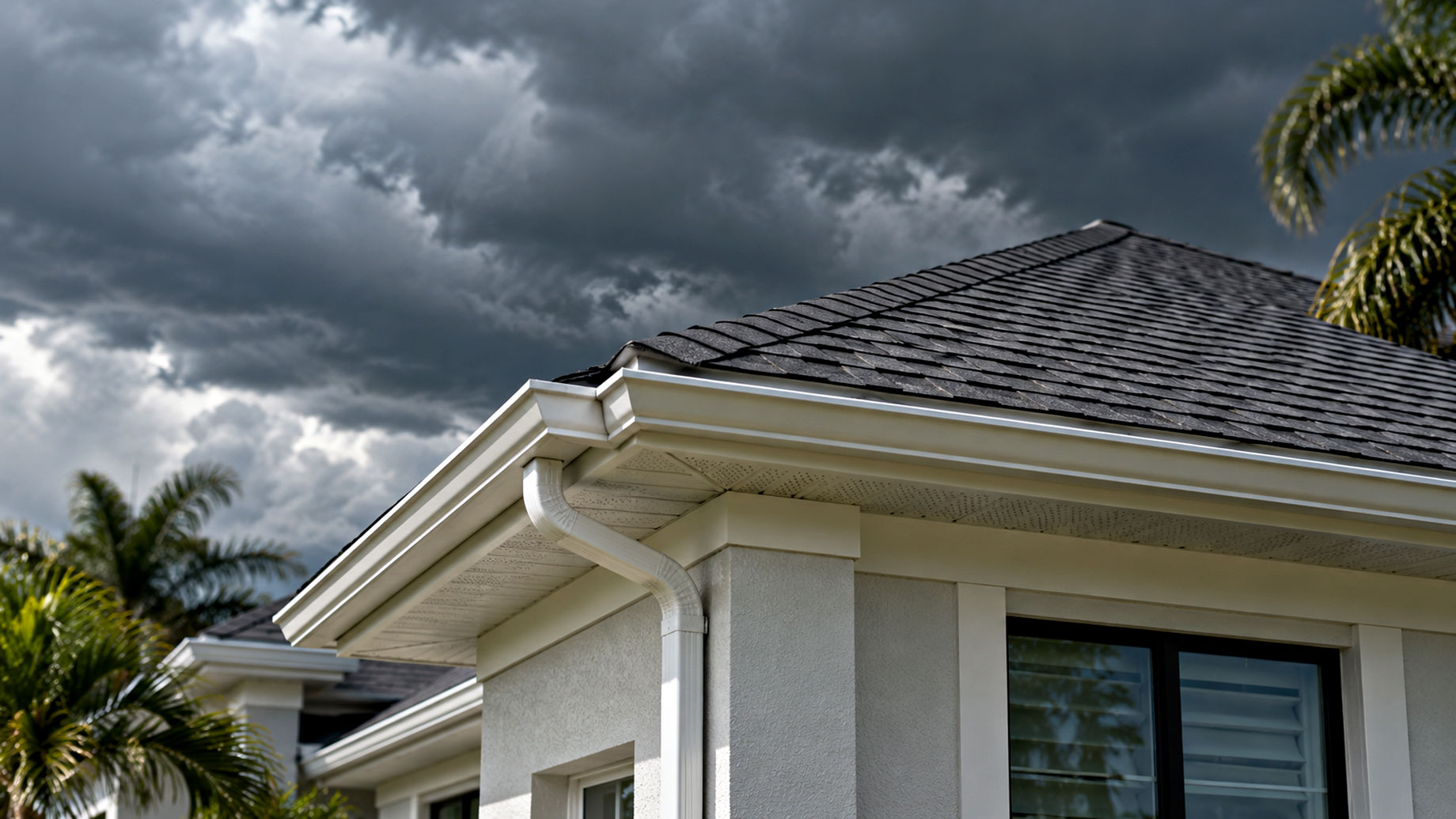
- Metal Roofing: Often considered the gold standard for hurricane-prone areas. Standing-seam metal roofs offer exceptional wind resistance and heat reflectivity. Their interlocking design minimizes the points where wind can catch, and they are impervious to the moisture-driven rot that plagues wood-based systems.
- Concrete and Clay Tiles: These are the traditional choice for Florida luxury homes. When installed with high-wind-rated adhesive foam or mechanical fasteners, they provide excellent longevity. However, they are heavy and require a structure designed to support the load.
- Architectural Asphalt Shingles: For most residential applications, high-quality, impact-resistant architectural shingles are the industry standard. Look for products rated for 130 mph winds or higher. Ensure that the underlayment—the secondary barrier—is a high-performance synthetic material rather than traditional felt, which can tear easily under stress.
Official Responses and Regulatory Standards
The Florida Building Code (FBC) is widely regarded as one of the most stringent in the world. Following the devastation of Hurricane Andrew in 1992, the state moved to a unified code that mandates specific engineering requirements for every part of the home.
The Role of the Professional Contractor
Official building departments stress the importance of using licensed contractors. An unlicensed or "fly-by-night" operator may perform work that is visually acceptable but structurally deficient, such as using incorrect nail gauges or failing to properly seal the valleys of the roof.
When interviewing contractors, homeowners should verify:
- Florida State License: Check the DBPR (Department of Business and Professional Regulation) database.
- Worker’s Compensation and Liability Insurance: Protects the homeowner from lawsuits if an injury occurs on-site.
- Permit History: A contractor who refuses to pull a permit is a red flag. Permits ensure that a municipal inspector will verify the work meets code requirements.
Implications: The Long-Term Value of Fortification
Investing in roof resilience is not just an insurance play; it is a strategy for long-term equity. A home that has been hardened against the elements maintains its value significantly better than one with deferred maintenance.
Insurance and Documentation
Beyond the physical installation, documentation is your greatest asset. Maintain a "Home Health File." This should include:
- Photographic Evidence: High-resolution photos of the roof deck, the attic insulation, and the fastener patterns before the roof is sealed.
- Product Specifications: Keep the brochures and warranty information for the specific roofing materials used.
- Inspection Reports: Keep copies of all wind mitigation inspections and annual maintenance checks.
If a storm occurs, these records become the cornerstone of your insurance claim. Without them, you are at the mercy of an adjuster’s assessment. With them, you provide clear proof of the value and the condition of the asset, significantly speeding up the claims process and ensuring that you receive the coverage you are entitled to.
Conclusion: Confidence Through Preparation
The volatility of Florida’s climate is a reality that cannot be ignored. However, the anxiety associated with storm season can be effectively mitigated through informed action. By understanding the structural vulnerabilities of your home, selecting materials engineered for high-wind environments, and maintaining a rigorous schedule of inspections and documentation, you transform your home from a potential liability into a fortress.
When the storm clouds gather and the winds pick up, the peace of mind that comes from knowing your home is structurally sound—built to code and maintained with care—is the most valuable asset of all. As a Florida homeowner, your roof is more than just a cover; it is the silent protector of your family and your future. Treat it with the priority it deserves, and it will serve you faithfully for decades to come.



