
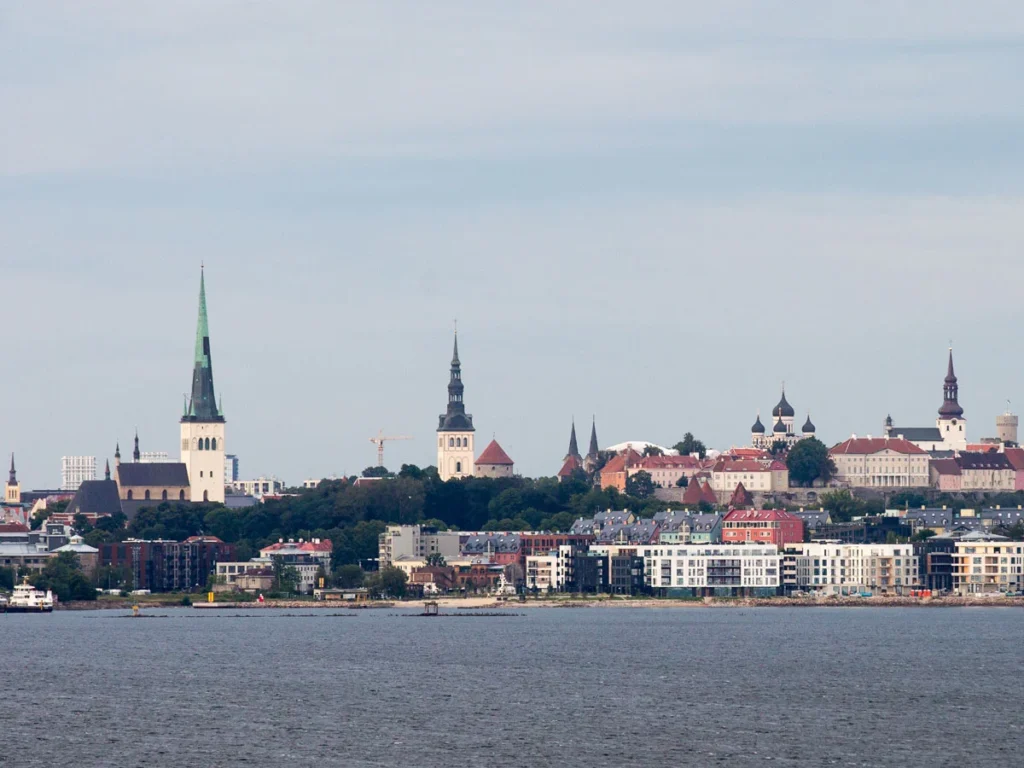
In an extraordinary display of professional solidarity, the Estonian creative community has mobilized to address a devastating financial crisis. Following a sophisticated banking scam that drained nearly €700,000 (approximately $816,400) from the coffers of the Estonian Artists’ Association (EKL), the country’s most prominent creators are donating 124 artworks for a high-stakes charity auction. This event, scheduled to take place from October 8 to 10 at the ARS Art City in Tallinn, represents a vital lifeline for an organization that serves as the backbone for nearly 1,000 members across 18 distinct sub-associations.
The auction, preceded by a public exhibition opening on September 18, is more than a mere financial transaction; it is a profound statement of resilience. As the EKL navigates the aftermath of a crime that targeted the very resources intended for artist salaries and gallery operations, the creative sector has chosen to turn inward, leveraging their collective cultural capital to secure the institution’s future.
The Anatomy of a Heist: A Chronology of Deception
The crisis came to light on May 15, when the EKL leadership discovered that their accounts at Swedbank and SEB had been systematically emptied. The scheme was as audacious as it was precise. According to internal reports, the perpetrators operated by compromising the association’s chief accountant, effectively hijacking the organization’s financial credentials.
The funds stolen were not merely discretionary income; they were government subsidies specifically earmarked for vital operational support. This included the payment of artist salaries and the maintenance of essential gallery infrastructure throughout Estonia. By disguising their illicit transfers as routine salary payments, the scammers managed to bypass initial internal security checks, effectively laundering the organization’s operating budget before the fraud was detected.
The revelation sent shockwaves through the Estonian cultural sector. For many independent artists who rely on the EKL for administrative and financial stability, the theft represented an existential threat. The loss of nearly $800,000 in government-backed funding left the association in a precarious position, forcing a rapid transition from standard administrative operations to crisis management.
The Auction: Art as a Tool for Restoration
In the months since the discovery of the fraud, the EKL has worked tirelessly to stabilize its position. The decision to host a charity auction was born out of necessity, yet it has evolved into a celebration of Estonian artistic heritage. The 124 works up for bid represent a curated selection of contemporary and historic Estonian art, chosen by an expert commission tasked with presenting a "broad spectrum" of the nation’s cultural identity.
Curatorial Highlights
The collection includes works from established masters whose names are synonymous with the Estonian canon. Among the pieces slated for auction are works by:
- Jüri Arrak: Known for his surrealist, mythic approach to the human condition.
- Enn Põldroos: A towering figure in modern Estonian painting.
- Tiit Pääsuke: Renowned for his complex, color-driven compositions.
- Leonhard Lapin: A pioneer of the Estonian avant-garde.
- Jüri Kask, Olev Subbi, and Mari Kurismaa: Whose contributions offer a bridge between the classicists and the contemporary generation.
These works, drawn from the EKL’s own historical collection, are being sold under a unique set of conditions designed to preserve the nation’s cultural integrity.
Protecting the Heritage: The "Public Access" Clause
One of the most innovative aspects of this emergency auction is the inclusion of a binding clause regarding the future of the sold artworks. Recognizing the cultural importance of the pieces being auctioned, EKL vice president Tüne-Kristin Vaikla has emphasized that the association is not merely offloading assets to balance a ledger.
"We have implemented a requirement that all sold artworks must be made available for public exhibition in the future," Vaikla told ERR News. "It is essential that these works do not disappear from public view. This way, Estonia’s art heritage remains accessible to the public even after the sale."
This clause serves as a safeguard against the "privatization" of national treasures. By mandating that collectors provide access to these works, the EKL ensures that the emergency sale does not result in a long-term depletion of the public’s ability to engage with the nation’s artistic history. Furthermore, the EKL has been transparent in stating that it is not liquidating its entire collection. They have explicitly excluded works that are central to the biographical legacy of the artists, ensuring that the most critical components of their archives remain under institutional care.
The Human Element: Community in the Face of Adversity
While the numbers and the legal complexities are daunting, the emotional core of this story lies in the response of the artists themselves. Jaanus Samma, a prominent Estonian artist who has been instrumental in coordinating the donations, characterized the process as a transformative experience for the community.
"Difficulties have a unifying effect," Samma remarked. "Artists are bringing in their works, asking how the association is holding up, wishing us success, and offering their help. Preparing this auction has been a surprisingly exciting process. I have had the opportunity to visit dozens of studios, speak with my peers, and feel a genuine sense of community that perhaps we had taken for granted before the crisis."
This "unifying effect" has provided the EKL with a significant psychological boost. For an organization that often operates in the background of the art world, the sudden visibility of their members’ support has been a powerful counter-narrative to the victimization caused by the fraud.
Financial Framework and Future Implications
The financial structure of the auction is designed to be equitable, acknowledging both the association’s need for capital and the artist’s individual contribution. Participating artists will receive 15 percent of the proceeds from the initial sale of their donated works. Additionally, for works sold from the EKL’s existing collection, the association has implemented a 5 percent royalty for secondary sales, ensuring that the artists—or their estates—remain connected to the ongoing value of their creations.
While the EKL has not yet released the full list of estimated prices, the market anticipation is high. The association is currently finalizing an online catalog that will provide potential buyers with detailed provenance and valuation data.
Implications for the Estonian Art Sector
The fraud has triggered a broader conversation about administrative security and the vulnerability of non-profit arts organizations. As the EKL works with law enforcement to recover the stolen funds, the lessons learned from this incident will likely result in a permanent overhaul of the association’s financial governance.
The incident also highlights the fragility of the "gig economy" model within the arts. Because the stolen funds were directly tied to salary payments and operational support, the scam had a ripple effect that hit individual artists in their own pockets. The success of this auction will not only recover a portion of the financial losses but will also serve as a pilot program for how creative unions can self-organize in the face of institutional crises.
Conclusion: A Resilient Future
As the September 18 exhibition opening approaches, the mood among the Estonian creative community is one of focused determination. The tragedy of the bank fraud has undeniably caused significant hardship, but the response has reaffirmed the relevance and necessity of the Estonian Artists’ Association.
By blending high-level curatorial standards with an innovative public-access model, the EKL is demonstrating that an artist association is more than a administrative body—it is a community. Whether the auction fully recoups the $800,000 remains to be seen, but the event has already succeeded in its secondary goal: proving that even in the face of malicious deception, the collective spirit of the Estonian art world remains, in the words of Jaanus Samma, "unified and ready to move forward."
The ARS Art City will serve as the stage for this restoration from October 8–10. For collectors and enthusiasts alike, it offers a rare opportunity to support the preservation of Estonian culture while acquiring pieces that are, quite literally, part of a historic act of communal survival.